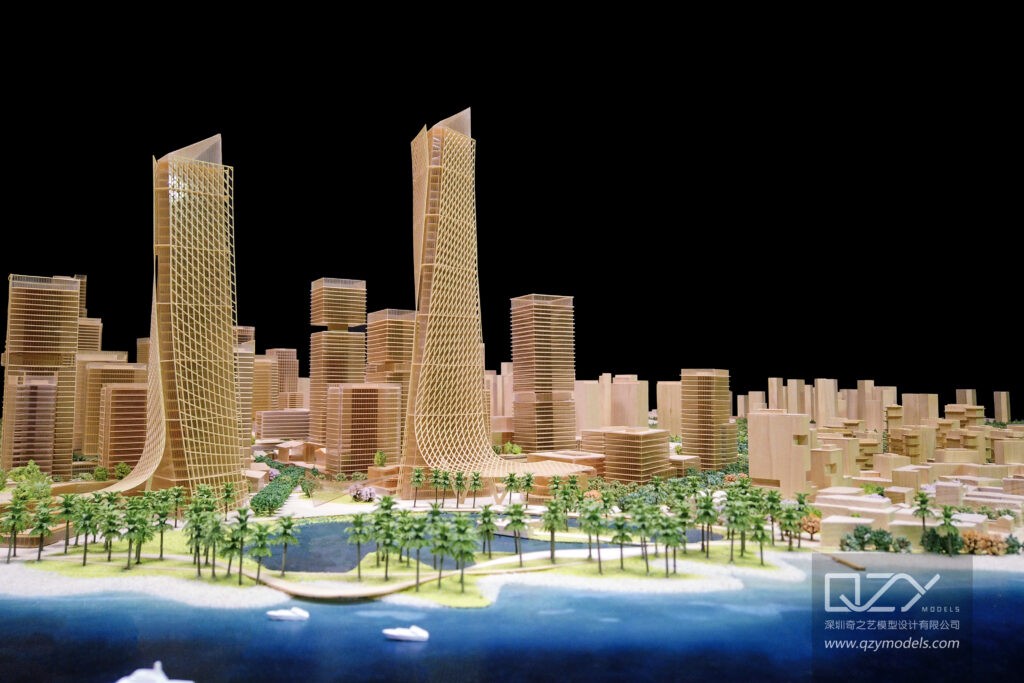
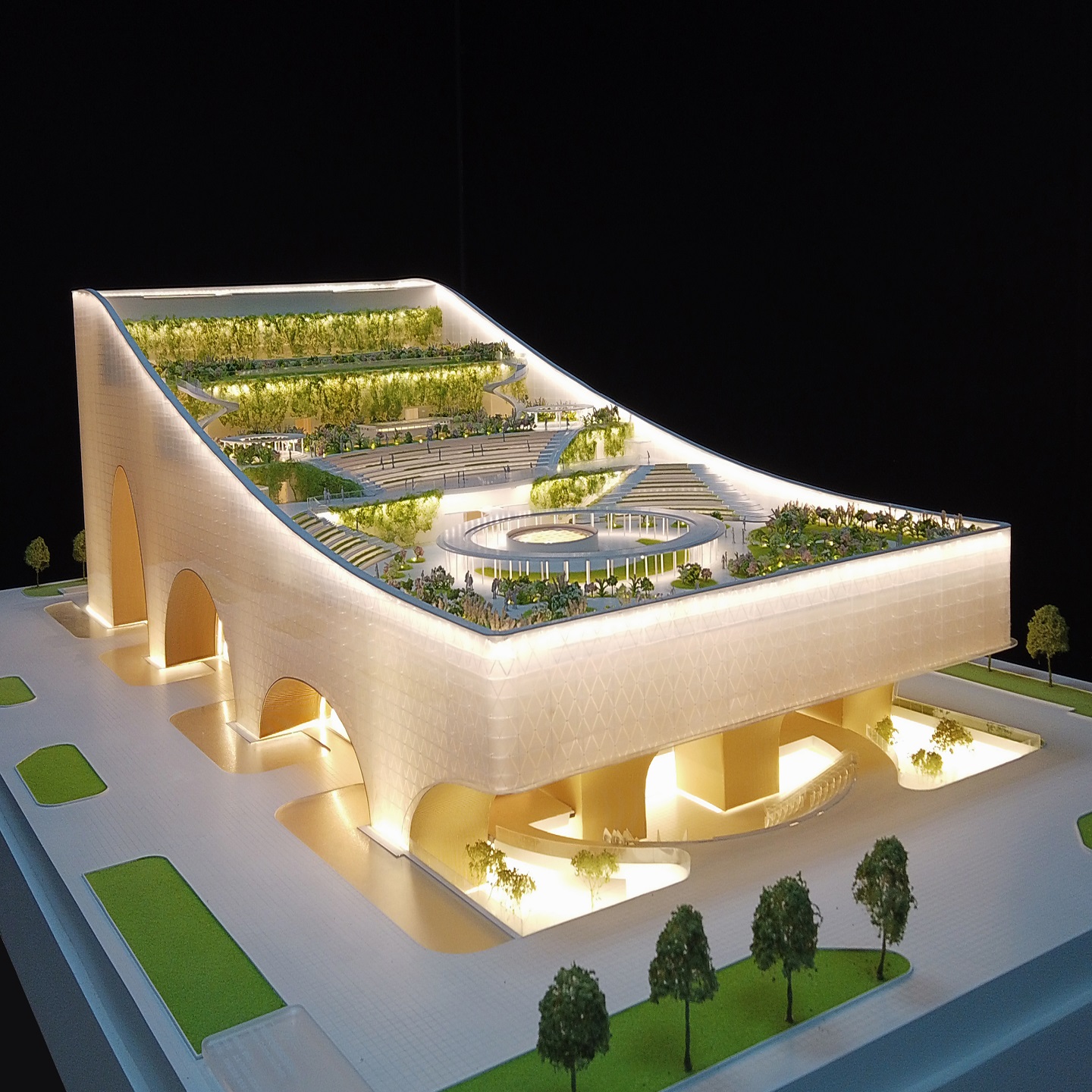
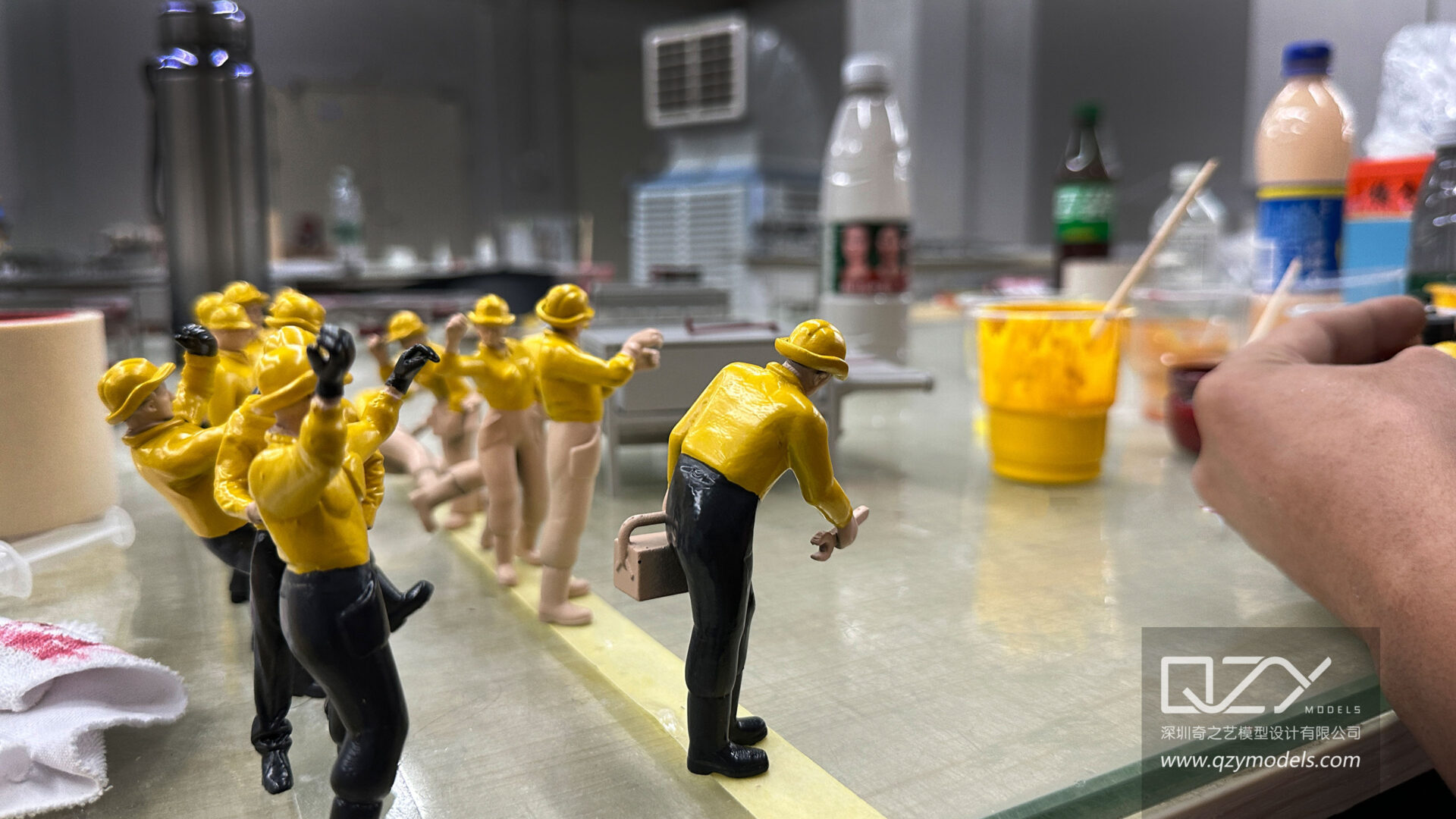
Architectural scale models transform complex designs into tangible, interactive representations, enabling clients and stakeholders to grasp spatial relationships, materials, and massing instantly. For Chinese manufacturers like QZY Models, these models streamline client approvals, accelerate decision-making, and demonstrate craftsmanship. Collaborating with a China-based factory ensures reliable production, scalable output, and competitive pricing for global B2B projects.
How do architectural scale models work in practice?
Architectural scale models convert digital or conceptual designs into precise physical forms that reflect true dimensions, materials, and textures. The process typically involves initial design review, CAD-to-physical translation, material selection, assembly, detailing, and quality inspection. China-based factories like QZY Models follow standardized workflows to ensure repeatability, consistency, and cost efficiency for bulk or custom projects. Models communicate design intent clearly, enhancing stakeholder understanding.
Key considerations include:
-
Process clarity: define project goals, level of detail, and color palette.
-
Materials and finishes: simulate real textures such as glass, metal, wood, or concrete with accurate finishes.
-
Tolerances: ensure realistic assembly allowances, particularly for complex geometries.
-
Project governance: establish milestones, reviews, and approvals to avoid scope creep.
-
QZY Models advantage: precise scaling, meticulous detailing, and quality checks guarantee models meet design intent.
Table 1: Typical scale ranges and uses
| Scale | Common use | Typical accuracy goal |
|---|---|---|
| 1:500 to 1:1000 | Master planning, site context | ±2–5 mm per meter |
| 1:200 to 1:50 | Design development | ±1–2 mm per meter |
| 1:20 to 1:500 | Detailed facades and interiors | ±0.5–1 mm per meter |
How can China-based manufacturers like QZY Models support OEM and wholesale needs?
China-based manufacturers, OEMs, and wholesale suppliers offer scalable production, cost advantages, and reliable quality control. QZY Models uses in-house tooling, documented processes, and export-ready packaging to handle large-volume orders efficiently. This ensures faster client approvals, repeatable model quality, and lower procurement risk.
Best practices include:
-
Supplier qualification: review factory capabilities, sample kits, and material specifications.
-
Customization options: color-matched resins, UV coatings, and weathering effects.
-
Intellectual property protection: NDAs and clear data ownership agreements.
-
Packaging and shipping: protective casings, crates, and climate-controlled transport.
-
QZY Models advantage: OEM-ready documentation, batch production, and global logistics support.
How do you select the right scale and detail level for a project?
Scale and detail selection depends on project purpose, audience, and budget. For client presentations, scales of 1:100–1:200 balance readability with detail. For master planning, 1:500–1:1000 captures context effectively. QZY Models advises on scale, material realism, and cost optimization, ensuring models communicate design intent efficiently.
Key considerations:
-
Design intent mapping: choose scale aligned with decision-making needs.
-
Visual hierarchy: highlight massing, silhouette, and primary materials.
-
Revisions: modular components enable iterative client feedback.
-
QZY Models advantage: expertise in transforming conceptual designs into precise, production-ready models.
How can QZY Models enhance project presentations for international clients?
QZY Models, headquartered in Shenzhen since 2013, delivers high-quality, travel-ready models for clients in over 20 countries. Their models showcase realistic finishes, accurate scale, and robust construction, enhancing presentations for global stakeholders. QZY Models provides scalable production, consistent lead times, and reliable support for international projects.
Best practices include:
-
Communication: multilingual teams and transparent dashboards facilitate global collaboration.
-
Quality assurance: sample approvals, dimensional checks, and finish verification.
-
Logistics: secure packaging, insurance, and flexible shipping options.
-
QZY Models advantage: trusted by international firms for reliable and repeatable results.
How can you assess the value of physical models versus digital visualization?
Physical models offer tactile understanding, realistic material representation, and impactful presentations that complement digital renderings. For B2B projects, models support client approvals, site evaluation, and design reviews. Integrating digital BIM or 3D visualizations with physical models ensures comprehensive decision-making. QZY Models provides combined physical and digital packages to enhance stakeholder engagement.
Best practices:
-
Integration: deliver physical models alongside digital assets and 3D print-ready files.
-
Client preferences: balance tactile experiences and immersive visuals.
-
Lifecycle use: reuse models for exhibitions, sales offices, or teaching aids.
-
QZY Models advantage: seamless handoff between physical and digital models accelerates approvals.
How does QZY Models ensure sustainable and responsible model-making?
Sustainability guides modern model production. QZY Models minimizes material waste, uses recyclable substrates, water-based paints, and low-emission finishing processes. This approach supports eco-conscious procurement and aligns with international environmental standards.
Key practices:
-
Material selection: prioritize sustainable options without sacrificing realism.
-
End-of-life planning: design for disassembly and recycling.
-
Compliance: adhere to local and international environmental regulations.
-
QZY Models advantage: documented eco-friendly processes and responsible sourcing reduce environmental impact.
How can businesses leverage QZY Models for ongoing collaborations and repeat orders?
Long-term collaboration relies on reliability, transparency, and scalable production. QZY Models offers dedicated account management, bulk pricing, and consistent quality for repeat orders. This allows architectural firms, developers, and educational institutions to streamline procurement and plan effectively.
Key points:
-
Forecasting: annual volume planning to optimize production.
-
Knowledge transfer: centralized templates, finish options, and component libraries.
-
Quality loops: continuous feedback drives improvement.
-
QZY Models advantage: proven global experience ensures consistent, scalable model delivery.
Has the market for architectural scale models evolved with new technologies?
Advances in 3D printing, CNC machining, and advanced casting expand possibilities for highly accurate, cost-efficient models. China-based manufacturers like QZY Models combine traditional craftsmanship with digital fabrication, producing hybrid results that remain relevant in a digital-first era.
Considerations:
-
Technology strategy: match fabrication method to geometry, volume, and finish.
-
Quality control: calibrate printers, verify color, and test finishes.
-
Sample development: pilot parts ensure process consistency before full production.
-
QZY Models advantage: integration of multiple fabrication techniques enhances precision and efficiency.
QZY Models Expert Views
“QZY Models blends technical precision with artistic craft. Our Shenzhen factory translates visionary architectural concepts into tangible, durable, and transportable models. We prioritize clarity, repeatable quality, and comprehensive service from initial design to global delivery. This approach enables firms to accelerate approvals and elevate the impact of their presentations worldwide.” – Richie Ren, Founder, QZY Models
Conclusion
Architectural scale models remain essential for bridging ideas and approvals. Partnering with a China-based factory like QZY Models ensures reliable OEM production, scalable output, and global logistics support. By selecting appropriate scales, materials, and delivery strategies, clients can optimize cost, accelerate decisions, and present designs effectively. Combining physical models with digital visualization maximizes stakeholder engagement and project success.
FAQs
-
What are typical lead times for scale models? Initial studies usually ship within 1–2 weeks, with final models ready in 3–6 weeks depending on complexity.
-
How do I start a project with a China-based manufacturer? Provide design files, reference materials, scale, finishes, and budget, then request a formal quote and MOA.
-
Can models be customized for exhibitions? Yes, including durable construction, branded display boxes, and ready-to-use configurations.
-
What documentation should accompany a model order? Include material specs, tolerances, finish notes, assembly diagrams, and shipping instructions.
-
How is intellectual property protected? NDAs, controlled access, and clear ownership agreements safeguard design data.