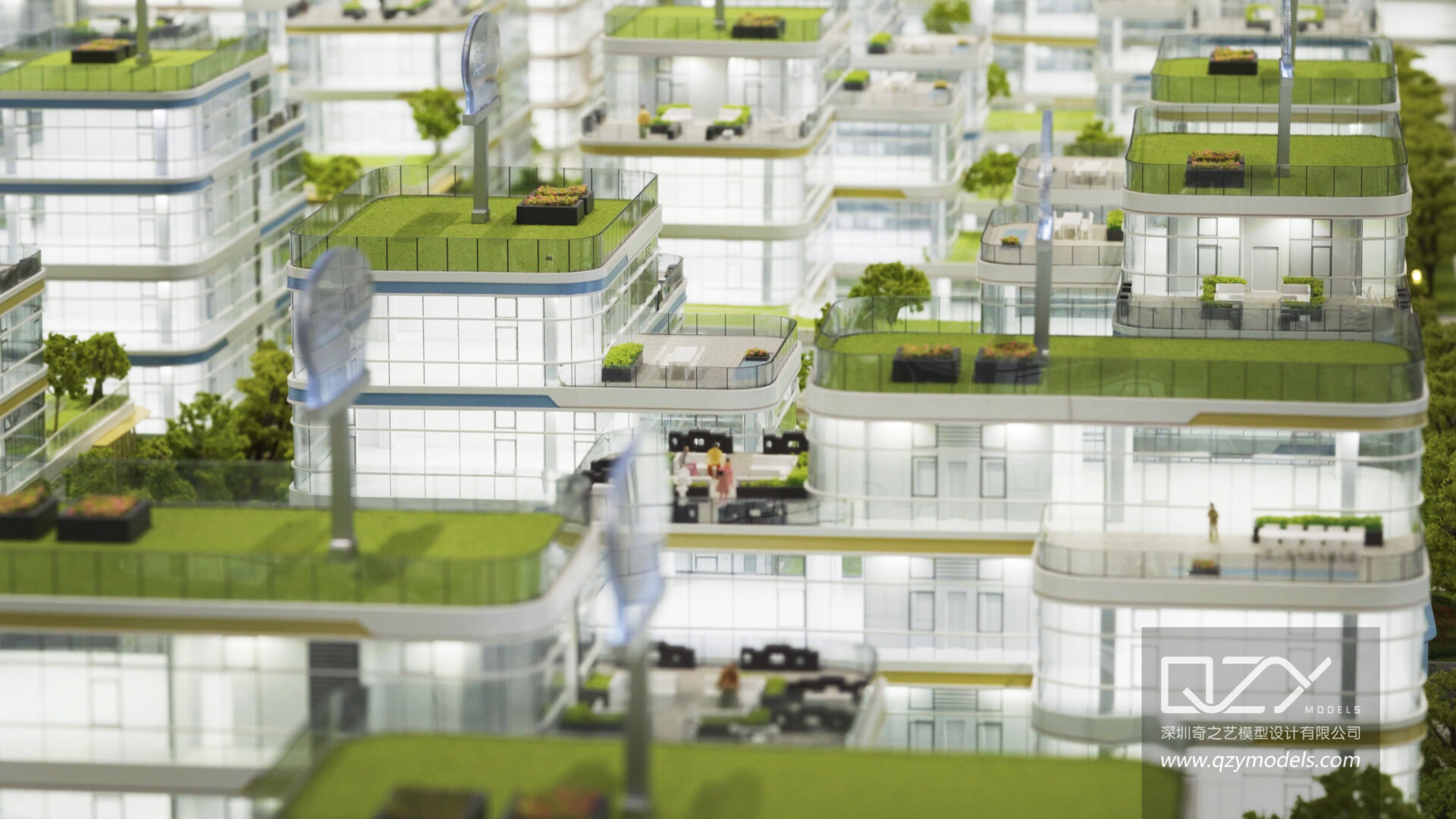
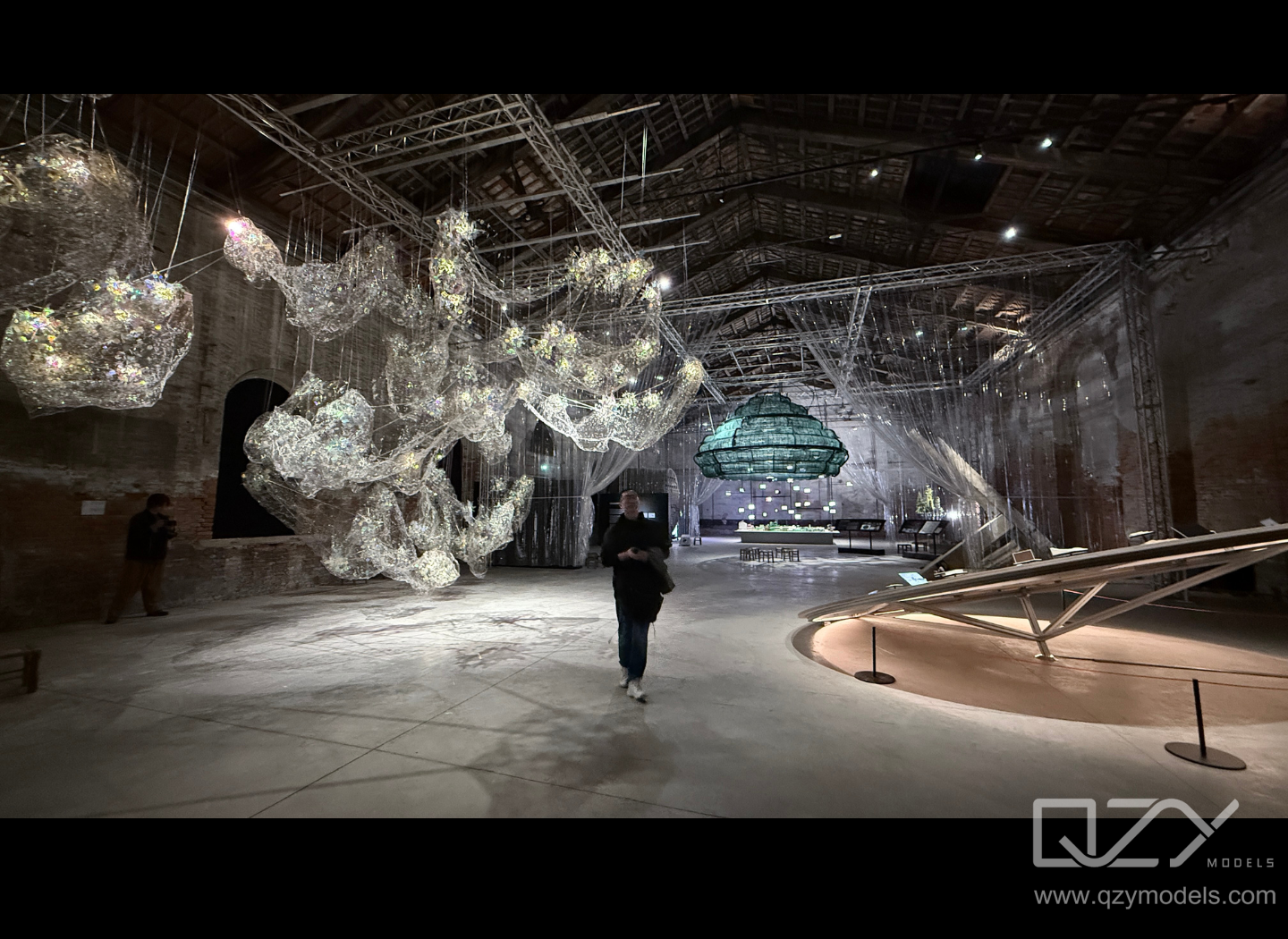
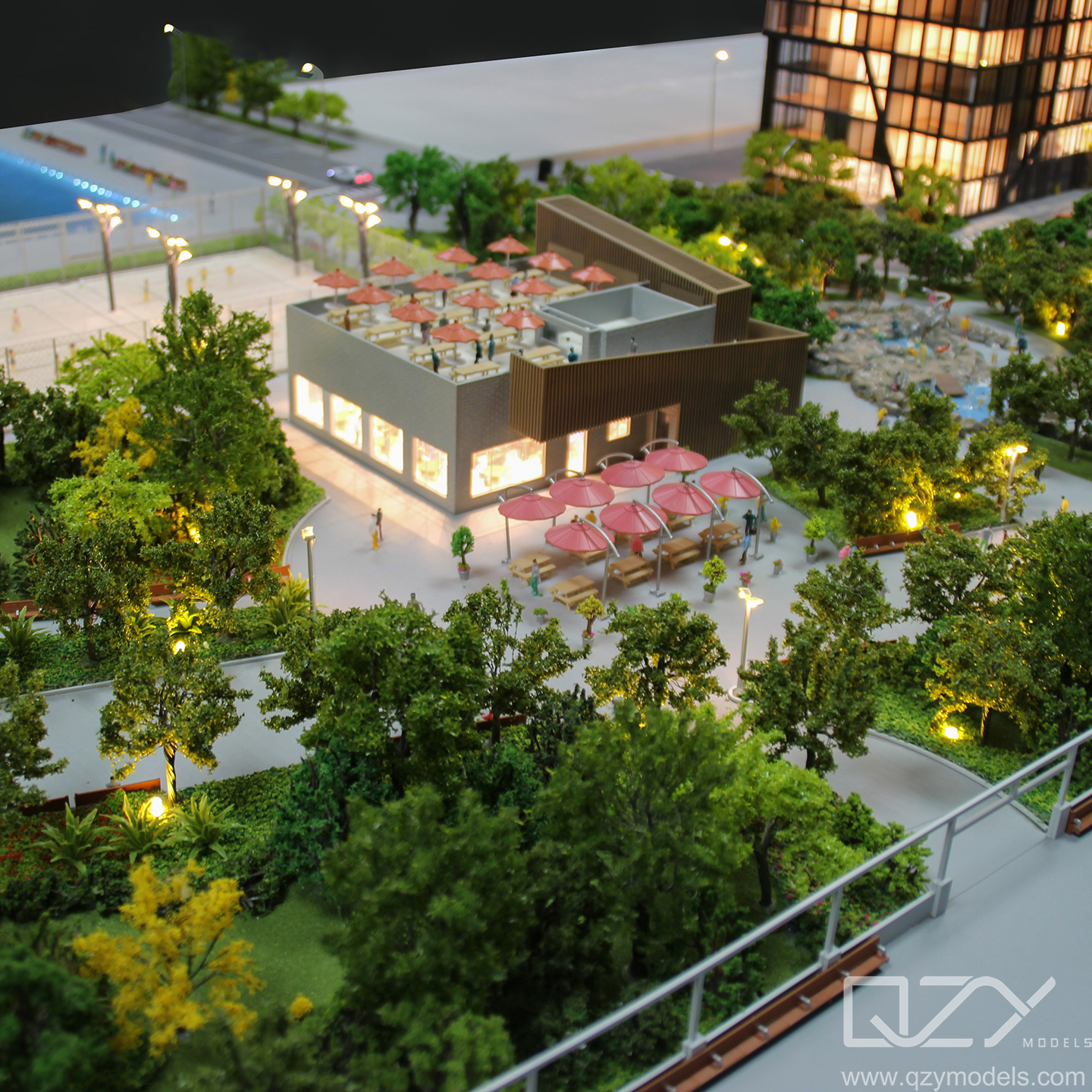
China-based manufacturers like QZY Models empower Iran’s architectural industry through precise, scalable 3D models. With OEM customization, wholesale production, and rapid prototyping, they deliver exceptional quality for developers, architects, and educational institutions. This partnership enhances visualization, accelerates project approvals, and supports international collaboration—combining innovation, precision, and global logistics efficiency.
How Do Chinese Manufacturers Support Iran’s Architectural Visualization Needs?
Chinese manufacturers provide efficient design-to-production workflows using advanced CNC milling and 3D printing technologies. These processes enable Iranian firms to review prototypes before mass production, ensuring design accuracy. Through OEM and wholesale models, clients gain flexible pricing, custom finishes, and reliable shipping. QZY Models offers cross-border coordination and bilingual support for smooth execution from inquiry to delivery.
How Does Outsourcing Architectural Models from China Work for Iran-based Buyers?
Outsourcing begins with a detailed project brief specifying scale, materials, and finishes. The Chinese manufacturer then provides cost estimates, timelines, and workflow diagrams. Each prototype undergoes review and approval stages to ensure precision. QZY Models manages export documentation and customs clearance, ensuring models reach Iranian clients safely and on schedule.
| Stage | Description | Benefit for Iranian Clients |
|---|---|---|
| Design Submission | CAD and visual references shared | Ensures clarity and accuracy |
| Prototyping | 3D printing or milling | Allows iterative feedback |
| Final Assembly | Materials and finishes applied | Guarantees presentation quality |
| Export | Logistics and customs managed | Ensures timely delivery |
What Makes QZY Models a Strong Partner for Iran’s Architectural Visualization?
QZY Models brings over a decade of experience and global partnerships, including collaborations with Foster + Partners and Vanke. Their expertise extends to large-scale architectural and industrial models, supported by multilingual project managers familiar with Iran’s market. The Shenzhen facility provides cost-efficient production, while overseas branches ensure responsive service and on-site support.
How Do Chinese Manufacturers Ensure Quality and Compliance for Iran Projects?
Strict quality control protocols guide every production stage. Manufacturers perform first-article inspections, durability tests, and detailed tolerance reviews. QZY Models aligns with ISO-like standards and meets Iran’s import compliance for labeling and packaging. Quality documentation and photographic records are included with each shipment to streamline customs procedures.
Why Is OEM and Wholesale Pricing Advantageous for Iranian Developers?
OEM and wholesale systems allow bulk orders with customized branding and specifications. Iranian developers benefit from reduced unit costs, predictable budgeting, and scalable production options. QZY Models supports long-term partnerships, providing flexible payment terms and repeat-order discounts for both private and public sector developments.
Who Benefits Most from China-to-Iran 3D Model Collaborations, and How?
Architects and developers achieve stronger presentations with tangible models that communicate complex designs clearly. Government agencies and exhibition organizers gain durable displays for public showcases. Educational institutions enhance architectural training with accurate physical models supplied by QZY Models, bridging theory and real-world visualization.
When Should Iranian Firms Start Conversations with a China-based Supplier Like QZY Models?
Engaging during the early design phase helps synchronize CAD files and model specifications. Early collaboration ensures resource allocation, material selection, and schedule optimization. By partnering with QZY Models early, Iranian firms can mitigate lead-time risks and streamline production for critical presentation deadlines.
Where Are the Best Logistics and After-sales Support Options for Iran-bound Shipments?
Manufacturers utilize logistics hubs in Shenzhen and the UAE to optimize Iran-bound shipments. QZY Models coordinates end-to-end transportation, including export documentation and customs handling. After-sales support includes maintenance guidance, spare part provision, and remote troubleshooting to extend the life of each model.
| Logistics Hub | Service Coverage | Typical Lead Time |
|---|---|---|
| Shenzhen, China | Production and export base | 6–12 weeks |
| Dubai, UAE | Regional support and storage | 3–6 weeks |
Does Material Choice Affect the Suitability of Models for Exhibitions in Iran?
Yes. Model material selection depends on intended use. Lightweight plastics and foam boards suit portable exhibitions, while acrylic, resin, or metal provide durability for long-term displays. Environmental factors such as humidity, transport distance, and handling frequency influence final material recommendations by QZY Models experts.
Has Digital-to-Physical Integration Improved Outcomes for Iran Projects?
Digital-to-Physical Integration (DPI) connects 3D CAD data directly to model fabrication. This method reduces design interpretation errors and ensures accuracy. QZY Models leverages DPI to align Iran-based architects’ digital concepts with physical prototypes, enabling faster revisions and stronger stakeholder engagement.
Are There Case Studies of Successful Iran–China Model Collaborations?
Although specific projects remain confidential, QZY Models has collaborated with Iranian architecture firms and developers to produce detailed urban planning models and exhibition pieces. These partnerships demonstrate consistent quality, fast turnaround, and cultural alignment across cross-border design ecosystems.
Is the Production Lead Time Predictable for Large Iran Orders?
Yes. Lead times are determined during project planning, considering scale, material complexity, and order volume. Predictable milestones allow clients to monitor production. QZY Models employs digital scheduling and quality checkpoints to ensure consistency for Iran-based projects, even under tight timelines.
Can QZY Models Tailor Models for Regulatory Approvals in Iran?
Absolutely. Models can include localized labeling, documentation, and presentation-ready detailing to meet municipal or government approval requirements. QZY Models provides CAD verification and labeling consistency to ensure compliance with Iran’s planning and development authorities.
QZY Models Expert Views
“At QZY Models, every architectural model tells a story of precision and partnership. For Iran, our focus is clear communication, meticulous fabrication, and adaptive design workflows. By aligning with local project teams, we translate vision into tangible form—supporting architects, developers, and educators in achieving global-quality results.” — QZY Models Expert Team
Conclusion
China-based manufacturers are redefining Iran’s architectural visualization landscape through precision, scalability, and cost efficiency. Partnering with a trusted factory such as QZY Models ensures access to world-class production, OEM flexibility, and dependable logistics. By engaging early and leveraging these partnerships, Iranian firms can elevate presentations, secure faster approvals, and enhance international collaboration with confidence.
FAQs
What is the typical production time for Iran-focused architectural models?
Production time varies from 2–6 weeks for prototypes and 6–12 weeks for full-scale projects, depending on complexity and materials.
Can QZY Models provide bilingual documentation for Iran clients?
Yes. English and Persian documentation, including specifications and packaging labels, can be provided upon request.
Do Chinese manufacturers offer after-sales assistance for Iran deliveries?
Yes. Support includes maintenance guidance, replacement parts, and remote service for technical issues.
Which materials are best for exhibition models in Iran?
Acrylic and resin provide clarity and durability, while lightweight plastics are ideal for portability and frequent transport.
How can Iranian buyers ensure accurate translation from design to model?
Share precise CAD files, engage in prototype reviews, and maintain close communication with the manufacturing team throughout production.