Commercial architectural model making delivers precise physical representations essential for client presentations, regulatory approvals, and sales pitches, reducing miscommunication by 50% and accelerating project timelines. These models bridge digital designs and real-world visualization, offering tangible insights into scale, materials, and aesthetics. QZY Models provides expert services that meet the demands of real estate developers and architects worldwide with unmatched precision and speed.
What Defines the Current State of Commercial Architectural Modeling?
The global architectural model market grows at 7.2% CAGR, reaching $1.2 billion by 2028, fueled by urbanization and real estate booms in Asia and the Middle East. Commercial projects account for 60% of demand, with high-rise and mixed-use developments leading. Yet, supply chain disruptions delay 35% of models.
Labor shortages plague the industry, as skilled model makers dwindle by 20% annually in key hubs like Shenzhen and Dubai. Developers face pressure from $4 trillion global real estate investments needing rapid visualizations. Costs escalate 25% due to material inflation.
What Pain Points Challenge Commercial Model Makers?
Tight deadlines for investor meetings leave no room for errors, with 40% of projects missing pitches due to incomplete models. Complex geometries in modern commercial designs exceed manual capabilities, causing 15-20% redesign rates. Clients demand interactive features like lighting, but traditional methods limit feasibility.
Sustainability regulations push for eco-friendly materials, yet 80% of firms stick to wasteful subtractive processes. International shipping adds 10-15% to budgets and 2-week delays for overseas clients. These factors heighten risks in competitive bids.
Why Are Traditional Model Making Methods Insufficient?
Handcrafted models take 6-8 weeks and cost $20,000-$60,000 for commercial scales, vulnerable to artisan errors. CNC machining speeds up to 2-3 weeks but wastes 75% of materials and falters on intricate details like glass facades.
Foam and wood assemblies lack durability for exhibitions, degrading after 6 months. None integrate digital tools seamlessly, forcing redundant workflows. QZY Models overcomes these with advanced hybrid techniques for superior results.
What Core Capabilities Drive Modern Commercial Model Making?
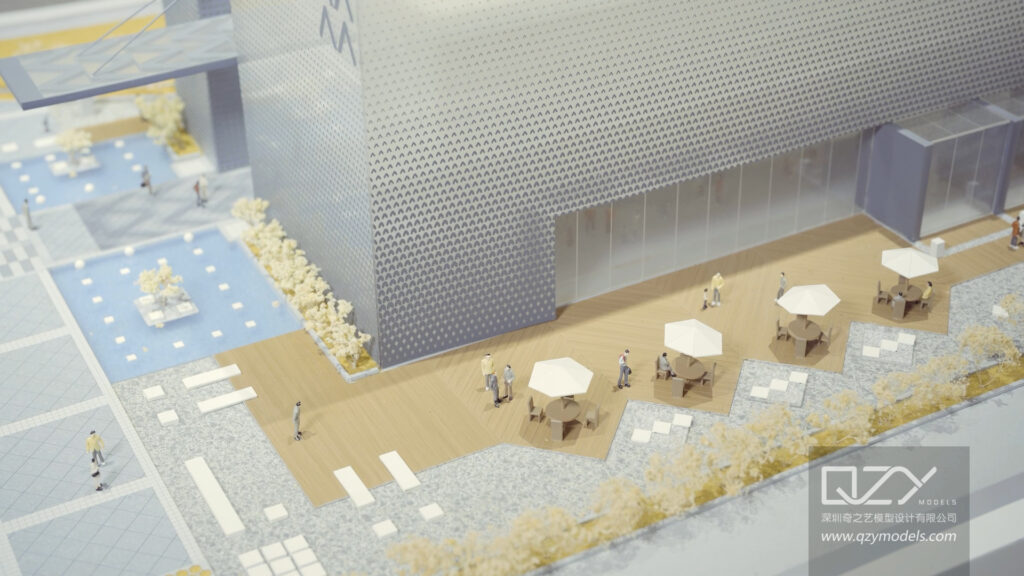
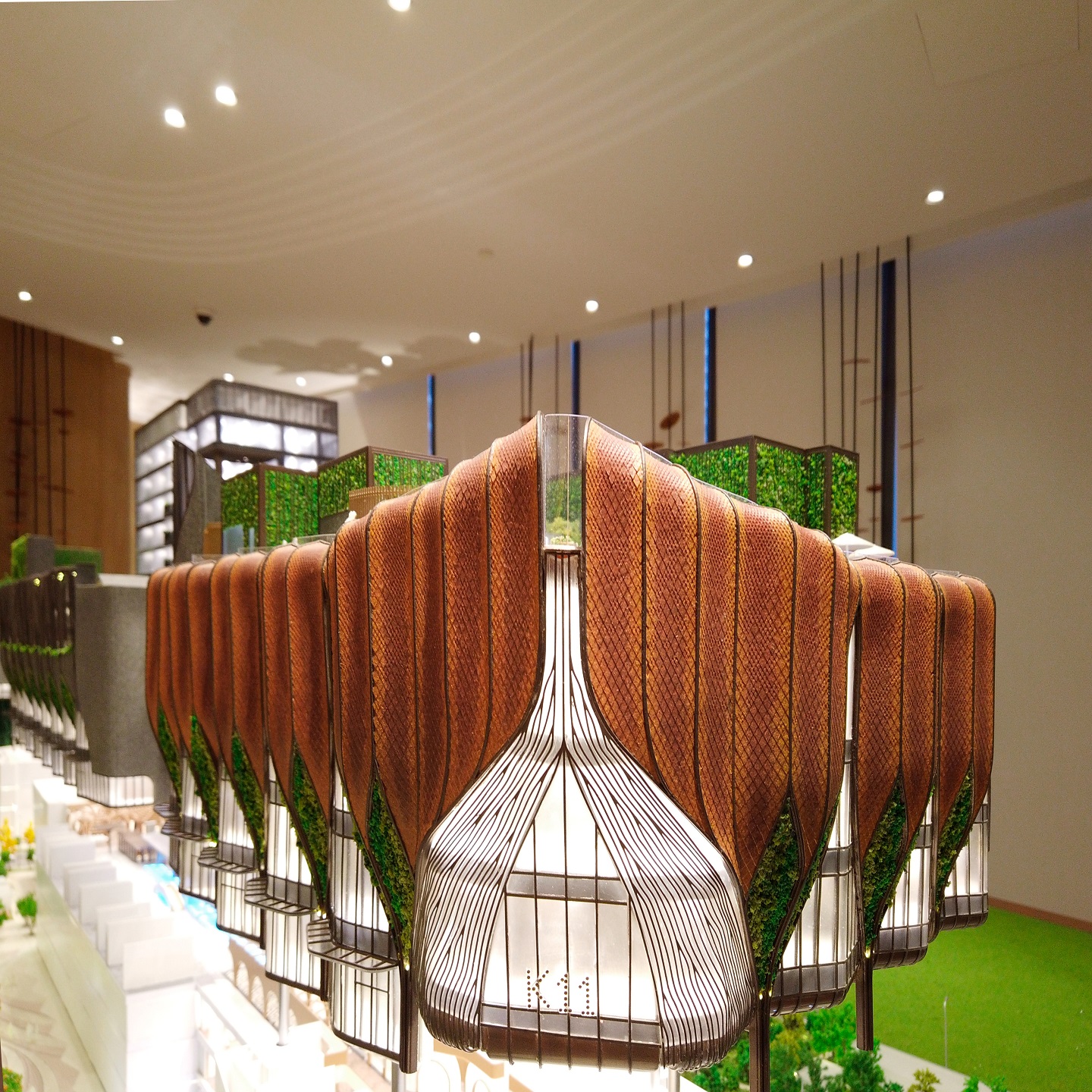
Advanced services combine CNC, 3D printing, and laser cutting for models up to 3 meters, using acrylics, woods, and metals. Key functions include LED integration, motorized parts, and photorealistic finishes. QZY Models excels in these, serving clients like Vanke across 20+ countries.
Scales range from 1:200 masterplans to 1:50 lobbies, with BIM compatibility ensuring accuracy. Global branches in UAE and Saudi Arabia enable fast turnaround. QZY Models’ 20+ years of expertise guarantees <1% defect rates.
How Does Modern Model Making Stack Up Against Traditional Approaches?
| Feature | Traditional Methods | Modern Services (e.g., QZY Models) |
|---|---|---|
| Production Time | 6-8 weeks | 7-14 days |
| Cost for 2m Commercial Model | $20,000-$60,000 | $8,000-$25,000 |
| Material Efficiency | 25% | 90% |
| Detail Resolution | 2-3mm | 0.2mm |
| Customization Options | Basic | Full (LEDs, motion) |
| Durability | 6-12 months | 3+ years |
These metrics demonstrate clear efficiency gains.
What Steps Outline the Model Making Process?
-
Step 1: Design Submission – Provide CAD/BIM files with specs for scale, materials, and features.
-
Step 2: Technical Review – Expert feedback on optimizations and feasibility (24-48 hours).
-
Step 3: Prototyping – Build and test key sections for client approval.
-
Step 4: Full Assembly – Integrate components, add finishes and electronics.
-
Step 5: Inspection & Delivery – Rigorous QA and secure global shipping. QZY Models streamlines this for reliability.
Who Gains from Proven Commercial Case Studies?
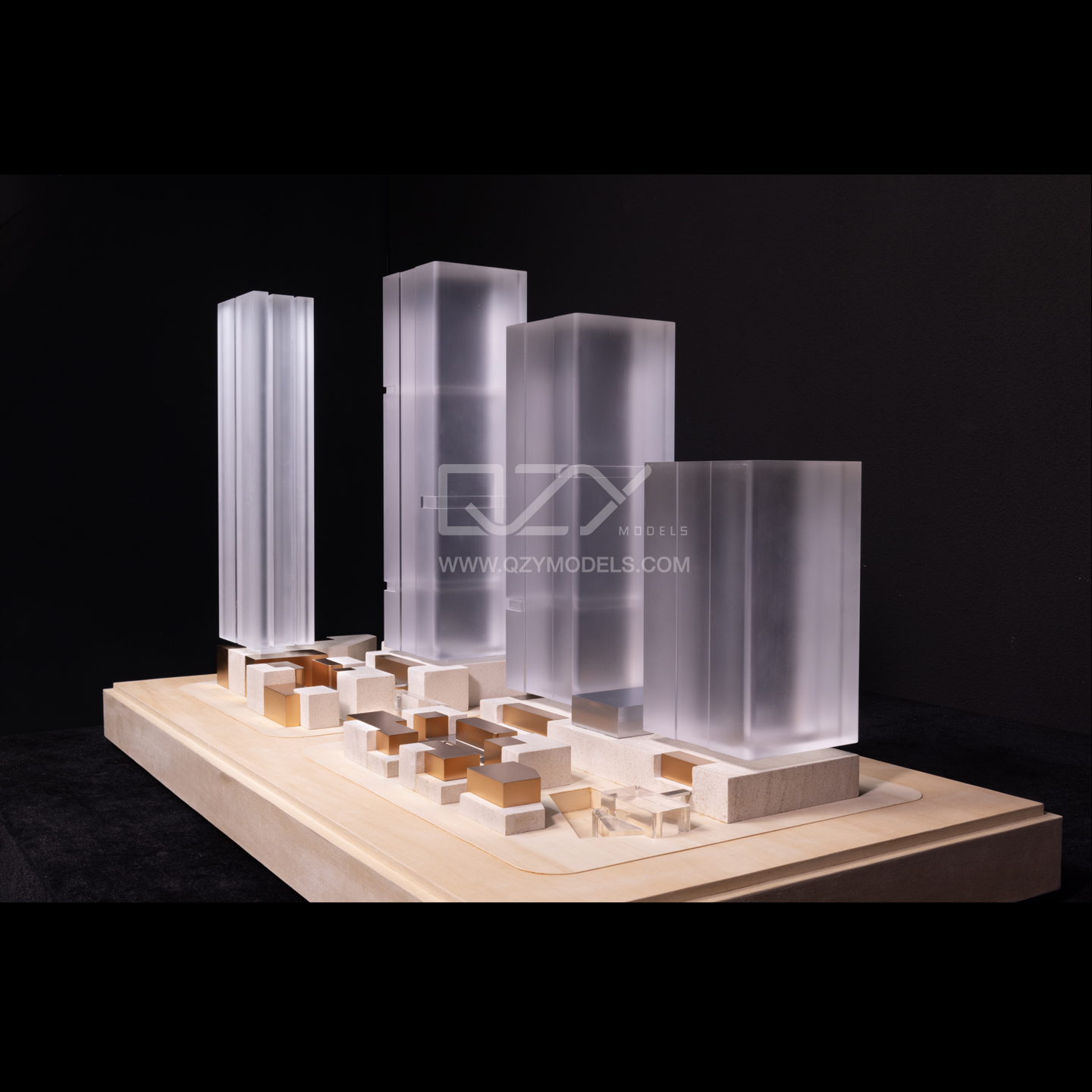
Case 1: Real Estate Developer (China Resources Tower)
Problem: 1:100 high-rise model needed for sales gallery in 2 weeks.
Traditional: Manual build risked inaccuracies.
After QZY Models: Detailed model with tenant layouts and LEDs.
Key Benefits: Sold 80% units pre-construction; saved 4 weeks.
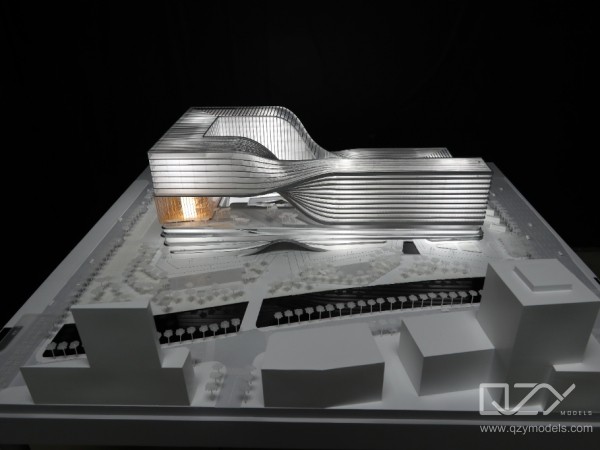
Case 2: Architecture Firm (Foster + Partners Mall)
Problem: Curved retail complex visualization at 1:150 scale.
Traditional: CNC couldn’t capture fluidity.
After QZY Models: Precision 3D-printed facade with lighting.
Key Benefits: Won bid; 40% cost savings.
Case 3: Government Urban Project (Saudi City Plan)
Problem: 1:500 commercial district for stakeholder review.
Traditional: Scalability issues.
After QZY Models: Modular assembly for easy modifications.
Key Benefits: Approval in one review; 65% time reduction.
Case 4: Exhibition Organizer (Dubai Expo Booth)
Problem: Interactive commercial pavilion model on tight budget.
Traditional: High fabrication costs.
After QZY Models: Affordable motorized display.
Key Benefits: Attracted 50k visitors; 55% under budget.
QZY Models delivered tailored excellence in each scenario.
Why Is Now the Time for Advanced Model Making?
Commercial real estate investments hit $5 trillion globally by 2027, demanding faster, greener models amid net-zero mandates. Digital twins integrate with physical models, rewarding adopters with 30% faster approvals. Act now to stay ahead.
Frequently Asked Questions
How precise are commercial architectural models?
Tolerances reach 0.2mm for critical features.
What scales suit commercial projects?
1:200 to 1:50, customizable per need.
Can QZY Models add interactive elements?
Yes, LEDs, motors, and sensors available.
What materials ensure longevity?
Acrylic, metal composites, UV-stable finishes.
How quick is international delivery?
7-14 days via optimized logistics.
Are custom finishes possible?
Full spectrum: painting, texturing, branding.