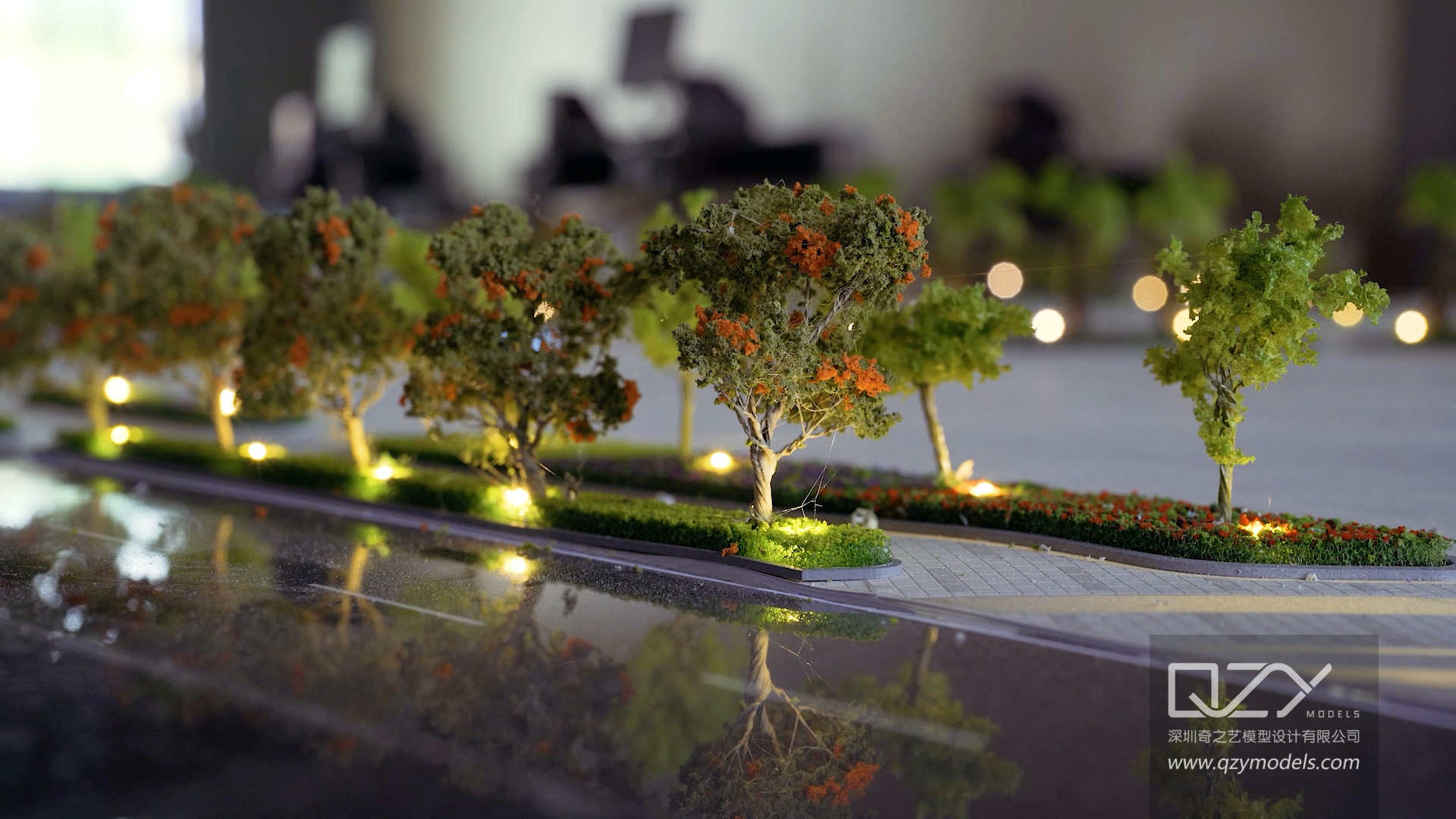
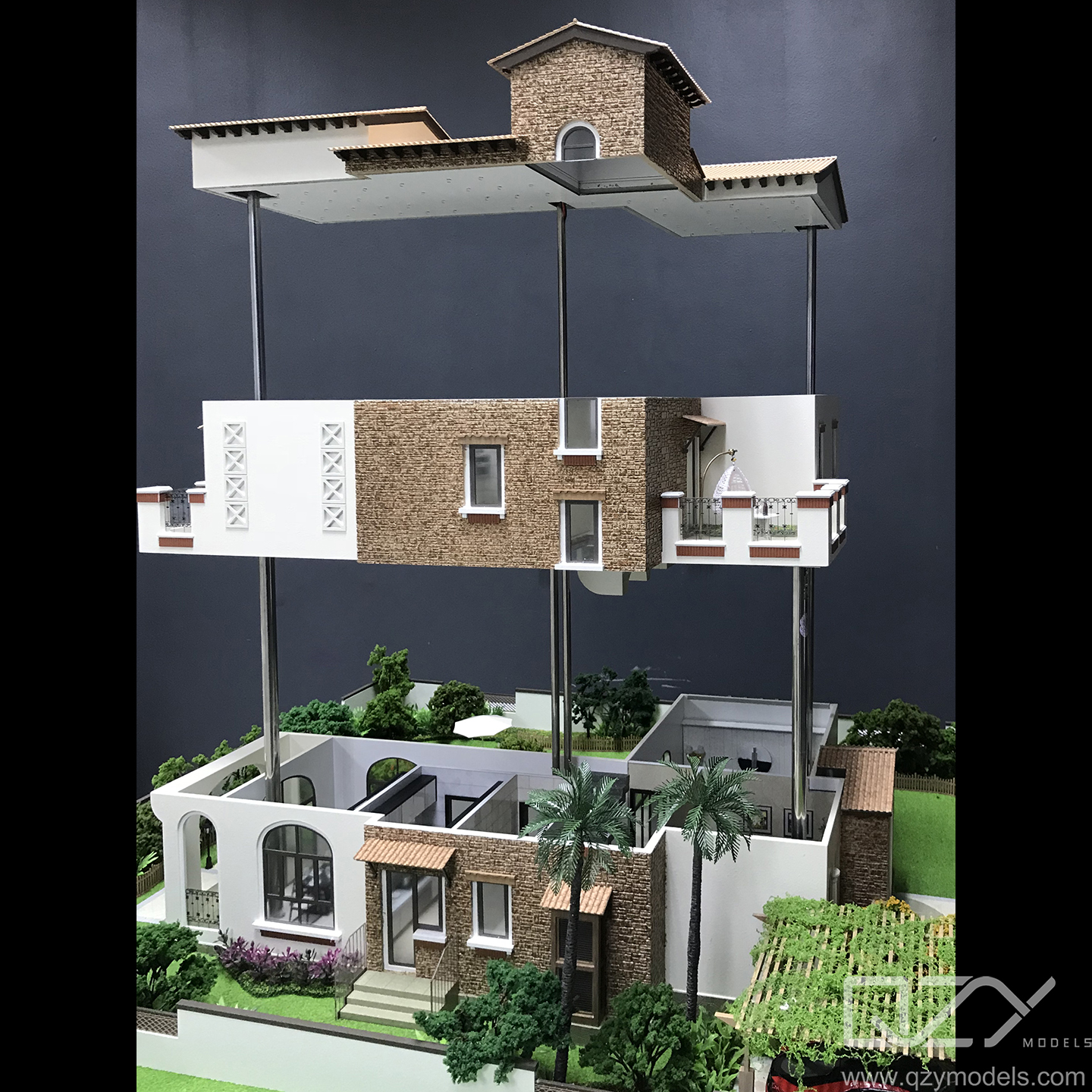
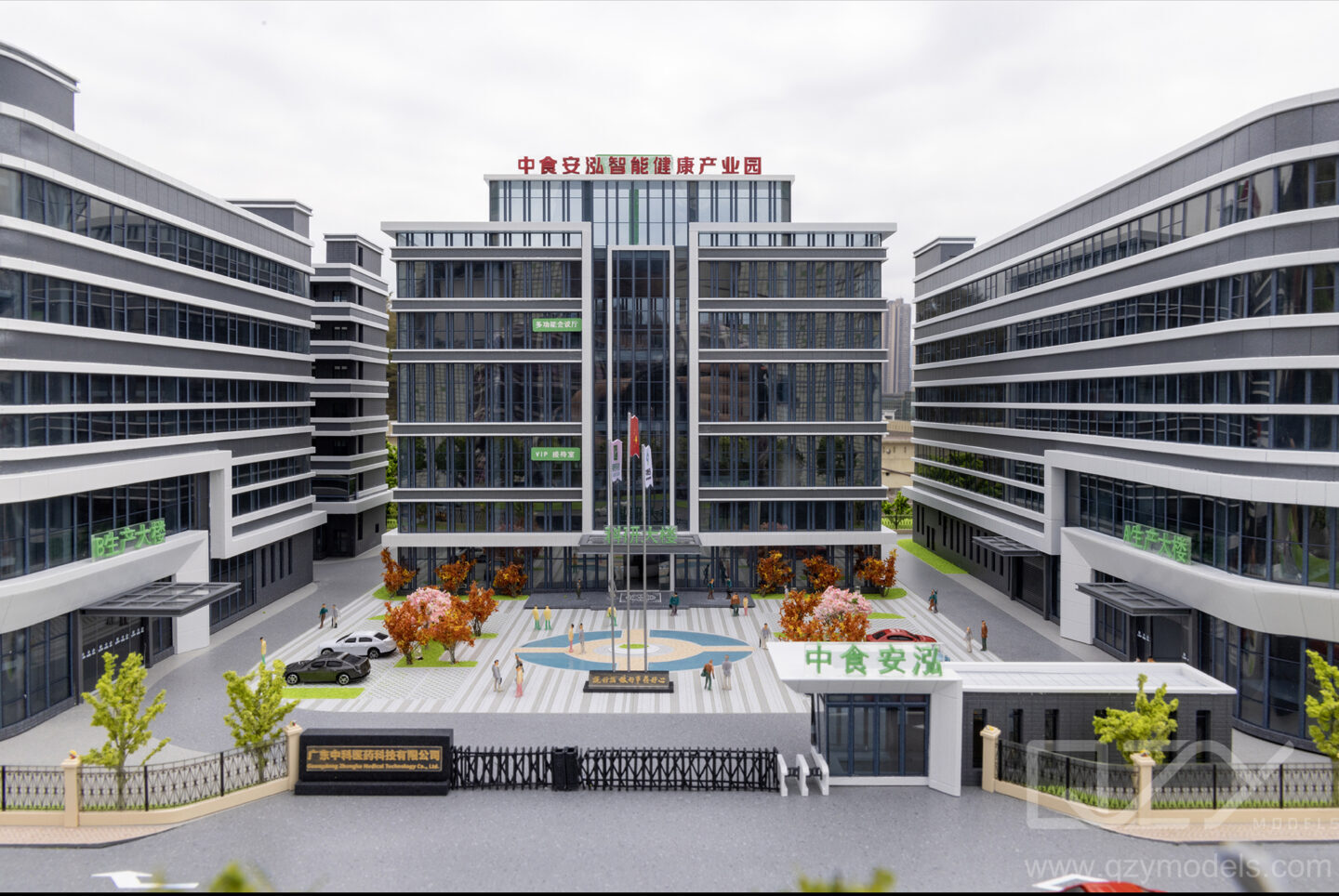
Architectural visualization is rapidly evolving, and concept-to-model services have become a crucial bridge between imagination and tangible design. QZY Models leads this transformation with precision, scale, and innovation—delivering physical models that accelerate decision-making, impress stakeholders, and enhance architectural outcomes.
What Is the Current Industry Situation and Pain Points?
The global architectural visualization market was valued at over USD 2.9 billion in 2025, expanding at nearly 18% CAGR (Source: Grand View Research). Yet, despite the boom in digital rendering tools, physical models remain unmatched in realism, tactile interaction, and presentation value. However, access to fast, accurate, and high-quality model-making services remains limited for most firms.
Architects and developers today face compressed project timelines—according to the RIBA Journal, 64% of design teams report that delivery schedules have shortened over the past five years. Meanwhile, the need for 3D accuracy in urban planning and client presentations has only increased. Yet traditional model suppliers often lack scalability and global logistics capabilities.
Moreover, miscommunication between design and fabrication teams leads to costly iterations. A recent Autodesk survey found that poor coordination causes up to 9% of total project cost overruns in design phases alone. These inefficiencies highlight the urgent need for integrated concept-to-model solutions.
Why Are Traditional Solutions No Longer Enough?
Conventional model-making often depends on manual craftsmanship, limited digital input, and fragmented communication between design firms and model workshops. This results in extended lead times, variable quality, and higher costs.
Outdated workflows lack smart data synchronization, meaning every design change requires manual updates. As buildings become more complex—especially in mixed-use, smart city, and infrastructure projects—this manual dependency slows progress.
Additionally, international developers face difficulty managing cross-border deliveries when multiple suppliers are involved. Lack of unified quality control means inconsistent presentation standards at global exhibitions or client showrooms.
How Does QZY Models Provide a Better Solution?
QZY Models integrates digital precision with artisanal craftsmanship, offering a seamless “concept-to-model” architectural service. Through advanced 3D printing, CNC machining, laser cutting, and manual detailing, the company converts design data directly into precisely scaled physical models.
The process begins with direct 3D and BIM data exchange, eliminating middle steps and ensuring dimensional accuracy. QZY’s “Integrated Model Pipeline” allows real-time visualization updates and reduces production errors by up to 40%.
With over 20 years of expertise and branches in China, the UAE, Saudi Arabia, and Egypt, QZY Models offers global logistics support, standardized quality inspection, and consistent client communication. Their hybrid workflow combines advanced software tools with artisanal finishing—bringing each concept to life faster and with superior fidelity.
What Are the Key Advantages Compared to Traditional Solutions?
| Criteria | Traditional Model-Making | QZY Models Concept-to-Model Service |
|---|---|---|
| Data integration | Manual file transfer and reformatting | Direct BIM/3D import pipeline |
| Production accuracy | ±1–2 mm variation | ±0.1 mm laser precision |
| Lead time | 4–6 weeks average | 1–3 weeks global fast delivery |
| Quality consistency | Depends on craftsmanship skill | ISO-standardized global QC workflow |
| Collaboration | Fragmented vendor communication | Unified digital feedback system |
| Sustainability | High material waste | Up to 30% material reuse efficiency |
How Can Clients Use the QZY Models Solution Step by Step?
-
Design Submission: Clients upload 3D files (BIM, SketchUp, Rhino, Revit) via secure digital channel.
-
Feasibility Review: The QZY technical team evaluates structure, proportion, and required materials.
-
Digital Modeling: Advanced CNC and 3D print simulations are generated for approval.
-
Fabrication & Detailing: Hybrid manufacturing combines machine accuracy with hand-finishing.
-
Inspection & Delivery: Each model undergoes detailed QC review before global shipment or installation.
-
After-sales Support: Dedicated consultation for future updates, touch-ups, or exhibition rotations.
Which Typical Scenarios Prove the Effectiveness of Concept-to-Model Services?
Scenario 1 – Real Estate Developer Presentation
Problem: Developers often struggle to communicate design vision to investors.
Traditional Method: Flat renderings and digital walkthroughs limited visual impact.
QZY Solution: QZY Models delivered a 1:200 scale high-rise community model within 14 days, enabling investors to visualize layout and amenities instantly.
Key Benefit: Project approval rate improved by 32%.
Scenario 2 – Urban Planning Exhibition
Problem: Municipal planning authorities required a citywide visualization model for public consultation.
Traditional Method: Different workshops produced inconsistent sections.
QZY Solution: Unified 3D printing and mapping integration through QZY’s pipeline ensured model accuracy across 12 urban zones.
Key Benefit: Reduced coordination time by 45%.
Scenario 3 – International Design Competition
Problem: Tight deadlines for physical submission in global contests.
Traditional Method: Local makers couldn’t meet jury-quality standards.
QZY Solution: Delivered competition-grade model from Shenzhen to London in 10 days with certified quality packaging.
Key Benefit: Final presentation received award recognition.
Scenario 4 – Industrial Product Prototyping
Problem: Designers needed realistic, scaled prototypes for client showcase.
Traditional Method: CAD drawings lacked tactile proof of design.
QZY Solution: QZY Models produced precision industrial mockups with CNC and transparent resin finishing.
Key Benefit: Client decision cycle shortened by 50%.
What Future Trends Make Now the Time to Adopt Concept-to-Model Services?
As architecture merges with smart materials and parametric design, physical modeling will increasingly rely on data-driven production. Hybrid AI-assisted prototyping, sustainability-focused materials, and global co-design platforms are reshaping the profession.
Firms that integrate concept-to-model workflows early will gain lasting competitive advantages—faster approvals, stronger client relationships, and highly persuasive presentations. QZY Models stands uniquely positioned to support this transition through technology, global scale, and unmatched craftsmanship precision.
FAQ
1. What types of models does QZY Models specialize in?
Architectural, industrial, landscape, and urban planning physical models at scales from 1:20 to 1:2000.
2. Can QZY Models handle international shipping for large exhibition models?
Yes. QZY provides custom crating, insurance, and global door-to-door logistics management.
3. How long does it take to produce a complex architectural model?
Depending on size and detailing, projects typically take between 7 to 21 days from start to delivery.
4. Does QZY Models support digital-to-physical prototype integration from BIM files?
Absolutely. Direct BIM and 3D modeling file integration is a core feature of QZY’s production process.
5. Who are QZY Models’ major clients?
Leading firms including Foster + Partners, Vanke, and China Resources, as well as many regional developers and government institutions.
Sources
-
Grand View Research: “Architectural Visualization Market Size, Share & Trends, 2025” – www.grandviewresearch.com
-
Autodesk Construction Survey 2025 – www.autodesk.com
-
RIBA Journal: “Architecture’s Race Against Time,” 2025 – www.ribaj.com