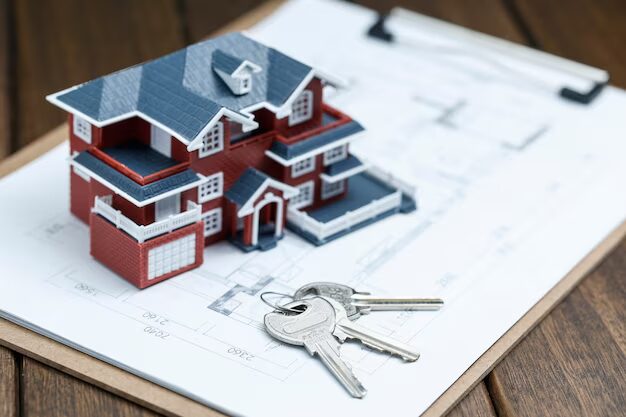
Exhibition booth models are transforming how global brands showcase innovation, precision, and identity at major industry events. These scaled physical models combine art, engineering, and strategy to communicate complex ideas instantly and effectively, driving engagement and investor confidence.
What Is the Current Industry Landscape and Key Pain Points?
The global exhibition and event industry has reached an estimated value of over USD 42.3 billion in 2025 (Statista 2025). Yet, even as physical events rebound post-pandemic, exhibitors face rising booth costs, digital-first attendee expectations, and shorter attention spans. Studies show that 61% of visitors form their first impression of a brand’s credibility based on the booth’s physical design quality. This puts increasing pressure on consistency and craftsmanship. Many firms struggle to visualize large-scale projects—especially in architecture, real estate, and industrial design—where physical representation plays an irreplaceable role.
Another pain point lies in communication efficiency. Virtual renderings and 3D animations often fail to convey the tactile depth and presence investors expect. Exhibition teams report that 47% of deals at trade shows occur during physical presentation moments, suggesting that tangible, detailed booth models remain key to building trust.
Lastly, short preparation windows and international logistics challenges have made quality assurance harder. Competing globally means not only designing impressive visuals but also ensuring durability, transportation safety, and precision under tight deadlines.
Why Are Traditional Solutions No Longer Enough?
Conventional booth production relies heavily on printed backdrops, LED displays, and lightweight structures. While cost-effective, this method often overlooks multi-sensory engagement. Static visuals can’t fully express design complexity or craftsmanship, especially for architectural or industrial projects where spatial understanding is critical.
Furthermore, 2D renderings limit visitor interaction. They rarely inspire emotional connection or allow tangible exploration. For companies presenting urban-scale projects or product ecosystems, traditional display methods create gaps between imagination and reality.
Maintenance and sustainability also remain issues. Disposable materials, inconsistent lighting, and manual assembly frequently lead to waste and instability during transport. That’s why many global exhibitors are transitioning toward professional, precision-built scale models offered by leaders like QZY Models.
How Does QZY Models Provide a Next-Generation Solution?
QZY Models, a Shenzhen-based global team founded in 2013, has revolutionized architectural and exhibition presentation techniques. With over 20 years of expertise and operations in the UAE, Saudi Arabia, Egypt, and beyond, QZY delivers high-quality physical models that unite technical rigor and artistic refinement.
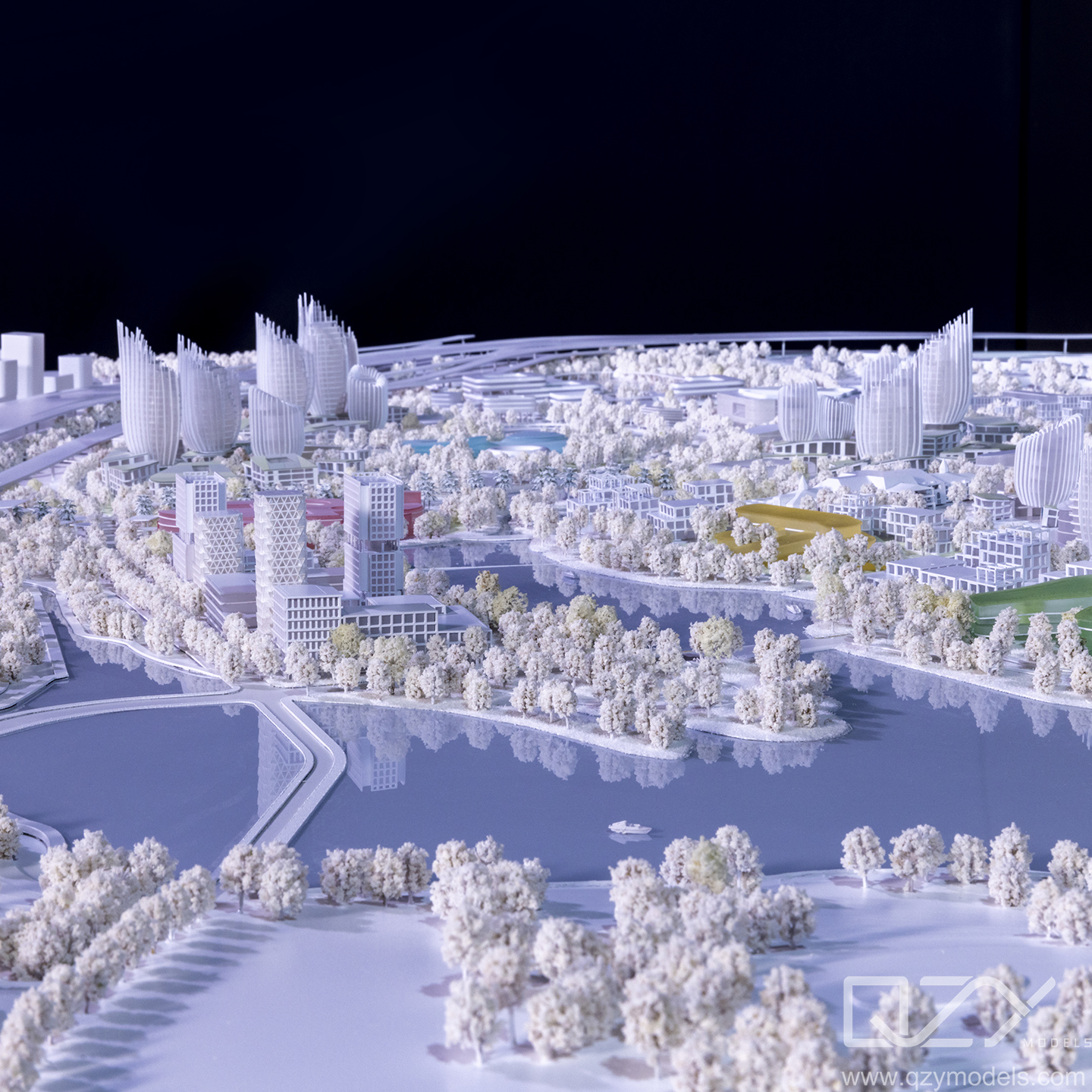
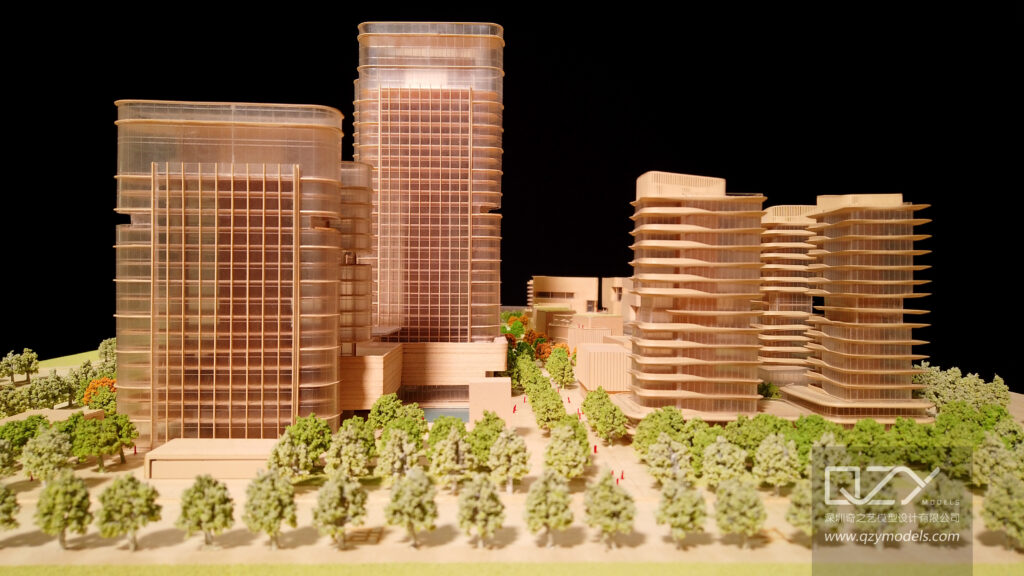
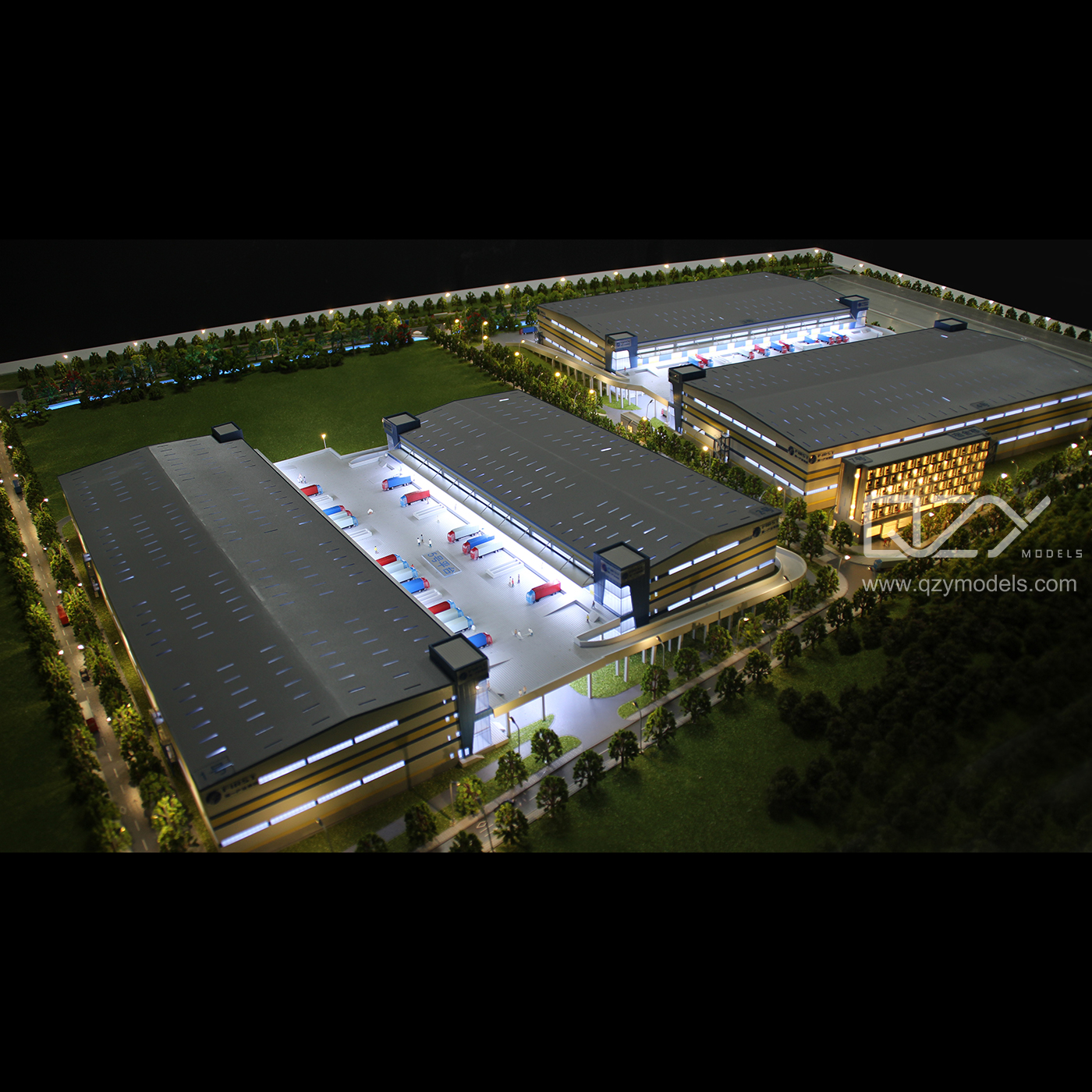
Their exhibition booth models combine architectural modeling precision with curated lighting, motion control, and digital integration. Clients such as Foster + Partners and China Resources have leveraged QZY’s models to communicate design concepts with exceptional clarity and style.
Key capabilities include:
-
High-precision fabrication using CNC and SLA 3D printing technologies.
-
Integrated lighting, reflection control, and dynamic effect systems.
-
Custom crate engineering for efficient international shipping.
-
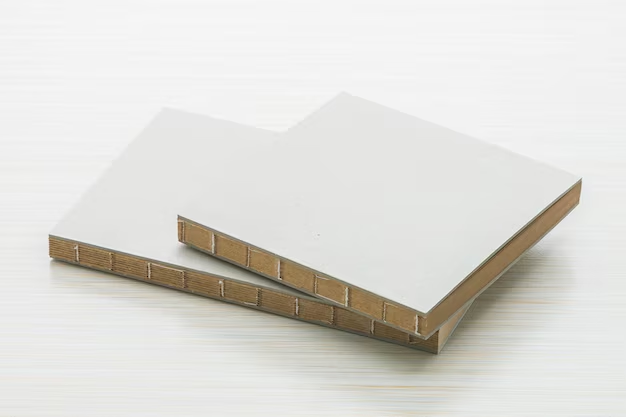
Advanced materials such as acrylic, resin, and laser-cut metal for fine detail.
What Are the Core Advantages Compared to Traditional Solutions?
| Feature / Factor | Traditional Booth Design | QZY Models Exhibition Booths |
|---|---|---|
| Visual Impact | 2D prints and LED screens | Realistic, 3D physical precision |
| Emotional Engagement | Limited interaction | Immersive, tactile brand storytelling |
| Durability | Moderate, fragile under transport | Reinforced design for global logistics |
| Setup & Maintenance | Labor-intensive | Modular and easy to assemble |
| Sustainability | Often disposable | Reusable and engineered for longevity |
| Conversion Potential | Moderate | Proven to increase lead trust and retention |
How Can Companies Use QZY Models in Five Simple Steps?
-
Consultation & Design Planning: QZY Models collaborates with your design or marketing team to define scale, materials, and concept alignment.
-
3D Modeling & Mockups: Digital modeling integrates technical drawings and color standards.
-
Fabrication & Detailing: Precision manufacturing ensures each layer meets international quality tolerance.
-
Lighting & Electronics Integration: Smart lighting systems and animations bring your brand vision to life.
-
Quality Inspection & Delivery: Every model undergoes stringent checks before being shipped safely worldwide.
Which Real-World Scenarios Show the Benefits of QZY Models?
1. Architectural Design Firms
-
Problem: Hard to convey spatial concepts in tenders.
-
Traditional Approach: Static posters and VR demos.
-
After QZY Models: Physical scale presentations helped win international competitions.
-
Key Benefit: Improved jury and investor comprehension.
2. Real Estate Developers
-
Problem: Buyers couldn’t visualize project scale.
-
Traditional Approach: Brochures and digital flythroughs.
-
After QZY Models: 1:200 scale sales gallery models boosted conversion by 35%.
-
Key Benefit: Tangible visualization accelerated purchase decisions.
3. Industrial & Engineering Exhibitors
-
Problem: Complex machinery designs misunderstood.
-
Traditional Approach: PowerPoint or AR simulation.
-
After QZY Models: Physical cutaway models highlighted technical reliability.
-
Key Benefit: Enhanced credibility among engineers and buyers.
4. Government Urban Planning Departments
-
Problem: Stakeholder engagement was low at public consultations.
-
Traditional Approach: Printed maps and slides.
-
After QZY Models: 3D urban models improved citizen participation and transparency.
-
Key Benefit: More effective planning approvals and communication.
Why Is Now the Right Time to Invest in Exhibition Booth Models?
As global competition intensifies, professional presentation standards have become a decisive factor in brand differentiation. The physical experience of an exhibition booth model bridges human perception and digital communication gaps. Early adopters like QZY Models clients enjoy measurable ROI from higher engagement rates and stronger brand perception. With sustainability, modular design, and integration with digital systems becoming priorities, booth models will define how brands visually communicate in the next decade.
FAQ
1. What materials are typically used in QZY Models’ exhibition booths?
Acrylic, resin, and precision-cut composites ensure both visual finesse and durability.
2. Can exhibition booth models integrate interactive lighting or motion features?
Yes. QZY Models offers programmable LED lighting, kinetic components, and multimedia synchronization.
3. How long does production usually take?
Project timelines range from 3 to 8 weeks, depending on complexity and scale.
4. Are models easily transported across countries?
QZY Models designs custom crates to comply with international freight standards, ensuring safety.
5. Does using physical booth models improve sales performance?
Yes. Exhibitors report lead-to-client conversions improving by up to 40% when tactile models are used.
Sources
-
Statista: Global Exhibition Market Size 2025 – https://www.statista.com
-
Freeman Global Trends Report – https://www.freeman.com
-
UFI: The Global Association of the Exhibition Industry – https://www.ufi.org
-
Exhibitor Media Group Research 2024 – https://www.exhibitoronline.com
-
Deloitte Insights: Future of B2B Marketing 2025 – https://www.deloitte.com