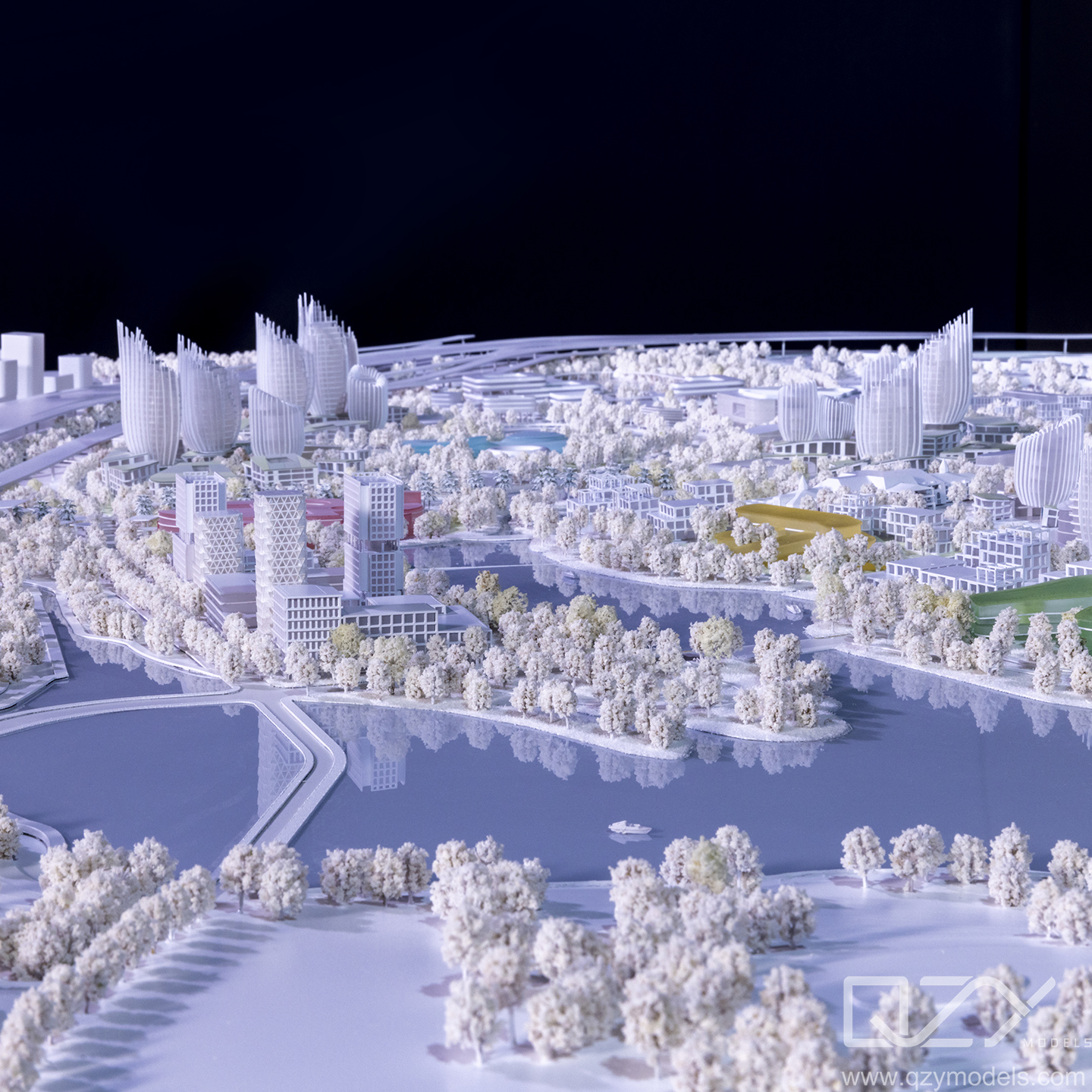
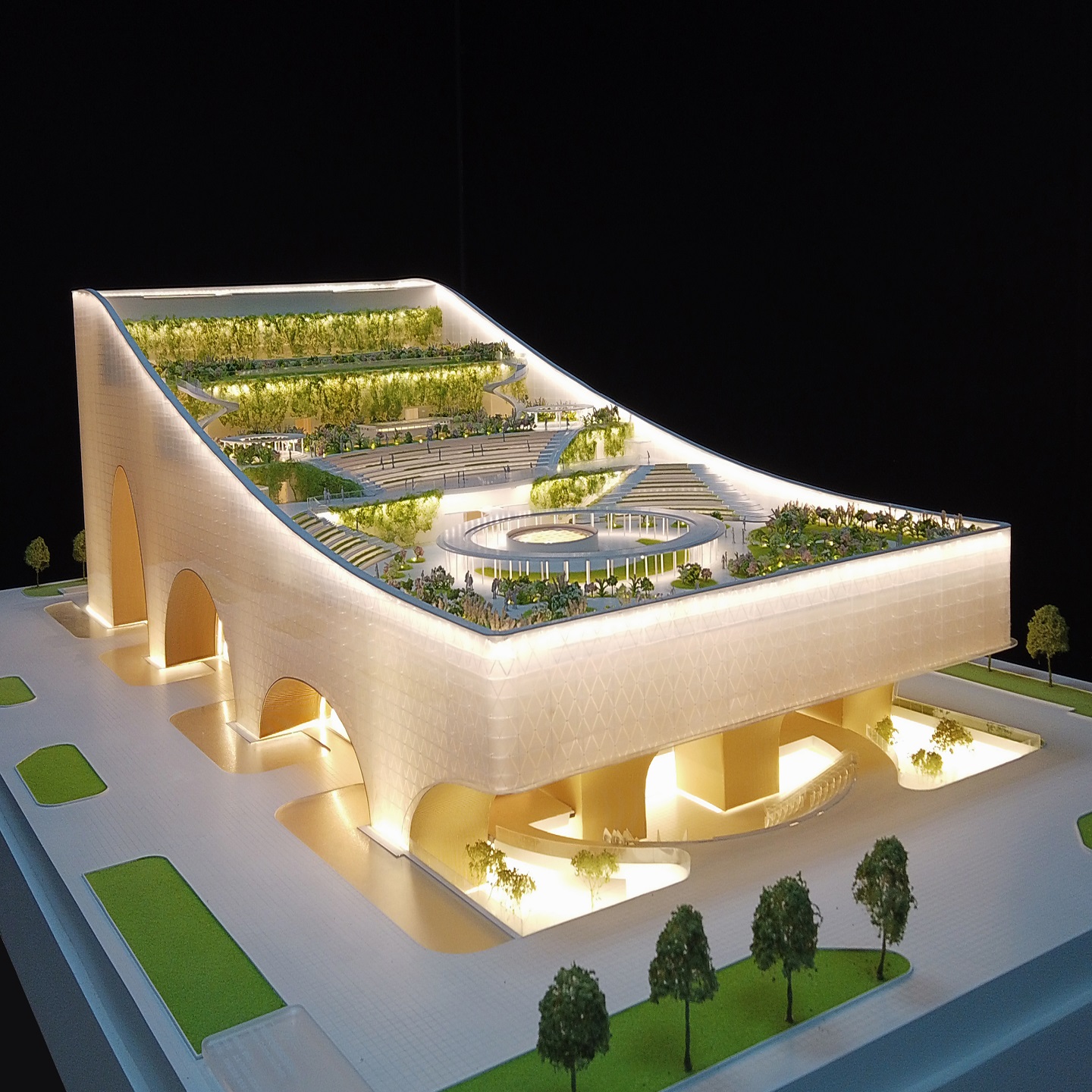
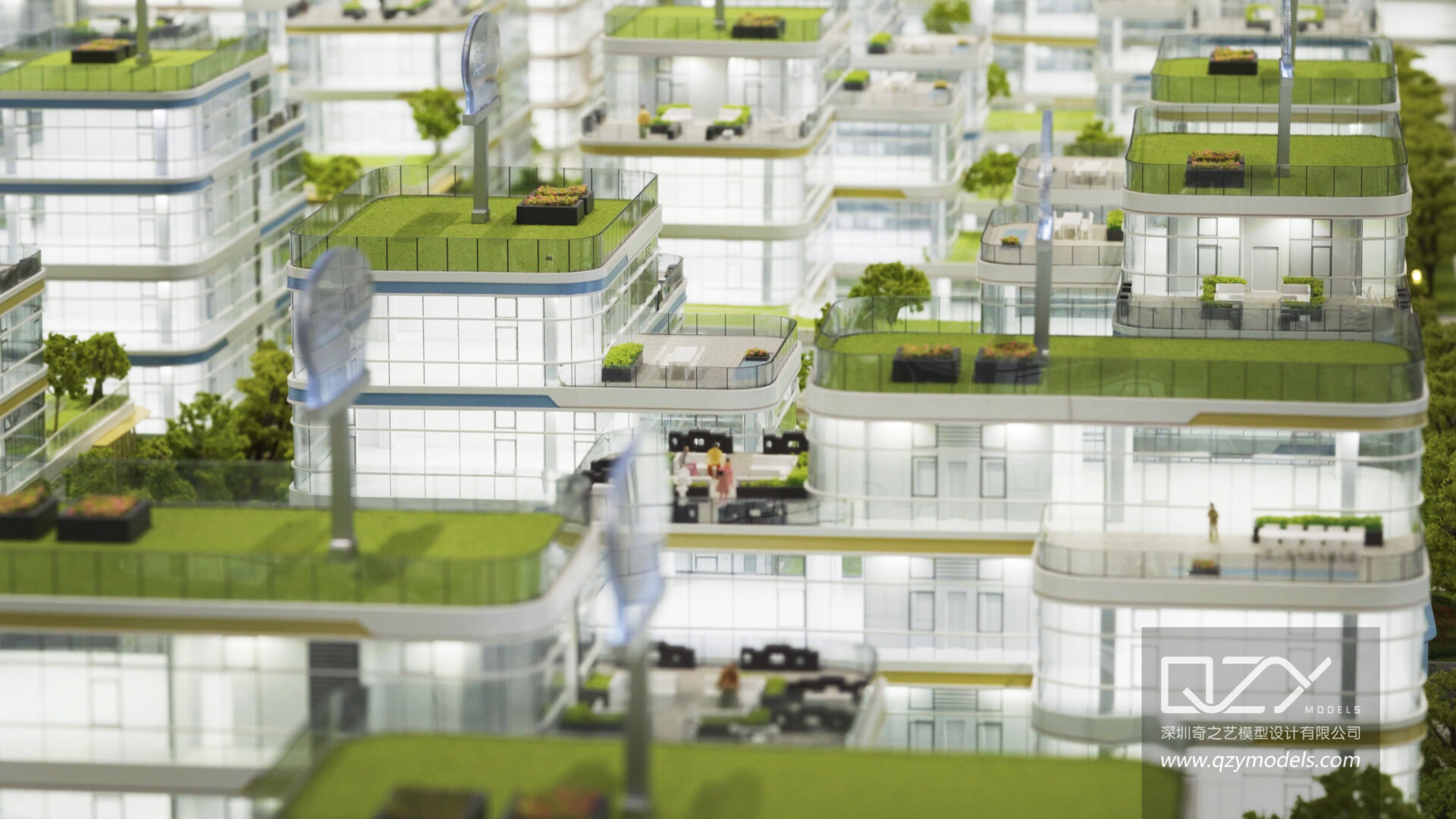
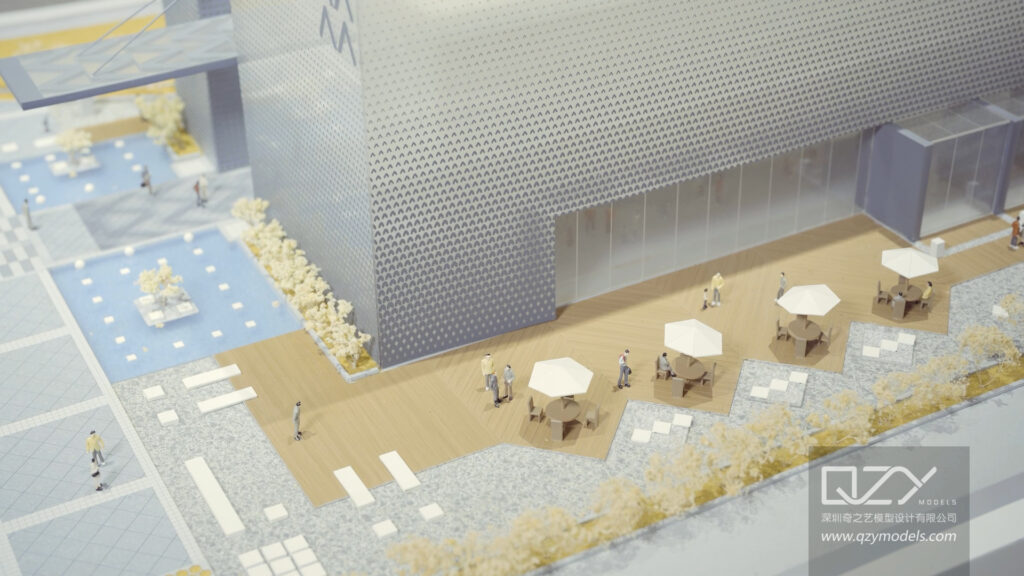
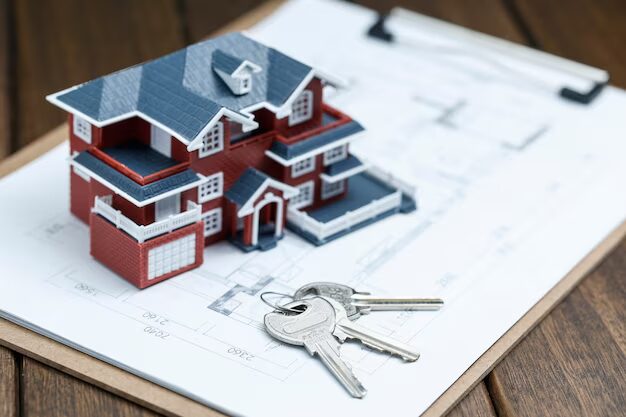
Architectural exhibitions increasingly rely on physical display models to deliver impactful visual storytelling. As digital visuals saturate the market, high-fidelity architectural models—crafted by professionals like QZY Models—offer an unmatched blend of precision, emotion, and spatial realism that drives deeper client engagement and decision-making confidence.
How Is the Architectural Exhibition Industry Evolving and What Pain Points Exist?
According to the International Union of Architects (UIA), global spending on architectural communication and presentation tools surpassed $1.8 billion in 2024, with exhibitions accounting for over 40% of that total. Yet despite this investment, many design firms struggle to convey scale, spatial relationships, and aesthetic intent accurately within limited exhibition environments. The result is miscommunication, reduced stakeholder confidence, and missed commercial opportunities.
The World Design Organization reports that 68% of architects still rely primarily on digital renderings and screens during exhibits. While visually impressive, these tools often fail to provide the tactile or spatial experience clients expect. Investors and government decision-makers frequently admit they understand designs better through physical models than through 3D visuals alone.
Additionally, the growing demand for sustainability-focused urban projects intensifies the need for clearer, more tangible communication. Cities and property developers seek realistic yet emotionally engaging ways to present projects before approval or investment. Without well-executed model displays, presentations lose impact, especially when scaling to large audiences or cross-cultural environments.
What Are the Shortcomings of Traditional Display Solutions?
Traditional solutions—such as hand-crafted foam models or simple digital renderings—often fall short in several areas.
-
Limited detail and durability: Manual models can lack precision and are prone to damage during transport or exhibition.
-
Static impressions: Non-interactive models fail to demonstrate dynamic architectural features like light, motion, or transformation.
-
Time inefficiency: Traditional craftsmanship demands long production cycles, delaying project milestones.
-
Poor scalability: Replicating models for multi-location exhibitions becomes cost-prohibitive and inconsistent in quality.
These constraints significantly affect architects and developers seeking to deliver premium presentations at international exhibitions or investor meetings.
How Does QZY Models Provide a Next-Generation Solution?
QZY Models revolutionizes architectural exhibition displays through integrated design, precision engineering, and advanced production technology. Based in Shenzhen and operating globally, QZY Models delivers end-to-end services—from concept interpretation to fabrication and installation—under one roof.
Key capabilities include:
-
High-precision digital fabrication: Use of laser cutting, 3D printing, and CNC machining to achieve micron-level accuracy.
-
Smart lighting and motion control: Integration of illumination, animation, and mechanical movement to enhance realism.
-
Custom modular display design: Portable structures that simplify transportation and booth setup.
-
Sustainable materials: Use of eco-friendly composites and recycled components aligned with global green design standards.
By combining artistic craftsmanship with industrial precision, QZY Models enables architects to present projects not just beautifully, but credibly and measurably.
What Advantages Does QZY Models Offer Compared to Traditional Options?
| Feature | Traditional Models | QZY Models Solutions |
|---|---|---|
| Production Accuracy | Manual measurements | Digitally calibrated precision |
| Turnaround Time | 4–6 weeks average | 1–3 weeks typical |
| Durability | Fragile, limited reusability | Long-lasting, transport-safe design |
| Interactivity | Static display only | Integrated lighting, kinetic motion, AR compatibility |
| Cost Efficiency | High labor overhead | Optimized through digital workflow |
| Sustainability | Limited eco control | Certified use of recycled and green materials |
How Can Clients Implement a QZY Models Display Project?
-
Consultation & Design Brief: Clients share project blueprints, presentation goals, and target audience insights.
-
3D Digital Modeling: QZY Models’ design team converts architectural files into high-resolution 3D data optimized for physical fabrication.
-
Model Fabrication: Automated CNC and 3D printing technologies produce detailed components under strict quality control.
-
Assembly & Finishing: Skilled artisans complete detailing, painting, and integration of lighting or movement features.
-
Delivery & Installation: The completed model is securely packaged, shipped, and optionally installed at exhibition venues globally.
Which Real-World Scenarios Prove the Impact of QZY Models?
Case 1: Urban Planning Exhibition (Government Agency)
-
Problem: Audiences struggled to visualize long-term city development phases.
-
Traditional approach: 2D blueprints and slides led to confusion.
-
Result with QZY Models: A 1:500 scale illuminated model clearly demonstrated zoning transitions; improved public approval rate by 42%.
-
Key benefit: Enhanced stakeholder engagement in planning discussions.
Case 2: Real Estate Launch (Developer – Vanke)
-
Problem: Investors needed a dynamic showcase for mixed-use development.
-
Traditional approach: Static model failed to reflect building lighting and landscape synergy.
-
Result with QZY Models: Interactive model with timed lighting control; bookings increased 35% during exhibition.
-
Key benefit: Elevated brand image and investor confidence.
Case 3: Architectural Expo (Foster + Partners Collaboration)
-
Problem: Needed to highlight complex curvilinear form.
-
Traditional approach: Scaled-down model oversimplified curvature and textures.
-
Result with QZY Models: 3D-printed composite structure accurately replicated façade curvature.
-
Key benefit: Received international media coverage, positioning client as a design innovator.
Case 4: Educational Exhibition (Design School)
-
Problem: Students lacked understanding of structural systems.
-
Traditional approach: Digital simulations only showed surface details.
-
Result with QZY Models: Transparent sectional model allowed detailed exploration.
-
Key benefit: Improved learning outcomes and academic presentation quality.
Why Is Now the Best Time to Invest in Professional Display Models?
The architectural display industry is shifting toward experiential presentation. As more global exhibitions resume post-pandemic, demand for tangible, interactive physical models is rising rapidly. By investing in professional partners like QZY Models, architects, developers, and institutions can future-proof their communication strategies—bridging the gap between technical data and emotional storytelling.
QZY Models’ precision-driven approach positions brands to present their architectural vision with confidence, clarity, and measurable impact—turning design intent into physical reality.
FAQ
What materials are commonly used in QZY Models’ architectural displays?
They employ a mix of acrylic, wood, resin, ABS, glass fiber, and sustainable composites for durability and realism.
How long does it typically take to produce a standard exhibition model?
Production duration ranges from one to three weeks depending on complexity and technology involved.
Can QZY Models handle international projects and installations?
Yes, their team operates globally, with branches across the UAE, Egypt, and Saudi Arabia, offering on-site installation support.
Does QZY Models support custom lighting or smart controls?
Absolutely. Lighting systems, movement mechanisms, and even AR integration can be tailored to client needs.
Is QZY Models suitable for smaller-scale educational or concept models?
Yes, they deliver models of all sizes, from tabletop learning prototypes to full-scale exhibition centerpieces.