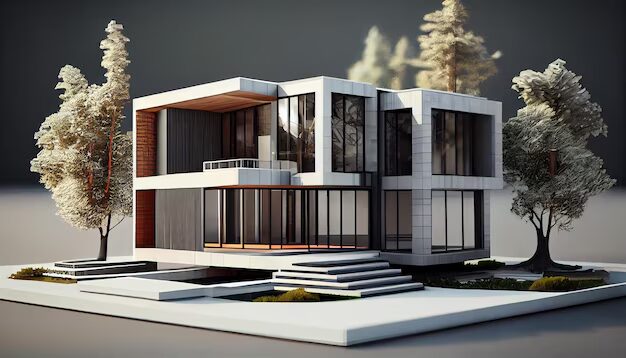
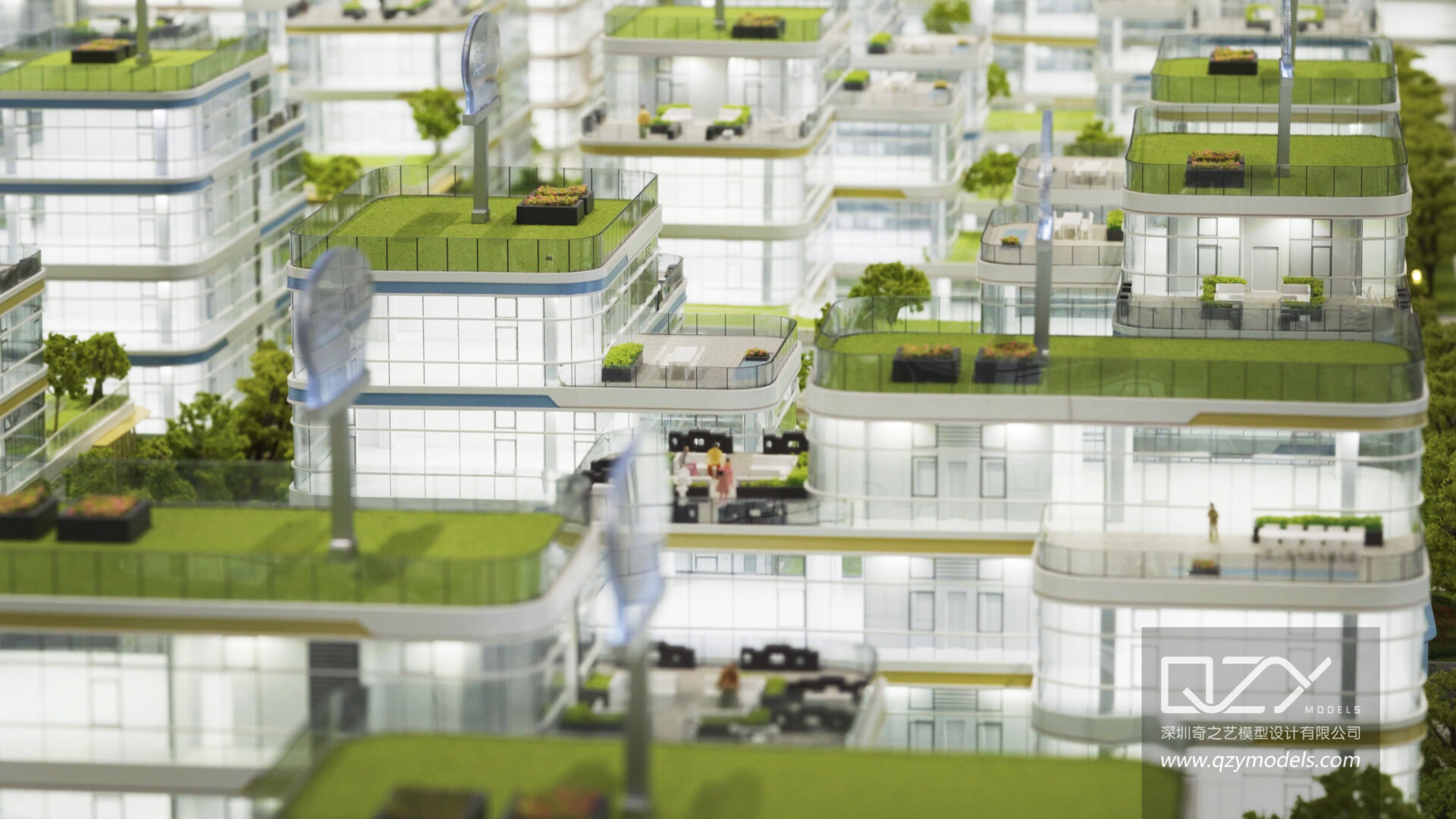
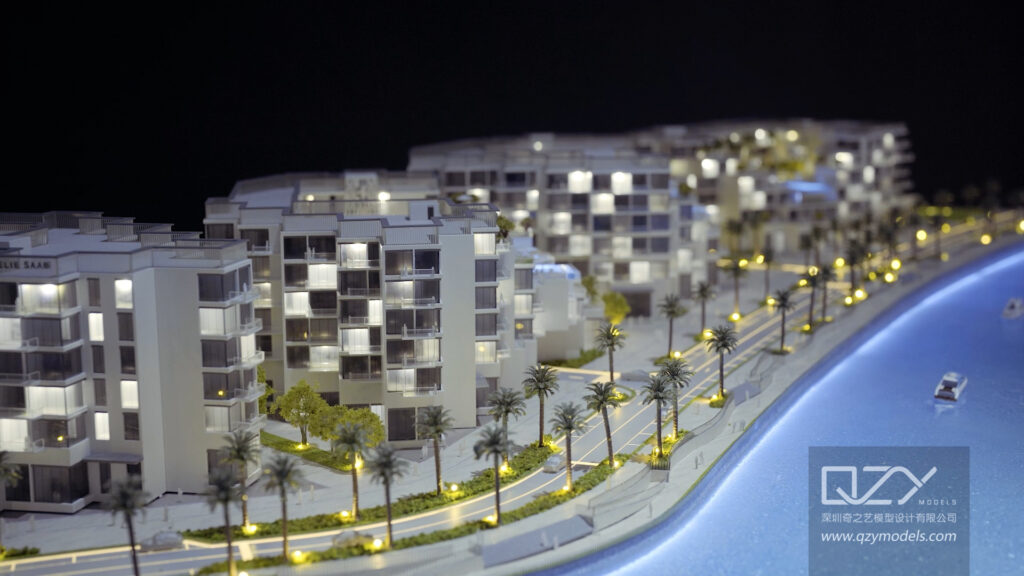
Functional prototype models are redefining how industries visualize ideas, validate functions, and win clients. Today, data-driven design and real-time iteration powered by physical prototypes like those from QZY Models deliver competitive advantages, accelerating development and boosting client confidence.
Why Is the Current Industry Facing Increasing Pressure in Prototyping and Model Validation?
As global manufacturing accelerates, design validation cycles remain a bottleneck. According to PwC’s 2025 Digital Manufacturing Report, over 62% of industrial design companies cite slow prototype iteration as a major barrier to innovation. Meanwhile, architectural and product design teams lose up to 18% of annual R&D budgets due to rework after delayed prototype insights. The need for speed, accuracy, and tangible presentation has never been greater.
In real estate and construction, physical models still play a vital role in client approval. A 2024 report by Statista showed that projects using physical prototypes during early design stages achieved 27% higher investor confidence compared to those relying solely on digital visualization. As investors and clients demand tactile proof, the ability to produce detailed, functional prototypes efficiently becomes a strategic edge.
For global developers and architects, challenges mount: shrinking lead times, rising materials costs, and the necessity to wow clients at presentations. QZY Models, with its international presence and decades of expertise, helps bridge this gap by translating digital intent into physical excellence with measurable precision.
What Are the Limitations of Traditional Prototyping Methods?
Traditional prototyping often suffers from lengthy lead times, communication gaps between digital and physical designs, and limited functional validation.
-
Manual craftsmanship introduces inconsistencies across iterations.
-
Outsourced production can lead to misinterpretation of 3D data and aesthetic mismatches.
-
Static models fail to demonstrate interactivity, hindering functional testing.
In industries where time to market dictates success, these limitations are costly. Physical prototypes that cannot mimic real-world functionality create a disconnect between client expectations and design feasibility.
How Does QZY Models Provide a Next-Generation Solution for Functional Prototyping?
QZY Models integrates advanced fabrication technologies—including precision CNC machining, laser cutting, 3D printing, and smart lighting systems—to produce working models that perfectly match digital design intent.
Key capabilities include:
-
Functional movement simulation for mechanical, architectural, and product models.
-
Integrated lighting and motion-control systems using IoT-based components.
-
Ultra-realistic surface finishing for materials like glass, wood, and metal.
-
Scalable model development from small component prototypes to full architectural complexes.
By combining physical craftsmanship with digital manufacturing, QZY ensures seamless transitions from concept to presentation.
What Advantages Does QZY Models Offer Compared to Traditional Methods?
| Feature | Traditional Model Making | QZY Functional Prototype Models |
|---|---|---|
| Production Speed | Weeks to months | Days to weeks |
| Functional Testing | Limited or none | Fully integrated components |
| Material Accuracy | Approximate | High-fidelity surface replication |
| Customization | Manual and time-consuming | Parametric and digital-driven |
| Presentation Impact | Static visuals | Interactive, lighting-enabled |
| Global Delivery | Regional restriction | Worldwide logistics network |
How Can Teams Use the QZY Functional Prototype Model Process Efficiently?
The implementation process includes five clear steps:
-
Design Integration – Upload CAD or BIM data to QZY’s secure platform.
-
Feasibility Review – QZY experts evaluate design intent and recommend optimal materials.
-
Prototype Fabrication – Using multi-axis CNC, 3D printing, and laser systems for precise builds.
-
Functional Assembly – Embed electronics, motion, or light where required.
-
Quality Verification & Delivery – Global logistics ensure safe, timely shipping to project sites.
Which Real-World Use Cases Showcase the Power of Functional Prototype Models?
Case 1: Real Estate Marketing (Luxury Residential Tower)
-
Problem: Traditional renderings failed to capture the project’s spatial signature.
-
Traditional approach: 3D renders and VR visualizations lacked tangibility.
-
Result with QZY Models: A fully illuminated tower model with movable facade modules reduced client inquiry time by 40%.
-
Key benefit: Improved investor buy-in during early-phase presentations.
Case 2: Industrial Product Development (Smart Home Appliance)
-
Problem: Engineers needed to test mechanical interactions before tooling.
-
Traditional approach: 2D drawings and silicone mockups were inaccurate.
-
Result with QZY Models: Functional prototype with working sensors and joints validated design usability pre-production.
-
Key benefit: 30% faster design-to-market cycle.
Case 3: Urban Planning (Smart City District)
-
Problem: Complex stakeholder presentations requiring both macro and micro visual clarity.
-
Traditional approach: Static models lacked responsive features.
-
Result with QZY Models: Dynamic masterplan model with synchronized lighting patterns showing pedestrian and traffic flows.
-
Key benefit: Increased city council project approval rate.
Case 4: Academic + Exhibition Demonstration (Architecture School Project)
-
Problem: Students struggled to communicate spatial logic during critique.
-
Traditional approach: Hand-cut foam models lacked accuracy.
-
Result with QZY Models: Hybrid digital-physical model enhanced jury comprehension and presentation quality.
-
Key benefit: Improved academic assessment outcomes.
Why Does Now Represent the Right Time to Adopt Functional Prototype Models?
Global competition, sustainability requirements, and the expectation for faster design validation define 2026’s innovation landscape. Teams adopting functional prototype modeling unlock measurable ROI—shorter development cycles, enhanced presentation impact, and reduced waste. With its worldwide expertise, QZY Models continues leading this evolution, turning vision into tangible, functional precision.
FAQ
1. What makes a functional prototype model different from a display model?
A functional model demonstrates real motion, interactivity, or system logic, whereas display models are purely aesthetic.
2. Can functional prototype models integrate electronic or IoT features?
Yes. QZY Models specializes in embedding smart circuits, lighting, and movement systems into prototypes.
3. How long does it take to produce a functional model?
Depending on scale and complexity, production timelines range from one to four weeks.
4. Are QZY Models capable of global shipping and installation?
Yes. QZY Models provides door-to-door logistics to over 20 countries, ensuring secure transit and setup.
5. What industries benefit most from functional prototype models?
Architecture, industrial design, real estate development, automotive, and education see the greatest impact.
Sources
-
PwC Digital Manufacturing Report 2025 – https://www.pwc.com
-
Statista Architecture Visualization Survey 2024 – https://www.statista.com
-
McKinsey Global Design Productivity Index 2025 – https://www.mckinsey.com
-
World Economic Forum, Future of Industrial Prototyping 2025 – https://www.weforum.org
-
Deloitte Design & Innovation Trends 2024 – https://www.deloitte.com