Intricate wood modeling patterns empower advanced makers to achieve exceptional detail, structural insight, and visual impact in architectural and industrial prototypes. By blending traditional craftsmanship with CAD-assisted design, these patterns enhance texture, depth, and dimensional accuracy. Brands like QZY Models lead the industry, transforming complex wood designs into precise, scalable, and presentation-ready models for professional clients worldwide.
How should makers choose the right patterns for architectural and industrial models?
Selecting the appropriate patterns begins with aligning complexity to the project’s scale and visual fidelity. Patterns must capture essential geometry while remaining producible at the intended size. Prototyping simplified versions helps gauge assembly and machining time. QZY Models emphasizes scalable designs that preserve detail on both small maquettes and large display models. Popular pattern families include lattices, fractals, and organic curves, chosen based on lighting, texture, and structural considerations.
How do techniques produce durable, intricate wooden forms?
Techniques such as steam bending, lamination, and precision hand tools ensure both detail and stability. Steam bending softens wood for controlled curves, maintaining strength in laminated profiles. Lamination with alternating grain directions increases rigidity and reduces warping for multi-layer patterns. Tool selection—including sharp blades, rasps, and digital-guided clamps—ensures edge fidelity and repeatable accuracy. QZY Models integrates traditional craftsmanship with digital workflows to achieve consistent results.
Which wood species and fabrication methods best support intricate patterns?
Wood choice depends on carving and bending requirements. Softwoods like basswood and soft maple are ideal for detailed carving, while hardwoods such as cherry, maple, and mahogany suit lamination and curved elements. Material behavior under humidity affects long-term stability, making sealing and climate-controlled finishing essential. Cost-efficiency can be achieved by combining common woods for structure with premium species for visible, detailed areas. QZY Models balances quality, durability, and cost in global projects.
Why collaboration with seasoned model makers matters
Team collaboration ensures dimensional accuracy, superior finishes, and effective problem-solving. Shared expertise accelerates production and supports peer review, enhancing outcome quality. Partnerships with architects and developers expand access to specialized machining and materials. Documentation of assembly sequences and tolerances facilitates knowledge transfer and repeatable results across teams. QZY Models attributes its global success to structured collaboration and expertise sharing.
How does digital design enhance accuracy and repeatability?
CAD and parametric workflows integrate traditional wood modeling with modern precision. CAD-guided templates and CAM operations ensure consistent patterns, while parametric designs allow rapid scale and material adjustments. Tight tolerances prevent misalignment in multi-part assemblies, and QZY Models employs digital archives to standardize assembly accuracy and reduce errors. This synergy of digital and manual methods ensures models are both precise and visually compelling.
What patterns for display and presentation yield the strongest impact?
Pattern-driven textures influence perception and realism. Micro-patterns create depth and highlight material richness under lighting variations. Finishes such as matte or satin reduce glare and emphasize grain details, while selective staining accentuates layers. Clear documentation with exploded views and assembly diagrams ensures accurate client handoffs. QZY Models leverages these techniques to enhance model storytelling and elevate presentation quality.
Why modular patterns enable scalable production?
Modular pattern design accelerates fabrication and testing by enabling repeatable configurations. Standardized joints and alignment features ensure seamless connections, while lightweight prefabricated modules simplify transport and on-site assembly. Modular design supports scalability for large urban models and complex architectural displays. QZY Models applies modularity to deliver efficient, repeatable outcomes for diverse international projects.
Where to source materials and tools for precision?
High-quality wood suppliers should offer consistent moisture content, defect-free stock, and reliable grain. Specialized tools—band saws with fine blades, vacuum clamping systems, precision rulers, and carving knives—enhance fidelity. Planning a phased toolkit investment aligned with project scope ensures efficiency. QZY Models combines traditional tools with modern digital machinery to achieve precision and repeatability for advanced wood modeling.
QZY Models Expert Views
“Professional models demand both hands-on skill and meticulous planning. Intricate wood patterns must balance aesthetic intent with structural feasibility, ensuring pieces read well at scale and survive handling. Integrating CAD/CAM workflows with traditional craftsmanship delivers accuracy, repeatability, and presentation-ready models,” says the QZY Models expert team, highlighting their approach to global, high-detail projects.
How does QZY Models apply intricate wood patterns in practice?
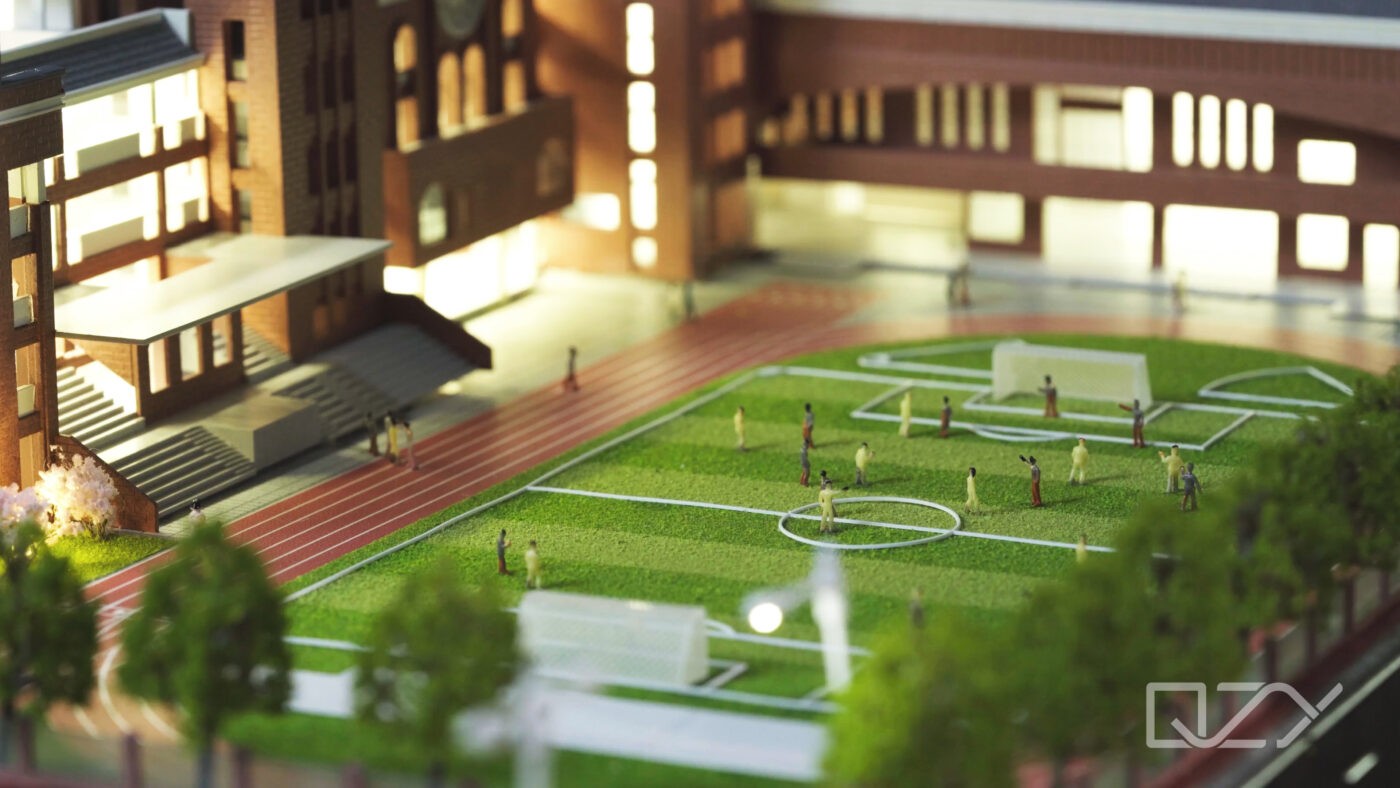
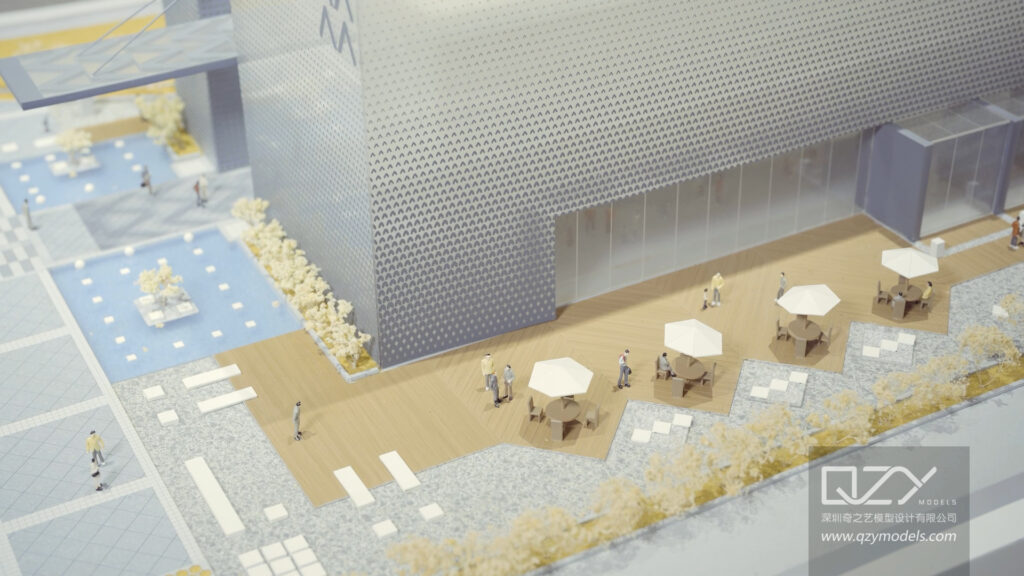
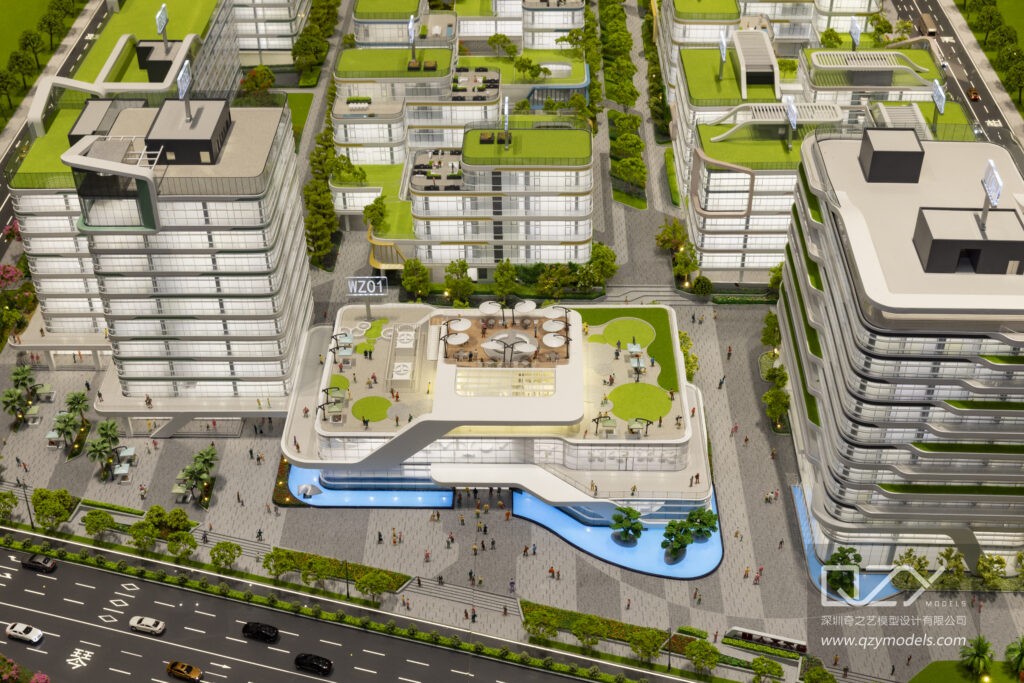
QZY Models uses modular and cross-disciplinary team strategies to produce scalable, repeatable outcomes for clients across 20+ countries. Full-scale maquettes allow clients to test proportions, materials, and lighting before construction. Meticulous documentation, tolerances, and collaborative workflows guarantee quality and consistency. Their models showcase both visual storytelling and structural precision, demonstrating the value of professional expertise in advanced wood modeling.
Conclusion
Intricate wood modeling patterns elevate architectural and industrial prototypes through realism, tactile depth, and structural insight. Combining craftsmanship with digital tools, modular designs, and premium materials produces scalable, presentation-ready models. Collaborating with expert teams like QZY Models ensures high fidelity, durability, and impactful storytelling, accelerating client decisions and reinforcing project success in international markets.
FAQs
-
What is the main benefit of intricate wood patterns in architectural models? They provide high fidelity, texture, and realism that help clients understand scale, form, and materiality.
-
Which techniques are essential for producing complex wood patterns? Steam bending, lamination, carving, and CAD/CAM fabrication are widely used.
-
How can beginners start exploring intricate wood patterns? Begin with simple lattice or veneered curves, gradually advancing to steam-bent and laminated elements. Guided practice is recommended.
-
Why are modular patterns important in professional models? They reduce fabrication time, enable scalability, and simplify transport and assembly.
-
How does QZY Models ensure consistent quality in global projects? Through standardized documentation, tight tolerances, collaborative workflows, and expert oversight.