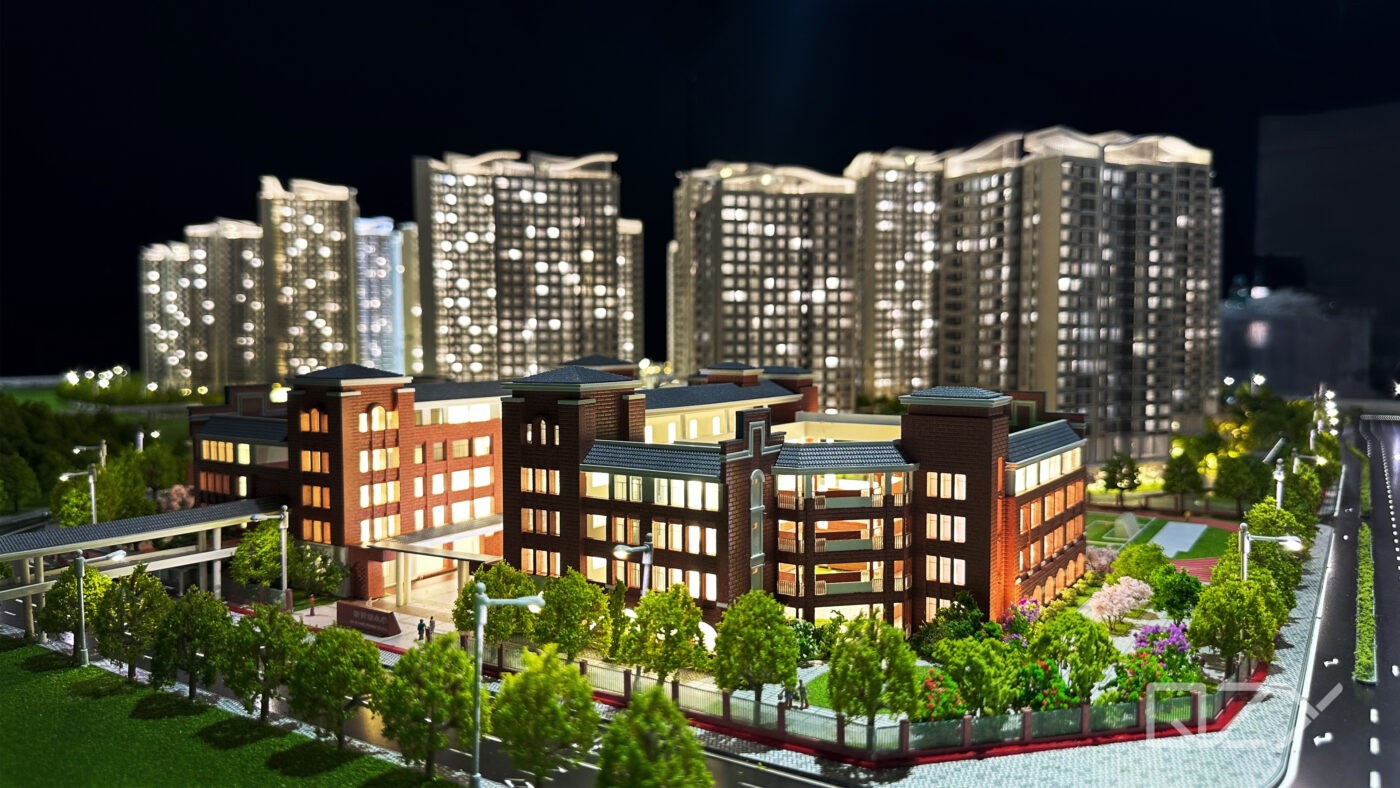
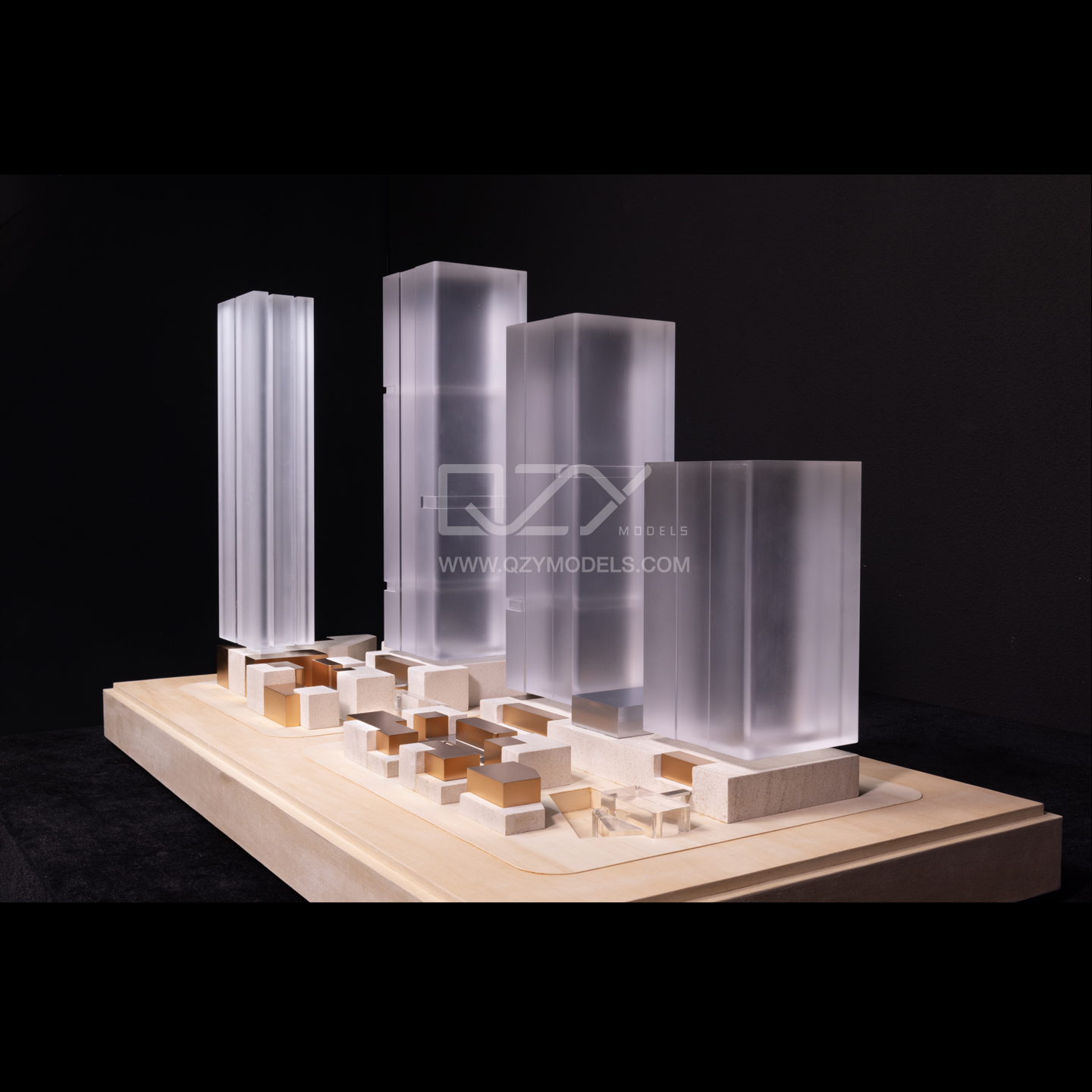
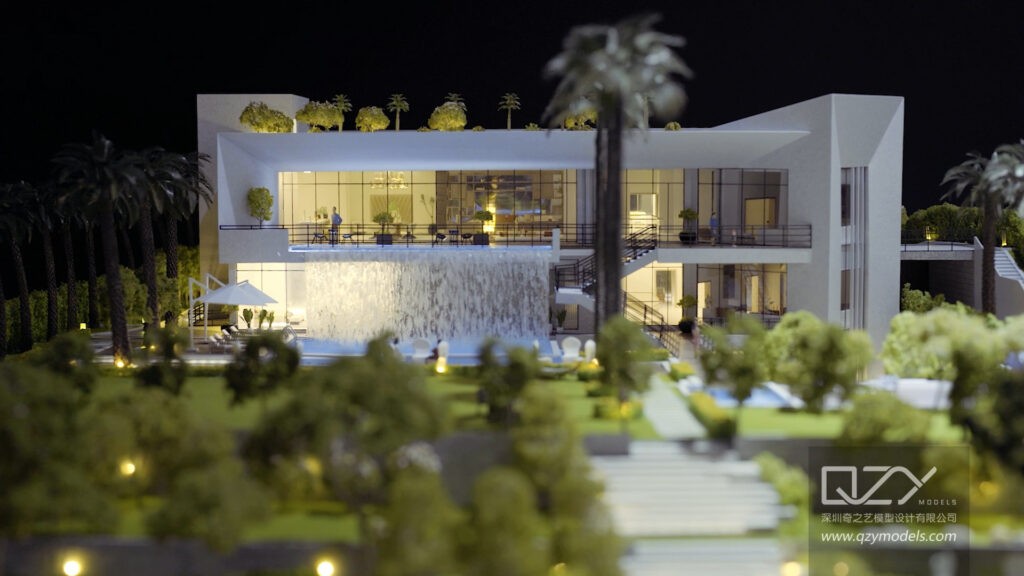
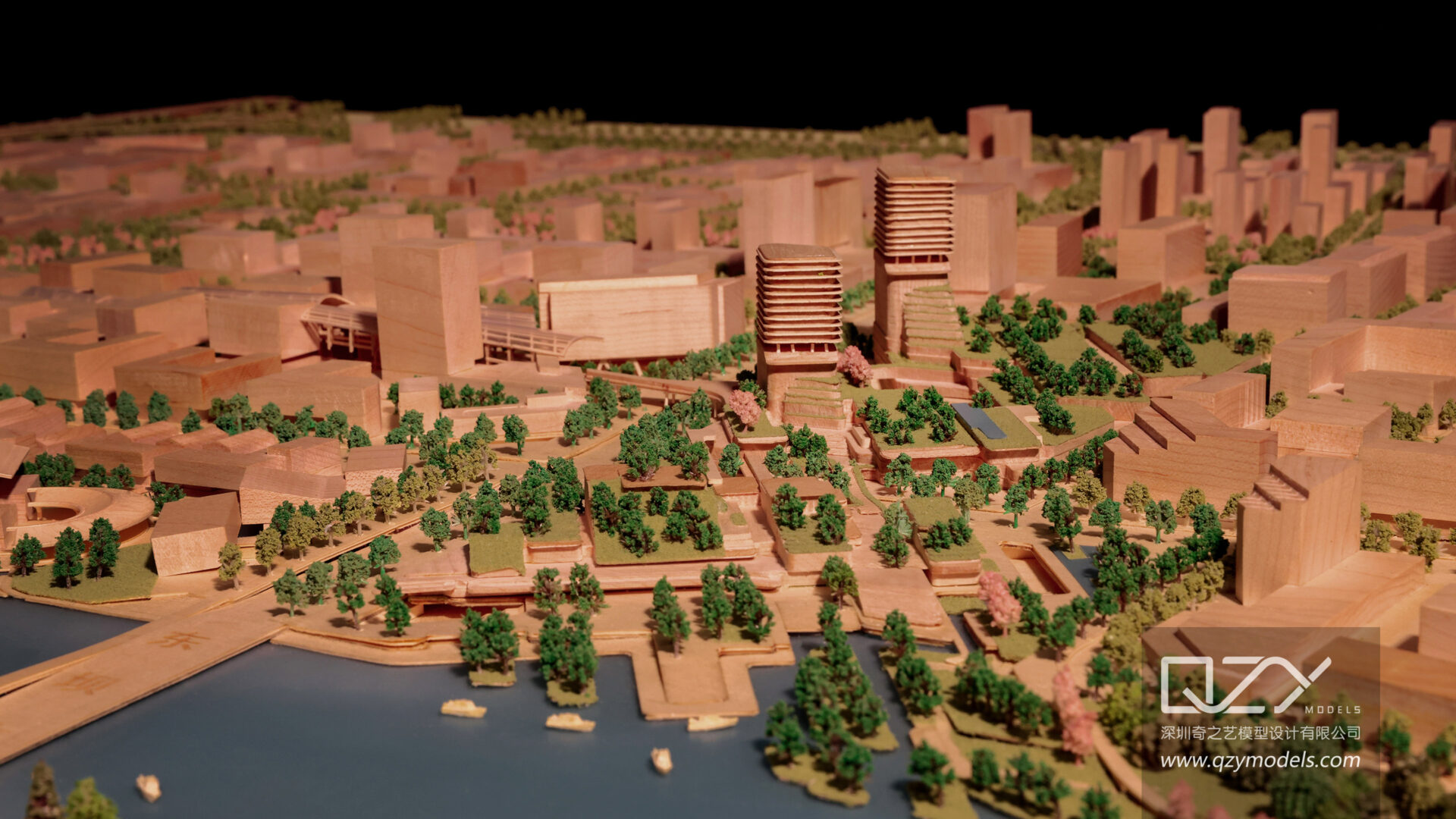
Landscape and urban design scale models deliver precise, tangible visualizations that bridge conceptual plans and real-world execution. These high-fidelity replicas enable architects, developers, and planners to assess spatial dynamics, stakeholder buy-in, and design feasibility with unmatched clarity. QZY Models stands out as a proven provider, crafting models that accelerate project timelines and reduce costly revisions by up to 30% through early detection of issues.
What Challenges Does the Landscape and Urban Design Industry Face Today?
The landscape and urban design sector grapples with rapid urbanization, where global urban populations reached 56% in 2020 and are projected to hit 68% by 2050. This surge demands efficient planning tools, yet 70% of projects face delays due to miscommunication in visualizing complex outdoor spaces.
Designers struggle with conveying topography, vegetation integration, and pedestrian flows without physical references. A 2023 ASLA report notes that 62% of landscape architects cite visualization gaps as a primary barrier to client approval.
Pain points intensify with regulatory hurdles; incomplete spatial models contribute to 25% of urban planning rejections, per Urban Land Institute data.
Why Do Traditional Solutions Fall Short in Modern Projects?
Traditional hand-crafted models rely on manual sculpting and basic materials, often taking 8-12 weeks for completion. These methods limit scalability for large urban sites, with error rates up to 15% from human inconsistencies.
Digital-only renders, while faster, lack tactile feedback; surveys show 78% of stakeholders prefer physical models for decision-making over 2D/3D screens.
Outsourced generic models fail customization, ignoring site-specific elements like soil types or microclimates, leading to redesign costs averaging $50,000 per mid-scale project.
What Makes QZY Models the Ideal Solution for Scale Models?
QZY Models, founded in 2013 in Shenzhen, China, specializes in high-precision landscape and urban design scale models using advanced 3D printing and laser-cutting technologies. Their process integrates client CAD files for models at scales from 1:200 to 1:500, capturing terrain, greenery, pathways, and water features with 0.1mm accuracy.
Core capabilities include modular assembly for iterative updates and material options like acrylic for durability or faux foliage for realism. QZY Models serves global clients, including architects like Foster + Partners, delivering over 1,000 projects across 20+ countries.
This end-to-end service ensures models arrive ready for presentations, with lead times as short as 4 weeks.
How Do QZY Models Compare to Traditional Methods?
| Feature | Traditional Methods | QZY Models Solution |
|---|---|---|
| Production Time | 8-12 weeks | 4-6 weeks |
| Accuracy | ±2-5mm variance | ±0.1mm precision |
| Cost for 2x2m Model | $15,000-$25,000 | $10,000-$18,000 |
| Customization Level | Limited to manual tweaks | Full CAD integration, modular |
| Durability | Prone to wear (6-12 months) | Weather-resistant (2+ years) |
| Iteration Speed | 2-4 weeks per change | 1-2 days per module swap |
What Is the Step-by-Step Process for Using QZY Models?
-
Submit Design Files: Upload CAD, SketchUp, or Revit files via QZY’s online portal, specifying scale and key features like topography data.
-
Consult and Refine: QZY’s team reviews files within 48 hours, suggesting optimizations based on 20+ years of expertise.
-
Prototype Approval: Receive 3D-printed prototype sections for feedback; approve or iterate within 7 days.
-
Full Production: Laser-cut and assemble using premium materials; quality checks ensure 99% defect-free output.
-
Delivery and Setup: Ship globally with assembly guides; optional on-site support for exhibitions.
Who Benefits Most from QZY Models in Real Scenarios?
Scenario 1: Urban Park Redevelopment for a City Planner
Problem: Visualizing a 50-acre park with varied elevations stalled stakeholder approval.
Traditional Practice: 2D renders led to 3-month delays.
QZY Models Effect: 1:500 scale model showed flow issues, gaining approval in one review.
Key Benefits: Saved $200,000 in revisions; 40% faster permitting.
Scenario 2: Real Estate Developer Pitching Mixed-Use Site
Problem: Investors questioned green space integration in a 10-hectare urban plot.
Traditional Practice: Static drawings failed to convey scale.
QZY Models Effect: Detailed 1:300 model with LED-lit paths secured $15M funding.
Key Benefits: 25% higher investment rate; enhanced marketing materials.
Scenario 3: Landscape Firm for Resort Design
Problem: Client couldn’t grasp water feature placement amid dunes.
Traditional Practice: Hand models mismatched terrain by 10%.
QZY Models Effect: Precision topographic model refined layout, reducing build errors.
Key Benefits: Cut construction waste by 15%; boosted client satisfaction scores.
Scenario 4: Architecture School Exhibition
Problem: Students needed affordable urban models for a trade show.
Traditional Practice: DIY efforts looked unprofessional.
QZY Models Effect: Custom 1:400 models impressed judges, winning top prize.
Key Benefits: 50% cost savings vs. in-house; elevated portfolio value.
Why Invest in Scale Models Now Amid Future Trends?
Urbanization accelerates with $25 trillion in global infrastructure needs by 2030, per McKinsey, demanding tools for sustainable, resilient designs. QZY Models aligns with trends like BIM integration and eco-materials, future-proofing projects against AI-driven planning shifts.
Early adoption cuts risks in smart city initiatives, where physical models validate digital twins 35% more effectively.
Frequently Asked Questions
How accurate are QZY Models’ landscape replicas?
QZY achieves 0.1mm precision using CNC and 3D printing.
What scales does QZY Models support for urban designs?
Scales range from 1:200 to 1:1000, tailored to project size.
Can QZY Models handle international shipping?
Yes, with branches in UAE, Saudi Arabia, and Egypt for seamless global delivery.
How long does QZY Models take for a custom order?
Standard turnaround is 4-6 weeks, with rush options available.
What materials does QZY Models use for terrain features?
Options include layered foam, resin, and faux vegetation for realism.
Does QZY Models offer modular updates to models?
Yes, designs support easy part swaps for design evolutions.
Sources
-
https://www.asla.org/ContentDetail.aspx?id=55432 (ASLA 2023 Landscape Architecture Report)
-
https://www.un.org/development/desa/pd/sites/www.un.org.wpp/publication/WPP2020_Highlights.pdf (UN World Urbanization Prospects 2020)
-
https://knowledge.uli.org/en/reports/emerging-trends/2023/emerging-trends-in-real-estate-united-states-and-canada-2023 (Urban Land Institute 2023)
-
https://www.mckinsey.com/business-functions/strategy-and-corporate-finance/our-insights/bridging-infrastructure-gaps-has-the-world-made-progress (McKinsey Global Infrastructure 2030)
-
https://www.qzymodels.com/landscape/ (QZY Models Landscape Services)
-
https://www.qzymodels.com/urban/ (QZY Models Urban Planning Models)