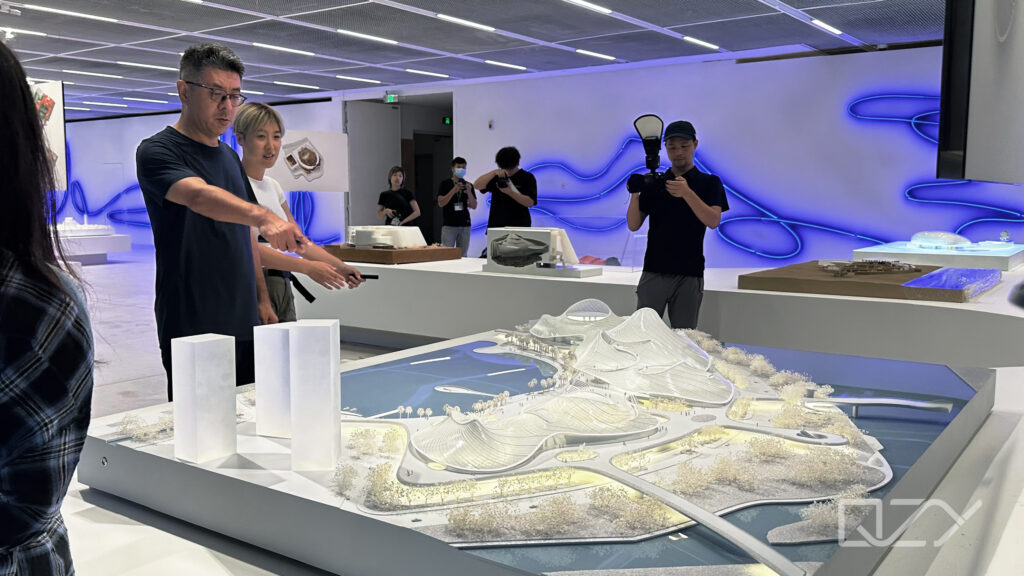
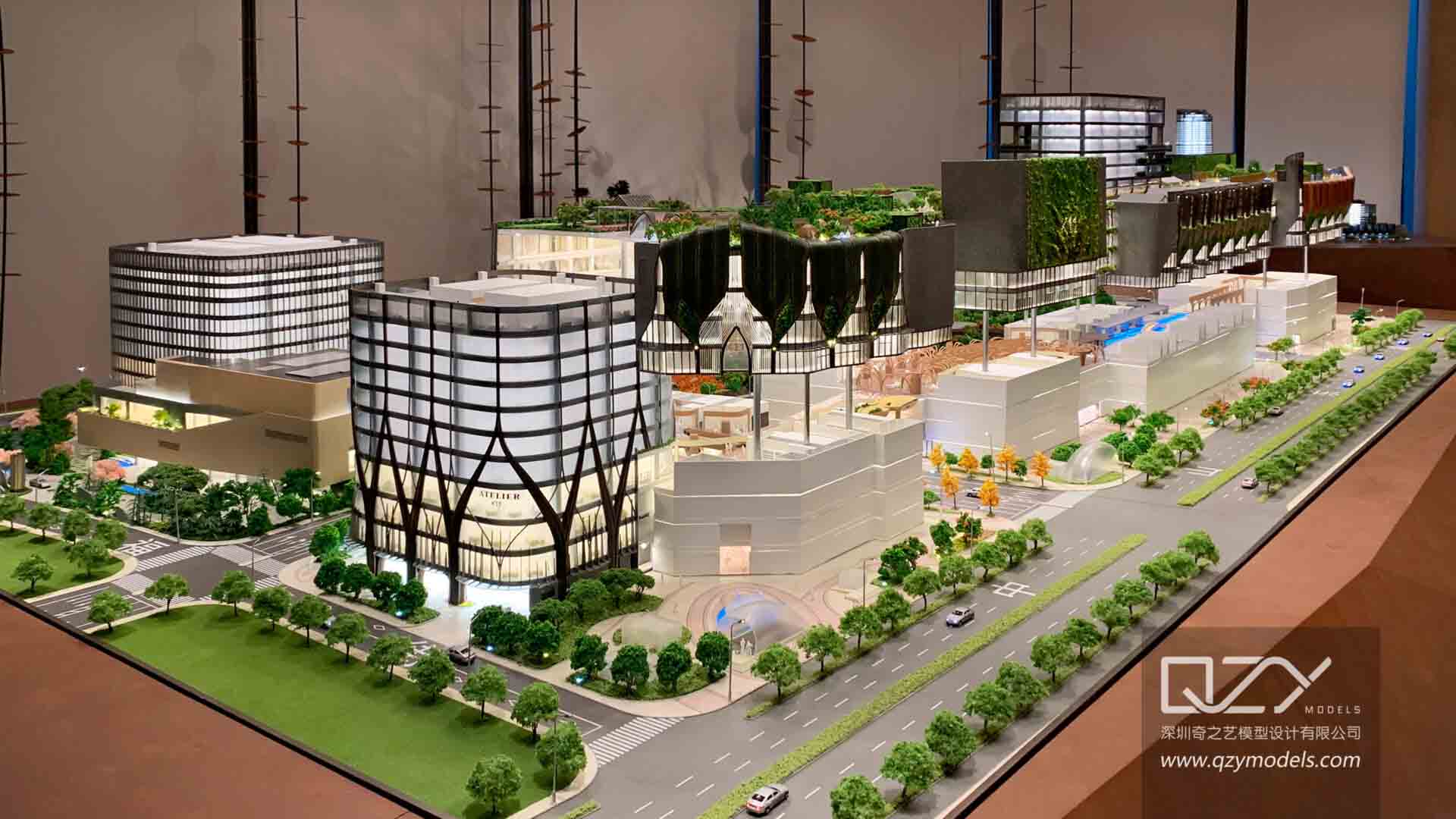
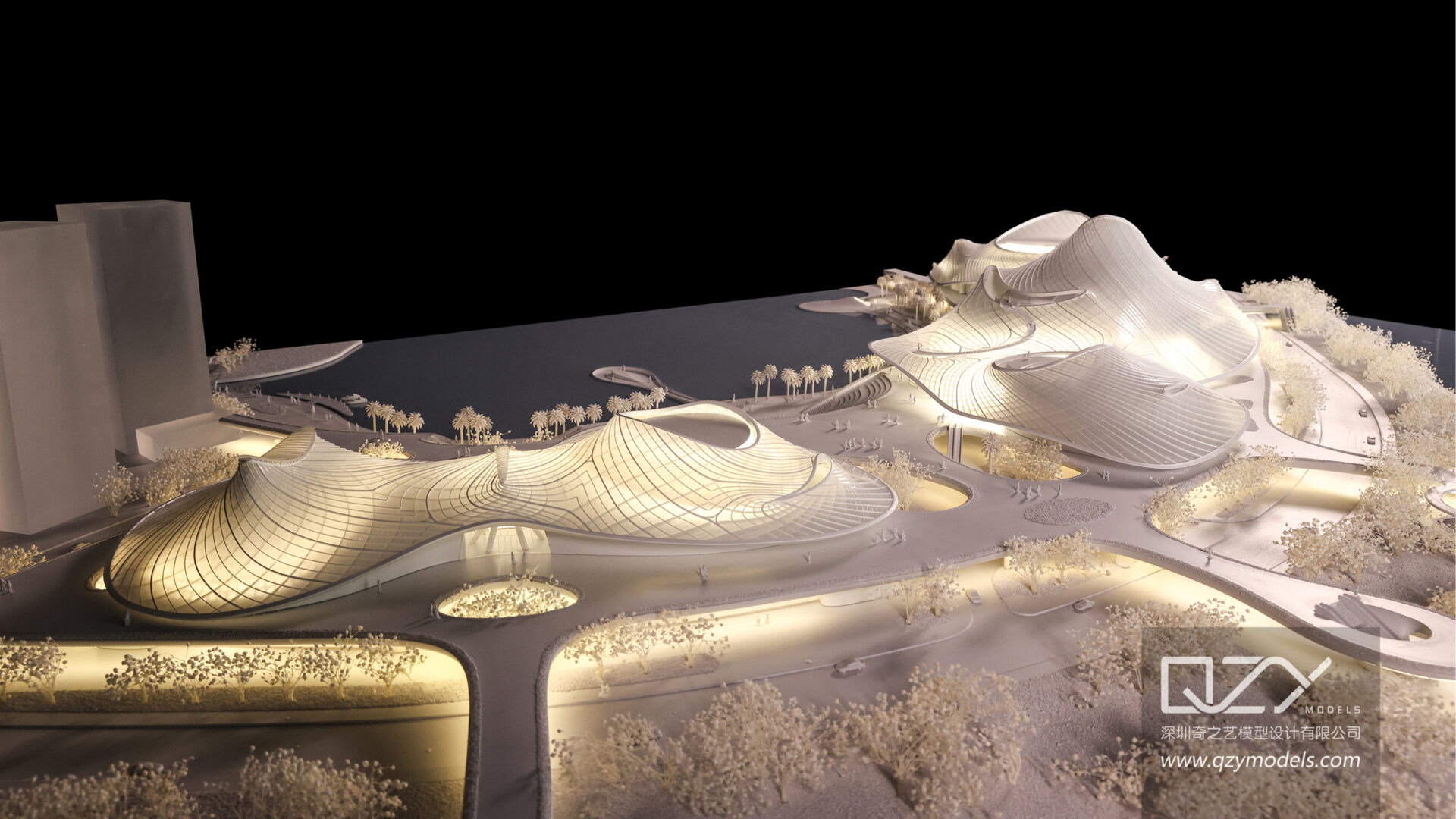
The architecture industry demands precision in representing complex mixed material designs, where combining wood, metal, glass, and composites accurately showcases innovative structures. QZY Models delivers high-fidelity physical models that bridge digital concepts and real-world execution, reducing errors by up to 40% and accelerating client approvals. These models provide tangible validation for mixed material projects, ensuring seamless integration and superior visualization.
What Is the Current State of the Architecture Model Industry?
Global construction output reached $12 trillion in 2025, with mixed material designs surging due to sustainability mandates. Yet, 68% of projects face delays from visualization gaps, as per McKinsey’s 2025 report. Architects struggle to convey material interactions like wood-metal transitions without physical proofs.
Demand for physical models grows at 7.2% CAGR through 2030, driven by urban projects in Asia and the Middle East. However, traditional workshops report 25-30% material waste from trial-and-error methods. This inefficiency inflates costs by 15-20% on average.
Tight timelines exacerbate issues, with 52% of firms citing model inaccuracies as a key pain point in client presentations. Rising material prices, up 12% year-over-year, compound these challenges.
Why Do Traditional Model-Making Solutions Fall Short?
Conventional handcrafted models rely on uniform materials, failing to replicate mixed textures like concrete-glass bonds. Lead times stretch to 8-12 weeks, versus industry needs under 4 weeks. Error rates hit 20%, requiring costly rework.
Outsourced basic fabrication lacks precision for composites, leading to 35% dissatisfaction in material fidelity surveys. Scalability suffers; small firms can’t justify $50,000+ setups for in-house capabilities.
Digital-only renders, while fast, miss tactile feedback, causing 28% miscommunication in stakeholder reviews. These gaps hinder mixed material innovation.
What Makes QZY Models the Ideal Solution for Mixed Materials?
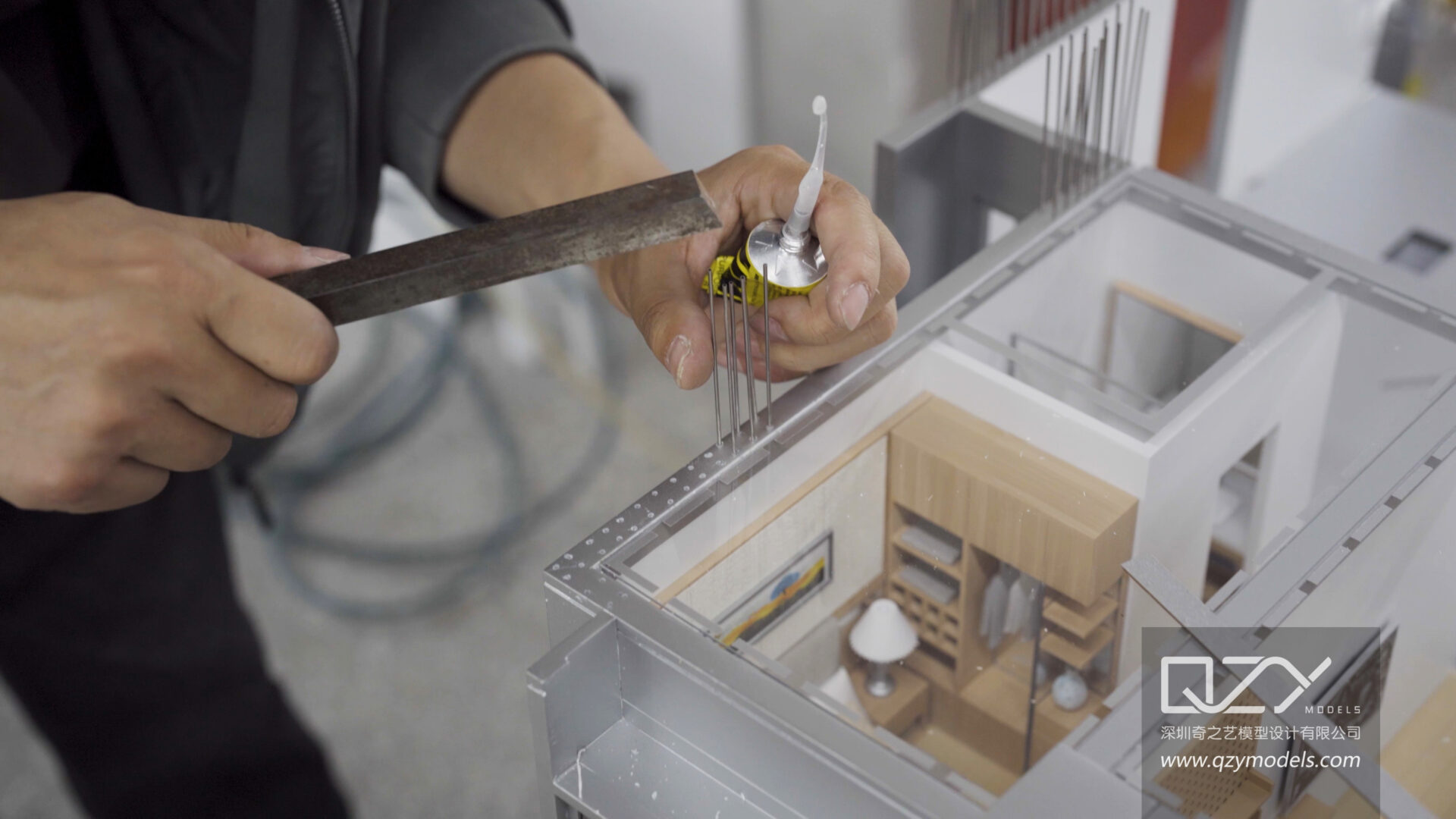
QZY Models specializes in high-precision physical models blending diverse materials like acrylic, metal, wood, and resins. Founded in 2013 in Shenzhen, their process integrates CNC machining, 3D printing, and hand-finishing for 0.1mm accuracy.
Core capabilities include layered assembly for realistic material transitions, LED integration for dynamic effects, and scalable production from 1:500 to 1:50 ratios. QZY Models serves global clients like Foster + Partners across 20+ countries.
Customization covers urban planning to industrial designs, with quality checks at every stage. Their UAE and Saudi branches ensure rapid Middle East delivery.
How Do QZY Models Compare to Traditional Methods?
| Aspect | Traditional Methods | QZY Models |
|---|---|---|
| Accuracy | ±0.5mm, 20% rework rate | ±0.1mm, <5% rework |
| Lead Time | 8-12 weeks | 2-4 weeks |
| Material Fidelity | Uniform, low texture variety | Mixed materials, realistic finishes |
| Cost per Model | $15,000-$50,000 | $8,000-$25,000, 30% savings |
| Scalability | Limited to small runs | 1-100+ units, global branches |
| Waste Reduction | 25-30% material loss | <10% via digital prototyping |
What Are the Steps to Order from QZY Models?
-
Submit digital files (CAD, SketchUp, Rhino) via QZY’s portal for instant feasibility review within 24 hours.
-
Select scale, materials (e.g., brass for metal, birch for wood), and features like lighting or motors.
-
Receive a 3D render preview and fixed quote; approve for production start.
-
Track progress via client dashboard; final QC with video inspection before shipping.
-
Unpack and present—models arrive fully assembled with setup guide.
Who Benefits Most from QZY Models in Real Scenarios?
Scenario 1: Architectural Firm Pitching Mixed-Use Tower
Problem: Client doubts glass-metal facade durability in renders. Traditional foam models lack realism.
Traditional: 6-week wood prototypes, $12k overrun from fixes.
QZY Effect: 1:200 model with etched glass and anodized aluminum delivered in 3 weeks.
Key Benefit: Won $50M contract; 40% faster approval.
Scenario 2: Real Estate Developer Urban Planning
Problem: Stakeholders can’t visualize wood-concrete plaza transitions.
Traditional: Separate material samples confuse discussions.
QZY Effect: Interactive 1:100 model with terrain and lighting.
Key Benefit: Cut revisions by 50%, secured zoning in 2 months.
Scenario 3: Government Infrastructure Bid
Problem: Bridge model needs steel-composite accuracy for tenders.
Traditional: Manual welding warps details, misses deadlines.
QZY Effect: Precision-machined 1:50 scale with stress-tested joints.
Key Benefit: 25% cost savings in bid prep, awarded $100M project.
Scenario 4: Exhibition Organizer Trade Show Display
Problem: Booth model mixes acrylic, fabric, LED for pavilion.
Traditional: Vendor mismatches materials, delays setup.
QZY Effect: Modular 1:33 model shipped to Dubai branch for tweaks.
Key Benefit: 35% attendance boost from immersive demo.
Why Act Now on Mixed Material Models?
Prefabrication surges 5.7% CAGR to 2035, demanding precise physical proofs amid labor shortages. QZY Models positions projects ahead with proven expertise for 2026 trends like adaptive composites. Delaying risks 20-30% higher costs as material prices climb.
Frequently Asked Questions
How accurate are QZY Models’ mixed material replicas?
QZY achieves ±0.1mm precision across wood, metal, and glass.
What scales does QZY Models support?
From 1:500 site models to 1:20 detailed interiors.
Can QZY Models handle international shipping?
Yes, with branches in UAE, Saudi Arabia, Egypt for 7-10 day delivery.
How long does production take?
Standard 2-4 weeks; rush options in 10 days.
What file formats does QZY Models accept?
CAD, Revit, SketchUp, Rhino, and OBJ.
Are custom finishes available?
Yes, including weathering, patinas, and illuminated elements.
Sources
-
https://www.startus-insights.com/innovators-guide/emerging-building-materials-industry-trends/
-
https://www.autodesk.com/blogs/construction/2026-construction-trends-25-experts-share-insights/
-
https://kaizen.com/insights/global-construction-trends-2026/
-
https://www.mckinsey.com/capabilities/operations/our-insights/imagining-construction-20-the-role-of-new-technologies [web:additional]