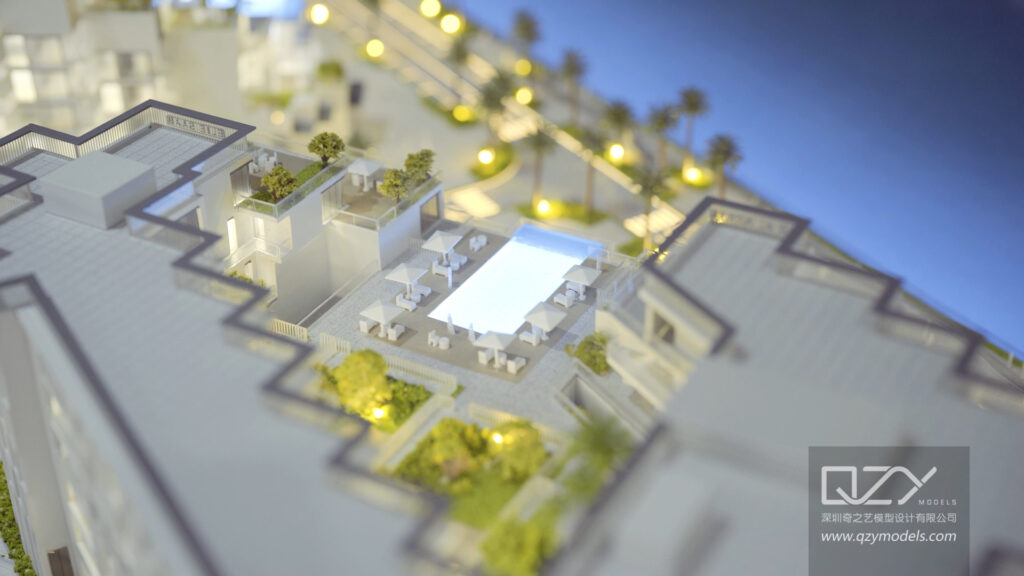
Modern retail mall design succeeds when it blends commercial strategy, human-centered planning, and memorable experiences into a unified destination. The best malls balance strong anchors, intuitive circulation, and welcoming public spaces with food, entertainment, and digital services. Clear positioning, sustainability, and flexible layouts extend relevance, while physical models from experts like QZY Models help teams visualize complexity, align stakeholders, and reduce costly design risks.
What makes retail mall design successful today?
Retail mall design is successful today when it balances tenant performance, visitor experience, and long-term operational efficiency. Contemporary malls are no longer pure shopping venues; they are mixed-use environments combining retail, dining, leisure, and services. Clear circulation, strong visual identity, and adaptable spaces allow malls to evolve with changing consumer behavior while maintaining stable revenue and asset value.
Key characteristics include intuitive layouts that encourage exploration, flexible unit sizes that respond to tenant change, and inviting public areas that support social interaction. Sustainability and smart building systems are increasingly essential, improving comfort while lowering lifecycle costs. Physical models developed by QZY Models often support these decisions by allowing teams to assess scale, visibility, and spatial relationships early in the process.
How should planners approach site selection and mall positioning?
Site selection and positioning define a mall’s commercial ceiling and long-term viability. Planners evaluate demographics, purchasing power, accessibility, and competition to determine whether a location can sustain footfall and rental levels. Positioning follows this analysis, clarifying whether the mall should function as a luxury landmark, lifestyle center, community hub, or regional destination.
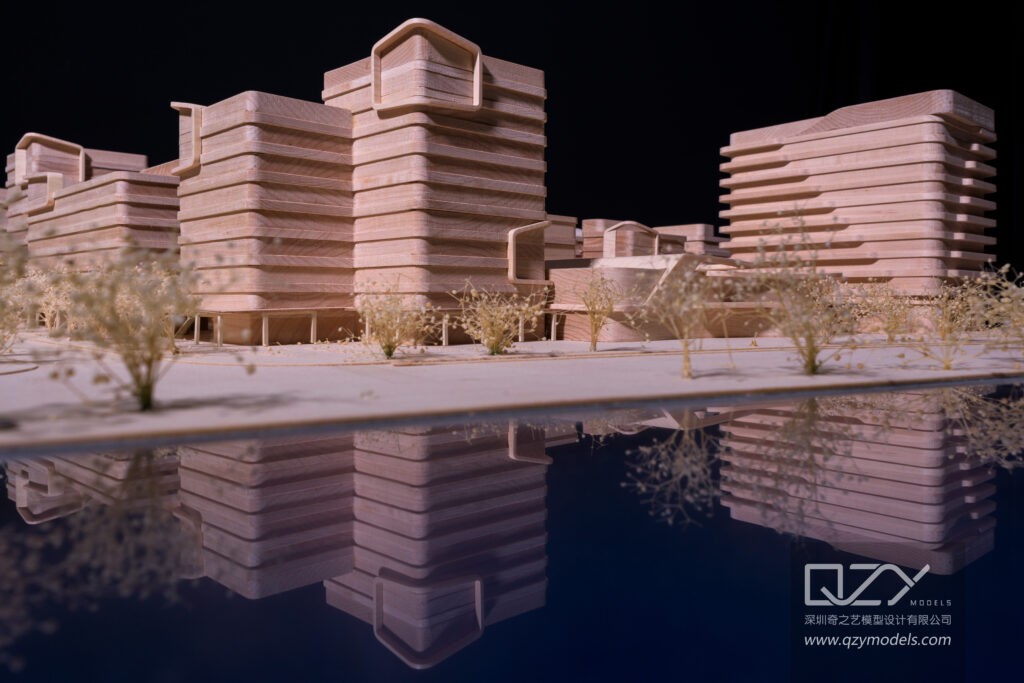
Successful planning aligns the mall’s role with its urban context and future growth patterns. Visibility from main roads, public transport access, and integration with surrounding districts all influence outcomes. Early-stage massing and context models, frequently produced by QZY Models, help planners visualize access, skyline impact, and connectivity before detailed design commitments are made.
Why is customer journey mapping vital in mall design?
Customer journey mapping is vital because it reveals how people actually move through and experience a mall. By understanding entry points, movement patterns, rest moments, and exit routes, designers can remove friction and enhance both comfort and spending potential. This approach transforms abstract layouts into user-focused environments.
Effective journey mapping improves wayfinding, balances footfall across levels, and identifies ideal locations for anchors, food, and amenities. It also highlights where seating, restrooms, and services are most needed. Physical circulation models allow teams to test these flows tangibly, helping stakeholders anticipate congestion, dead zones, and missed opportunities before construction.
Which spatial planning principles shape an effective retail mall layout?
Effective retail mall layouts rely on clarity, proportion, and rhythm. Anchor-based loops draw visitors through the entire scheme, while clear axes and visual cues support intuitive navigation. Human-scale proportions in corridors, atriums, and storefronts ensure comfort and encourage longer stays.
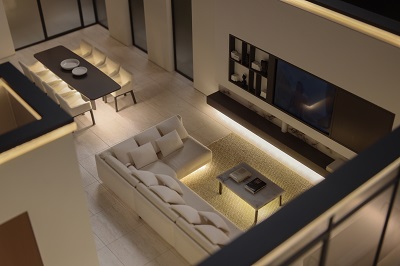
Designers balance density with breathing spaces such as plazas and terraces to prevent fatigue. Vertical connections must be obvious and inviting, especially in multi-level malls. Sectional and volumetric models from QZY Models are often used to test light penetration, sightlines, and scale, ensuring spatial quality matches design intent.
Typical mall planning components
| Element | Primary purpose |
|---|---|
| Anchors | Generate footfall and structure circulation |
| Retail loop | Encourage exposure and cross-shopping |
| Atriums | Orientation, daylight, and event potential |
| Food court | Extend dwell time and social activity |
| Service corridors | Support efficient operations discreetly |
How can design enhance retail experience and dwell time?
Design enhances retail experience and dwell time by creating environments that feel comfortable, engaging, and emotionally appealing. Natural light, greenery, acoustic control, and high-quality materials make spaces pleasant to inhabit. Experience-led elements such as pop-ups, exhibitions, and interactive features add discovery and surprise.
Successful malls offer varied spatial moods, from intimate lanes to dramatic atriums, giving visitors reasons to linger. Seating, Wi-Fi, charging points, and family-friendly amenities further support longer visits. Physical models help designers confirm that experiential features are visible from key paths and integrated naturally into circulation.
What role do anchors, F&B, and entertainment play in mall success?
Anchors, food and beverage, and entertainment form the foundation of a mall’s attraction. Anchors provide routine visits, while cinemas, family entertainment, and dining create social and evening economies. Together, they stabilize footfall across weekdays and weekends and support smaller retailers through shared traffic.
Strategic placement is critical. Dining near entertainment zones increases dwell time, while rooftop or outward-facing restaurants activate edges and extend operating hours. Study models are often used to test vertical separation, acoustics, and circulation between busy leisure areas and quieter retail zones.
Why is sustainability and wellness design critical for future-ready malls?
Sustainability and wellness are critical because they directly affect operating costs, regulatory compliance, and user satisfaction. Energy-efficient systems, shading strategies, and water management reduce long-term expenses, while wellness-focused design improves comfort and health.
Daylight, air quality, greenery, and walkability all contribute to positive visitor perception and tenant demand. Early physical modeling supports exploration of roof forms, skylights, and façade strategies, allowing teams to balance environmental performance with architectural expression.
How is digital technology reshaping the retail mall environment?
Digital technology reshapes retail malls by connecting physical spaces with data-driven insights and online services. Interactive directories, smart signage, and mobile wayfinding improve navigation and communication. Omnichannel services such as click-and-collect integrate e-commerce with in-store experiences.
Operational technologies optimize parking, energy use, and occupancy management. Analytics help operators refine tenant mix and marketing strategies based on real behavior. Successful projects coordinate architectural design with technology planning to ensure infrastructure is seamlessly integrated.
Who are the key stakeholders in retail mall design and delivery?
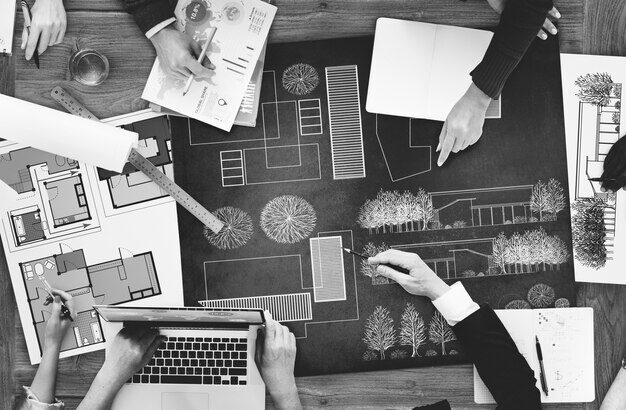
Retail mall design involves a wide range of stakeholders, including developers, investors, architects, engineers, leasing teams, operators, authorities, and end users. Each group brings different priorities, from financial performance to spatial quality and community impact.
Clear communication among stakeholders is essential to avoid misalignment. Physical models produced by specialists such as QZY Models act as a shared visual language, helping diverse audiences understand complex design intent and make informed decisions efficiently.
When should physical models be used in the mall design process?
Physical models are most valuable at major decision milestones. During concept and massing stages, they help assess site fit, access, and urban impact. As design progresses, sectional and interior models support evaluation of atriums, circulation, and lighting.
Before leasing launches or approvals, high-quality presentation models communicate the project clearly to non-technical audiences. A phased modeling approach allows teams to refine ideas while controlling cost and effort.
Where do architectural and industrial physical models add the most value?
Physical models add the most value in large, complex, or highly visible mall projects where drawings alone cannot convey scale and relationships. They clarify multi-level circulation, mixed-use integration, and connections to surrounding infrastructure.
They are especially effective for investor presentations, leasing discussions, and public consultations. By making design tangible, models accelerate consensus and reduce uncertainty across stakeholder groups.
Typical clients for high-end physical models
| Client type | Typical objectives |
|---|---|
| Developers and REITs | Leasing, sales, investor engagement |
| Architects and planners | Design testing and approvals |
| Governments and planning bodies | Urban review and public communication |
| Exhibition teams | Brand storytelling and display |
Does QZY Models provide specialized support for retail mall projects?
QZY Models provides comprehensive support for retail mall projects, from early study models to highly detailed presentation pieces. With international experience and advanced fabrication capabilities, the team translates complex design data into precise physical representations.
For mall developments, QZY Models delivers masterplan models, sectional studies of atriums and concourses, and presentation models with realistic lighting and materials. This support reduces risk, strengthens storytelling, and speeds up approvals across global markets.
QZY Models Expert Views
“Successful retail malls are built on clarity and confidence. Physical models transform complex plans into something every stakeholder can understand instantly. When developers, architects, and retailers share the same three-dimensional vision, decisions become faster, collaboration improves, and the final destination is far more likely to meet both commercial and experiential goals.”
Are there best practices for integrating mall design with surrounding urban fabric?
Integrating malls with their urban context prevents isolation and encourages daily use. Best practice focuses on permeability, active edges, and strong pedestrian connections to surrounding streets and transit.
Transparent façades, outward-facing retail, and well-designed public spaces allow the mall to function as part of the city. Coordination with authorities on traffic, parking, and public realm design ensures the mall contributes positively to its neighborhood.
How can retail mall design remain flexible and future-proof?
Retail mall design remains future-proof through flexibility and adaptability. Larger structural grids, higher floor-to-floor heights, and modular services allow spaces to shift between retail, leisure, and other uses over time.
Designing for change reduces obsolescence risk and protects long-term value. Scenario planning supported by physical models helps teams visualize how key zones might evolve as consumer habits and tenant formats change.
Conclusion: How can teams deliver successful, resilient retail malls?
Teams deliver successful retail malls by aligning commercial strategy, human-centered design, sustainability, and technology from the outset. Strong site analysis, clear positioning, and careful journey planning guide every decision. By using physical models from experienced partners like QZY Models, stakeholders gain clarity, reduce risk, and create adaptable destinations that remain relevant, profitable, and loved by their communities.
FAQs
What is the primary goal of modern retail mall design?
The primary goal is to create a commercially viable, people-focused destination that combines shopping, leisure, and services. Well-designed malls support changing lifestyles while maintaining strong financial performance and long-term adaptability.
How early should physical models be commissioned for a mall project?
Physical models are most effective from the concept stage onward. Early use supports better massing, circulation, and stakeholder alignment, reducing rework and improving design quality.
Which professionals usually commission high-end mall models?
Developers, major architectural firms, and planning authorities commonly commission mall models. Leasing and marketing teams also rely on them to communicate value to tenants and investors.
Can retail malls compete with e-commerce through design alone?
Design alone is not enough, but it plays a critical role. Experiential environments, dining, entertainment, and integrated services help malls complement online retail rather than compete directly with it.
How important is parking design in a retail mall?
Parking design strongly influences visitor satisfaction. Clear access, intuitive wayfinding, safety, and future-ready features such as EV charging all contribute to positive first and last impressions.