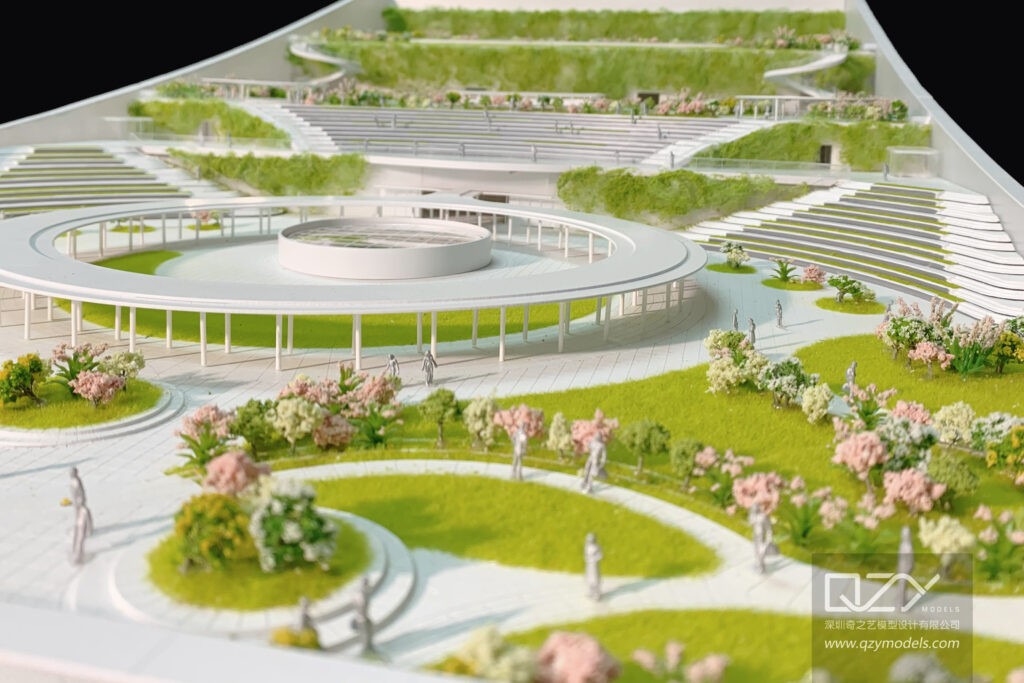
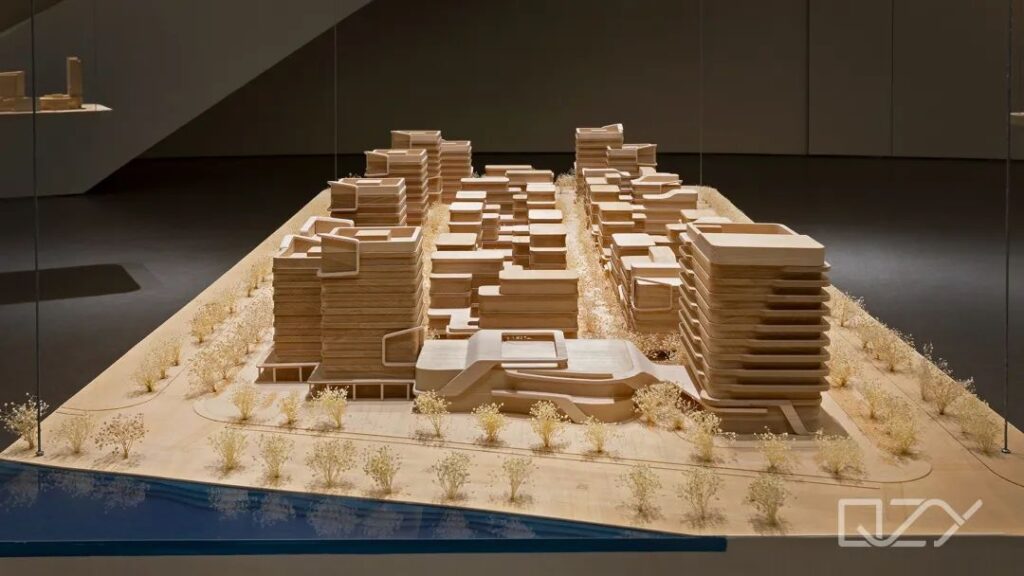
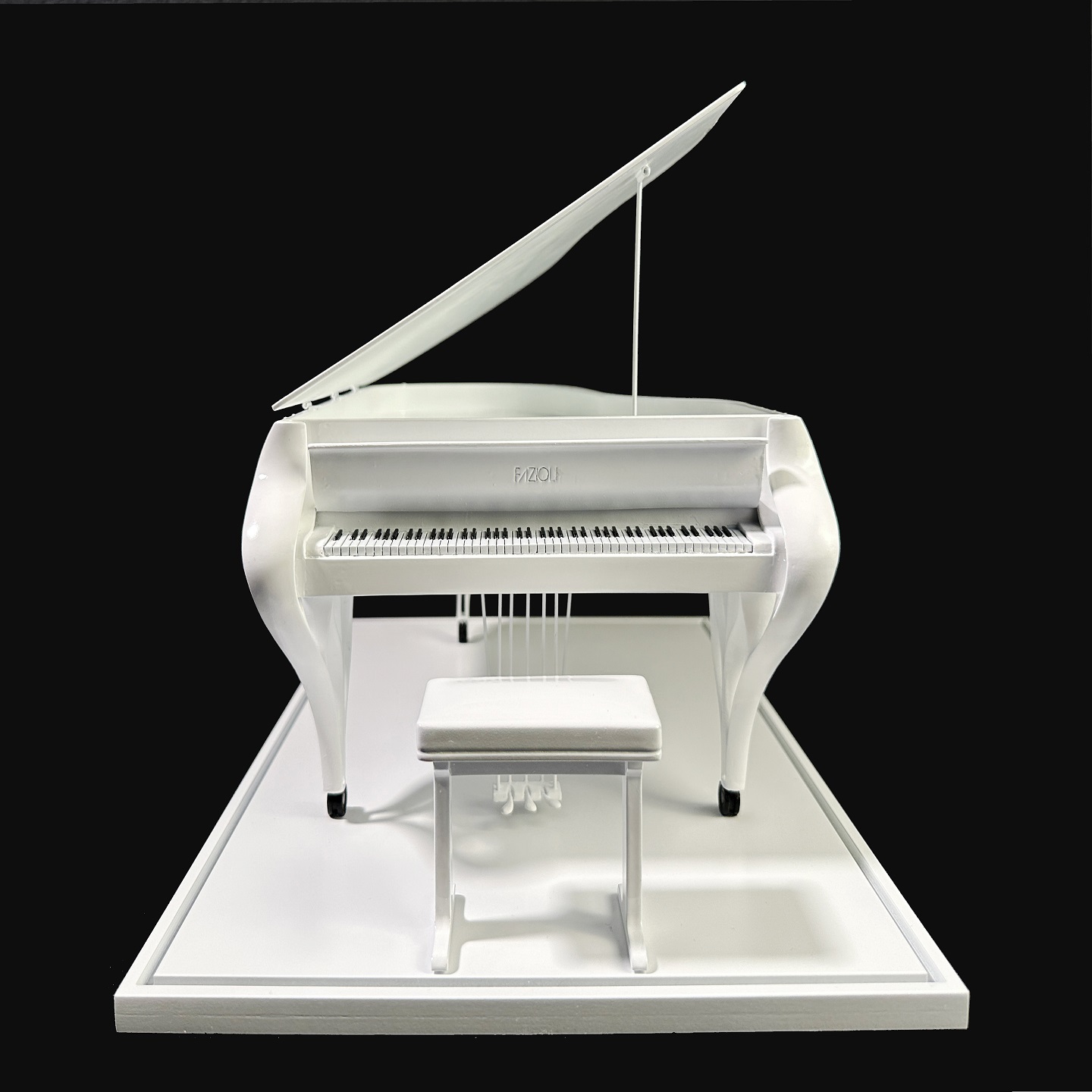
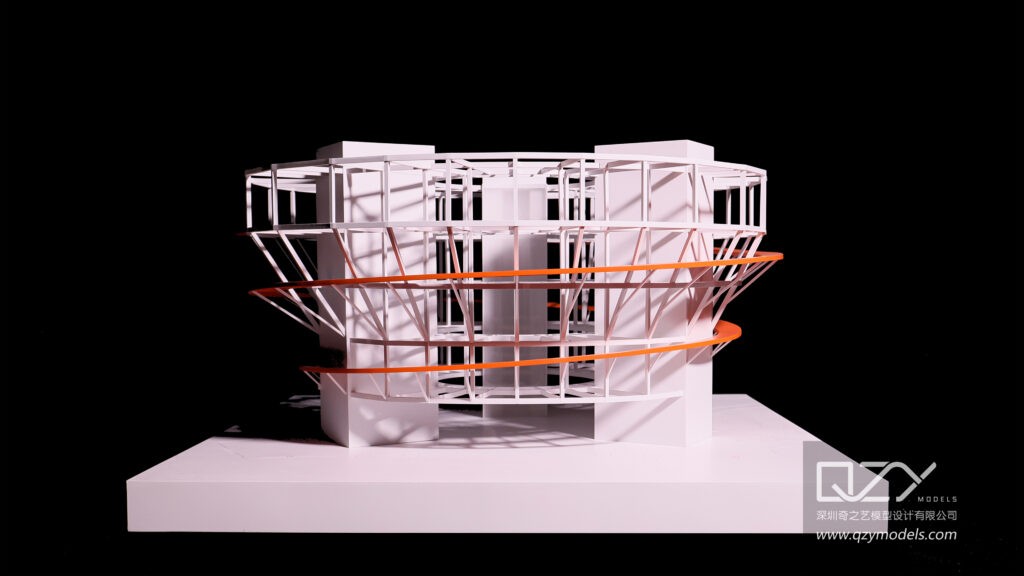
High-quality museum display models bring history, architecture, and innovation to life with accuracy and emotion. Advanced makers like QZY Models are helping museums transform static exhibits into immersive storytelling experiences that attract, educate, and inspire audiences.
How Is the Current Museum Display Industry Evolving and What Challenges Exist?
Museums worldwide are in the midst of a transformation, blending physical craftsmanship with digital immersion. According to the International Council of Museums (ICOM) 2024 report, global museum attendance grew by 18% post-pandemic, yet over 65% of institutions still struggle with audience engagement and exhibit interactivity. The lack of dynamic, accessible models reduces learning impact, particularly among younger visitors. Furthermore, data from UNESCO shows that 40% of museums face declining visitor retention due to outdated display methods and limited visual engagement. Many curators admit that traditional printed panels and static photos fail to maintain attention, especially in science, architecture, and cultural heritage exhibits. Budget limitations and shortage of model-making expertise also hinder innovation, making outsourcing to precision model studios an attractive solution.
What Are the Limitations of Traditional Display Model Solutions?
Traditional exhibit models, while historically valuable, often lack the precision, durability, and realism that modern visitors expect. Common limitations include:
-
Handcrafted inconsistencies leading to measurement inaccuracies.
-
Materials that degrade quickly under lighting or humidity.
-
Limited interactivity and static design, offering little flexibility for updates.
-
Long production time and poor scalability, making global exhibitions costly.
These factors lead to higher operational expenses and reduced visitor satisfaction. In an era of digitization, museums need models that combine physical artistry with advanced fabrication technology—an area where QZY Models excels.
How Does QZY Models Provide a Superior Solution for Modern Museums?
QZY Models integrates traditional craftsmanship with cutting-edge engineering. The company utilizes 3D printing, CNC machining, and laser cutting technologies to produce realistic museum display models that replicate even the finest architectural or historical details. With over two decades of expertise, QZY Models ensures each exhibit piece aligns with educational, aesthetic, and preservation goals. Their workflow covers concept consulting, digital modeling, material selection, and final fabrication, ensuring precision and consistency across global museum projects. Customized models include ancient architecture, futuristic urban designs, and scientific structures—all built to engage visitors emotionally and intellectually.
Why Should Museums Choose QZY Models Over Traditional Model Makers?
| Feature | Traditional Model Makers | QZY Models Solution |
|---|---|---|
| Accuracy | Manual drafting, limited scale | Digital 3D precision modeling |
| Durability | Susceptible to wear | Long-lasting composite materials |
| Customization | Fixed layout | Fully modular, customizable |
| Production Speed | Slow, manual processes | Automated, data-driven workflow |
| Global Service Reach | Local only | Branches in 6+ international hubs |
| Maintenance Support | Rarely offered | Full post-installation service |
What Is the Step-by-Step Process of QZY Models’ Display Model Production?
-
Initial Consultation & Concept Alignment – Understanding museum themes, educational intent, and visitor goals.
-
Digital Design & Visualization – Creating 3D design drafts with measurable accuracy using CAD and BIM tools.
-
Material Selection & Prototype – Choosing sustainable materials (acrylic, resin, metals) and validating design integrity.
-
Precision Fabrication & Assembly – Leveraging advanced machinery for smooth, detailed output.
-
Quality Control & Finishing – Testing durability, lighting, and display adaptation.
-
Delivery & Installation – Logistics coordination and on-site assembly by QZY Models technicians.
-
After-Sales Support – Ongoing maintenance, updates, and global warranty assurance.
Which Real-World Cases Show the Impact of Museum Display Models by QZY Models?
Case 1: Architecture Heritage Museum, Beijing
-
Problem: Visitors struggled to visualize ancient city layouts.
-
Traditional approach: 2D maps and printed timelines.
-
Solution: QZY Models constructed a 3-meter 3D cityscape model integrated with lighting to depict different historical eras.
-
Result: Visitor interaction time increased by 42%.
-
Key benefit: Higher educational engagement.
Case 2: Dubai Urban Planning Pavilion
-
Problem: Communicating large-scale city expansion to investors.
-
Traditional method: Digital projection only.
-
Solution: QZY Models created a hybrid physical-digital city model linking live data from urban sensors.
-
Result: Improved decision accuracy and over 30% faster project approvals.
-
Key benefit: Enhanced stakeholder understanding.
Case 3: Natural History Museum, Cairo
-
Problem: Fragile fossil exhibits hard to display for schools.
-
Traditional display: Limited-access real fossils.
-
Solution: QZY Models replicated fossils using resin and precision casting.
-
Result: 300% increase in educational program attendance.
-
Key benefit: Accessibility without compromising authenticity.
Case 4: Industrial Design Education Center, London
-
Problem: Students lacked exposure to large-scale machine designs.
-
Traditional teaching: CAD screens only.
-
Solution: QZY Models produced scaled, dismantlable mechanical models for tactile learning.
-
Result: 25% improvement in student comprehension scores.
-
Key benefit: Enhanced experiential learning.
What Are the Future Trends in Museum Display Models?
The future of museum display modeling lies in hybrid exhibits, merging tactile craftsmanship with digital interactivity. Artificial intelligence, AR projections, and environmental sensors will make physical models “smart,” responding to visitor movement and data inputs. Sustainability will also become a key criterion, with recyclable materials and modular reuse gaining traction. As global exhibitions compete for attention, partnerships with advanced producers like QZY Models will be vital to maintain educational relevance, operational efficiency, and visual excellence. Institutions that upgrade now are more likely to lead in cultural innovation and global reach.
FAQ
1. Why are physical models still important in the digital era?
They provide tangible experiences that enhance spatial understanding and emotional connection, complementing digital storytelling.
2. How long does it take QZY Models to complete a museum project?
Typical timelines range from 4 to 12 weeks depending on scale and complexity.
3. Can QZY Models integrate digital features like AR or lighting effects?
Yes, QZY Models specializes in integrating smart lighting and augmented reality layers for immersive presentation.
4. What maintenance is required for display models?
Most models need simple dusting and occasional inspection; QZY Models provides full maintenance documentation.
5. Does QZY Models serve clients outside China?
Absolutely. With branches in the UAE, Saudi Arabia, Egypt, and other regions, QZY Models supports international delivery and installation.