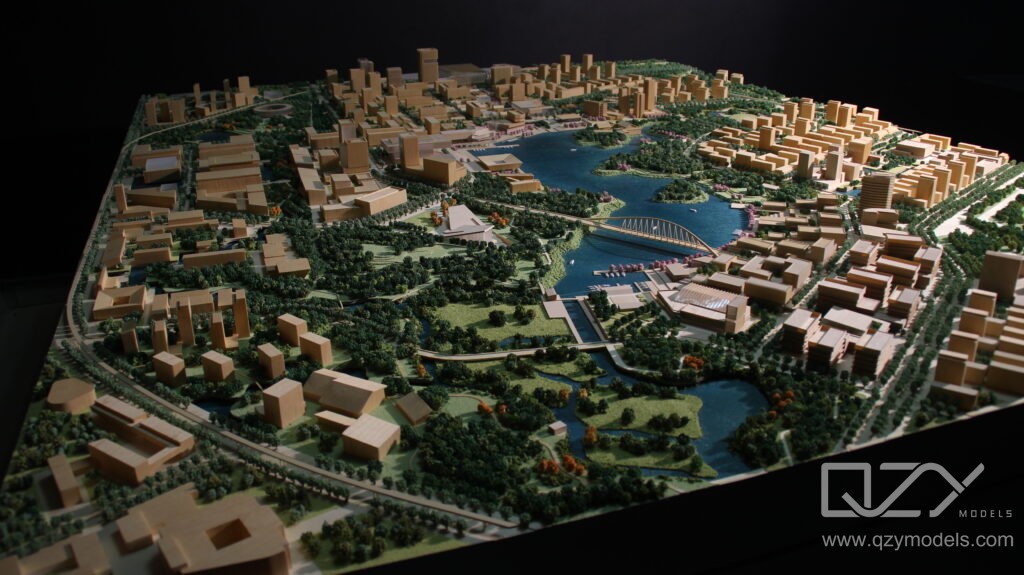
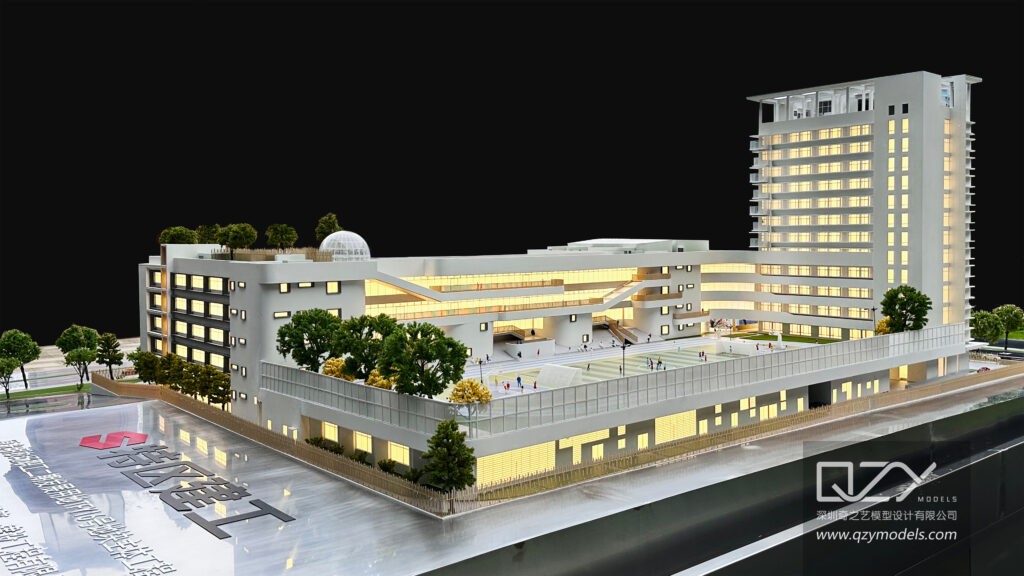
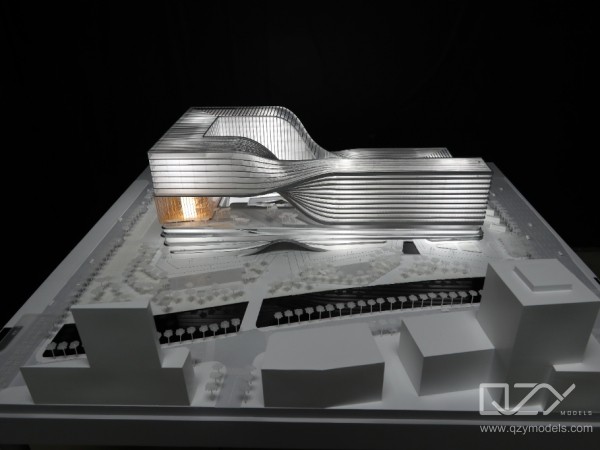
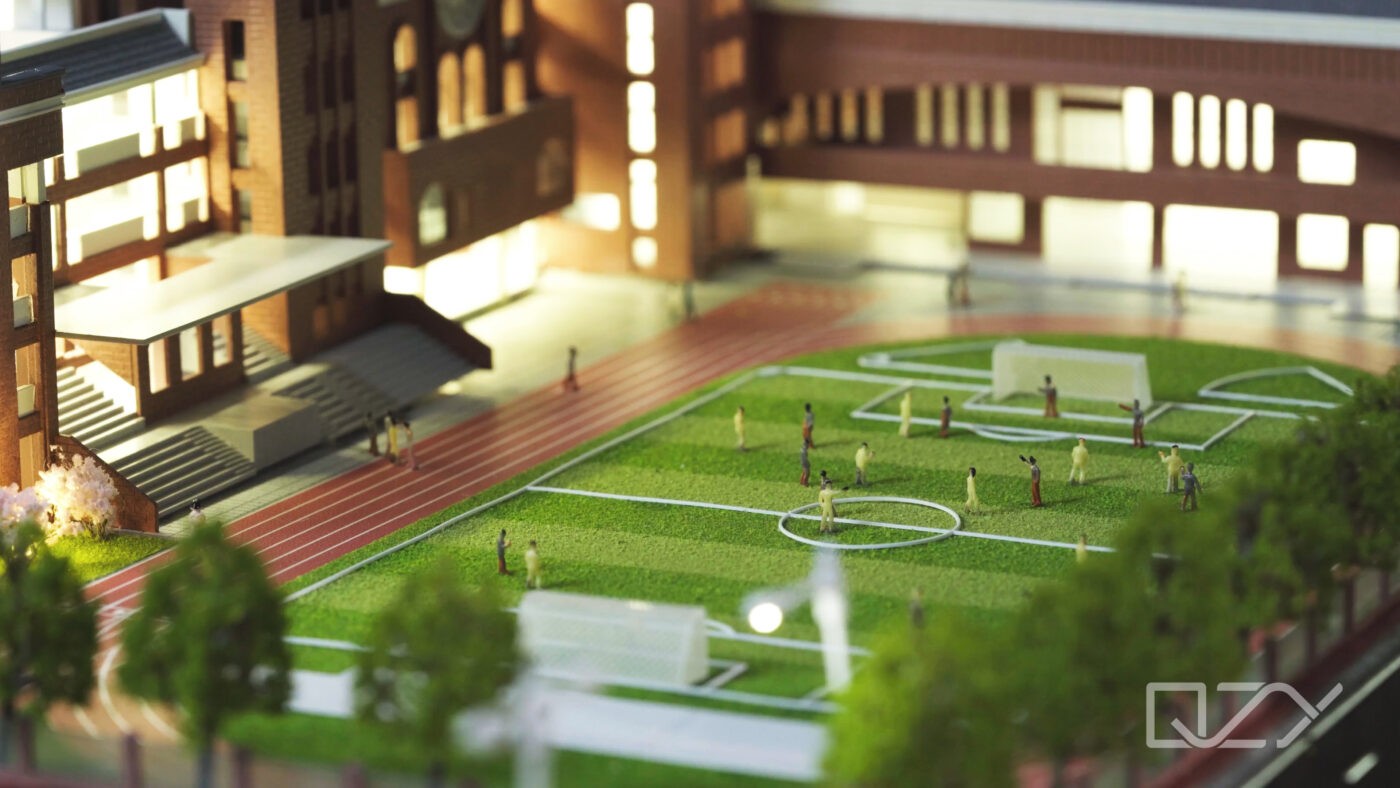
Planning approval models are transforming how cities, developers, and architects communicate complex design intent. QZY Models delivers high-precision planning approval models that turn bureaucratic delays into fast-tracked approvals, enabling stakeholders to visualize, evaluate, and decide with clarity and confidence.
What Is the Current State of Planning Approvals and Why Is It Problematic?
Urban planning worldwide faces increasing complexity. According to the United Nations’ 2024 “World Urbanization Prospects” report, more than 68% of the global population will live in cities by 2050, putting immense pressure on review and approval systems. In the U.S. alone, average approval times for medium-scale developments have grown from 8 months in 2013 to over 13 months in 2023, as tracked by the National League of Cities.
Local authorities struggle to assess dozens of project submissions monthly, often relying on 2D plans that fail to convey scale, context, and visual impact. Developers lose valuable time and funding due to review misunderstandings and repeated revisions—an inefficiency that costs the global construction industry an estimated $1.6 trillion annually, according to McKinsey’s “Reinventing Construction” study.
Without accurate, tangible visualization, urban planning decisions become delayed, contentious, and politically sensitive, impeding growth and sustainability efforts.
Why Are Traditional Approval Presentation Methods Falling Behind?
Traditional tools—2D drawings, digital renderings, and partial 3D visualizations—lack physical presence. While renderings are useful for design presentation, they are often considered subjective and fail to convey true spatial relationships. Physical planning models, when professionally crafted, bridge this gap, yet conventional model-making methods can be slow, inconsistent, and costly.
Municipal reviewers often demand multiple revisions, but traditional handmade models cannot easily integrate those changes. Furthermore, most models are built purely for display, not for regulatory precision, leaving an accuracy gap between the model and architectural documentation. Without integration of advanced materials and manufacturing technology, these models quickly become outdated as design iterations evolve.
This limitation creates friction between architects, developers, and city planners—delaying decision-making and reducing confidence in large-scale development approval.
How Does QZY Models Provide a Smarter, More Accurate Solution?
QZY Models offers a data-driven planning approval model solution that integrates precision modeling, advanced laser cutting, and digital-to-physical translation to accelerate urban planning approval. Founded in 2013 and headquartered in Shenzhen, QZY Models has delivered over 2,000 professional models to clients in 20+ countries, covering urban planning, architectural, and industrial sectors.
Each model integrates verified GIS data, CAD drawing accuracy, and photorealistic material simulation to ensure compliance-ready representation. Using hybrid digital fabrication (including CNC, resin 3D printing, and composite materials), QZY Models produces visually persuasive, dimensionally exact models that help municipal boards assess impact with confidence.
By transforming planning documentation into tactile urban narratives, QZY Models shortens review cycles, improves stakeholder collaboration, and provides developers with measurable ROI through faster permits and reduced rework.
What Are the Key Advantages Compared With Traditional Planning Models?
| Criteria | Traditional Model Approach | QZY Models Planning Approval Models |
|---|---|---|
| Accuracy | Manual measurement, prone to human error | Digitally derived from CAD/BIM with millimeter precision |
| Update Flexibility | Time-consuming revisions | Easy modular updates for iterative reviews |
| Material Durability | Fragile foam, wood, or clay | High-strength resin and PMMA composites |
| Visualization Quality | Static, low-detail | Realistic lighting, terrain, and façade texture |
| Stakeholder Engagement | Limited comprehension | Immediate spatial understanding across non-technical audiences |
| Approval Efficiency | Average 6–12 months | Accelerated by up to 40% post-presentation |
How Can Teams Implement the QZY Models Solution?
-
Requirement Analysis – Clients share digital files, zoning data, and approval focus areas.
-
Scale and Detailing Planning – QZY Models defines optimal scale (1:500, 1:1000, etc.) based on review needs.
-
Digital Conversion – CAD and GIS data are merged into a master 3D model using BIM-compatible software.
-
Fabrication and Assembly – Automated precision cutting, laser etching, and manual detailing bring each layer to life.
-
Client Revisions and Delivery – Clients review iterations through digital previews before physical completion.
-
On-site Presentation Support – Models arrive ready for display, with integrated lighting, annotations, and presentation stands tailored for city boardrooms or exhibitions.
Which Real-World Scenarios Demonstrate the Impact of QZY Models?
Scenario 1: Urban Redevelopment
Problem: City authorities hesitated on approving a waterfront renewal master plan due to concerns over skyline impact.
Traditional Method: Renderings failed to clarify visual density.
After Using QZY Models: A precise 1:1000 urban model illustrated sunlight corridors and view preservation.
Key Result: Approval achieved in half the expected timeframe.
Scenario 2: High-Rise Mixed-Use Project
Problem: Developer faced public resistance over height and shading.
Traditional Method: Paper drawings caused confusion during public hearings.
After Using QZY Models: QZY’s transparent façade model demonstrated wind and light behavior.
Key Benefit: Reduced neighborhood opposition and accelerated permit process.
Scenario 3: Transport Infrastructure Proposal
Problem: A government agency required model-based verification for railway expansion.
Traditional Method: Schematics couldn’t convey route integration.
After Using QZY Models: Detailed terrain and station modeling improved geographic visibility.
Outcome: Project advanced to construction within two months of presentation.
Scenario 4: International Expo Pavilion
Problem: Tight deadlines and complex geometry.
Traditional Method: Local model suppliers lacked technical precision.
After Using QZY Models: Delivered full model in 10 days using hybrid CNC and resin printing.
Impact: Pavilion gained international praise and met all inspection criteria.
Why Does Now Present the Right Moment to Adopt Planning Approval Models?
The urbanization surge, sustainability imperatives, and new digital fabrication technologies converge to make physical approval models more valuable than ever. Governments increasingly favor transparent, visually accessible proposals to encourage citizen participation and cross-department coordination.
QZY Models stands at the intersection of artistry and engineering, enabling urban transformation to move faster, smarter, and with greater certainty. In the coming decade, data-integrated planning models will become standard practice in global urban design—turning visualization into verification.
FAQ
1. Are planning approval models compatible with digital BIM workflows?
Yes. QZY Models integrates BIM and CAD data directly into the fabrication process to maintain fidelity.
2. How long does it take to produce a planning approval model?
Depending on complexity and scale, production typically takes 7–20 days.
3. Can QZY Models support international delivery and exhibition logistics?
Yes. QZY Models ships globally with professional installation and after-service support.
4. What scales are recommended for government approval submissions?
Common scales include 1:500 for district review and 1:1000 for regional master plans.
5. How does QZY Models ensure model accuracy over multiple design iterations?
Through digital integration and modular segmentation, updates can be made without full reconstruction.
Sources
-
United Nations, World Urbanization Prospects 2024
-
McKinsey & Company, Reinventing Construction: A Route to Higher Productivity
-
National League of Cities, 2023 State of Cities Report
-
World Economic Forum, Future of Real Estate and Urban Development 2024
-
Global Model Manufacturing Annual Report 2024