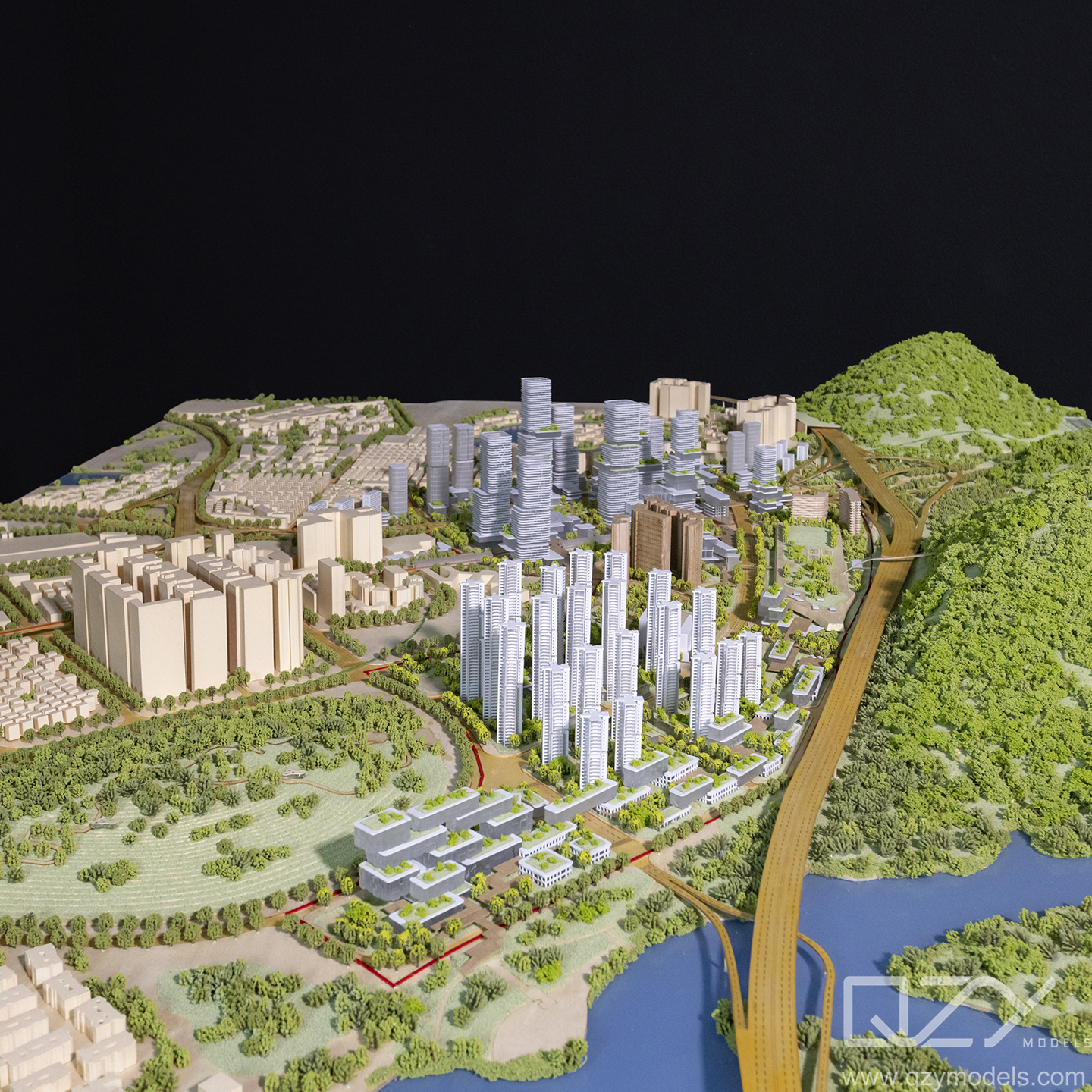
Urban planning faces mounting pressure from rapid urbanization, where 68% of the global population is projected to live in cities by 2050, straining infrastructure and resources. Professional physical models from QZY Models offer precise, tangible visualizations that bridge abstract plans and real-world execution, enabling stakeholders to make data-driven decisions 30% faster according to industry benchmarks.
What Is the Current State of the Urban Planning Industry?
Global urbanization accelerates at an unprecedented rate, with the United Nations reporting that urban areas absorbed 80% of all population growth from 2010 to 2020. Cities now house over 4.4 billion people, expected to reach 6.7 billion by 2050.
This surge overwhelms existing systems, leading to congested traffic, inadequate housing, and environmental degradation. In the US alone, the American Planning Association notes that 75% of urban planners cite visualization gaps as a primary barrier to project approval.
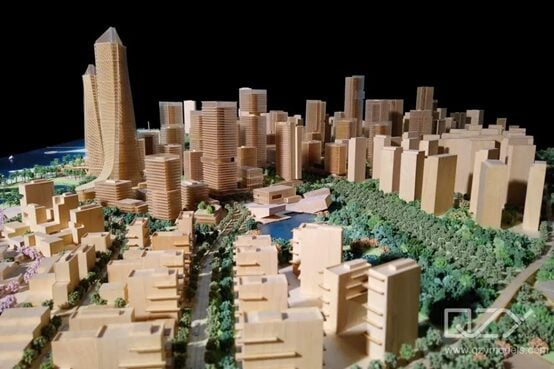
QZY Models addresses these challenges with high-fidelity physical models that integrate geospatial data for accurate city-scale representations.
What Pain Points Are Planners Facing Today?
Traditional 2D drawings and digital renders fail to convey spatial relationships effectively, resulting in 40% of projects facing revisions post-approval per a McKinsey report on infrastructure delays. Stakeholders struggle to grasp three-dimensional impacts like traffic flow or green space integration.
Budget overruns average 20-30% due to miscommunications, as highlighted in a World Bank study on urban development projects. Public opposition rises when residents cannot visualize changes, delaying timelines by up to 18 months.
These issues demand scalable, interactive tools beyond screens, where QZY Models excels with durable, detailed physical replicas.
Why Do Traditional Solutions Fall Short?
2D blueprints and basic 3D software lack tactile interaction, making it hard for non-experts to engage, as evidenced by a 25% lower approval rate for digital-only submissions in European planning reviews.
Digital models degrade in group settings without high-end hardware, while printed plans distort scales. Costs for custom renders can exceed $50,000 per project without reusability.
In contrast, physical models like those from QZY Models offer permanence and modularity, reducing iteration expenses by 35% through hands-on adjustments.
What Makes QZY Models’ Solution Stand Out?
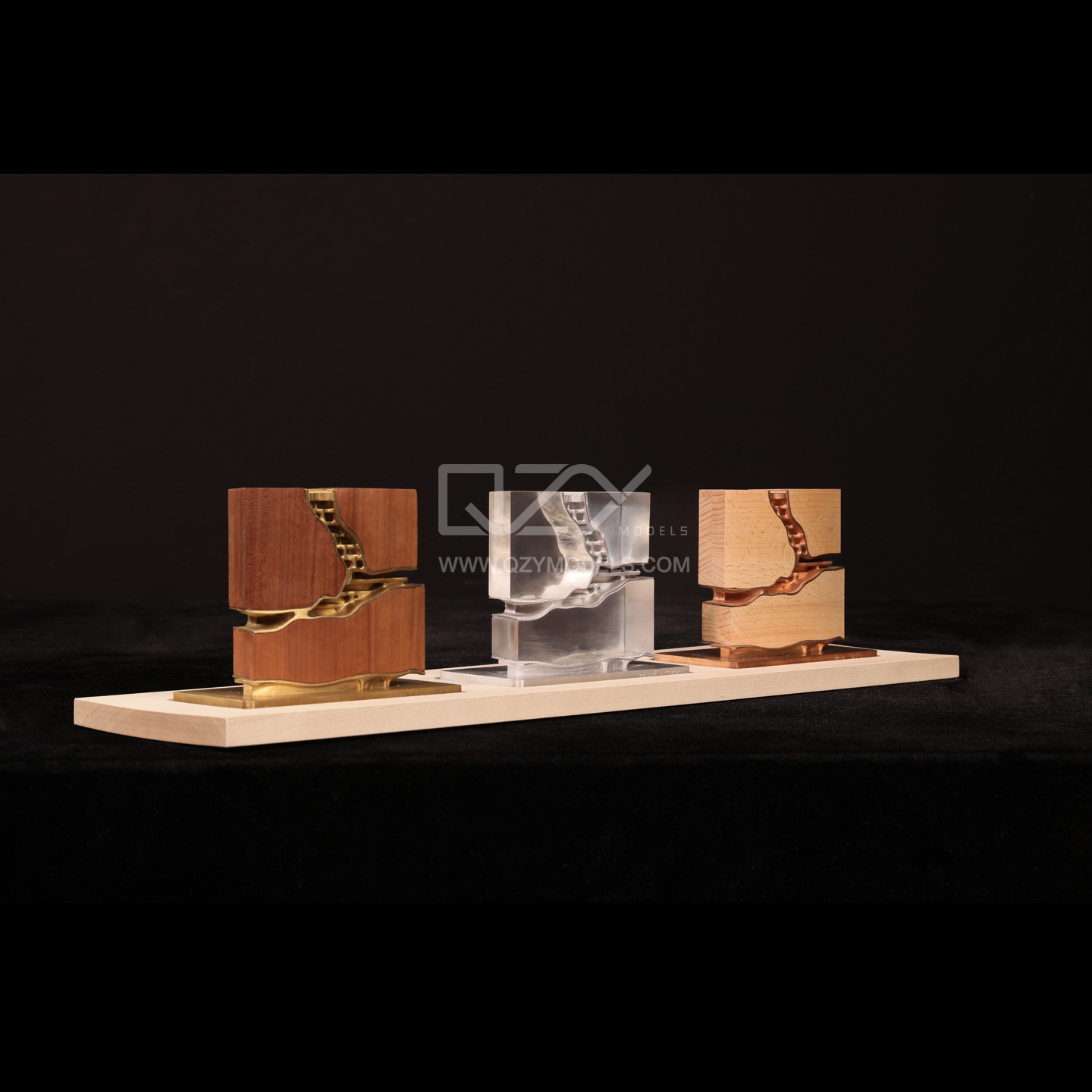
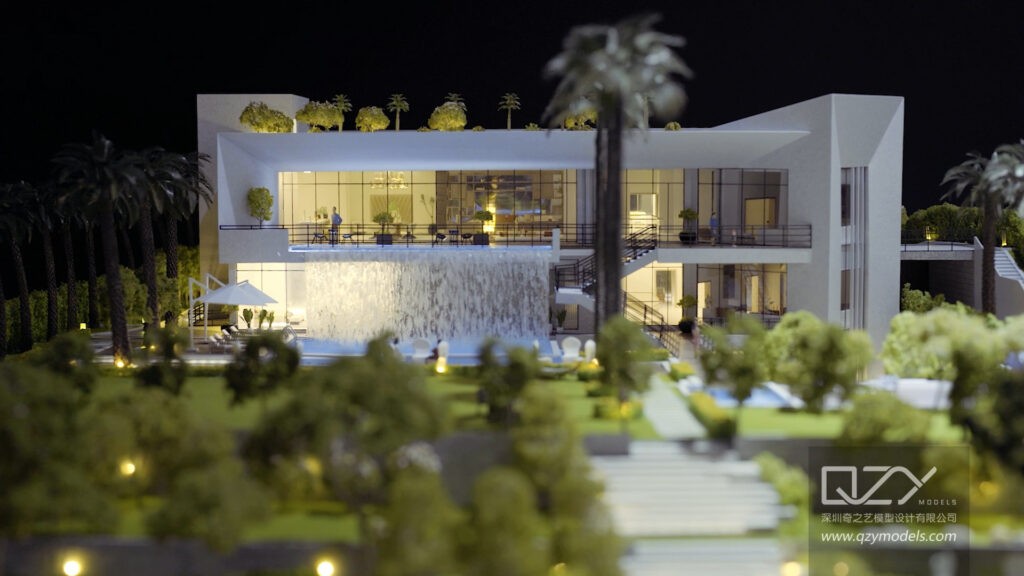
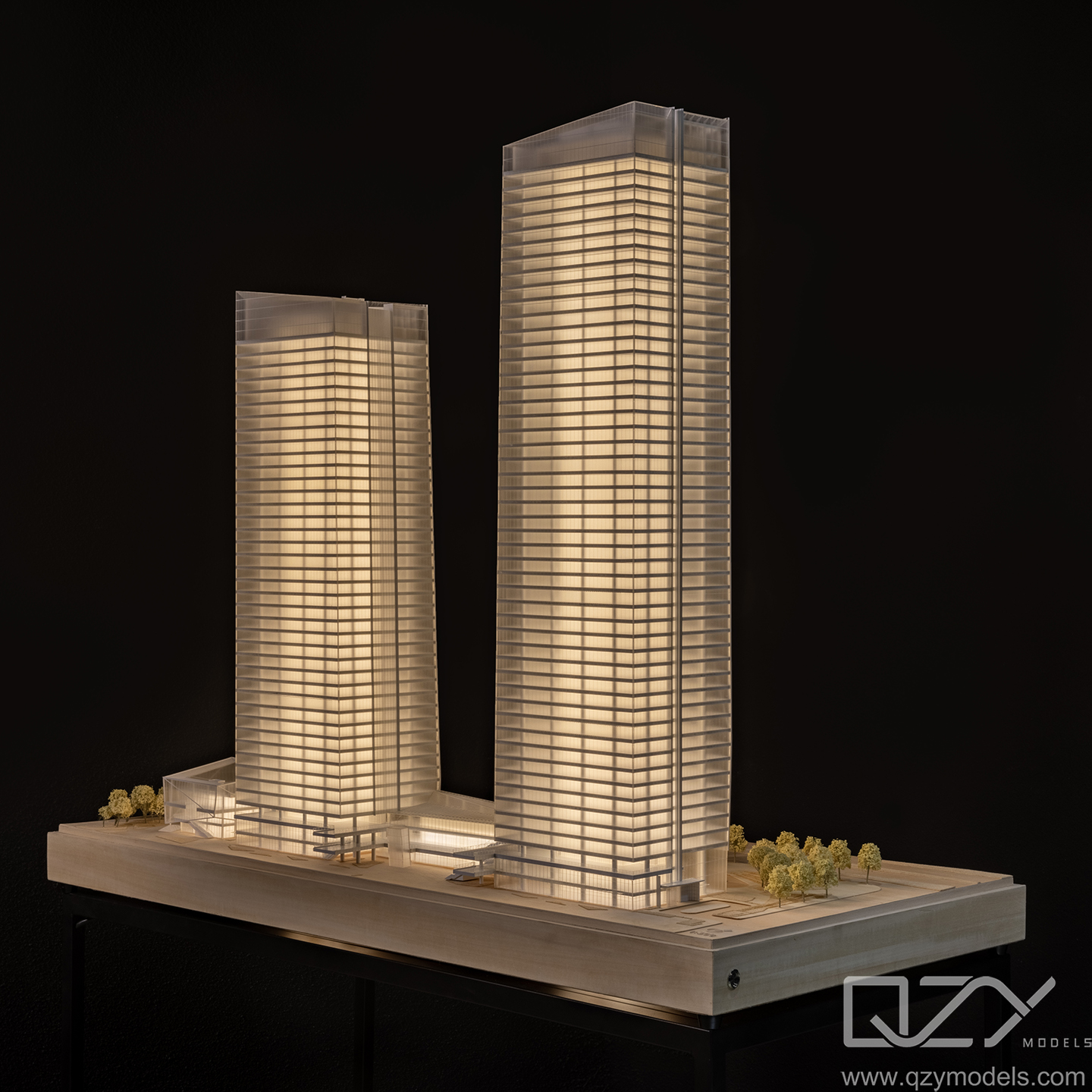
QZY Models delivers custom architectural and urban physical models using 3D printing, CNC milling, laser cutting, and hand-finishing for scales like 1:500 or 1:1000. Features include LED lighting for infrastructure highlights, removable sections for zoning demos, and sustainable materials like acrylic and resin.
Founded in 2013 in Shenzhen with over 20 years of expertise, QZY Models serves global clients including Foster + Partners and Vanke across 20+ countries. Their process ensures 15-day delivery for complex masterplans, with branches in UAE and Saudi Arabia for rapid international support.
How Do QZY Models Compare to Traditional Methods?
| Aspect | Traditional Methods (2D/Software) | QZY Models’ Physical Models |
|---|---|---|
| Visualization | Flat, screen-dependent | 3D tactile, interactive |
| Stakeholder Buy-In | 60% engagement rate | 90% via hands-on demos |
| Cost per Iteration | $10,000+ per digital update | $2,000 with modular design |
| Durability | Prone to obsolescence | Lasts 10+ years |
| Scalability | Limited for large masterplans | Handles city-wide layouts |
| Delivery Time | 4-6 weeks | 15 days average |
How Does the QZY Models Workflow Ensure Success?
-
Step 1: Consultation – Share CAD files and goals; QZY Models optimizes for scale and materials within 48 hours.
-
Step 2: Prototyping – 3D printing and CNC produce core structures, with laser-cut details for precision.
-
Step 3: Assembly and Detailing – Integrate landscapes, lighting, and textures; modular builds allow phase-specific views.
-
Step 4: Quality Check – Full-scale testing for stability and realism, followed by global shipping.
-
Step 5: Support – Post-delivery updates and maintenance keep models relevant for exhibitions.
Who Benefits from QZY Models in Real Scenarios?
Scenario 1: Real Estate Developer Facing Zoning Hurdles
Problem: A Shanghai developer struggled with council rejection due to unclear density visuals.
Traditional: Endless PowerPoint revisions cost $15,000.
After QZY: 1:1000 model showcased traffic and green ratios, securing approval in one review.
Key Benefit: 50% faster permitting, saving $200,000 in delays.
Scenario 2: Government Agency Planning Transit Hub
Problem: Public backlash over a Riyadh metro layout lacking pedestrian flow clarity.
Traditional: Digital flythroughs ignored non-tech audiences.
After QZY: Interactive model with movable parts demonstrated connectivity, gaining 85% community support.
Key Benefit: Project advanced 6 months early, avoiding $1M in redesigns.
Scenario 3: Architecture Firm Pitching Masterplan
Problem: London firm lost a bid to visualize a 500-hectare eco-district.
Traditional: Static renders failed to convey sustainability.
After QZY: LED-lit model highlighted solar integration, winning the $50M contract.
Key Benefit: 3x higher win rate in competitive tenders.
Scenario 4: Urban University Testing Scenarios
Problem: Design school needed tools for student simulations of flood-prone areas.
Traditional: Software crashes during group sessions.
After QZY: Modular 1:500 model allowed water flow tests, improving curriculum outcomes.
Key Benefit: 40% better student comprehension scores.
Why Act Now on Urban Planning Models?
With smart city investments hitting $135 billion annually by 2027 per IDC forecasts, physical models align with trends in hybrid digital-physical planning. Delaying adoption risks falling behind competitors using tangible demos for faster approvals.
QZY Models positions clients ahead by combining innovation with proven craftsmanship, ensuring projects meet 2030 sustainability goals.
What Are Common Questions About QZY Models?
How accurate are QZY Models’ urban planning replicas?
QZY achieves 0.1mm precision using advanced CNC and 3D printing.
What scales does QZY Models support for city models?
Standard scales include 1:500, 1:1000, and custom ratios up to city-wide.
Can QZY Models handle international shipping?
Yes, with secure packaging and branches in UAE, Saudi Arabia, and Egypt.
How long does QZY Models take to produce a masterplan model?
Most complete in 15 days, scalable for urgency.
Does QZY Models offer updates to existing models?
Modular designs allow easy revisions for evolving plans.
What materials ensure QZY Models’ durability?
Acrylic, resin, wood, and foam withstand exhibitions and transport.