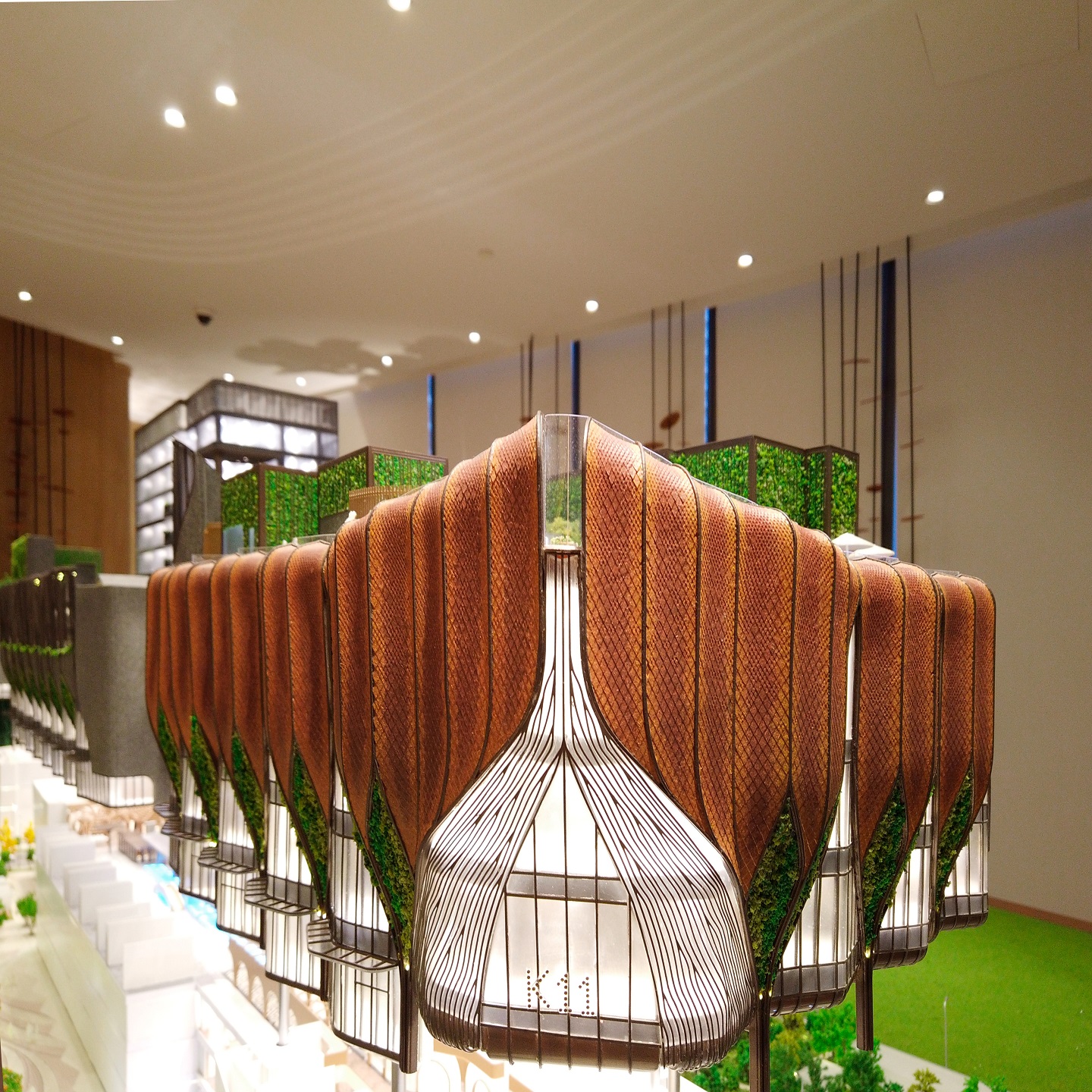
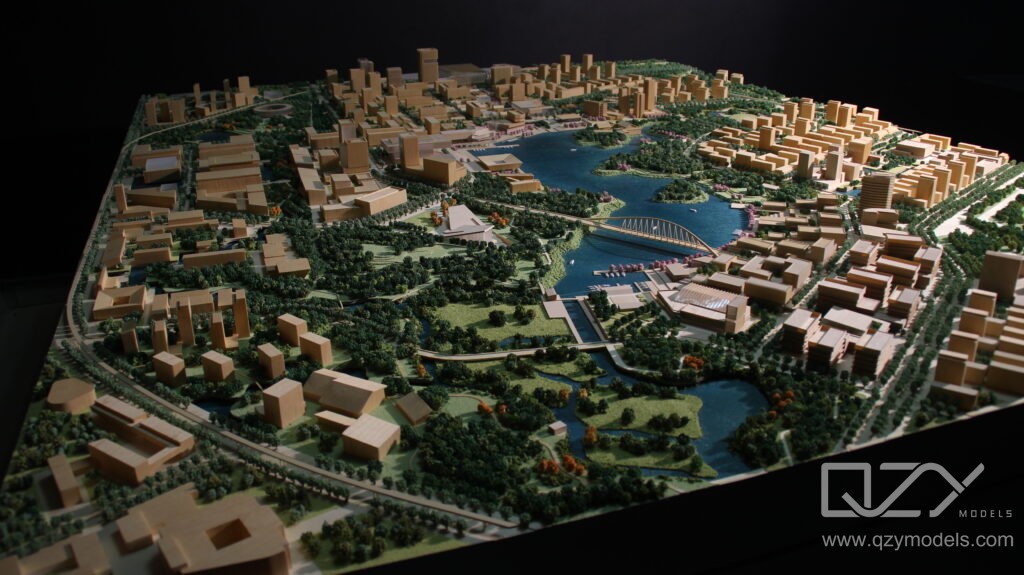
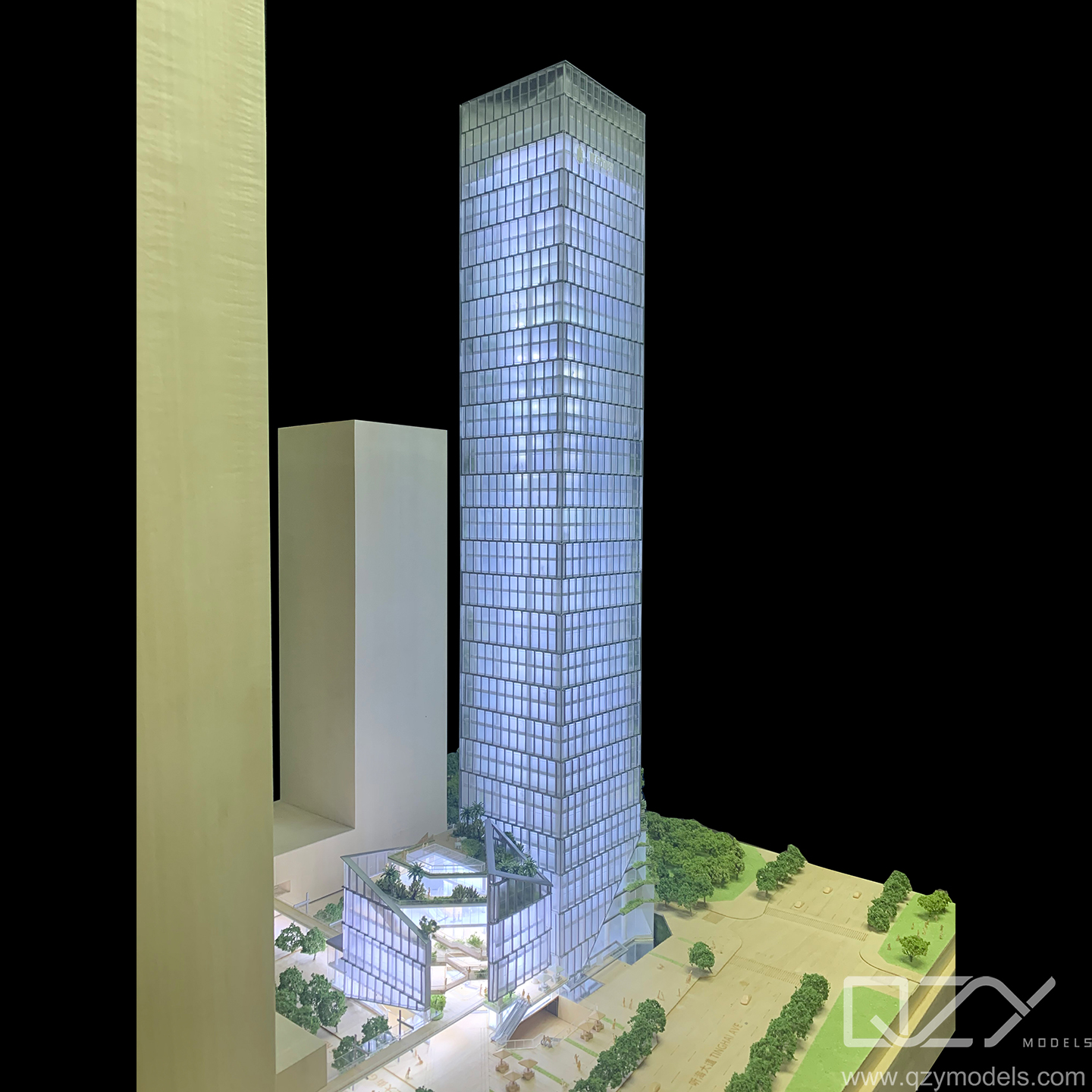
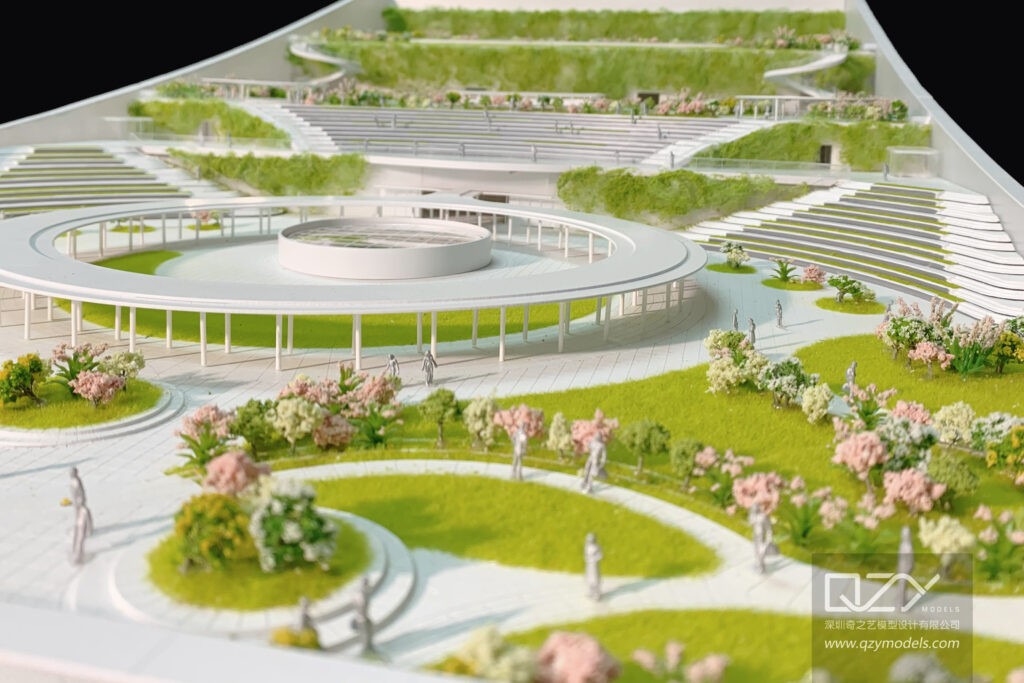
Rapid 3D printing delivers precise, scalable architectural models in hours, not weeks, enabling architects and developers to visualize complex designs with unmatched speed and detail. This technology cuts production time by up to 80% while maintaining photorealistic accuracy, empowering faster client approvals and design iterations for projects worldwide.
What Is the Current State of the Architecture Model Industry?
The architecture model industry faces mounting pressure from tight project timelines and rising client expectations for detailed visualizations. According to a 2023 McKinsey report, 70% of construction projects exceed budgets due to poor early-stage visualization, with physical models often delayed by manual crafting. Global demand for models grew 15% year-over-year in 2025, per Statista data, yet traditional methods struggle to keep pace.
Labor shortages exacerbate delays, as skilled model makers are scarce. A 2024 Deloitte survey found 62% of architecture firms report model production as a bottleneck, averaging 4-6 weeks per complex model. Costs have surged 25% since 2020 due to material inflation and overtime needs.
Why Do Traditional Methods Fall Short?
Handcrafted models rely on foam, wood, and acrylic, prone to human error and material waste. Production times stretch to months for intricate facades, with error rates up to 20% from manual cutting and assembly. Scalability suffers, as replicating designs for multiple stakeholders demands redundant labor.
Consistency varies by artisan skill, leading to mismatched scales or textures across project phases. Maintenance is labor-intensive, with fragile components breaking during transport.
What Are the Limitations of Conventional Solutions?
Traditional CNC milling and laser cutting offer speed for simple shapes but falter on organic geometries like curved facades. Milling wastes 30-50% of materials, per industry benchmarks, and requires costly tooling changes. These methods limit detail resolution to 0.5mm, inadequate for modern parametric designs.
Post-production finishing remains manual, adding 40% to timelines. Compared to additive processes, they lack layer-by-layer precision for internal structures or lattices.
How Does QZY Models’ Rapid 3D Printing Solution Work?
QZY Models integrates industrial SLA and FDM printers with hybrid craftsmanship to produce models at scales from 1:500 to 1:50. Core functions include STL/OBJ file slicing, multi-material printing (resin for details, PLA for massing), and automated support generation for overhangs up to 90 degrees. Their Shenzhen facility handles builds over 1m, with post-processing like UV curing and hand-painting for realism.
QZY Models serves clients like Foster + Partners across 20+ countries, combining 3D printing with laser-cut bases for durability. Capabilities extend to interactive features, such as LED-lit interiors, at 0.025mm resolution.
Global branches in UAE and Saudi Arabia ensure 7-day turnarounds for Middle East projects.
What Advantages Does QZY Models Offer Over Traditional Methods?
| Feature | Traditional Methods | QZY Models Rapid 3D Printing |
|---|---|---|
| Production Time | 4-6 weeks | 3-7 days |
| Detail Resolution | 0.5mm | 0.025mm |
| Material Waste | 30-50% | <5% |
| Cost per Complex Model | $5,000-$15,000 | $2,000-$8,000 |
| Iteration Speed | 1-2 per week | Unlimited digital tweaks |
| Scalability | Limited by labor | Batch printing for 10+ units |
QZY Models reduces costs by 50% on average while boosting precision for urban masterplans.
How Do You Use QZY Models’ Rapid 3D Printing Process?
-
Submit CAD files (STL/OBJ) via online portal with scale and material specs.
-
Receive optimized slicing preview within 24 hours, including support structures.
-
Approve print; production starts on industrial SLA/FDM printers (1-5 days).
-
Post-process: automated curing, manual assembly, painting, and quality check.
-
Ship with protective casing; track via global logistics network.
This 7-step workflow ensures 99% accuracy from digital to physical.
What Real-World Scenarios Prove QZY Models’ Value?
Scenario 1: Architectural Firm Pitching High-Rise
Problem: Tight 10-day deadline for investor presentation.
Traditional: Manual foam model incomplete, missing lattice facade.
QZY Effect: SLA-printed 1:200 model with 0.05mm details delivered in 4 days.
Key Benefit: Secured $50M contract; 75% faster visualization.
Scenario 2: Real Estate Developer Urban Plan
Problem: Phased masterplan needed for 1km site, traditional methods too slow.
Traditional: Modular wood blocks misaligned, 5-week delay.
QZY Effect: FDM-printed modules at 1:500 assembled with magnetic joints.
Key Benefit: Client approved phases on-site; cut review cycle by 60%.
Scenario 3: Government Urban Planning Review
Problem: Complex topography model for public hearing.
Traditional: Hand-sculpted terrain inaccurate at 1:100 scale.
QZY Effect: Resin-printed contours with integrated landscaping.
Key Benefit: Passed regulations first pass; saved 30% on revisions.
Scenario 4: Exhibition Organizer Trade Show Booth
Problem: Interactive interior mockup for 50m² space.
Traditional: Fragile acrylic prone to shipping damage.
QZY Effect: Durable nylon print with LED inserts, shipped to Dubai.
Key Benefit: Zero defects; attracted 20% more leads.
Why Adopt Rapid 3D Printing Now for Future-Proof Architecture?
By 2030, 80% of architecture firms will mandate digital-physical hybrids, per Gartner forecasts, as BIM integration demands rapid prototyping. QZY Models positions clients ahead with scalable tech, reducing project overruns amid urbanization booms in Asia and Middle East.
Delayed adoption risks 25% higher costs from outdated methods.
What Are Common Questions About Rapid 3D Printing Architecture Models?
How accurate are 3D printed models at 1:200 scale?
QZY Models achieves 0.025mm resolution, matching handcraft but 10x faster.
What materials does QZY Models use for durability?
Resin, nylon, and PLA options withstand transport and exhibitions.
Can QZY Models handle large-scale masterplans?
Yes, printers support 1m+ builds, with modular assembly for sites over 1km.
How long does the full process take?
3-7 days from file submission to delivery, globally.
Does QZY Models integrate with BIM software?
Direct STL exports from Revit or Rhino ensure seamless compatibility.
What if revisions are needed post-print?
Digital iterations allow reprints of modules only, minimizing costs.