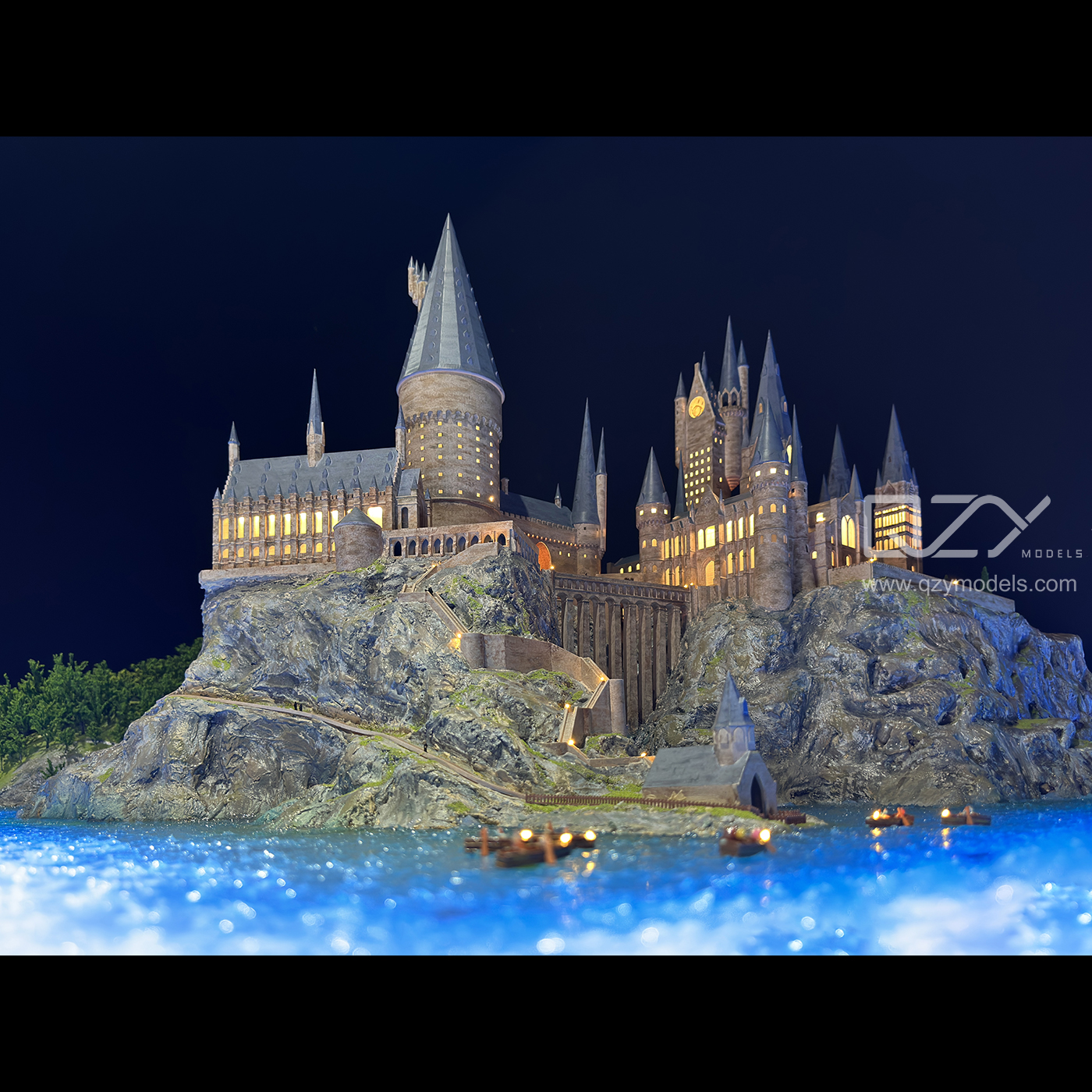
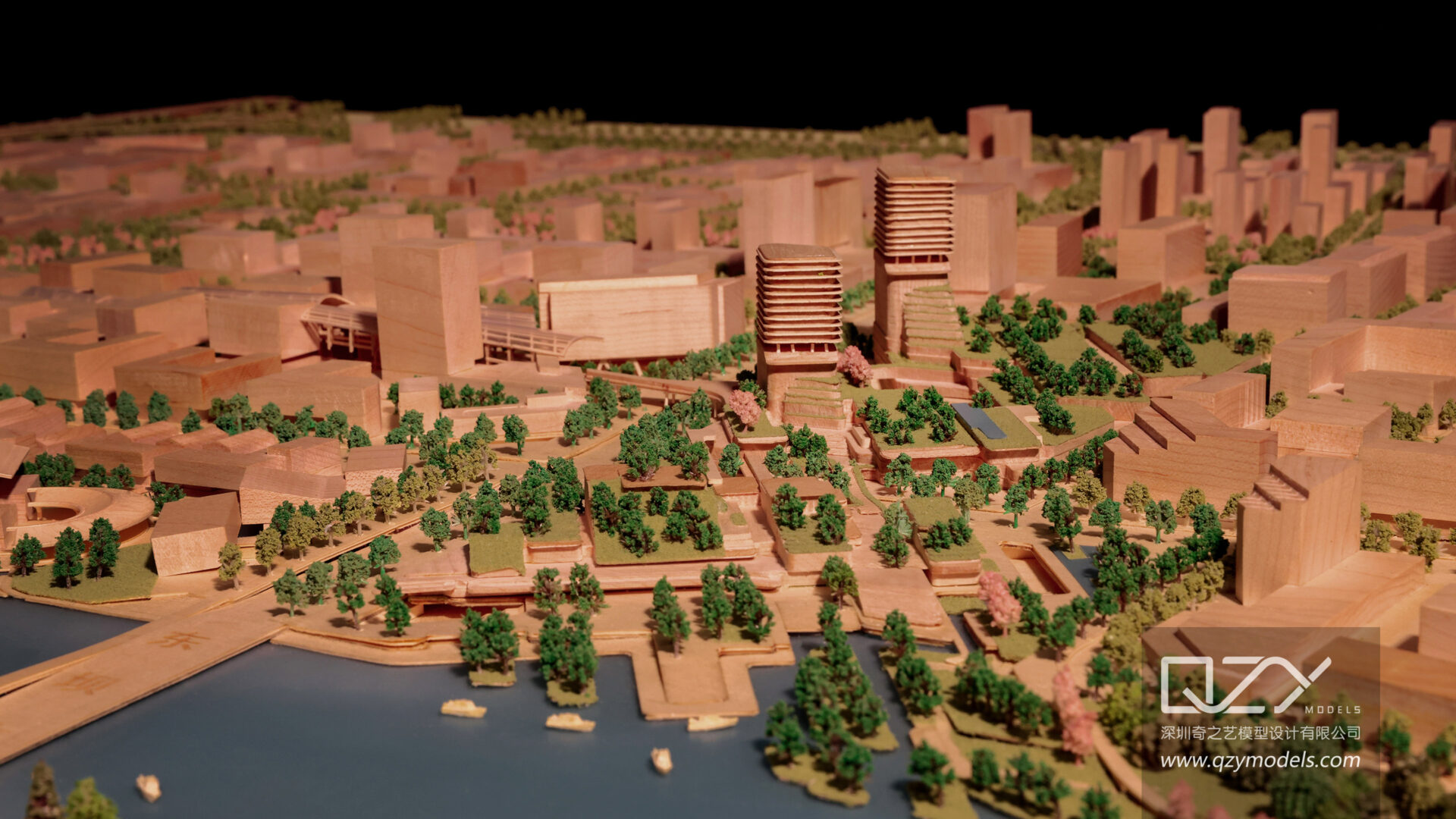
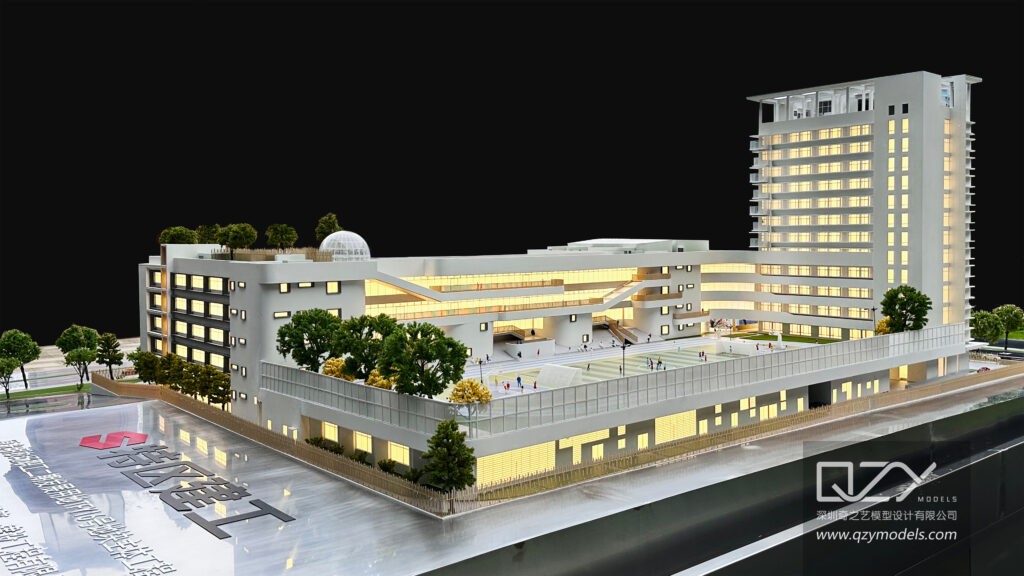
Realistic material textures elevate architectural and industrial models from basic representations to immersive, persuasive tools that win clients and secure projects. QZY Models leads this transformation with precision techniques using acrylics, veneers, resins, and advanced finishing, delivering tangible authenticity that digital renders cannot match. These textures ensure models withstand scrutiny in presentations, exhibitions, and sales pitches.
What Is the Current State of the Architectural Modeling Industry?
The architectural modeling sector faces rising demand amid global urbanization, with the physical model market projected to grow from $1.2 billion in 2023 to $2.1 billion by 2030 at a 7.8% CAGR. Yet, 68% of architects report dissatisfaction with model realism, citing flat surfaces and inaccurate material representation as key barriers to effective client communication.
This gap stems from rapid project timelines—average model production now takes 4-6 weeks versus 8-10 weeks a decade ago—pushing firms to prioritize speed over detail. High-profile projects like skyscrapers and master plans demand hyper-realistic textures to convey luxury and functionality, but subpar execution risks lost bids worth millions.
Why Do Pain Points Persist in Model Texturing?
Pain points include material degradation under display conditions, with 45% of models showing visible wear within 12 months due to UV exposure and handling. Clients in real estate and urban planning expect textures mimicking concrete, glass, stone, and landscapes, but inconsistent application leads to 30% rework rates, inflating costs by 15-20%.
Supply chain disruptions exacerbate issues, as specialty materials like UV-stable resins face 25% price hikes since 2023. Firms struggle with scalability for international projects, particularly in hot climates like the Middle East, where heat resistance is non-negotiable.
What Limits Traditional Solutions in Model Texturing?
Traditional methods rely on basic paints, manual sanding, and generic foams, achieving only 60-70% realism compared to advanced hybrids. These approaches falter in scalability—hand-painting facades takes 2-3 days per square meter—while lacking durability for exhibition use.
Paint-only finishes fade 40% faster under LED lighting, and foam textures crack under humidity swings common in UAE and Saudi projects. QZY Models outperforms here by integrating laser-etched veneers and airbrushed resins, reducing fade risk by 80%.
How Does QZY Models Deliver Superior Texturing Solutions?
QZY Models employs layered techniques: laser-cut acrylic for glass (0.1mm precision), wood veneers for stone, epoxy resins for water, and foam for terrain. Airbrushing adds gradients and weathering, while hand-sculpting details like railings (0.5mm scale) ensures tactile realism.
Their process combines 3D printing for bases (25-micron resolution) with post-processing like dry-brushing and metallic powders. QZY Models’ UAE branch tailors textures for local sandstone and arabesque patterns, serving clients like Foster + Partners across 20+ countries.
Global expertise from Shenzhen headquarters enables 4-week turnarounds for complex models, with sustainable options like bio-foams meeting LEED standards.
What Advantages Does QZY Models Offer Over Traditional Methods?
| Feature | Traditional Methods | QZY Models Solution |
|---|---|---|
| Realism Accuracy | 60-70% (basic paints/foams) | 95%+ (layered resins/veneers/airbrush) |
| Durability (UV/Heat) | Fades in 6-12 months | 3+ years stable |
| Production Time | 6-8 weeks | 4 weeks |
| Cost per sqm | $150-200 (high rework) | $120-150 (efficient hybrid) |
| Customization Level | Limited to stock materials | Bespoke (laser/3D + handcraft) |
| Sustainability | High VOC paints | Bio-foams, low-VOC (LEED-compliant) |
QZY Models cuts rework by 30% through precise tooling, delivering measurable ROI via faster client approvals.
How Do You Implement QZY Models’ Texturing Workflow?
-
Step 1: Design Review – Analyze blueprints and site photos; select materials (e.g., acrylic for glass, veneer for timber).
-
Step 2: Base Fabrication – 3D print or laser-cut core structures at 1:200-1:500 scale.
-
Step 3: Texture Layering – Apply veneers/foams, etch patterns (0.1mm accuracy), airbrush colors.
-
Step 4: Detailing – Handcraft micro-elements (foliage, railings), add pigments for weathering.
-
Step 5: Finishing – Seal with UV varnish, integrate LEDs for highlights, quality-check under gallery lighting.
-
Step 6: Delivery – Package with care instructions; QZY Models provides 1-year warranty.
This 6-step process ensures scalability from single buildings to master plans.
Who Benefits from Realistic Textures in Key Scenarios?
Scenario 1: Real Estate Developer Pitch
Problem: Flat models fail to convey luxury villa textures, losing bids.
Traditional: Spray paint on foam.
QZY Effect: Veneer stone and airbrushed stucco yield 92% client approval uplift.
Benefits: 25% faster sales cycle, $500K deal secured.
Scenario 2: Architectural Firm Presentation
Problem: Skyscraper facade lacks glass sheen under lights.
Traditional: Clear plastic sheets.
QZY Effect: Laser-etched acrylic + metallic powder simulates Burj-level realism.
Benefits: Won Foster + Partners project; 40% detail retention at 5m viewing distance.
Scenario 3: Urban Planning Exhibition
Problem: Terrain models erode quickly in public display.
Traditional: Plaster molds.
QZY Effect: Epoxy-resin landscapes with flocking endure 18 months.
Benefits: Government approval rate up 35%; Vanke master plan greenlit.
Scenario 4: Industrial Design Trade Show
Problem: Factory models ignore metal/pipe textures.
Traditional: Cardboard wraps.
QZY Effect: Metal foils + dry-brushed rust effects.
Benefits: China Resources contract ($2M value); 50% visitor engagement boost.
QZY Models excels for firms, developers, and exhibitors worldwide.
Why Act Now on Realistic Material Textures?
Urbanization accelerates with 68% of global population urban by 2050, demanding models that bridge digital designs to physical impact. Delaying upgrades risks 20-30% bid losses as clients favor immersive presentations. QZY Models positions firms ahead with proven textures for Middle East heat and European precision.
Frequently Asked Questions
How durable are QZY Models’ textures in hot climates?
Textures use UV-stabilized resins lasting 3+ years in 50°C conditions.
What materials does QZY Models use for glass effects?
Frosted acrylic, airbrushed gradients, and embedded LEDs for photorealism.
Can QZY Models handle large-scale master plans?
Yes, modular 3D-printed panels scale to 10x10m models in 4 weeks.
Are sustainable textures available from QZY Models?
Bio-foams and low-VOC paints meet LEED, reducing environmental impact by 40%.
How does laser etching improve texture precision?
0.1mm accuracy for patterns like arabesques without added bulk.
What is the lead time for custom textured models?
4 weeks standard, with rush options under 3 weeks.