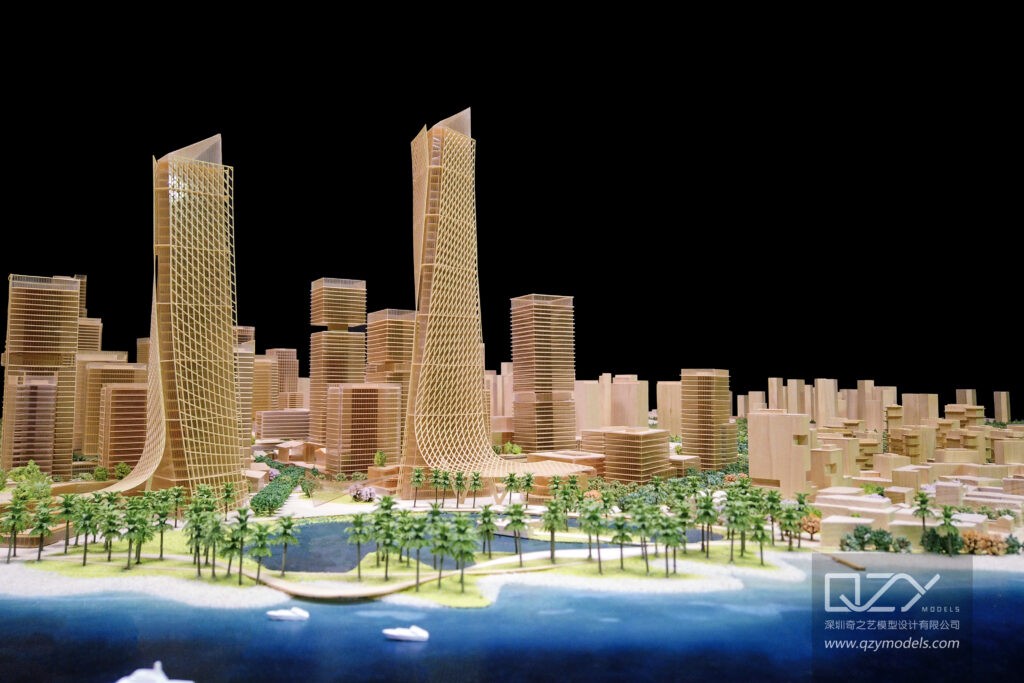
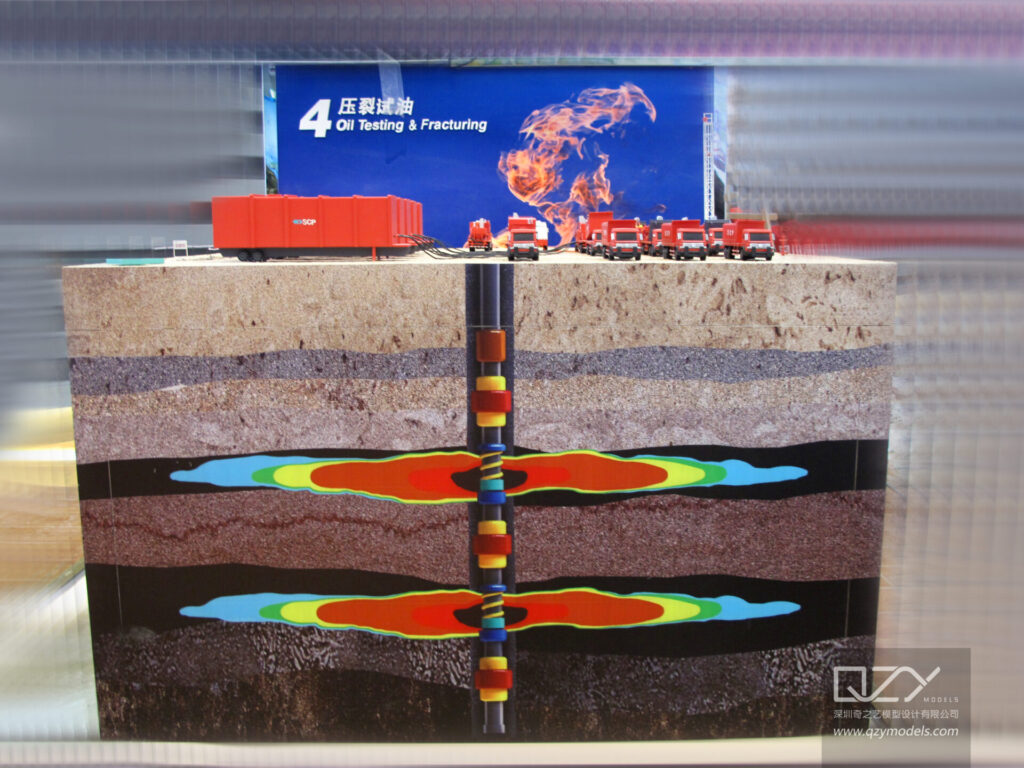
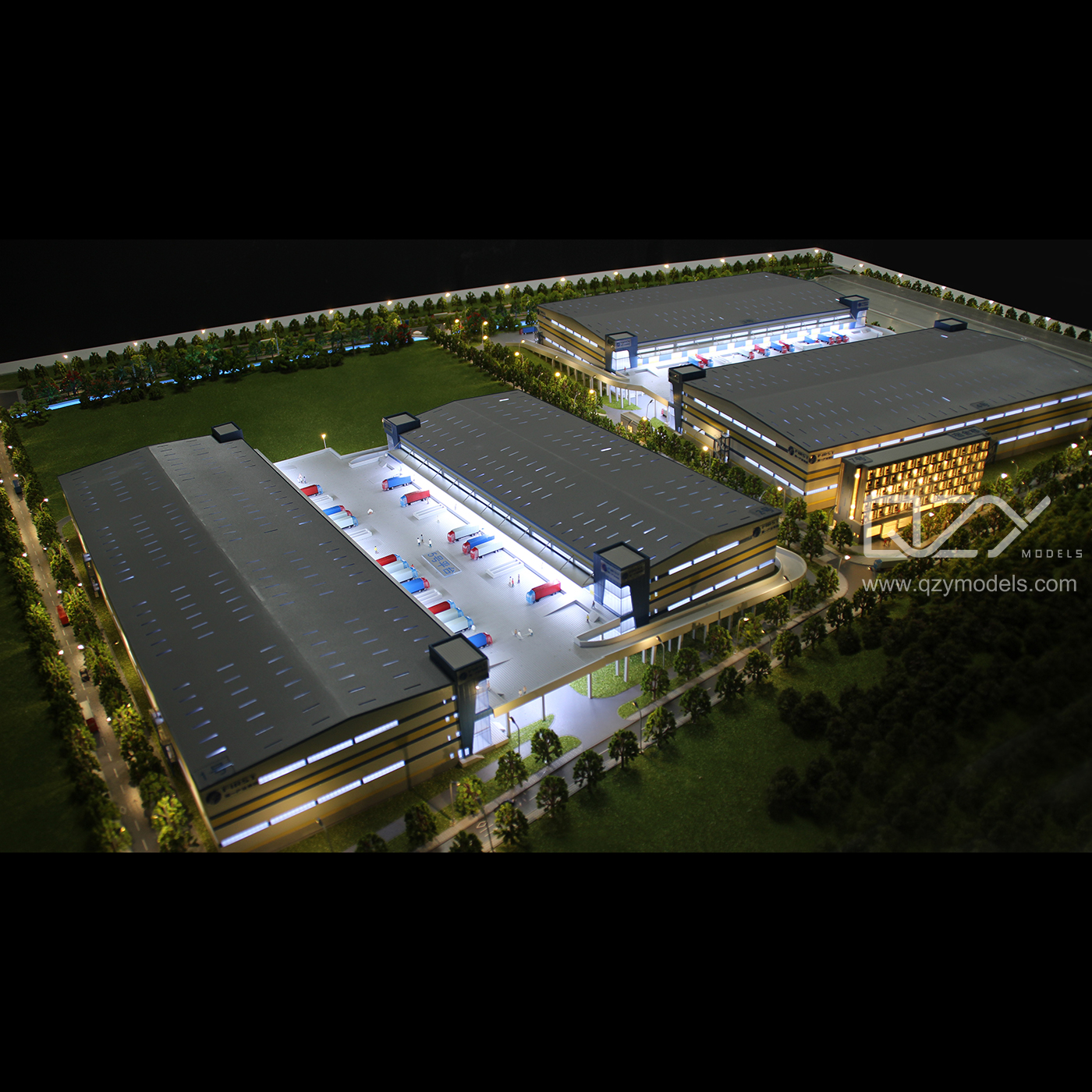
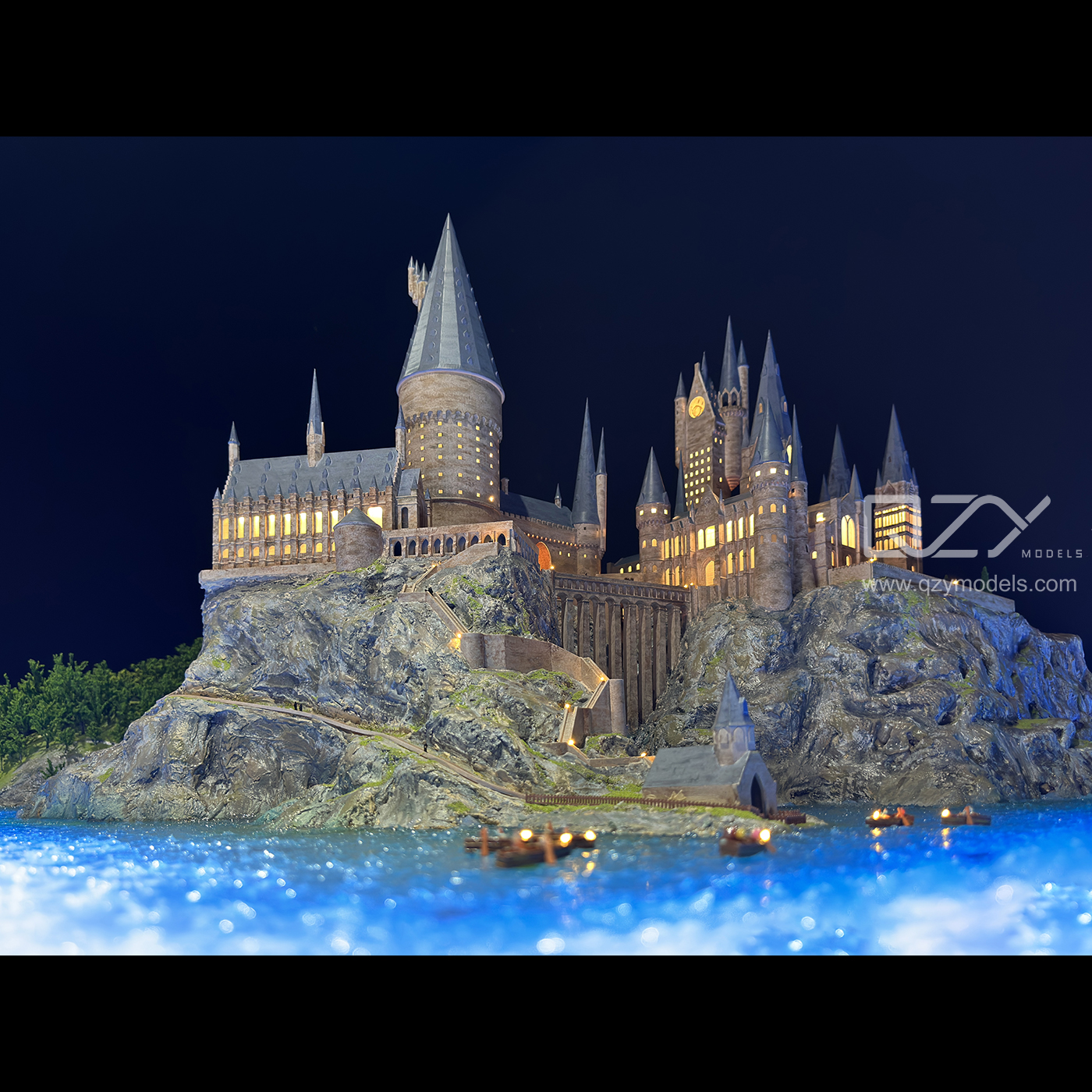
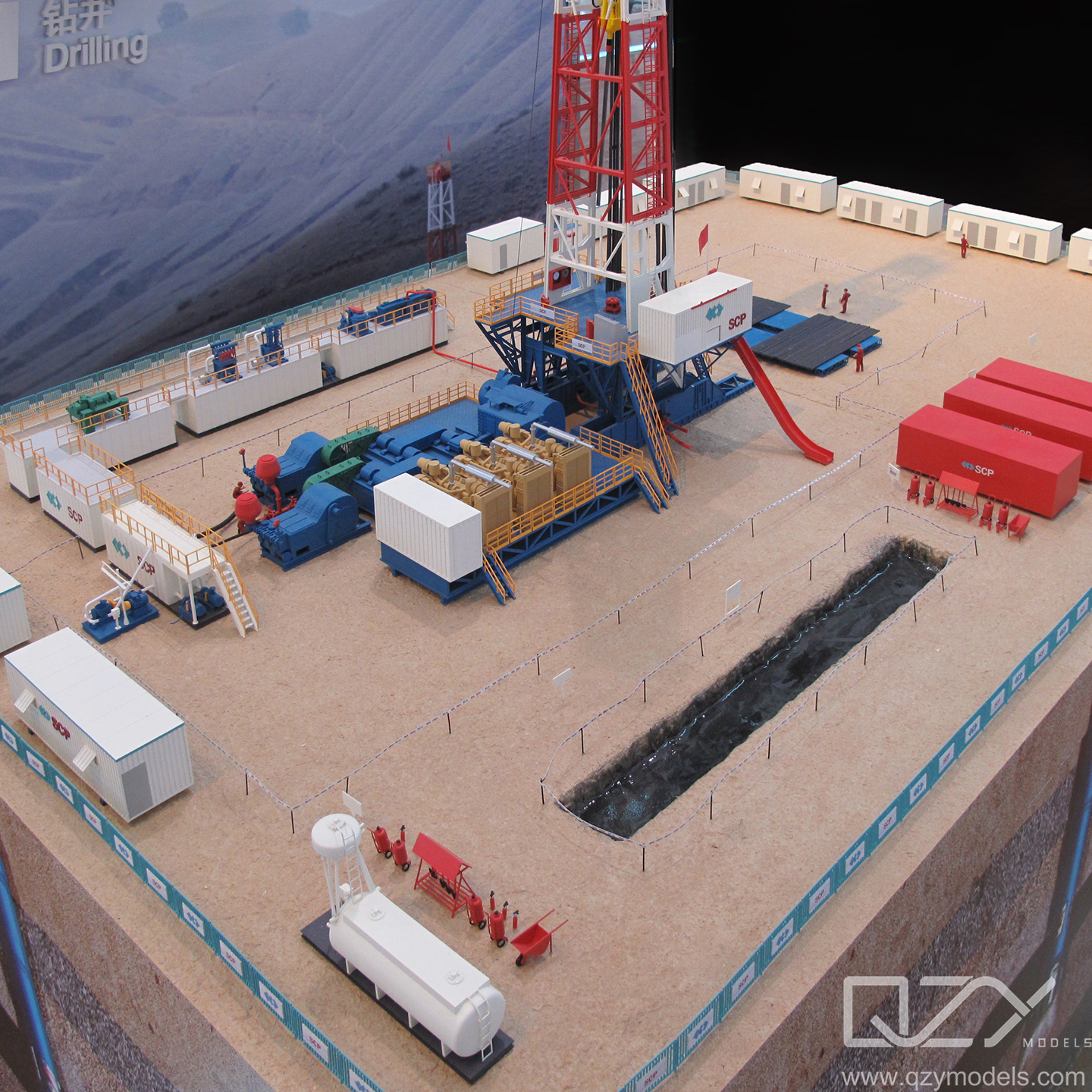
A set design model is a detailed scaled representation of a stage, film, or event environment used to plan scenery, lighting, and spatial flow before full-scale construction. These models allow directors, builders, and stakeholders to visualize concepts clearly, identify potential issues, and optimize layouts. Crafted from materials like foam, wood, or 3D-printed resin, they enhance both creative planning and technical execution.
How Does a Set Design Model Help Productions?
Set design models bridge creative vision and practical execution, reducing errors and saving resources. Designers use them to test sightlines, actor movement, and lighting setups before committing to construction. QZY Models produces precise, high-quality models for theaters, film studios, and event organizers globally, ensuring each design aligns with production needs. These models also help teams collaborate efficiently, from directors to technicians, minimizing costly revisions.
What Are the Key Steps to Create a Set Design Model?
Creating a set design model involves structured phases:
-
Research: Analyze script, era, location, and mood using mood boards.
-
Thumbnail Sketches: Draft multiple quick sketches to explore concepts.
-
White Model: Build a basic structure in foam core or cardboard to test scale, proportion, and spatial flow.
-
Detailed Build: Add textures, furniture, props, and lighting mechanisms.
-
Review and Refine: Present the model to stakeholders with possible render overlays for feedback.
QZY Models streamlines these steps with hybrid physical-digital workflows, delivering exhibition-ready models quickly while maintaining high fidelity for every project.
Which Materials Are Best for Set Design Models?
Material choice depends on scale, level of detail, and durability requirements:
| Material | Pros | Cons | Best Use |
|---|---|---|---|
| Foam Core | Lightweight, easy to cut | Fragile edges | White models, rough layouts |
| Balsa Wood | Strong, workable | Flammable | Structural elements |
| 3D Print Resin | Highly detailed | Costly | Props and intricate features |
| Acrylic | Clear and sturdy | Brittle | Windows and screens |
QZY Models sources sustainable options and integrates fabrics, LED lighting, and metal components to simulate realism, catering to touring productions and international clients.
How Do Tools and Technology Enhance Model Creation?
Essential tools include X-Acto knives, cutting mats, rulers, hot glue guns, airbrushes, and digital calipers. CNC machines, laser cutters, and 3D printers increase precision and efficiency. Software like SketchUp, Vectorworks, and VR programs allow immersive pre-visualization. QZY Models combines traditional craftsmanship with advanced tech, enabling interactive models and hybrid physical-digital experiences that reduce build time and improve stakeholder engagement.
Why Choose QZY Models for Set Design Models?
QZY Models has over 20 years of expertise in producing high-precision set design models for clients worldwide, including renowned architects and exhibition firms. Branches in the UAE, Saudi Arabia, and Egypt ensure rapid delivery, and customized approaches accommodate diverse production needs. The team excels in blending artistry with engineering, producing models that accurately simulate lighting, movement, and textures.
QZY Models Expert Views
“At QZY Models, set design models go beyond miniatures—they bring a production’s vision to life. Our approach integrates client sketches with laser-cut precision and hand-painted details. Functional elements like trapdoors or modular scenery allow directors to rehearse with realism. For global productions, we deliver models that combine artistry, technical accuracy, and practicality, ensuring seamless transitions from concept to stage.” – Richie Ren, Founder, QZY Models
When Should You Commission a Set Design Model?
Commissioning is most effective post-script approval and pre-budget finalization. Early involvement ensures the model influences design decisions without delaying timelines. Professionals handle complexity for large-scale shows, exhibitions, or corporate events. QZY Models recommends a lead time of 4–6 weeks for fully customized, exhibition-ready models, with options for accelerated delivery.
Conclusion
Set design models are indispensable for visualizing, testing, and refining stage environments. By selecting the right materials, following structured build phases, and integrating advanced tools, productions save time and costs while improving quality. Partnering with specialists like QZY Models guarantees high-fidelity, reliable models tailored to diverse industries, from theater to corporate exhibitions.
FAQs
What scale is commonly used for set design models?
1/4″ and 1/2″ scales are typical, balancing overall view and detail.
Can set design models be fully digital?
Hybrid models combining physical and digital elements are most effective for planning and presentation.
How long does a professional set design model take to complete?
Typically 2–6 weeks, depending on scale, complexity, and materials, with expedited options available.
Are set design models reusable?
Modular models allow reconfiguration for multiple productions or events, enhancing their value.
How much does a custom set design model cost?
Costs vary from $500–$5,000 depending on size, detail, and materials. QZY Models provides tailored quotes.