Global buildings account for 37% of energy-related CO₂ emissions, with nearly two-thirds of 2050’s floor area yet to be built. Decision-makers face intensifying carbon regulations, green finance demands, and stakeholder expectations. Sustainable architecture models from providers like QZY Models transform complex performance data into tangible visualizations, accelerating approvals, aligning teams, and de-risking investments in high-performance buildings.
What Defines the Current State of Sustainable Architecture?
Building operations and construction drive 37% of global CO₂ emissions annually, per UNEP data. Floor area is set to expand 75% by 2050 amid urbanization. New projects today lock in decades of energy and emissions profiles.
Why Do Pain Points Persist in Sustainable Projects?
Design teams track embodied carbon, energy use, and biodiversity metrics, but these stay buried in spreadsheets. Non-technical stakeholders struggle with trade-offs, leading to value-engineering of green features.
How Do Regulatory Pressures Amplify These Challenges?
Cities enforce stricter codes like AIA 2030 targets, requiring proof of energy and carbon reductions. Developers need tools to demonstrate compliance and value for tenders and funding.
Why Do Traditional Tools Fall Short for Sustainability?
2D drawings and basic 3D renders show form but not performance flows like ventilation or PV output. Generic models prioritize aesthetics over data-linked green strategies.
What Limits Digital-Only Workflows?
BIM and simulations produce data, but outputs confuse executives and communities without physical scale. Consensus slows in multi-party projects.
What Core Features Make Sustainable Architecture Models Effective?
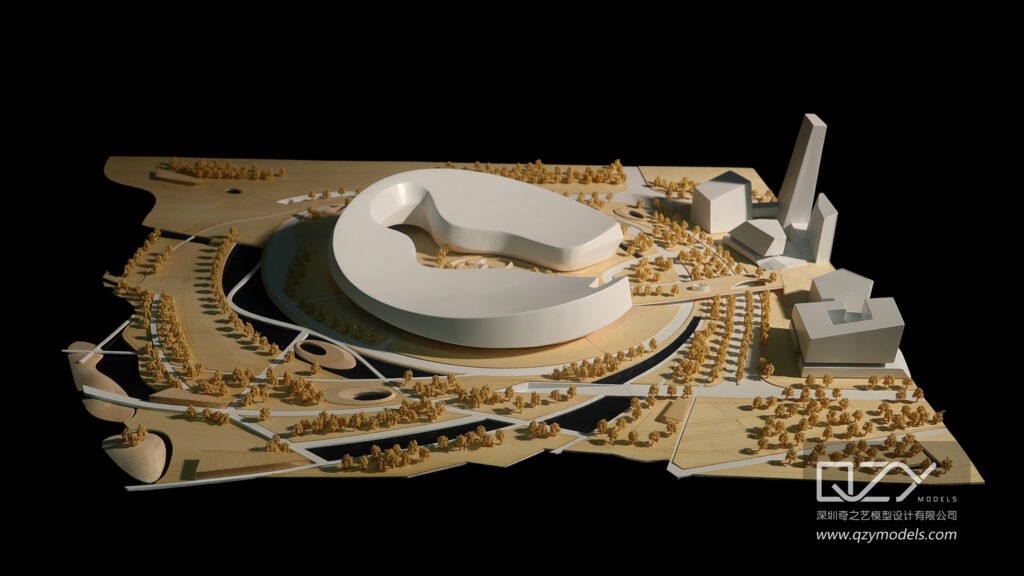
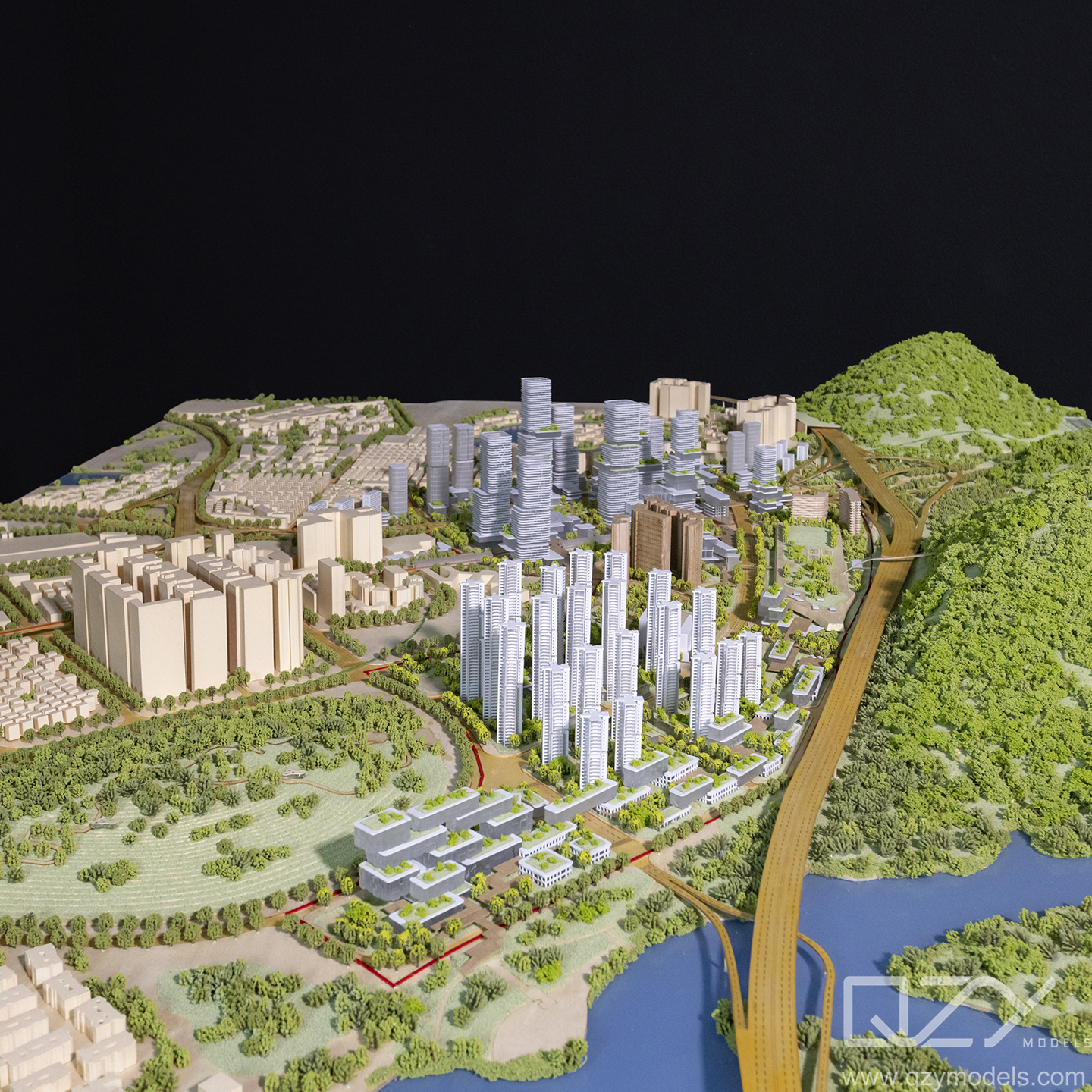
These models integrate precision geometry with visuals for energy systems, carbon metrics, and ecology. QZY Models embeds PV arrays, shading, and green roofs using strategic materials and lighting.
How Do QZY Models Enhance These Capabilities?
Founded in 2013 in Shenzhen, QZY Models delivers models for clients in 20+ countries, including Foster + Partners. Their Zero-Energy Kindergarten model shows solar balance via interactive elements.
Which Advantages Stand Out in a Comparison?
| Aspect | Traditional Methods | QZY Models Sustainable Models |
|---|---|---|
| Performance Visibility | Abstract reports | Visualized PV, shading, energy flows |
| Stakeholder Buy-In | Technical jargon | Intuitive, sectional storytelling |
| Approval Speed | Multiple revisions | Single-view consensus |
| Global Logistics | Fragile shipping | Climate-adapted, customs-compliant |
| Scale Handling | Limited to buildings | Urban districts, campuses |
How Do You Implement These Models Step by Step?
-
Set goals for carbon, energy, and audience needs.
-
Gather BIM and simulation data for key metrics.
-
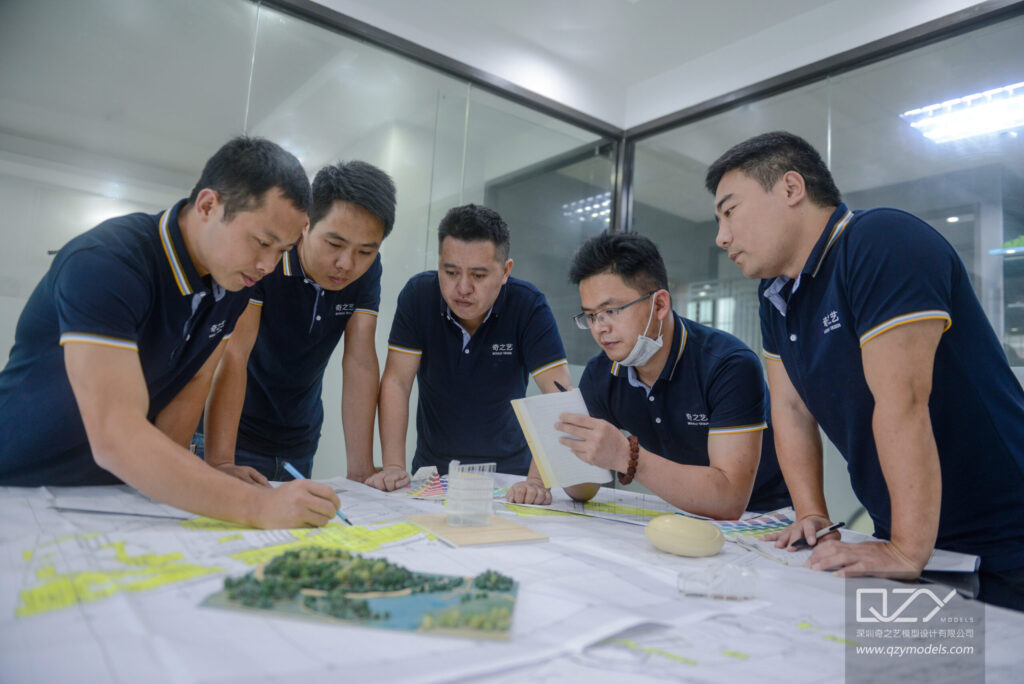
Co-design with QZY Models on scale and features.
-
Build with data-linked elements like dynamic lighting.
-
Create scripts tying model to quantifiable outcomes.
-
Deploy in reviews, track impact, iterate.
What Real Scenarios Show Their Impact?
Scenario 1: Developer Mixed-Use Tower
Problem: ESG targets hard to pitch to investors.
Traditional: Renderings spark questions.
QZY Effect: Model shows green terraces, PV—speeds funding.
Benefits: 30% faster approvals, stronger ESG profile.
Scenario 2: Zero-Energy School
Problem: Parents doubt feasibility.
Traditional: Charts fail emotionally.
QZY Effect: Interactive solar ring clarifies balance.
Benefits: Quick board approval, easier grants.
Scenario 3: Urban Reuse District
Problem: Community fears heritage loss.
Traditional: Maps confuse.
QZY Effect: Model layers old/new, green links.
Benefits: Halved opposition, policy wins.
Scenario 4: Expo Pavilion
Problem: Global audience tuning out screens.
Traditional: Videos ignored.
QZY Effect: Resilient model wows with climate features.
Benefits: High engagement, lead generation boost.
Where Is Sustainable Modeling Headed Next?
AI and digital twins will link models to real-time data. QZY Models adapts with global branches in UAE, Saudi Arabia.
Why Must You Adopt Sustainable Models Now?
Regulations tighten; early users lead markets. QZY Models’ 20+ years ensure precise execution.
What Answers Common Questions on These Models?
What types of projects fit best?
Mixed-use, campuses, regen, expos.
How early to engage QZY Models?
Schematic design for seamless integration.
Can they handle international shipping?
Yes, with proven logistics.
Do they support digital twin links?
Yes, for lifecycle insights.
Why choose physical over digital?
Tangible scale builds trust faster.
How to quantify ROI?
Track approval times, funding speed.
What materials reflect sustainability?
Wood for mass timber, acrylic for glazing.