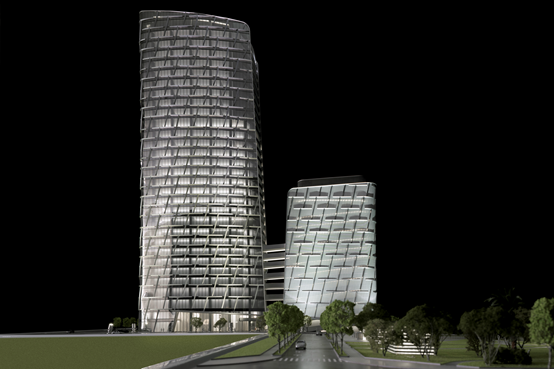
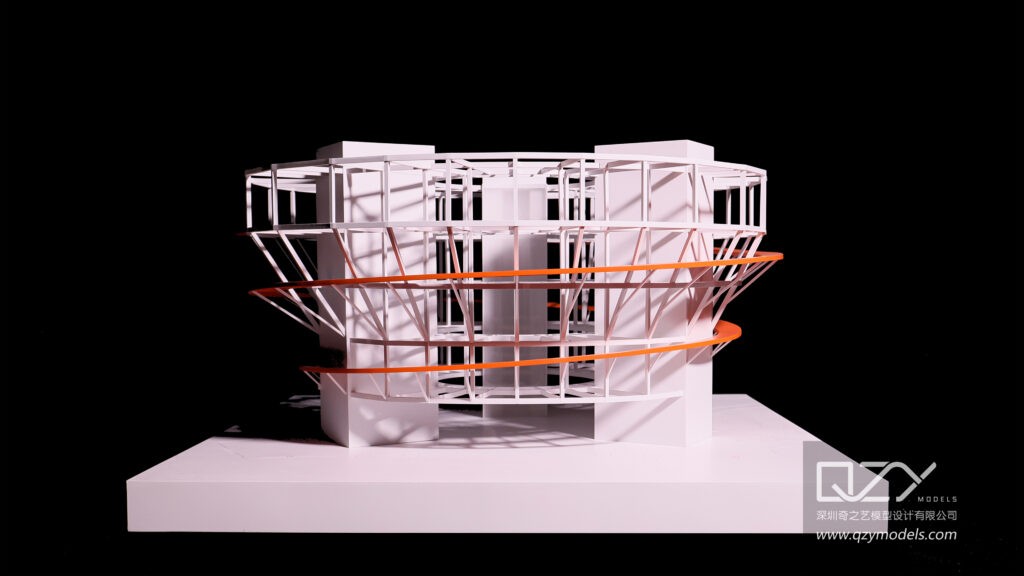
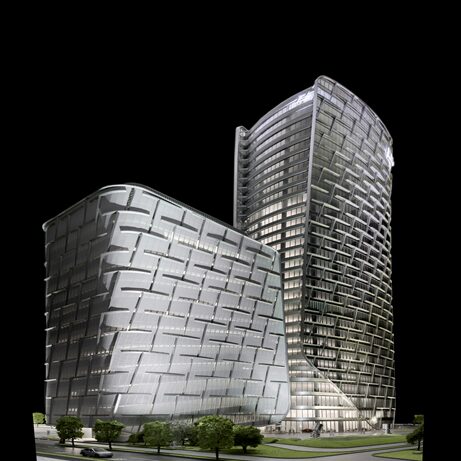
Urban design model customization allows stakeholders to tailor scale, detail, materials, and interactive features to project needs, enhancing visualization, communication, and decision-making. Customized models reflect the unique urban context and stakeholder priorities, improving planning accuracy and stakeholder engagement effectively.
What Is Urban Design Model Customization and Why Is It Important?
Urban design model customization is the process of adapting physical or digital city models to specific project requirements, including scale selection, material choices, level of detail, environmental elements, and interactive components. This customization is crucial because it ensures the model accurately represents design intent, supports clearer communication, and meets functional and aesthetic goals throughout the project lifecycle.
Customized models aid diverse stakeholders in understanding complex urban scenarios, facilitating better collaboration and reducing costly revisions. QZY Models, a leader in this field, offers tailored solutions that align with client objectives and urban realities.
How Do Different Levels of Detail Affect Urban Design Models?
Levels of detail range from basic outlines to ultra-high fidelity, each suited for different project phases:
-
Basic Outline: Simplified structures for early concept development.
-
Moderate Detail: Adds building shapes, roads, and green spaces for mid-phase refinement.
-
High Detail: Incorporates intricate architectural and landscape features for final presentations.
-
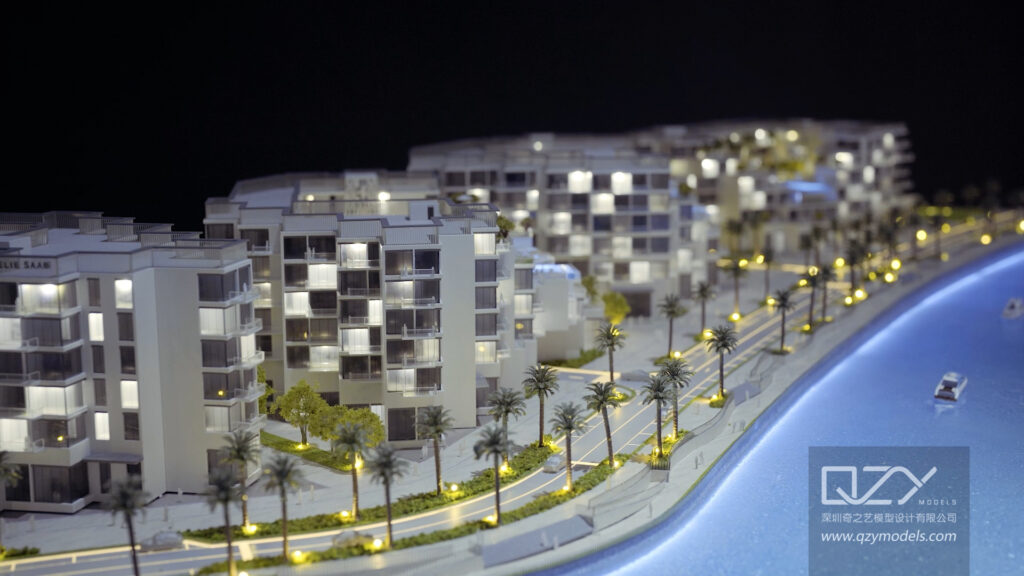
Ultra-High Detail: Showcases minute details like windows, doors, and textures for marketing or exhibition.
Selecting the appropriate detail balances visualization needs, project stage, and budget. QZY Models customizes detail levels to optimize model effectiveness and client requirements.
Which Materials and Technologies Enable Effective Urban Design Model Customization?
Materials commonly used include wood, plastic, metal, foam, and acrylic, chosen for durability, aesthetics, and cost-efficiency. Technologies enhancing customization involve:
-
3D Digital Modeling Software: AutoCAD, Revit, SketchUp for precise design and edits.
-
3D Printing: Converts digital plans into accurate physical models.
-
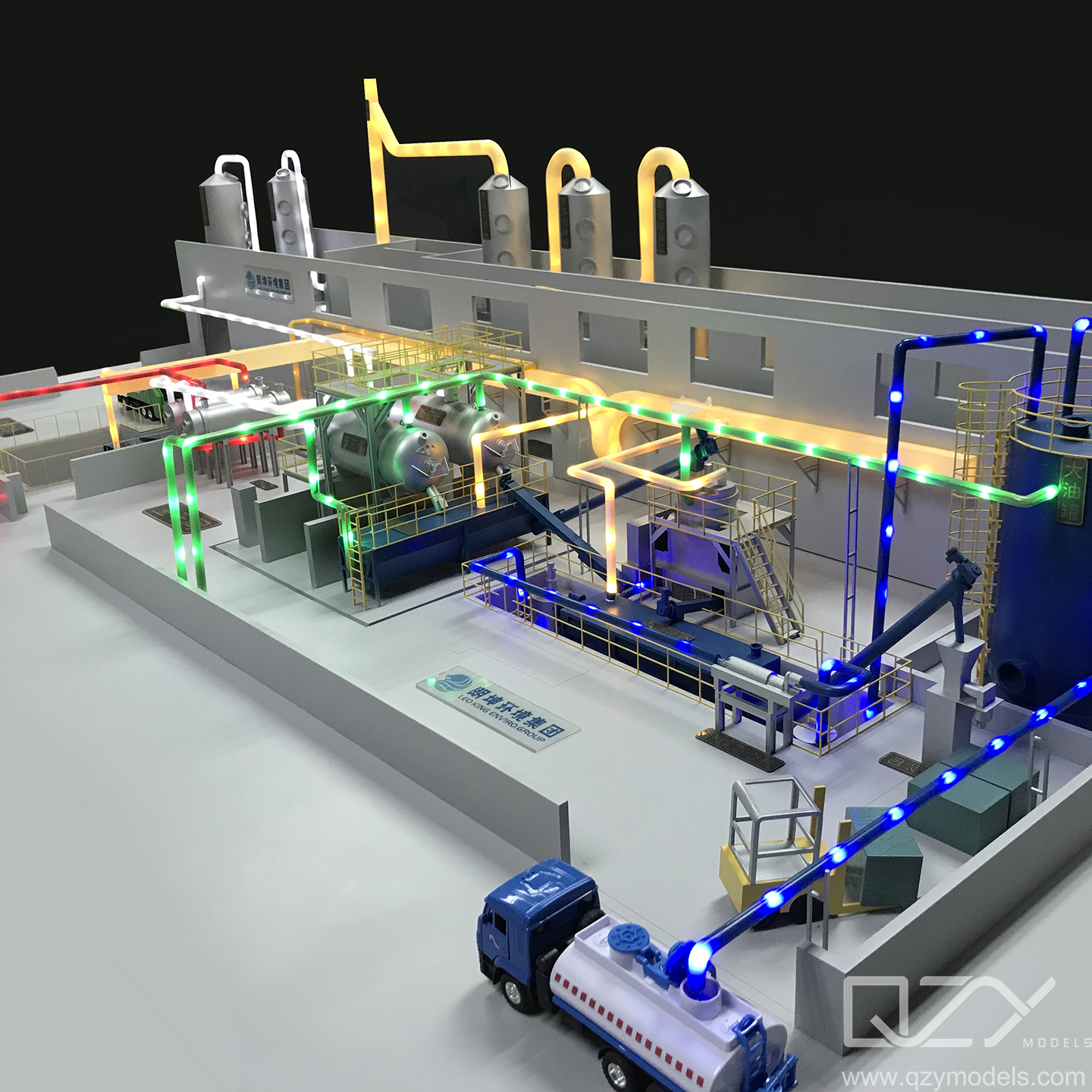
Interactive Features: LED lighting, motorized parts, and digital interfaces add realism and engagement.
-
Environmental Integration: Incorporation of vegetation, water features, and topography for context accuracy.
QZY Models balances traditional craftsmanship with cutting-edge technologies to deliver customized, high-quality urban design models.
| Customization Aspect | Description | Benefits |
|---|---|---|
| Scale Levels | Standard and custom scales (e.g., 1:500, 1:1000) | Tailored scope and detail balance |
| Materials | Wood, plastic, metal, foam, acrylic | Durability, aesthetic variety |
| Detail Level | From basic outlines to ultra-high fidelity | Appropriate to project phase |
| Tech Enhancements | 3D printing, LED lighting, interactive controls | Engagement and realism |
Why Is Customization Crucial for Stakeholder Engagement in Urban Projects?
Customization enables models to reflect stakeholder-specific priorities, enhancing understanding and collaboration. A model tailored to highlight environmental concerns, traffic flow, or architectural style helps stakeholders visualize impacts and contribute meaningfully to discussions. This targeted visualization promotes transparency, trust, and consensus-building among planners, officials, investors, and communities.
QZY Models emphasizes that well-customized urban design models serve as central communication tools, making complex designs approachable and actionable.
When and How Should Urban Design Model Customization Be Implemented?
Customization should begin early in the project during conceptual design to guide decision-making and evolve through subsequent phases for coordination, marketing, and public consultation. An iterative process facilitates timely updates reflecting design changes, regulations, or stakeholder feedback.
Collaborating with specialists like QZY Models ensures strategic customization, balancing innovation, precision, and cost control across the project timeline.
Who Benefits Most from Customized Urban Design Models?
Key beneficiaries include urban planners, architects, developers, government agencies, community groups, and investors. Customized models improve planners’ design validation, aid developers in risk mitigation, assist officials in transparent communication, engage communities effectively, and provide investors with clear project understanding.
QZY Models highlights that customization amplifies the model’s utility by addressing diverse needs, driving project success.
Can Urban Design Model Customization Include Interactive and Environmental Features?
Yes, urban design models can be enhanced with interactive elements such as LED lighting for day/night simulation, moving parts to demonstrate traffic or pedestrian flows, and digital interfaces for virtual walkthroughs. Environmental features like realistic vegetation, water bodies, terrain, and sustainable design elements improve context accuracy and stakeholder immersion.
These features elevate the model’s storytelling power and analytical value. QZY Models integrates such elements expertly to deliver compelling urban narratives.
How Does Quality Control Impact Customized Urban Design Models?
Maintaining quality and precision during customization is vital to prevent misrepresentation and stakeholder mistrust. High craftsmanship ensures accurate proportions, realistic materials, and flawless finishes, while rigorous quality checks catch errors early.
QZY Models combines advanced production techniques with skilled artisanship to uphold quality standards, ensuring that customized models deliver both aesthetic appeal and reliable data.
QZY Models Expert Views
“Customization in urban design modeling is not just a luxury but a necessity to fully capture the complexity and uniqueness of each city project. At QZY Models, we tailor every aspect—from scale to materials, from environmental details to interactive components—to meet client goals and project realities. This bespoke approach fosters improved communication among stakeholders, reduces costly misunderstandings, and breathes life into urban visions. In today’s fast-evolving urban challenges, customized models deliver clarity, engagement, and confidence, essential for successful, sustainable city development.” — Richie Ren, Founder of QZY Models
Conclusion: Key Takeaways and Actionable Advice
Urban design model customization transforms generic representations into powerful, precise tools tailored for specific projects and stakeholders. Choosing appropriate detail levels, materials, and technologies while integrating environmental and interactive features enhances model effectiveness. Early and iterative customization with expert partners like QZY Models ensures models remain relevant, engaging, and accurate throughout the project. Prioritizing quality and collaboration accelerates decision-making and fosters stakeholder alignment, ultimately supporting sustainable, well-planned urban environments.
Frequently Asked Questions
How Can Parametric Urban Design Model Customization Improve City Planning Accuracy?
Parametric urban design model customization improves planning accuracy by allowing planners to adjust density, height limits, and land use ratios in real time. This enables rapid scenario testing, data driven comparisons, and early risk detection. Physical validation models from QZY Models further enhance precision by translating digital data into tangible, decision ready insights.
How Does GIS Integrated Model Customization Increase Spatial Planning Precision?
GIS integrated model customization enhances spatial planning precision by layering demographic, transportation, and environmental data into one adaptive framework. Planners can identify conflicts, optimize infrastructure placement, and forecast growth patterns accurately. Combining geospatial analytics with scaled physical models improves clarity for approvals and stakeholder communication.
How Can Smart City Digital Twin Customization Boost Predictive Planning Accuracy?
Smart city digital twin customization strengthens predictive planning accuracy through real time data simulation, infrastructure stress testing, and performance forecasting. Planners can evaluate energy use, mobility flows, and growth impacts before implementation. Pairing digital twins with precision built physical models ensures clearer presentations and more confident investment decisions.
How Do Customized Zoning Simulation Models Improve Land Use Efficiency?
Customized zoning simulation models improve land use efficiency by testing FAR adjustments, mixed use distribution, and regulatory compliance in advance. Planners can compare multiple density scenarios and select the highest value configuration. Actionable simulations reduce approval delays and align developments with long term urban growth strategies.
How Can Transportation Model Customization Improve Traffic Flow Forecasting Accuracy?
Transportation model customization enhances traffic flow forecasting accuracy by simulating peak loads, transit demand shifts, and multimodal integration. Planners can pinpoint congestion hotspots and test mitigation strategies before construction. Integrating analytical outputs into scaled presentation models clarifies mobility planning for decision makers and investors.
How Does Environmental Model Customization Strengthen Climate Resilient Urban Planning?
Environmental model customization supports climate resilient urban planning by simulating flood risk, wind patterns, solar exposure, and heat island effects. Planners can optimize building orientation and green space allocation to reduce long term environmental impact. Data aligned physical representations make sustainability strategies easier to validate and approve.
How Can Feasibility Model Customization Increase Urban Development Success Rates?
Feasibility model customization increases urban development success rates by aligning financial projections, site constraints, and design efficiency in one tested framework. Developers can evaluate ROI scenarios and construction phasing before commitment. QZY Models delivers highly detailed physical models that strengthen investor confidence and accelerate funding approvals.
How Can 3D Urban Design Scenario Customization Improve Stakeholder Decision Making?
3D urban design scenario customization improves stakeholder decision making by visualizing height variations, public space layouts, and infrastructure integration in realistic scale. Clear visual comparison reduces misunderstandings and speeds consensus. High precision physical models transform complex proposals into compelling presentations that drive faster approvals and stronger market impact.