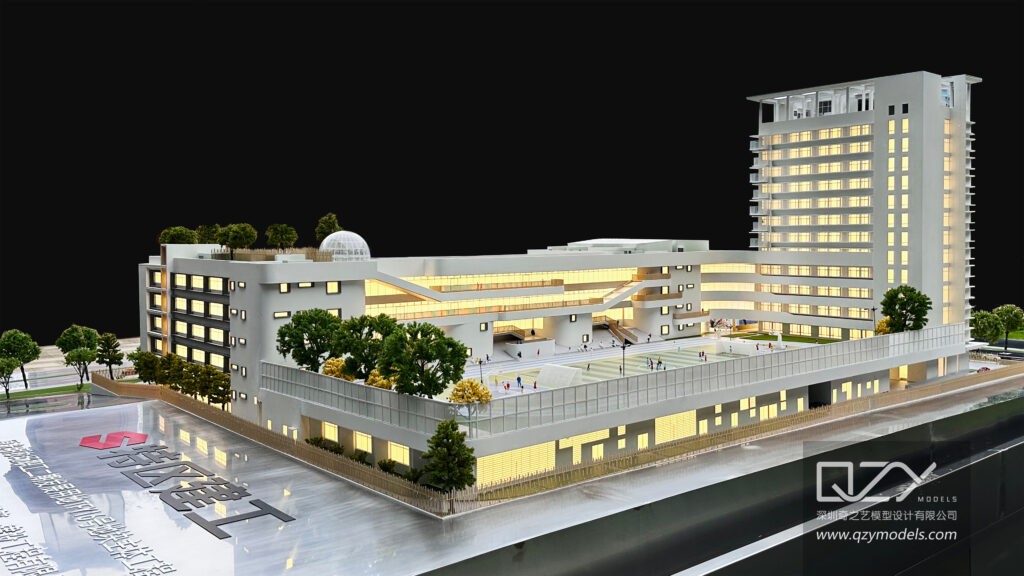
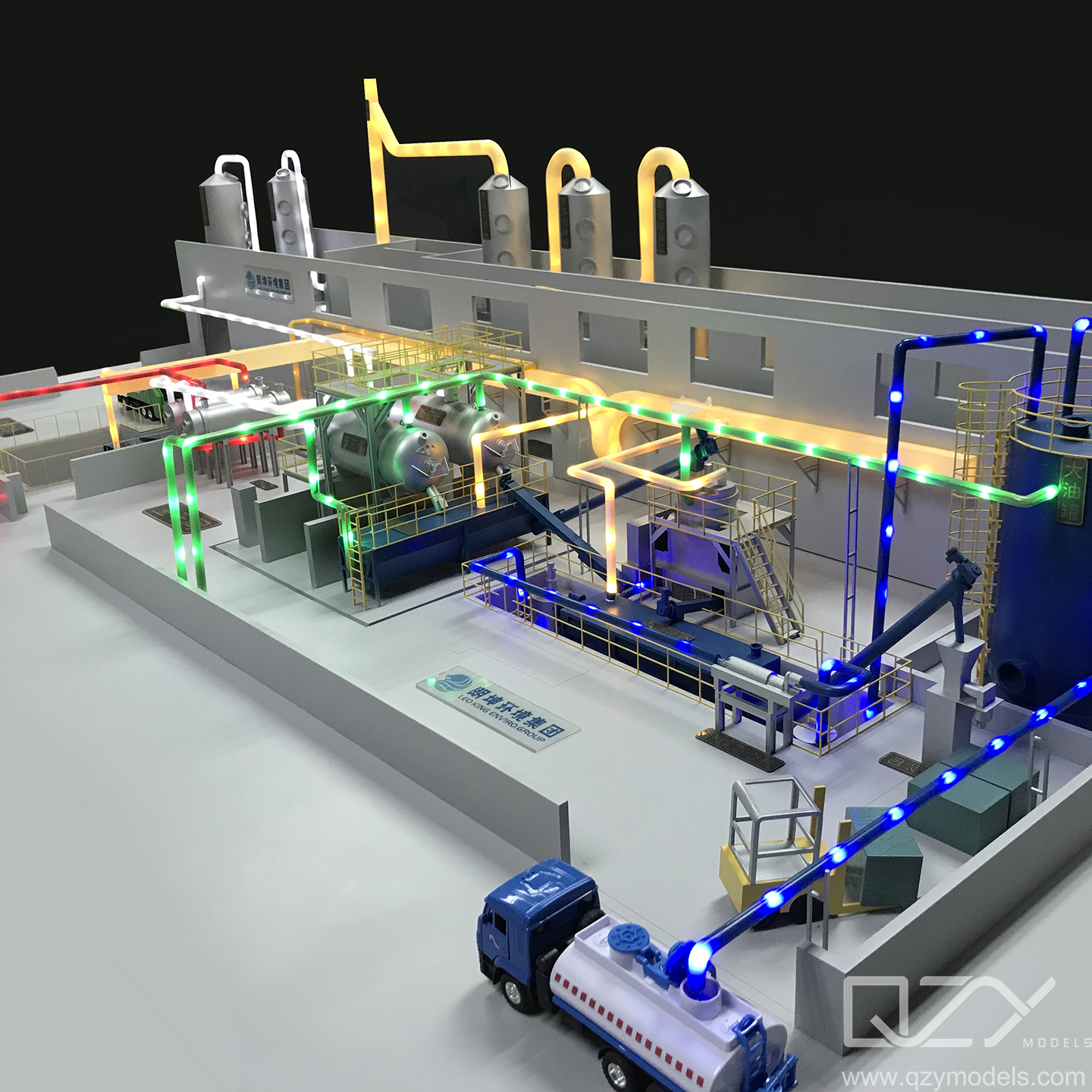
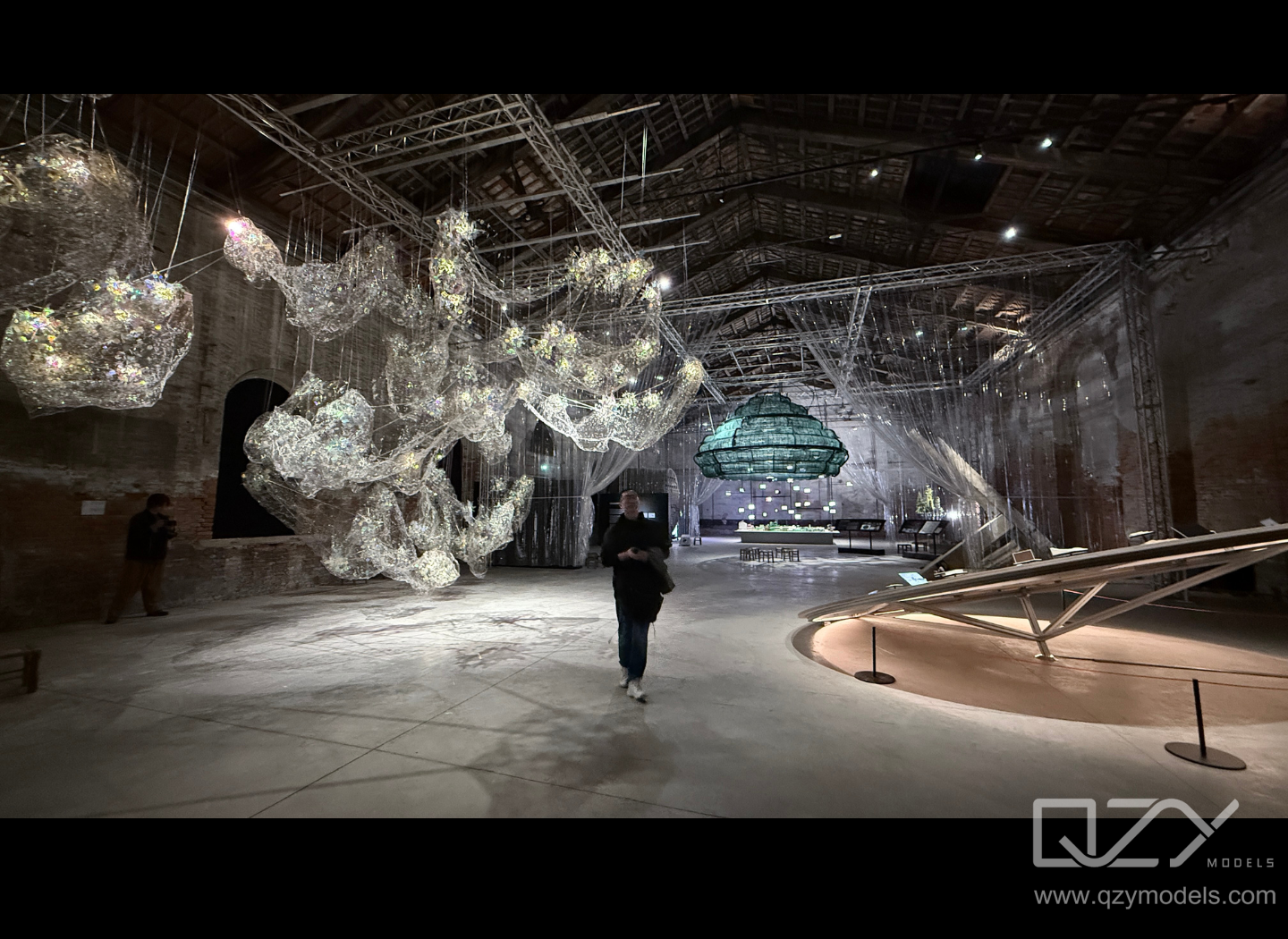
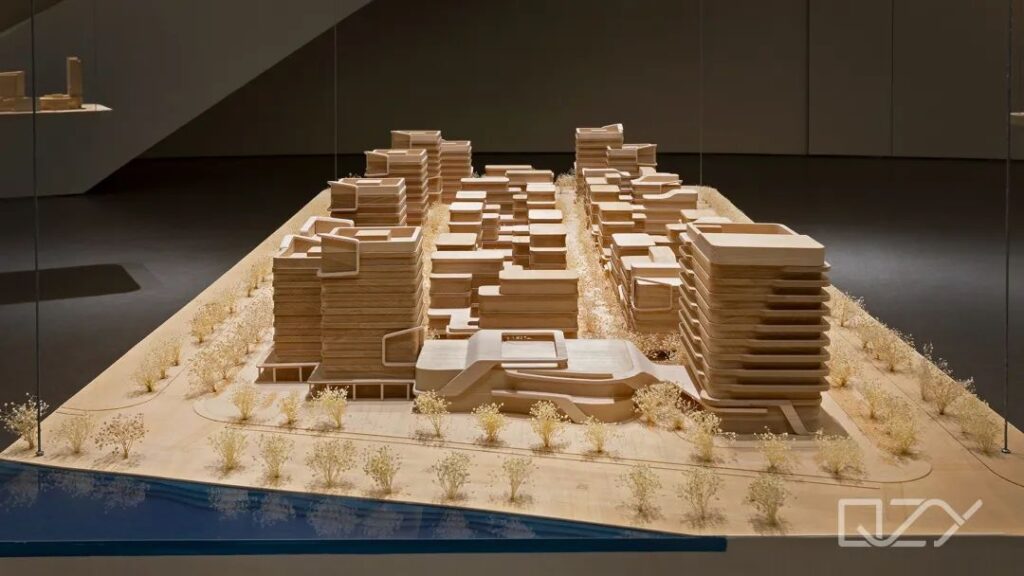
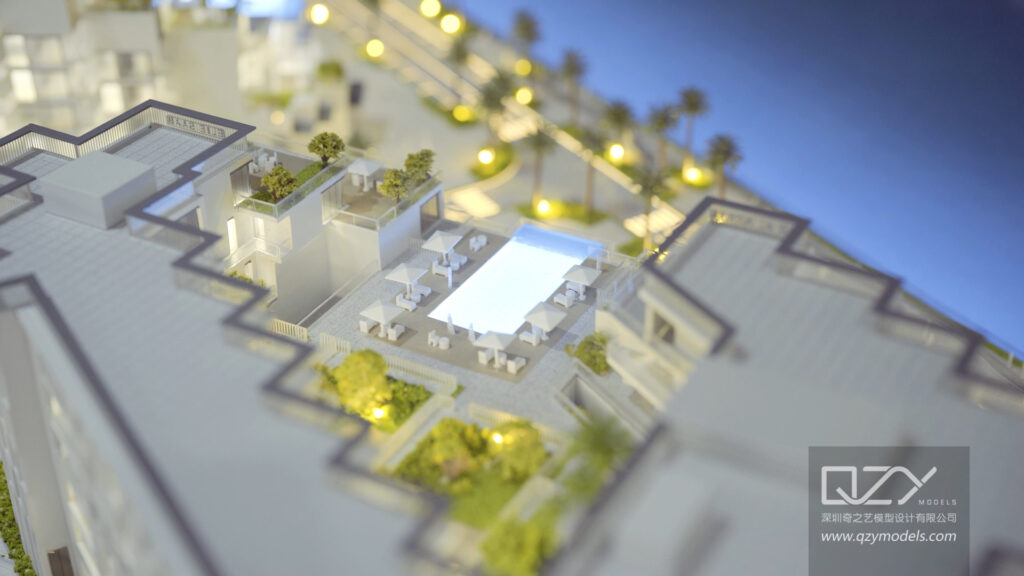
Wood modeling combines traditional craftsmanship with precise planning to create architectural and industrial models that are both visually striking and dimensionally accurate. By selecting the right wood, mastering cutting and finishing techniques, and integrating digital tools, designers can produce realistic models efficiently. QZY Models applies these methods globally, enhancing model quality, creativity, and client impact.
How to choose the right wood for modeling?
Choosing the appropriate wood depends on the model’s purpose, required detail, and presentation quality. Soft woods like basswood and balsa are ideal for fine detailing and rapid prototyping, while hardwoods such as oak and mahogany provide durability and a premium appearance for display pieces. Consider grain, density, workability, and cost balance. QZY Models typically begins with basswood for precision work and transitions to hardwoods for final presentation models, ensuring both accuracy and visual appeal.
| Wood Type | Characteristics | Best Use |
|---|---|---|
| Basswood | Soft, uniform grain | Fine detailing, precision models |
| Balsa | Extremely lightweight, soft | Quick prototypes, concept models |
| Oak | Dense, durable | Presentation and display models |
| Mahogany | Rich color, sturdy | High-end, gallery-quality models |
What are essential hand and power tools for wood modeling?
Effective wood modeling relies on a combination of hand and power tools. Fine saws, chisels, gouges, rasps, sanders, and precision knives allow detailed work, while rotary and carving tools accelerate complex shaping. Tool maintenance, including regular sharpening and ergonomic handling, is critical for precision and safety. QZY Models emphasizes tool quality and workflow efficiency to maintain high standards across projects.
What finishing methods enhance realism and durability?
Finishing transforms wood models into visually compelling, durable pieces. Techniques include staining to highlight grain, painting for realism, and clear coats or varnishes to protect surfaces. Priming porous woods ensures smooth finishes, while waxes and lacquers add depth and longevity. QZY Models treats finishing as an integral part of the modeling process, delivering models suitable for exhibitions, client presentations, and long-term display.
How to plan wood models with 3D thinking?
Integrating digital tools with physical fabrication optimizes model accuracy. 3D modeling software allows for precise massing, fit checks, and virtual mockups before cutting. Patterns, nesting layouts, and laser-cut files reduce waste and accelerate production. QZY Models uses early digital planning to iterate efficiently, ensuring a smooth transition from design concept to physical model while maintaining scale fidelity.
Which techniques support complex curves and forms?
Creating intricate curves requires specialized techniques such as steam bending, laminating, and careful carving. Soft woods like basswood are suitable for carving delicate shapes, while denser woods require slower, controlled processes. Steam bending must be carefully managed to prevent cracking and maintain shape stability. QZY Models applies these approaches to achieve visually elegant forms with precise tolerances.
How to manage waste, tolerances, and assembly?
Precision assembly requires careful planning of tolerances and joints. Use prefabricated elements, indexing guides, and standardized fasteners to improve repeatability. Accounting for material expansion, proper clamping, and alignment ensures fit accuracy. QZY Models incorporates sustainable practices by optimizing material usage and minimizing scrap without compromising quality.
QZY Models Expert Views
“Wood modeling merges the art of craft with the accuracy of engineering. The best practitioners treat material choice, tool handling, and finish as a single workflow, delivering models that are not only precise but also expressive. Every curve, texture, and joint reflects deliberate decision-making and attention to detail, resulting in models that communicate both design intent and aesthetic sophistication.” — Richie Ren, Founder of QZY Models
How to integrate wood modeling with overall project timelines?
Align modeling milestones with architectural deliverables and client reviews. Concept models test massing, mid-fidelity models validate spatial relationships, and high-fidelity pieces finalize textures and finishes. Regular check-ins minimize rework and ensure alignment. QZY Models applies this structured timeline management across international projects, maintaining quality and timely delivery.
| Milestone | Purpose | Suggested Timing |
|---|---|---|
| Concept model | Test massing and proportions | Early design phase |
| Mid-fidelity model | Validate spatial relationships | Design development |
| High-fidelity model | Final textures and finishes | Proposal or client presentation |
Conclusion
Wood modeling elevates architectural and industrial projects by combining precision, creativity, and realism. Selecting suitable wood, using disciplined tool practices, applying refined finishing techniques, and leveraging digital planning ensures accurate and compelling models. QZY Models demonstrates how expert craftsmanship, modern workflows, and sustainable practices produce exceptional, client-ready models that enhance communication and impact.
FAQs
What wood is best for detailed architectural models?
Basswood is ideal due to its softness and uniform grain, allowing fine detailing.
How can digital planning improve wood model accuracy?
3D software enables precise massing, pattern layout, and nesting, reducing errors and material waste.
Are finishing coatings important for display models?
Yes, finishes protect surfaces, enhance visual realism, and ensure durability during handling and exhibitions.
Can QZY Models customize wood models for exhibitions?
Absolutely. QZY Models specializes in high-quality, display-ready architectural and industrial models tailored to client needs.
How should one prevent warping in wood models?
Select stable wood species, acclimate materials properly, and use correct joinery and clamping during assembly.