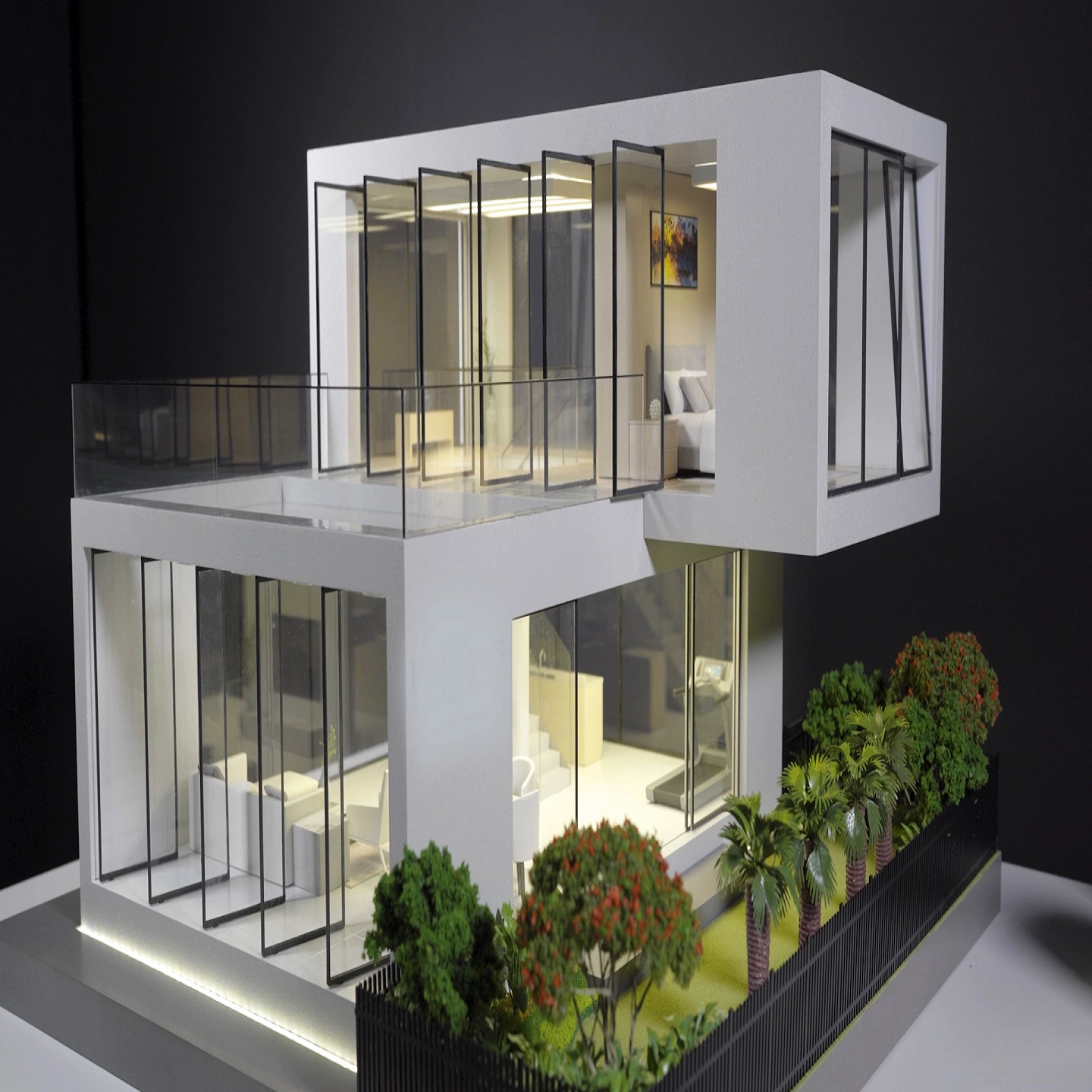
Architectural model making is an essential craft in the built environment industry, connecting design vision with tangible reality. As digital tools advance and global projects demand higher precision, professional model makers like QZY Models are redefining the field through innovation, technology, and craftsmanship.
How is the Current Industry Situation Creating New Challenges?
According to the American Institute of Architects (AIA), global architectural design output exceeded $594 billion in 2025, with the model-making segment projected to grow by 8.2% annually through 2030. Yet the demand for physical models outpaces the number of qualified model makers. Over 60% of architecture firms report challenges in sourcing precise, presentation-grade models for clients. This shortage delays project approvals and weakens communication between designers and stakeholders. In markets such as the U.S., Middle East, and Asia, developers increasingly rely on specialized providers like QZY Models to bridge the gap between digital conception and physical visualization. The trend highlights a strong opportunity for individuals willing to master architectural model-making skills with a professional foundation.
What Are the Key Pain Points in the Model-Making Industry?
High client expectations, limited skilled labor, and rising costs create pressure on model fabrication workflows. Many design firms lack in-house model production teams, forcing reliance on external vendors. Furthermore, sustainability concerns drive demand for eco-friendly materials and digital–physical integration. Firms must now balance aesthetics, precision, and efficiency—all while meeting tight deadlines and international quality standards.
Why Are Traditional Solutions No Longer Enough?
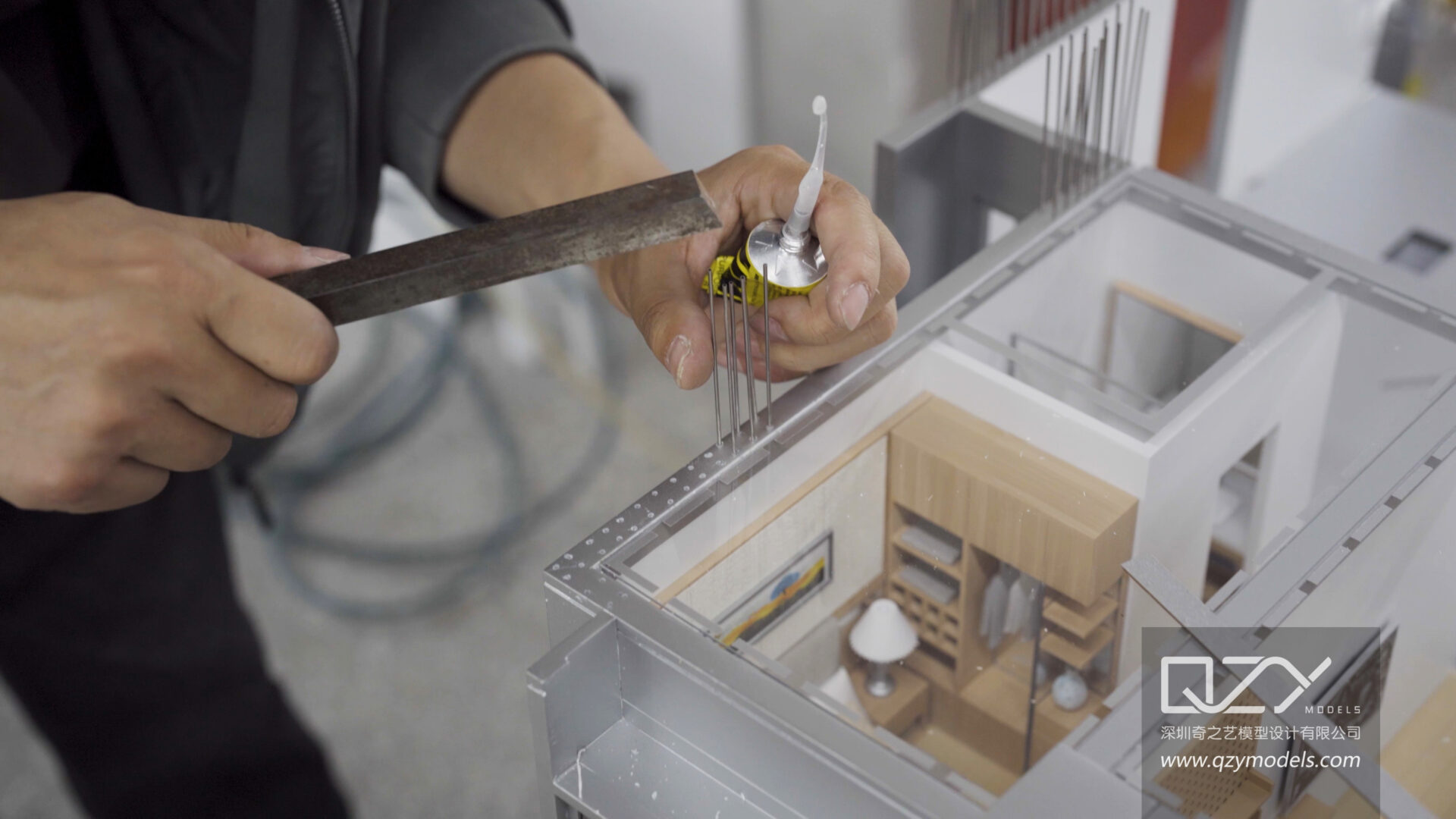
Traditional architectural model workshops often rely on manual fabrication using foam, wood, or acrylic. This approach, while artistic, faces several limitations:
-
Low efficiency: Manual sculpting can take hundreds of hours for a single project.
-
Inconsistent results: Human error and lack of technological integration reduce accuracy.
-
Limited scalability: Craft-based methods hinder large-scale or global delivery.
-
Material waste: Inefficient cutting and outdated tools result in higher environmental costs.
In contrast, digital-driven studios such as QZY Models combine craftsmanship with modern engineering, ensuring repeatability, precision, and sustainability that older methods cannot match.
How Does QZY Models Provide a Modern Solution?
QZY Models leverages advanced production techniques—3D printing, CNC milling, laser cutting, and digital visualization—to create architectural models that align perfectly with client plans. The company’s technical team transforms CAD and BIM data into highly detailed scale models for commercial, industrial, and residential projects. Their workflow integrates:
-
Precision modeling with 0.1 mm accuracy.
-
Multi-material integration (acrylic, resin, metal, biodegradable composites).
-
Realistic lighting, landscaping, and motorized movement for presentation effect.
-
Digital twin synchronization for concept verification and stakeholder communication.
Which Advantages Does the QZY Models Solution Offer Compared to Traditional Model Making?
| Comparison Criteria | Traditional Workshops | QZY Models’ Solution |
|---|---|---|
| Fabrication Speed | 3–6 weeks | 5–10 days |
| Accuracy Tolerance | ±1 mm | ±0.1 mm |
| Material Efficiency | 70% | 95% |
| Scalability | Local or regional | Global, multi-branch |
| Customization Level | Limited | Fully parametric and modular |
| Integration with Digital Tools | Minimal | High (BIM, 3D CAD, AR/VR) |
| Sustainability | Standard materials | Eco-friendly and recyclable materials |
How Can You Learn or Apply This Solution?
Professionals or firms looking to adopt QZY Models’ methodology can follow these key steps:
-
Training and Skill Development: Study CAD and 3D modeling software (Rhino, AutoCAD, Revit). Learn architectural visualization fundamentals.
-
Material Familiarity: Understand material behavior and precision-cutting methods for acrylic, wood, and composites.
-
Technology Integration: Operate 3D printers and laser cutters for multi-material assemblies.
-
Collaboration with Experts: Partner with experienced providers like QZY Models to learn best practices and production standards.
-
Workflow Implementation: Develop digital-to-physical pipelines with automated quality checks.
What Are Real-World Scenarios Where QZY Models Adds Value?
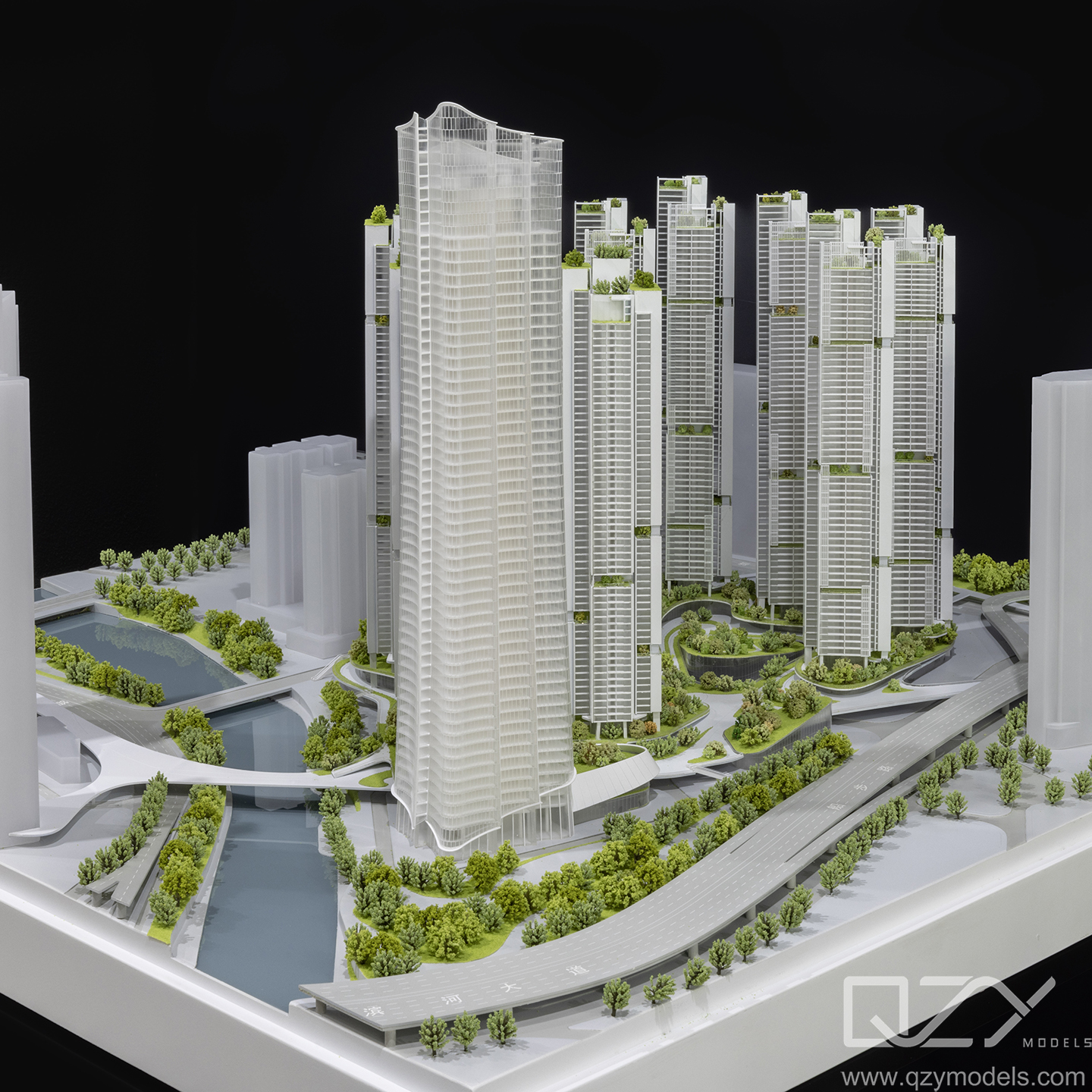
Scenario 1 – Real Estate Developer Presentation
-
Problem: Developers need realistic scale models for investor showcases.
-
Traditional Approach: Manually crafted city models often lack durability and precision.
-
Result with QZY Models: Interactive lighting, accurate textures, and rapid delivery cut production time by 50%.
-
Key Benefit: Higher investor engagement and faster project buy-in.
Scenario 2 – Urban Planning Proposal
-
Problem: City planning departments require detailed physical layouts for public consultations.
-
Traditional Approach: Fragmented 2D maps fail to communicate spatial scale effectively.
-
Result with QZY Models: Integrated layered detailing supports zoning and topography simulation.
-
Key Benefit: Improved public understanding and quicker decision-making.
Scenario 3 – Architectural Education and Research
-
Problem: Design schools need study models but face limited budgets and equipment.
-
Traditional Approach: Students rely on handmade foam structures with poor accuracy.
-
Result with QZY Models: High-quality educational kits and prototype partnerships.
-
Key Benefit: Hands-on learning supported by real-world accuracy.
Scenario 4 – International Exhibition Showcase
-
Problem: Global expos demand visually immersive model displays.
-
Traditional Approach: Models shipped internationally often arrive damaged or outdated.
-
Result with QZY Models: On-site production from branch offices in the UAE and Europe.
-
Key Benefit: Reduced logistics risk, consistent presentation quality, and enhanced brand visibility.
What Is the Future of Architectural Model Making?
The architectural modeling industry is entering a new era of convergence between digital and physical representations. Technologies such as photorealistic rendering, robotic fabrication, and smart materials will continue to accelerate innovation. As sustainability and urban scalability become global priorities, firms that invest in modern model-making solutions now will dominate future markets. QZY Models exemplifies how precision, speed, and artistry can coexist, creating a path for new professionals to join a growing, future-forward industry.
FAQ
1. How long does it take to become a professional architectural model maker?
Typically, 1–3 years of training, depending on your background in design or engineering. Learning digital modeling tools accelerates progress.
2. What qualifications are required to start?
A background in architecture, industrial design, or fine arts is helpful, but dedication to craftsmanship and technology is most important.
3. Can model making be self-taught?
Yes. Online learning and mentorship from industry specialists like QZY Models can help you master the trade independently.
4. Are digital tools replacing physical models?
No. Digital renderings complement physical models rather than replace them. Clients still value the tactile experience of precision-built models.
5. Does architectural model making offer global career opportunities?
Absolutely. With international studios and exhibitions, professionals can work on projects in over 20 countries, similar to QZY Models’ global scope.
Sources
-
American Institute of Architects (AIA): www.aia.org
-
IBISWorld: www.ibisworld.com
-
Statista Architecture Market Data: www.statista.com
-
QZY Models Official Website: www.qzymodels.com
-
World Economic Forum: www.weforum.org