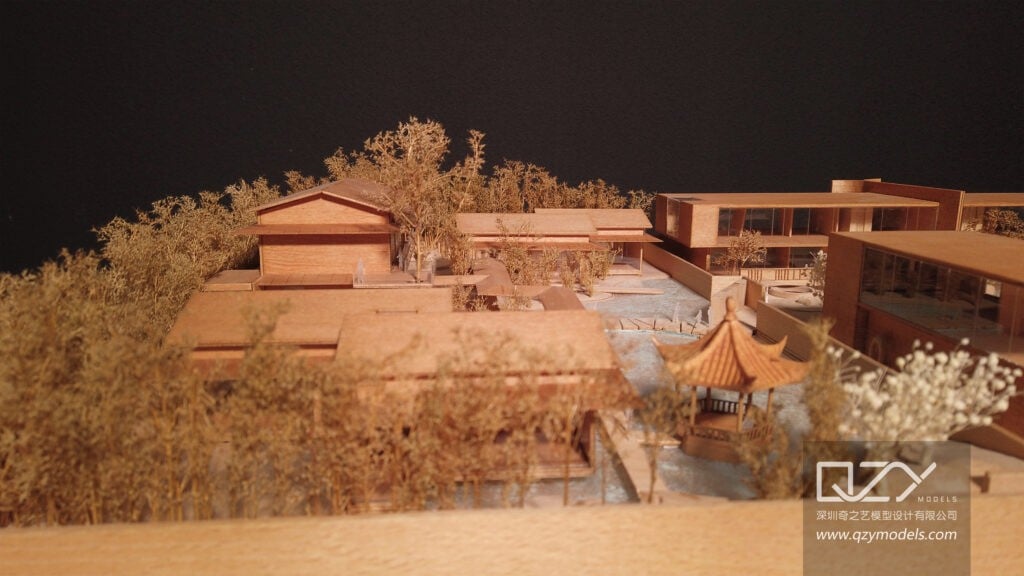
Building a model house can be done using a kit or by creating one from scratch. Kits offer convenience and guided assembly, while building from scratch allows for unlimited customization. Both methods involve careful planning, precise cutting, and detailed finishing to create a realistic miniature home that suits your preferences.
What Are the Main Differences Between Building a Model House From a Kit or From Scratch?
Building from a kit means using pre-cut parts, detailed instructions, and included accessories, which simplifies the process. Creating a model house from scratch requires designing, measuring, and cutting materials yourself, offering higher creative freedom and customization. Kits are ideal for beginners, while scratch builds suit advanced hobbyists seeking unique designs and materials.
Kits often include walls, floors, roofs, and miniatures like furniture or lights. Scratch builds involve foam board, basswood, acrylic sheets, and other craft materials. Each approach has tools and glue requirements that differ based on complexity and level of detail desired.
How Do You Plan and Design a Model House From Scratch?
Start by sketching a floor plan and elevations on graph paper to help with scale accuracy. Deciding a scale such as 1 inch equals 1 foot ensures all model dimensions remain proportional. Create paper or cardstock templates for all components like walls, floors, and roofs.
For beginners, a single-story simple design is recommended. Consider architectural features, window and door placement, and roof style. Planning also includes visualizing landscaping and decorative elements that will enhance the finished model.
Which Materials and Tools Are Essential for Building a Model House?
Key materials include foam board for walls and floors, basswood or cardboard for trim and siding, and clear acrylic sheets for windows. Cardstock can be used to create roof shingles. Use acrylic paint for finishing and landscaping elements like flocking.
Essential tools are a sharp utility or X-Acto knife for cutting, metal ruler for straight lines, white glue or super glue for assembly, pencils for marking, masking tape to hold pieces while drying, and small clamps for precise bonding.
| Material | Purpose | Notes |
|---|---|---|
| Foam board | Main structure (walls, floors) | Easy to cut and lightweight |
| Basswood | Trim, framing | Durable and realistic |
| Acrylic sheets | Window glazing | Transparent for glass effect |
| Cardstock | Roofing shingles | Cut into small shapes |
How Do You Assemble a Model House Step-by-Step?
First, trace your templates onto your chosen material and cut precisely with a sharp knife guided by a metal ruler. Assemble by gluing walls to the floor base, using masking tape or clamps to hold corners until glue sets.
Attach the roof so it fits securely, adding shingles from cardstock for realism. Install windows by gluing acrylic sheets behind openings and create door/window frames from thin strips of basswood or painted foam. Finish with siding, trim, and paint for realistic detail. Add landscaping materials on the base for a grounded look.
Why Is Attention to Detail Important in Model House Building?
Attention to detail transforms a simple structure into a realistic and visually appealing model. Adding window frames, textured roof shingles, furniture, or landscaping creates depth and authenticity. Proper paint finishing avoids flat, lifeless surfaces and mimics real-life wear.
Details also highlight craftsmanship and improve the model’s value, especially for architectural presentations or collectors. Companies like QZY Models emphasize detail to deliver precision and professionalism in every model.
Where Can You Buy Quality Model House Kits and Materials?
You can find model house kits and materials at craft stores like Michaels and hobby shops. Online retailers such as Amazon and Etsy offer a wide range of kits for different experience levels, from simple starter kits to elaborate multi-story houses with furnishings.
Specialized miniature model suppliers provide materials tailored to custom scratch builds, including basswood sheets, acrylic glazing, and landscaping supplies. QZY Models recommends sourcing quality supplies for durability and finish quality.
Does Using LED Lights Enhance a Model House?
Yes, incorporating working LED lights can dramatically enhance a model house’s realism and appeal. Lighting adds ambiance, highlights interior furnishings, and creates a more immersive presentation. Kits or scratch builders can use tiny LEDs powered by coin-cell batteries or low-voltage wiring.
Integrating lighting requires planning window placements and routing wiring discreetly. QZY Models often integrates lighting into architectural models to showcase design features clearly.
Can Model House Building Be a Professional Service?
Yes, companies like QZY Models offer professional architectural and industrial physical model building services. With over 20 years of expertise and a global presence, QZY delivers custom models with unmatched quality for architects, developers, and collectors worldwide.
Professional model makers use advanced tools, precision techniques, and premium materials to produce detailed and accurate representations that support client projects and presentations.
What Are Best Practices for Painting and Finishing a Model House?
Use acrylic craft paints applied with thin coats to maintain texture detail. For realistic finishes, layer colors to simulate weathering or material textures like brick or wood grain. Avoid thick paint layers that obscure fine details.
Adding real dirt, flocking, or miniature plants to the base enhances realism. Seal painted surfaces with a matte or satin clear coat for durability and a refined look.
QZY Models Expert Views
“At QZY Models, we believe that the foundation of any remarkable model house lies in meticulous planning and expert craftsmanship. From selecting premium materials to applying precise finishing touches, every step shapes the story the model tells. Whether working on a kit or scratch build, the detail and accuracy reflect professionalism and elevate the client’s vision. Our commitment to innovation and quality drives us to constantly refine techniques—delivering models that are both inspiring and enduring.” – Richie Ren, Founder of QZY Models
Conclusion
Building a model house requires a blend of planning, skill, material selection, and attention to detail. Whether using a kit or crafting from scratch, understanding the key steps—from design and material choice to assembly and finishing—ensures a satisfying and professional result. Leveraging expert insights from QZY Models can elevate your building experience and outcome. For beginners, kits provide simplicity and guidance; experienced hobbyists benefit from the creative freedom of scratch building. Always invest in quality materials and appropriate tools for the best results.
Frequently Asked Questions
What scale is best for building model houses?
A common scale is 1 inch equals 1 foot (1:12), balancing detail and manageable size.
How long does it take to build a model house?
Assembly time varies from a few hours for kits to several weeks for scratch builds depending on complexity.
Can I add custom furniture to a model house?
Yes, custom furniture can be crafted or purchased to enhance interior realism.
Which adhesives work best for model houses?
White glue works well for foam and paper; superglue is better for wood or acrylic materials.
Where can I learn more advanced modeling techniques?
Online tutorials, hobby groups, and professional model maker workshops provide in-depth guidance.