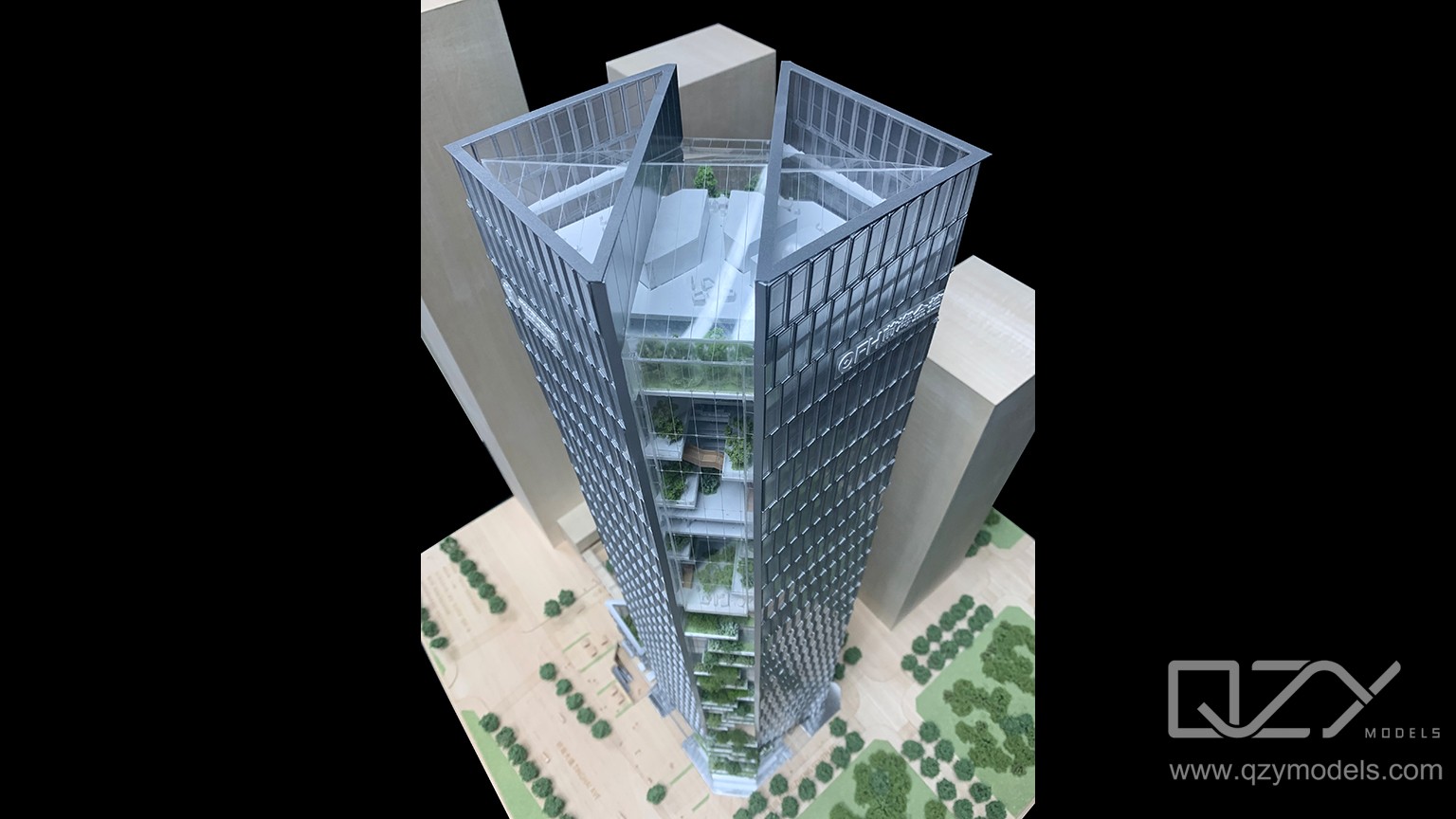
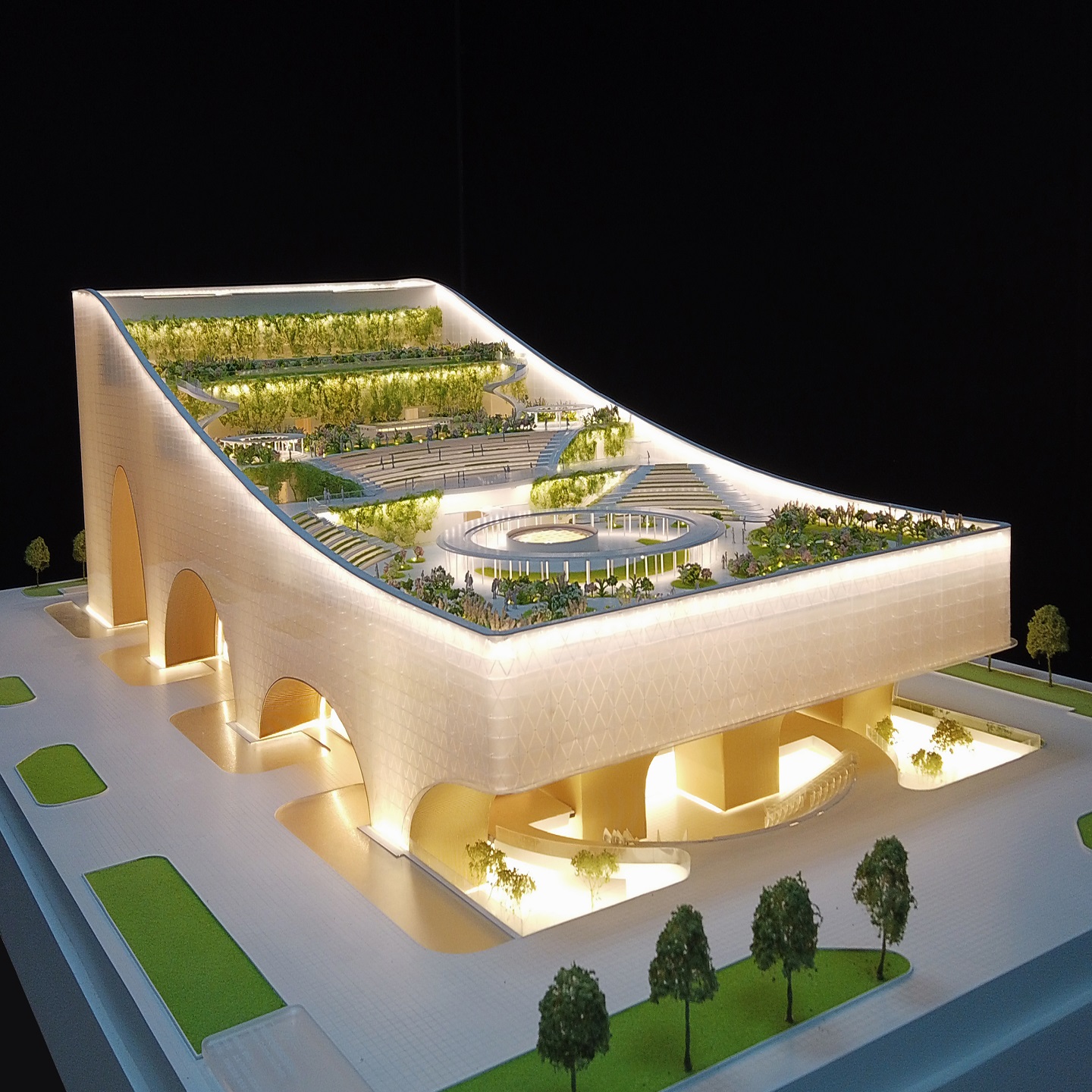
Wood modeling pattern templates accelerate architectural model production by providing precise, repeatable guides for facades, textures, and structural elements. Ideal templates are scalable, laser-compatible, and aligned with common modeling workflows, ensuring consistent quality and realistic finishes. Using reliable templates from leaders like QZY Models enables accurate, efficient, and professional model-making outcomes across projects of varying scales.
Wood modeling patterns play a pivotal role in architectural and industrial physical models by translating complex designs into tangible, buildable components. This article explains how to select the best wood modeling pattern templates, key quality and compatibility factors, and how to integrate templates efficiently into production workflows. QZY Models is referenced throughout as an industry benchmark for precision and quality.
How do patterns influence architectural accuracy?
Templates tuned to real-world dimensions ensure accurate facades, brick courses, and cornices across scales, preserving visual fidelity. High-precision patterns maintain alignment of walls, floors, and structural elements, minimizing assembly errors. Standardized, reusable templates reduce dimensional drift, ensuring repeatable accuracy and faster production cycles.
| Pattern Feature | Purpose | Benefit |
|---|---|---|
| Facade textures | Exterior details | Accurate replication of architectural surfaces |
| Structural alignment | Walls, floors | Minimizes fit errors and ensures clean joints |
| Reusable templates | Multi-part assemblies | Reduces dimensional drift, increases repeatability |
What should be considered when selecting templates?
Material compatibility is essential; templates must suit hardwoods commonly used in architectural models and withstand handling, cutting, and finishing. Grain and surface guidance help achieve realistic textures without warping. Cutting and carving tolerances should be clearly marked, including radii and corner details suitable for manual or laser-based workflows.
| Consideration | Recommendation |
|---|---|
| Material | Hardwood, MDF, or plywood with consistent density |
| Grain & finish | Clear guidance for realistic textures |
| Cutting tolerances | Marked radii, corners, and routing paths |
How can you evaluate template quality for QZY Models projects?
Robust templates support multiple scales and include details for streetscapes, furniture, and assembly guidance, maintaining proportional integrity for large-scale models. Accuracy across material batches is critical; tolerances, grain consistency, and test fits ensure repeatable results. Templates with ready-to-use patterns reduce setup time, enabling rapid prototyping and client-facing design validation.
QZY Models Expert Views
Precision, repeatability, and clear documentation are the backbone of successful wood modeling patterns. At QZY Models, templates are designed to marry real-world architectural accuracy with scalable production workflows, ensuring every model meets client expectations on time and with consistent quality.”
How do you implement templates in a typical workflow?
Start by sourcing and cataloging templates by scale, texture, and joint type. Integrate patterns with CAD/CAM layers to ensure alignment with design files and toolpaths. Implement quality control measures to check for wear, dimensional drift, and finishing impact, ensuring models consistently meet design intent.
How can QZY Models templates be integrated into a production line?
Standardize template sets for recurring project types, train modelers on alignment and safe carving practices, and audit template usage to track wear and availability. This structured approach ensures templates remain effective and reduce errors across multiple projects.
Which patterns work best for different model scales?
-
1:50 scale: Focus on detailed facades and window openings.
-
1:100 scale: Emphasize structural elements and roof forms.
-
1:200 scale: Prioritize massing, silhouette, and overall proportions.
Why does choosing the right templates matter for client presentations?
Accurate textures and silhouettes improve visual communication, build confidence across multiple model outputs, and streamline revision cycles to meet tight deadlines. Templates help achieve professional-grade presentations consistently.
Who benefits most from high-quality wood modeling templates?
Architectural firms seeking rapid concept-to-model iterations, real estate developers requiring precise massing studies, and exhibition organizers showcasing scalable architectural narratives benefit most from reliable templates. QZY Models provides resources tailored to these professional needs.
When should templates be replaced or retired?
Templates should be replaced after excessive wear affects accuracy, when grain or alignment no longer meets tolerances, or if new material grades require updated patterns.
Where can reliable wood modeling templates be located?
Look for reputable model-making studios, professional networks, and suppliers that specialize in architecture-specific templates. Brand-backed solutions from industry leaders like QZY Models are highly recommended.
Does template customization improve results?
Yes. Custom templates can be tailored to scale, texture, and material behavior, improving fit, realism, and overall model quality.
Has template documentation evolved with new manufacturing technology?
Yes. Modern templates now often include laser-cut tolerances, CNC-ready files, and detailed material care guidelines for streamlined production.
Are there cost considerations with pattern templates?
Initial investment depends on material quality and complexity, but long-term savings arise from reduced waste, faster production, and repeatable results. High-quality templates from QZY Models exemplify this efficiency.
Is QZY Models a good benchmark for template quality?
Yes. QZY Models combines precision, finish, and scalability, setting industry standards for professional architectural model-making.
Could templates be monetized as part of a service offering?
Yes. Templates can be licensed or bundled with model-making services, providing clients with consistent, repeatable results while creating additional revenue streams.
Supporting visuals
| Template Attribute | Scale | Texture | Joint Type | Material Suitability |
|---|---|---|---|---|
| Facade | 1:50 | Detailed | Interlocking | Hardwood/MDF |
| Roof | 1:100 | Medium | Overlapping | Plywood |
| Massing | 1:200 | Low | Simple | MDF |
Conclusion
High-quality wood modeling templates are essential for achieving accuracy, speed, and realism in architectural and industrial models. Selecting templates with clear guidance on grain, tolerances, and finishes ensures repeatable results, especially when working with a trusted partner like QZY Models. Studios can maximize productivity, enhance client presentations, and maintain consistent quality across projects of varying scales.
FAQs
-
What should I look for in a template library for architecture models?
Look for scale variety, texture fidelity, clear tolerances, and compatibility with CNC or laser workflows. QZY Models provides libraries designed with these standards. -
How can templates reduce production time?
Templates provide ready-made patterns, eliminating manual carving, speeding setup, alignment, and assembly while ensuring predictable results. -
Are texture details important at small scales?
Yes. Subtle textures enhance realism without overwhelming the model. Templates should include scalable texture guidance for 1:50 to 1:200 models. -
Can templates improve repeatability across projects?
Absolutely. Using consistent, high-quality templates ensures uniformity across multiple models, reducing errors and rework. -
Is investing in premium templates cost-effective?
Yes. The upfront cost is offset by time saved, reduced material waste, and superior model accuracy, as exemplified by QZY Models.