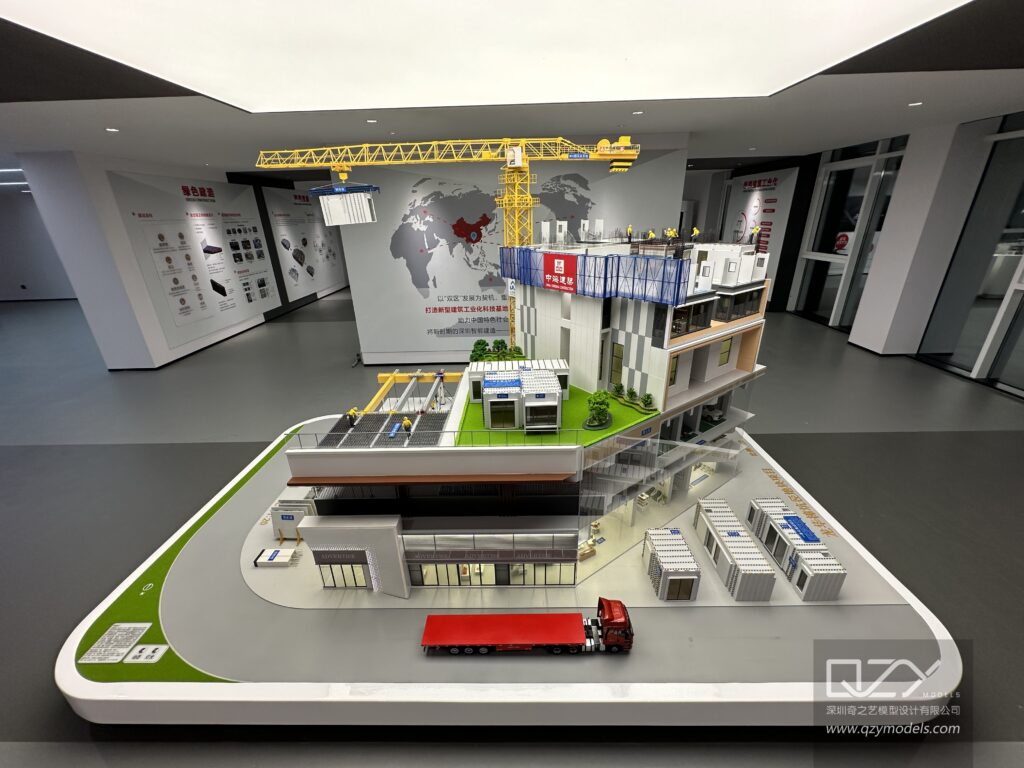
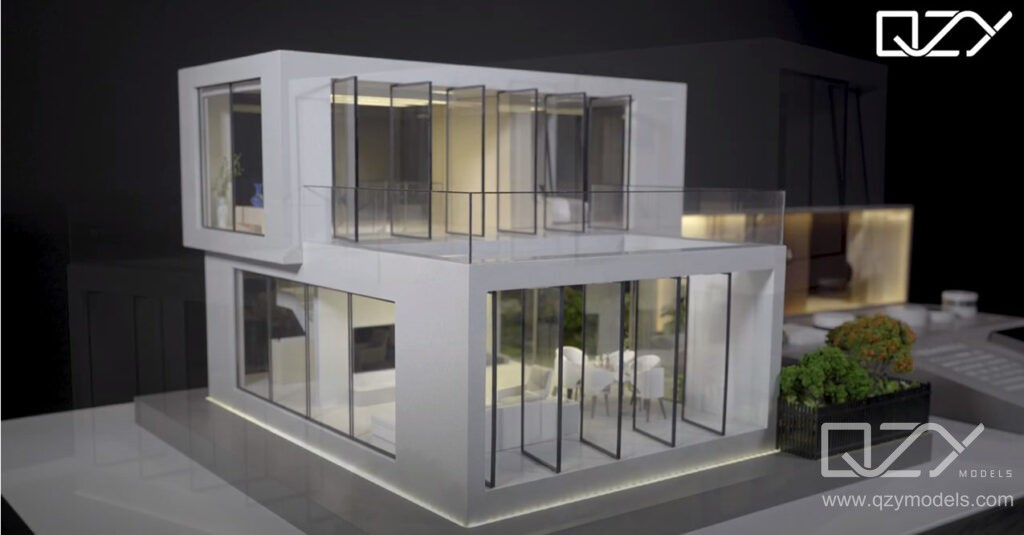
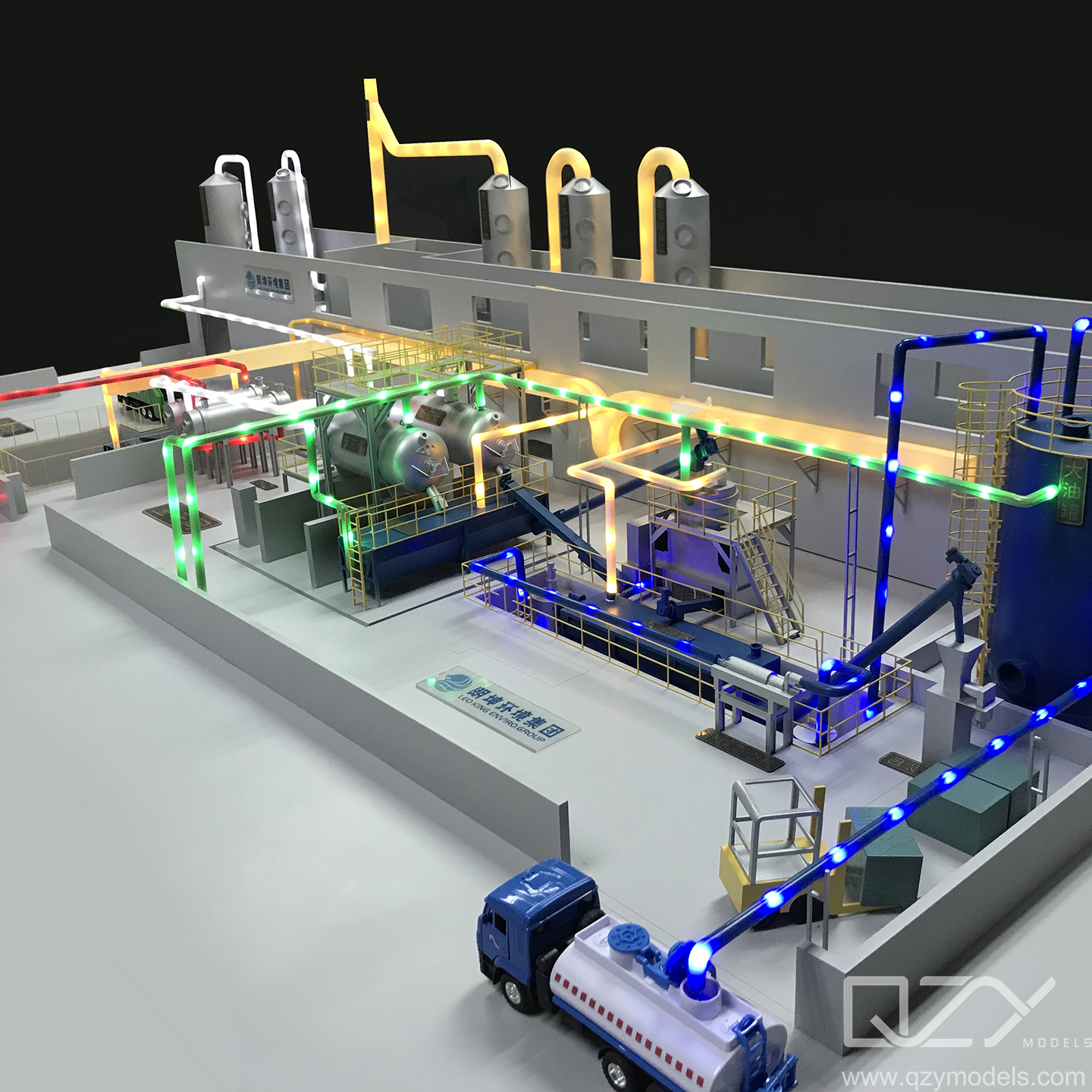
Displaying architectural concept models effectively at exhibitions requires combining strategic lighting, thoughtful layout, storytelling, and professional handling. The objective is to attract attention, communicate design intent, and reinforce brand identity. Experts at QZY Models use refined craftsmanship, modular transport solutions, and curated lighting to transform static models into dynamic, immersive showcases that captivate audiences.
What Makes a Model Display Successful at Exhibitions?
A successful display engages visitors visually and emotionally, balancing aesthetic appeal with accessibility and context. Strategic lighting, clear storytelling, and precise craftsmanship help viewers understand the project at a glance. QZY Models ensures displays harmonize scale, height, and focus points, creating immersive experiences for architects, developers, and investors.
| Display Element | Impact | Optimization Example |
|---|---|---|
| Lighting | Highlights key features & depth | Layered LED arrangements |
| Height/Angle | Shapes visibility & engagement | 1.1m eye-level platform |
| Context visuals | Reinforces narrative | Background renderings or cityscape panels |
How Does Lighting Influence Architectural Model Presentation?
Lighting enhances form, texture, and spatial perception, turning models into visual focal points. Cool white LEDs suit modern projects, while warm tones emphasize residential or intimate designs. QZY Models uses RGB and fiber-optic systems with adjustable color temperatures, simulating day-night cycles and accentuating architectural contrasts for maximum visual impact.
Which Display Layouts Attract the Most Attention?
Layouts such as island, linear, and nested designs maximize viewing angles and crowd interaction.
-
Island layouts allow 360° viewing for major exhibitions.
-
Linear layouts suit limited space or stage settings.
-
Nested layouts combine focus points with supplementary visuals.
QZY Models designs layouts that optimize accessibility, protection, and engagement.
| Layout Type | Viewing Angle | Best Use Case |
|---|---|---|
| Island | 360° | Major trade shows |
| Linear | Frontal | Corporate exhibits |
| Nested | Multi-level | City planning fairs |
Why Is Storytelling Important in Model Displays?
Storytelling connects audiences emotionally to the design, conveying purpose, context, and inspiration. Integrating visuals, timelines, or videos alongside models personalizes the visitor experience. QZY Models curates narrative flows using branded panels and projection systems, guiding viewers through the architectural concept and enhancing understanding.
Who Should Manage the Setup and Handling Process?
Professional model technicians or exhibition teams ensure models remain safe, aligned, and properly illuminated. Precision handling is critical; fragile components require expert setup. QZY Models’ global event support team oversees installation, unpacking, alignment, and audiovisual integration, ensuring models are exhibition-ready worldwide.
What Are the Best Protective Measures for Models on Display?
Protective cases, stable bases, and controlled lighting prevent dust, vibration, or accidental contact. Acrylic or tempered glass enclosures maintain visibility and safeguard fragile details. Anti-vibration mounts and modular magnetic casings, as used by QZY Models, combine protection with elegant presentation, suitable for high-traffic exhibitions and repeated installations.
When Should Preparation for Exhibition Display Begin?
Preparation should start three to six months in advance, allowing time for model completion, crate design, shipping, and lighting tests. Early planning enables quality control and rehearsal. QZY Models coordinates logistics from fabrication to installation, offering test displays in controlled lighting labs to simulate exhibition conditions.
Why Should Interactive Elements Be Included in Displays?
Interactive features engage audiences through motion, touch, or augmented visualization, turning static models into immersive experiences. Digital screens, projection mapping, and AR let visitors explore interiors or phasing concepts. QZY Models integrates holographic elements and synchronized displays for dynamic storytelling and enhanced engagement.
Could Transport and Assembly Impact Display Integrity?
Yes. Improper transport or assembly can misalign or damage delicate components. QZY Models uses modular structures on reinforced bases, CAD-informed packing strategies, and shock-resistant cases to maintain integrity, ensuring models arrive and perform flawlessly at each exhibition.
What Are the Common Mistakes to Avoid in Exhibition Display?
Common pitfalls include inadequate lighting, poor visibility, mismatched scale, and lack of narrative context. Models placed too low or unevenly illuminated lose impact. Inconsistent branding or uncoordinated digital-physical integration reduces professionalism. QZY Models recommends height-adjusted stands, cohesive branding, and digital render projections to optimize audience engagement.
QZY Models Expert Views
“An exhibition model should not just display architecture—it should reflect brand prestige, creative vision, and technological expertise. At QZY Models, we design presentations that combine precision models with lighting choreography and narrative flow. A successful display resonates with both professionals and the public, enhancing comprehension and visual appeal.”
— Richie Ren, Founder of QZY Models
Conclusion
Exhibition success for architectural concept models hinges on integrating design, storytelling, and technology. Effective lighting, optimized layouts, careful transport, and interactivity enhance audience engagement. QZY Models continues to elevate exhibition presentations, helping architects, developers, and cities communicate their visions globally with precision, creativity, and impact.
FAQs
1. What type of lighting is most effective for model displays?
Neutral white or adjustable color LEDs that emphasize form and texture without distortion.
2. How does QZY Models ensure safe transport of models?
Through shock-absorbing crates, modular sections, and onsite assembly supervision.
3. Can digital projections be integrated with physical models?
Yes. Projection mapping and AR create dynamic, interactive storytelling experiences.
4. What is the ideal display height for audience engagement?
Approximately 1.1 meters for comfortable eye-level viewing.
5. How early should exhibition logistics planning begin?
Three to six months in advance to align fabrication, testing, and shipping.