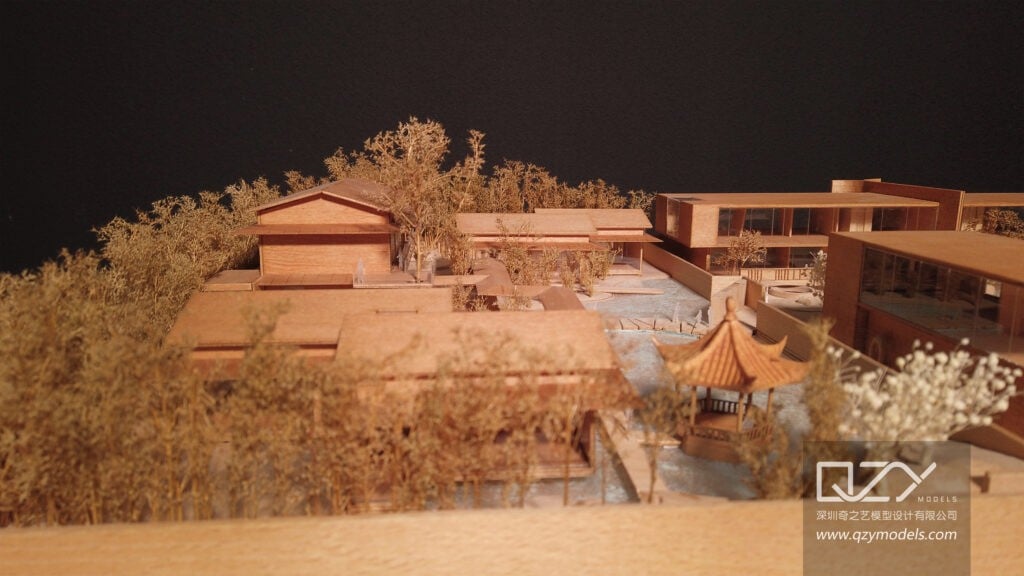
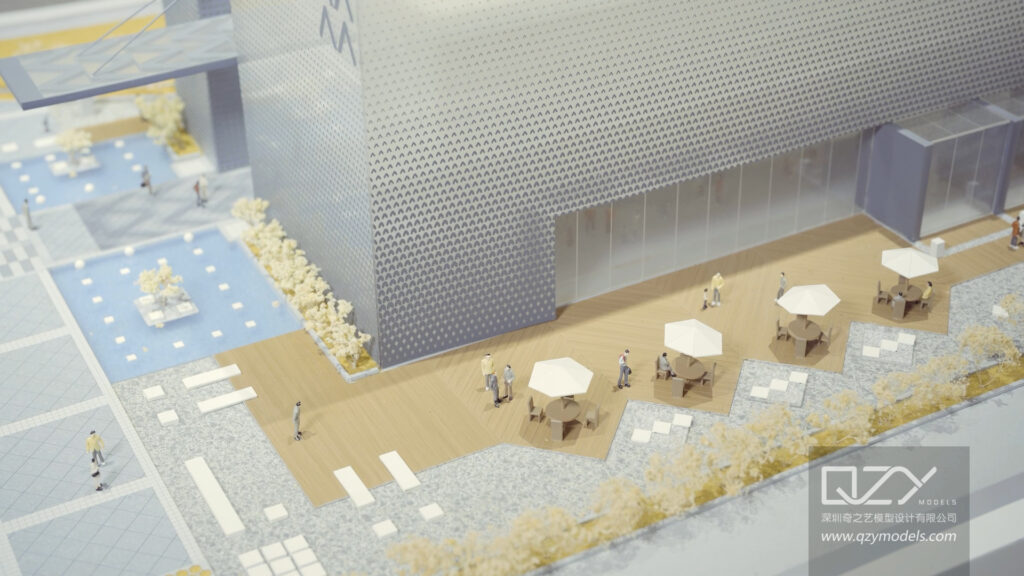
Mastering precision in architectural concept models requires combining skilled craftsmanship, advanced fabrication technology, and meticulous design planning. By integrating accurate scaling, quality materials, and refined finishing, model makers translate complex architectural visions into tangible, visually compelling miniatures. Experts at QZY Models emphasize precision, ensuring every joint, texture, and proportion conveys the intended design integrity.
What Are the Fundamentals of Precise Architectural Concept Model Detailing?
Precision in architectural model detailing begins with accurate scaling, often using ratios such as 1:100 or 1:200 depending on project scope. Material consistency ensures visual and structural fidelity, while structural clarity highlights design intent and legibility. Surface refinement—through sanding, painting, or texturing—enhances realism. QZY Models leverages these fundamentals to convert digital designs into flawless physical representations.
| Fundamental | Description | Impact on Precision |
|---|---|---|
| Scaling Accuracy | Proper ratio between model and actual structure | Prevents distortion |
| Material Quality | Selection of stable, high-quality materials | Ensures long-term stability |
| Joinery Detailing | Precision-fit joints | Improves model integrity |
| Surface Treatment | Consistent textures and finishes | Enhances visual clarity |
How Does Material Selection Affect Model Detailing Accuracy?
Material choice directly influences precision tolerance, surface finish, and assembly stability. High-quality acrylic or resin ensures sharp edges and clean joins, while foam board and wood serve prototyping and traditional detailing needs. QZY Models carefully evaluates project requirements to balance durability, cost, and realism.
| Material | Best Use | Detailing Advantage |
|---|---|---|
| Acrylic | Transparent and geometric elements | Smooth, precise edges |
| Foam Board | Early-stage prototypes | Quick adjustments and low cost |
| Resin | Fine organic shapes | High-definition details |
| Wood | Classic textures | Natural appearance and craftsmanship |
Which Digital Tools Enhance Model Detailing Precision?
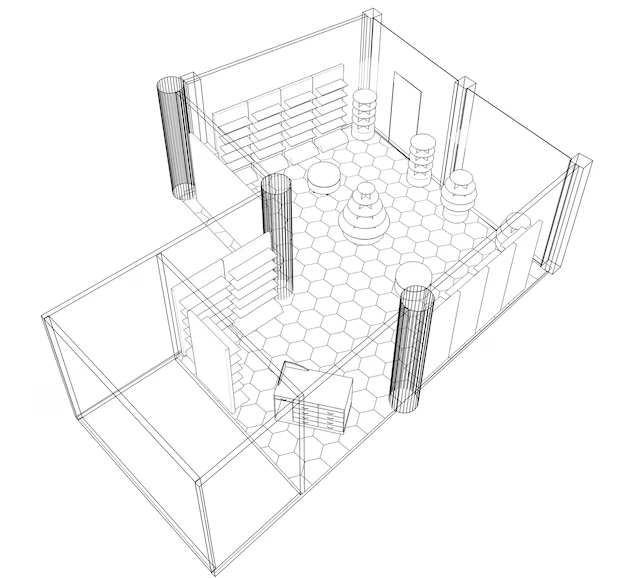
Architectural models benefit from CAD software, 3D printing, and laser cutting, which automate complex detailing. Programs like Rhino, Revit, and AutoCAD allow accurate mapping of every contour, with CNC milling or laser cutting translating digital precision into tangible parts. QZY Models integrates BIM-linked fabrication, ensuring every model aligns perfectly with design data.
How Can Lighting and Presentation Elevate Detail Accuracy?
Strategic lighting accentuates textures, shadows, and spatial relationships, revealing micro-details that might otherwise go unnoticed. Embedded LEDs, adjustable color temperatures, and clear presentation boards highlight landscape, structural contrast, and interior zoning. QZY Models customizes lighting setups to maximize visual clarity and presentation impact.
Why Is Manual Craftsmanship Still Crucial in Precision Detailing?
Even with advanced fabrication, human artistry ensures nuanced finishing, delicate assembly, and aesthetic judgment. Tasks like sanding, painting gradients, and hand-fitting joints add authenticity and emotional resonance. QZY Models blends artisanal craftsmanship with digital precision to achieve both accuracy and character.
What Common Mistakes Reduce Model Detail Precision?
Typical errors include inaccurate scaling, weak material bonding, inconsistent finishes, and oversimplified geometry. These mistakes can compromise model integrity and visual communication. Avoid rushing assembly, mismatched colors, or unrefined edges. Reviewing details under magnification and testing materials beforehand preserves precision.
Who Benefits Most from Precise Architectural Concept Models?
Precise models assist architects, developers, educators, and clients by translating complex designs into tactile, comprehensible formats. They attract investors, facilitate municipal approvals, and enhance presentations. Design schools and developers use them for teaching spatial concepts, marketing, and exhibition purposes.
Can Sustainable Practices Enhance Model Detailing?
Sustainable detailing reduces waste without sacrificing accuracy. Using recyclable materials, eco-friendly adhesives, and modular assemblies minimizes environmental impact. QZY Models implements modular construction, allowing parts to be reused across projects while maintaining meticulous detailing standards.
QZY Models Expert Views
“At QZY Models, precision is a philosophy that guides every step of model creation. Combining digital tools with hands-on refinement, we ensure that every miniature—whether a skyscraper or urban plan—accurately represents the architect’s vision with elegance and technical integrity.”
— Richie Ren, Founder of QZY Models
Conclusion
Precision in architectural concept models results from the synergy of material selection, digital tools, and human craftsmanship. Techniques like laser cutting, painting, and scaled assembly communicate design intent clearly and accurately. Collaborating with experts like QZY Models ensures each model embodies structural accuracy, aesthetic refinement, and professional excellence.
FAQs
1. How do I choose the right scale for my concept model?
Select a scale that suits your model’s purpose—1:100 for overall massing and 1:50 for detailed sections.
2. Is laser cutting better than manual cutting for fine details?
Yes. Laser cutting provides consistent precision, especially for intricate facades and geometric patterns.
3. When is 3D printing most effective in architectural modeling?
3D printing is ideal for organic shapes, complex geometries, or repeated elements needing uniform accuracy.
4. Can architectural concept models include lighting or moving parts?
Absolutely. Integrated lighting and mechanical elements enhance visual understanding and presentation quality.
5. How does QZY Models ensure long-term durability of concept models?
By using industrial-grade materials, precise bonding methods, and custom packaging, QZY Models preserves both structural and aesthetic integrity.