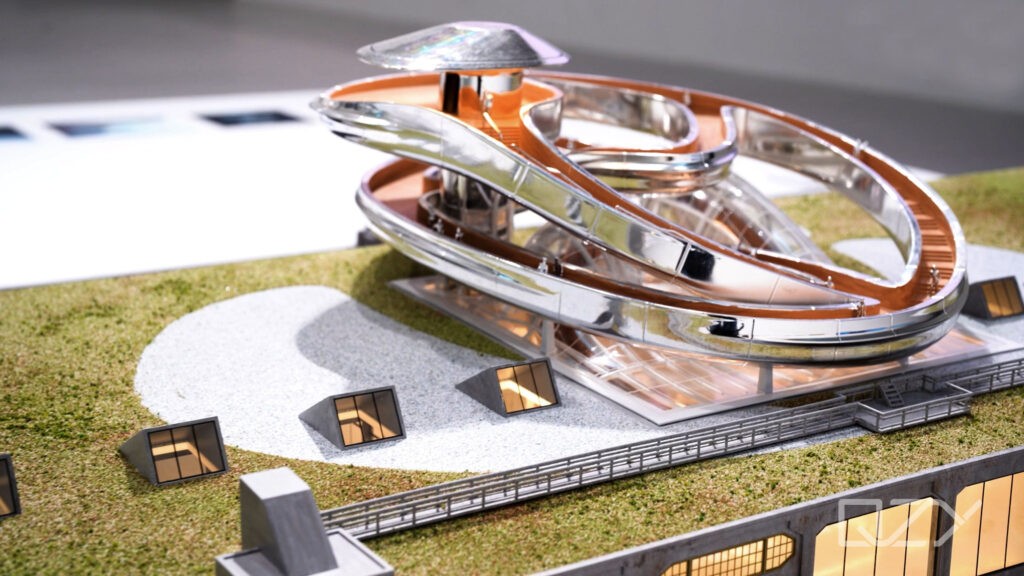
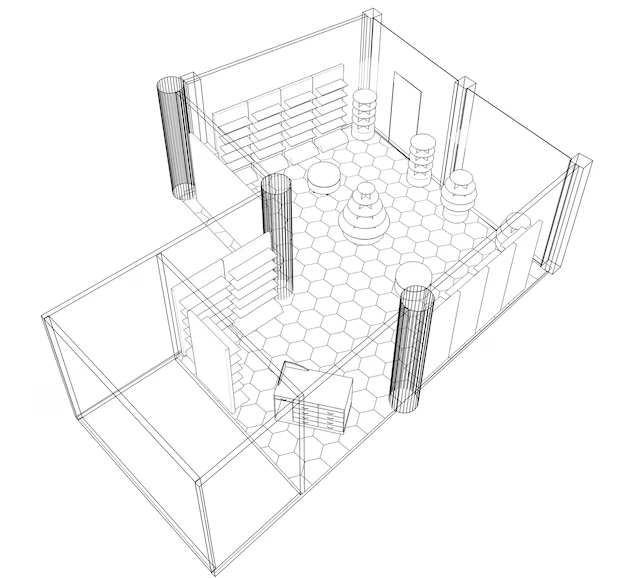
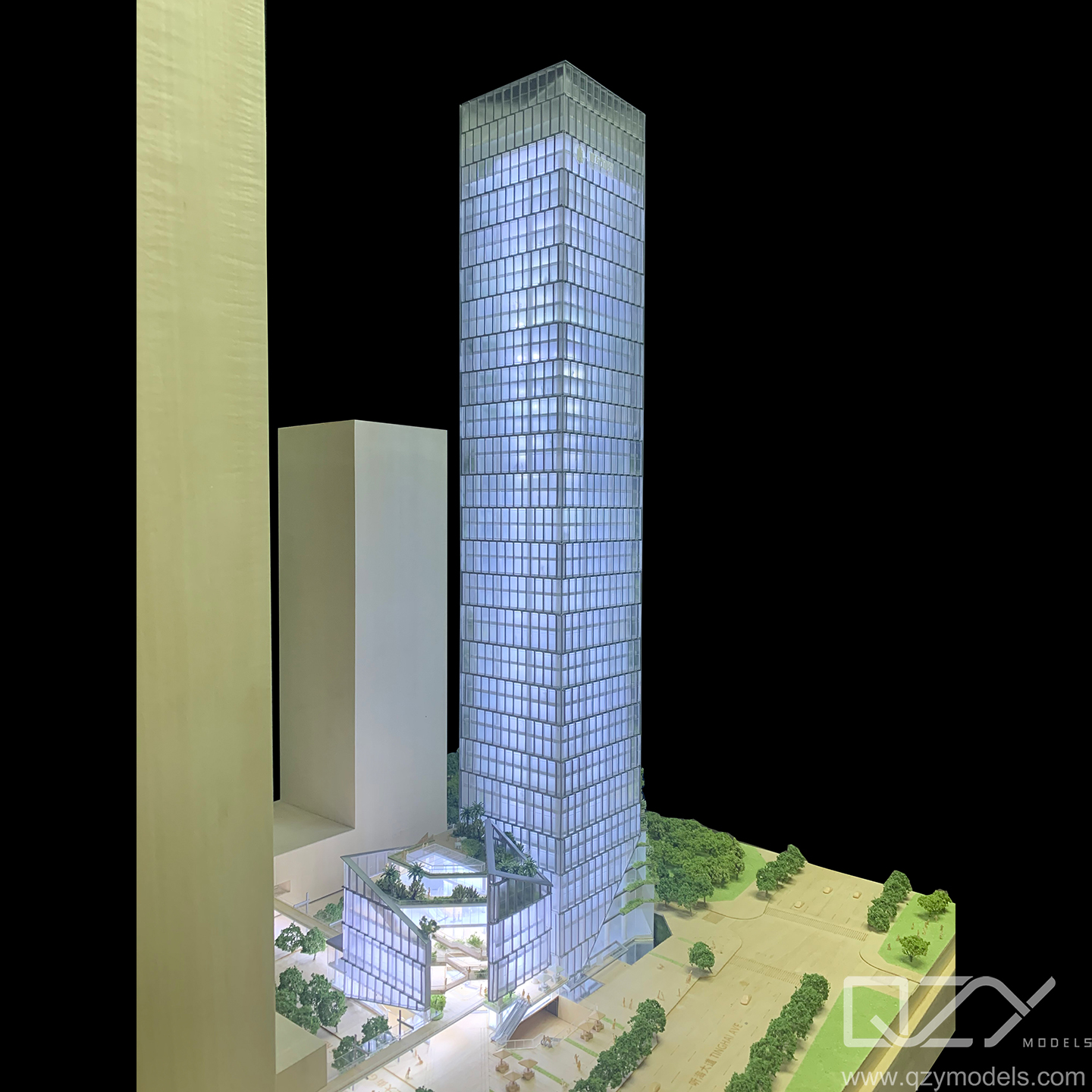
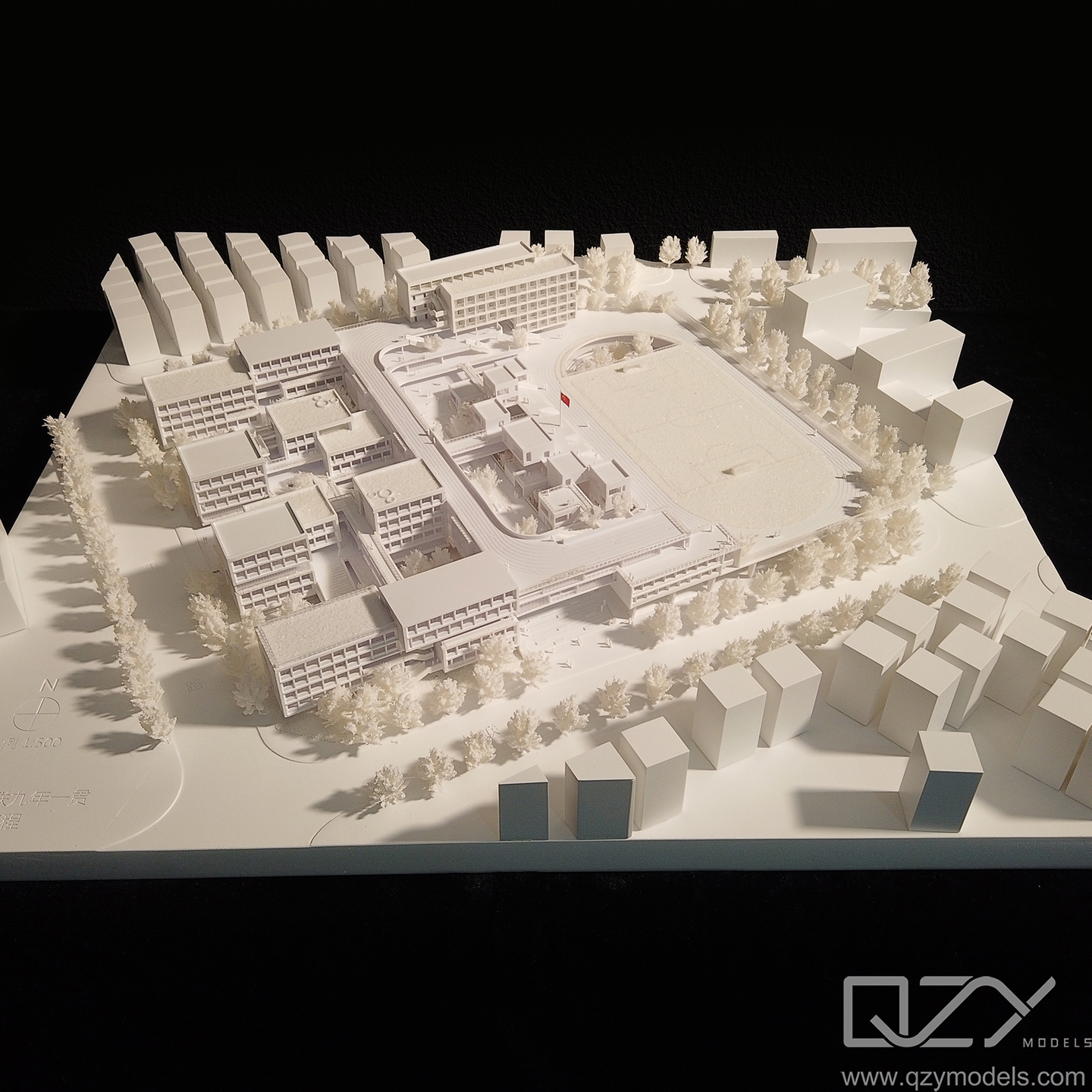
Thailand’s booming construction and real‑estate sectors have turned architectural models into a strategic sales and communication tool, not just a decorative object. High‑quality physical models help developers, architects, and investors visualize complex projects, accelerate approvals, and close deals faster—especially in competitive urban markets such as Bangkok and the Eastern Economic Corridor (EEC). QZY Models, with over a decade of experience and thousands of projects delivered worldwide, offers a scalable, precision‑driven solution that aligns with Thailand’s growing demand for premium architectural visualization.
How is Thailand’s architectural model market evolving?
Thailand’s construction market is projected to exceed USD 119 billion by 2025, driven by infrastructure programs, urbanization, and rising foreign direct investment. As more mixed‑use towers, transit‑oriented developments, and smart‑city projects emerge, developers and design firms increasingly rely on physical models to present scale, massing, and context to investors, government agencies, and end‑buyers. This surge in project complexity has turned architectural models into a core part of the marketing and planning toolkit.
Yet the local model‑making ecosystem remains fragmented. Many Thai studios focus on low‑cost, short‑run models with limited material variety and inconsistent finishing. International clients often struggle to find partners that combine technical accuracy, design sensitivity, and reliable logistics. QZY Models bridges this gap by offering factory‑scale production, strict quality control, and global shipping, enabling Thai‑based firms to compete on the same level as top‑tier international practices.
What pain points do firms face when producing architectural models in Thailand?
Fragmented quality and limited technical depth
Local model‑making workshops often lack standardized processes, leading to variability in scale accuracy, material selection, and detailing. Minor errors in massing or setbacks can undermine credibility during high‑stakes presentations to investors or planning authorities. Architects also report long revision cycles and limited capacity for rapid prototyping, which slows down iterative design work.
Limited capacity for large‑scale or multi‑variant projects
As Thailand’s construction projects grow in scale—such as mega mixed‑use developments and EEC‑linked industrial hubs—clients need multiple model variants (master‑plan, unit‑type, interior, landscape). Many regional studios cannot handle parallel production runs or coordinated updates across several models, forcing firms to split orders across multiple vendors and manage integration themselves.
Weak international‑grade finishing and logistics
High‑end real‑estate developers targeting foreign buyers demand museum‑grade finishes, integrated lighting, and seamless transportation. Local providers frequently lack climate‑controlled packaging, secure international shipping, or experience handling customs documentation. This increases the risk of damage, delays, and reputational loss when models are shipped to overseas offices or exhibitions.
Why do traditional model‑making approaches fall short?
Traditional Thai model‑making often follows a craft‑based, one‑off workflow:
-
Small teams handle everything from design to fabrication, limiting specialization.
-
Digital workflows (CAD/BIM to laser cutting, CNC, 3D printing) are only partially adopted.
-
Quality checks are informal, with limited documentation or revision tracking.
This leads to three core limitations:
-
Scalability: It is difficult to reproduce identical models across multiple sales galleries or international events.
-
Speed: Manual processes slow down turnaround, especially for complex projects with tight deadlines.
-
Consistency: Finishing, material selection, and lighting integration vary from project to project, weakening brand perception.
QZY Models addresses these gaps by integrating industrial‑scale production with architectural rigor, enabling firms to treat models as repeatable, brand‑consistent assets rather than one‑time craft pieces.
How does QZY Models solve these challenges?
QZY Models, founded in 2013 in Shenzhen and led by founder Richie Ren, operates as a global‑scale architectural and industrial model studio with branches in the UAE, Saudi Arabia, Egypt, and other key markets. The company has delivered thousands of projects for world‑renowned firms such as Foster + Partners and major developers like Vanke and China Resources, bringing international‑grade standards to Thailand‑linked projects.
Core capabilities
-
Precision‑driven digital workflow
QZY Models imports CAD/BIM files directly into its production pipeline, using laser cutting, CNC machining, and 3D printing to achieve tight tolerances and consistent scale. This reduces manual error and enables rapid revisions when design changes occur. -
Multi‑material and multi‑variant production
The studio can simultaneously produce master‑plan models, building‑scale models, interior vignettes, and landscape models from the same project data, ensuring visual consistency across all deliverables. This is particularly valuable for large mixed‑use schemes targeting both local and overseas buyers. -
High‑end finishing and integrated lighting
QZY Models applies museum‑grade finishes, including custom paintwork, realistic material textures, and programmable LED lighting that highlights key features such as public plazas, sky bridges, and retail zones. These details enhance emotional impact during investor presentations and sales gallery displays. -
Global logistics and after‑sales support
The company manages packaging, international shipping, and customs documentation, allowing Thai‑based firms to send models to exhibitions, overseas offices, or partner agencies without managing freight themselves. QZY Models also offers repair and refurbishment services, extending the useful life of each model.
How does QZY Models compare to traditional Thai studios?
The table below contrasts traditional local model‑making with QZY Models’ industrial‑scale approach.
| Aspect | Traditional Thai studios | QZY Models |
|---|---|---|
| Workflow | Craft‑based, manual, low digital integration | Digital‑first, CAD/BIM‑driven production |
| Scalability | Limited to small, single‑run models | Capable of parallel multi‑variant production |
| Quality consistency | Variable finishes and detailing | Standardized quality control and documentation |
| Turnaround time | Slower, especially for complex revisions | Faster revisions and batch production |
| Material and lighting options | Basic materials, limited lighting integration | Multi‑material, custom finishes, smart lighting |
| International logistics | Often ad‑hoc, client‑managed | End‑to‑end shipping and customs support |
| Client profile | Local developers and small practices | Global architects, large developers, governments |
This structured advantage allows Thai‑based firms to position themselves as internationally competitive while relying on QZY Models as an off‑shore extension of their visualization team.
How can you implement QZY Models into your workflow?
Integrating QZY Models into a Thai project pipeline is straightforward and can be completed in five steps:
-
Initial briefing and scope definition
Share project goals, target audience (investors, government, end‑buyers), and required model types (master‑plan, building‑scale, interior, landscape). QZY Models provides a detailed proposal with timelines, material options, and budget ranges. -
Data handover and digital setup
Provide CAD/BIM files, renderings, and material references. QZY Models align the model’s scale, context, and key features with your design intent, often suggesting optimizations for clarity and impact. -
Design review and mock‑up
The studio produces a digital mock‑up or a small‑scale prototype for approval. This stage locks down massing, color palette, and lighting logic before full‑scale fabrication begins. -
Production, finishing, and QA
Models are produced in parallel across different workstations, with strict quality checks at each stage. Finishing includes custom painting, material texturing, and integrated lighting. -
Delivery, installation, and support
QZY Models packages models in climate‑controlled containers, arranges shipping, and coordinates on‑site installation if required. After delivery, the team remains available for repairs, updates, or additional variants as the project evolves.
This repeatable workflow ensures that every model aligns with your brand and project narrative, while reducing internal workload for Thai‑based firms.
Which user scenarios benefit most from QZY Models in Thailand?
Scenario 1: High‑end mixed‑use tower in Bangkok
Problem: A Bangkok developer must present a 50‑story mixed‑use tower to both local investors and overseas buyers, but existing local models lack the clarity and polish needed for premium pricing.
Traditional practice: Use a small workshop to produce a single building‑scale model with basic lighting and generic materials.
With QZY Models: The studio produces a multi‑variant set including a master‑plan model, building‑scale model, and interior vignette, all with custom finishes and integrated lighting.
Key benefits: Stronger investor confidence, faster decision‑making, and higher perceived project value, supporting premium pricing and faster presales.
Scenario 2: EEC‑linked industrial and logistics park
Problem: An industrial developer needs to showcase a large‑scale logistics park to government agencies and multinational tenants, but the site is too vast to explain with drawings alone.
Traditional practice: Rely on large printed plans and 2D renderings, which fail to convey spatial relationships and connectivity.
With QZY Models: A detailed master‑plan model highlights road networks, rail links, and zoning, with color‑coded lighting for different operational zones.
Key benefits: Faster approvals, clearer communication with foreign tenants, and improved alignment between planning and operations teams.
Scenario 3: Urban‑scale master‑plan for a secondary city
Problem: A municipal authority wants to communicate a new downtown redevelopment plan to residents and stakeholders, but technical drawings are difficult for the public to understand.
Traditional practice: Use static boards and occasional low‑fidelity models that cannot be updated easily.
With QZY Models: A modular master‑plan model allows sections to be removed or replaced as the plan evolves, supporting participatory planning sessions.
Key benefits: Better public engagement, reduced misunderstandings, and stronger political support for the project.
Scenario 4: International architecture competition entry
Problem: A Thai architecture firm is entering a high‑profile competition but lacks in‑house model‑making capacity and fears inconsistent quality.
Traditional practice: Outsource to multiple local vendors, risking mismatched styles and missed deadlines.
With QZY Models: The studio produces a single, cohesive model set aligned with the competition’s visual language, including custom materials and precise detailing.
Key benefits: Stronger presentation quality, higher chances of shortlisting, and enhanced firm reputation on the global stage.
What future trends make QZY Models essential in Thailand?
Several structural trends are reshaping Thailand’s architectural model market:
-
Rising expectations from foreign investors who expect museum‑grade models and seamless digital–physical integration.
-
Growth of large‑scale, cross‑border projects in the EEC and surrounding regions, which demand standardized visualization across multiple markets.
-
Increased use of BIM and digital twins, which create opportunities to turn digital data into high‑fidelity physical models that mirror virtual representations.
QZY Models is already positioned at the intersection of these trends, offering scalable, data‑driven model production that supports both local Thai firms and international partners. For architecture and real‑estate teams in Thailand, partnering with a globally experienced studio like QZY Models is no longer a luxury—it is a strategic necessity to stay competitive in an increasingly visual and international market.
Does QZY Models fit your needs? Frequently asked questions
How to Analyze Thailand’s Architectural Model Market for Success?
To succeed in Thailand’s architectural model market, start with a detailed market analysis: identify high-demand sectors, study competitors, and track trends in urban development and luxury real estate. Focus on client preferences, pricing standards, and local regulations to position your business effectively. Using insights from experienced providers like QZY Models can give you a competitive edge.
Which Architectural Model Niches Are Most Profitable in Thailand?
The most profitable niches include high-end residential models, commercial projects, industrial prototypes, and exhibition models. Target clients like developers, architectural firms, and trade show organizers. Specializing in customized, detailed, and scale-accurate models ensures higher value and premium pricing. Focus on niches where precision and presentation quality are critical for decision-making.
What Do Customers Really Want in Thailand’s Architectural Models?
Customers prioritize accuracy, realism, and visual impact. Developers and architects need detailed scale models that highlight design concepts, layouts, and materials. Sustainability and clear presentation are key. Offering fast turnaround times and high-quality finishes will make your models stand out, especially for clients preparing pitches, exhibitions, or investor presentations.
How to Market Architectural Models Effectively in Thailand?
Leverage digital portfolios, social media, and local architecture networks to showcase your models. Attend exhibitions, real estate expos, and architectural forums to build visibility. Highlight precision, customization, and past high-profile projects. Offering interactive or photorealistic model visuals online can attract new clients and reinforce your reputation as a trusted supplier.
Who Are the Leading Architectural Model Companies in Thailand?
Leading companies focus on custom, high-detail models for developers, architects, and exhibitions. Look for firms with strong portfolios, international collaborations, and a history of large-scale projects. QZY Models, with global experience and thousands of completed projects, sets a benchmark for quality, innovation, and professionalism in the region.
How to Price Architectural Models Competitively in Thailand?
Price based on model complexity, size, materials, and client type. Conduct market research on competitors and adjust for premium quality finishes. Include costs for design, production, and delivery. Offering flexible packages or bundled services for multiple models can increase client engagement while keeping pricing competitive without compromising quality.
Where to Find Reliable Architectural Model Suppliers in Thailand?
Search for suppliers with a proven track record in precision, material quality, and timely delivery. Local workshops may suffice for simple models, but for high-end or large-scale projects, partnering with experienced teams like QZY Models ensures accuracy and international-standard craftsmanship. Attend architecture fairs or consult industry networks to identify trusted partners.
How Can You Scale Your Architectural Model Business in Thailand?
Focus on expanding client base, streamlining production, and adopting advanced technology like 3D printing and laser cutting. Build partnerships with architectural firms, developers, and educational institutions. Offer turnkey solutions for exhibitions and international clients. Efficient operations and strong marketing strategies will allow sustainable growth and higher profitability.
Sources
-
Thailand Construction Market 2026 Trends and Forecasts 2034 – Data Insights Market
-
Thailand Construction Market Value Analysis | 2025–2030 – NextMSC
-
Thailand’s Real Estate Market in 2026 – CBRE Thailand
-
Thailand Architectural Coatings Market Size & Growth to 2030 – Mordor Intelligence
-
SEO in Thailand: How To Rank Your Website Fast – Northern Kites
-
SEO in Thailand: A Step‑by‑Step Complete Guide – Marketing Ignite
-
SEOs in Thailand: Strategies For Success – Vault NIMC
-
What is SEO (Search Engine Optimization)? – AUN‑Thai