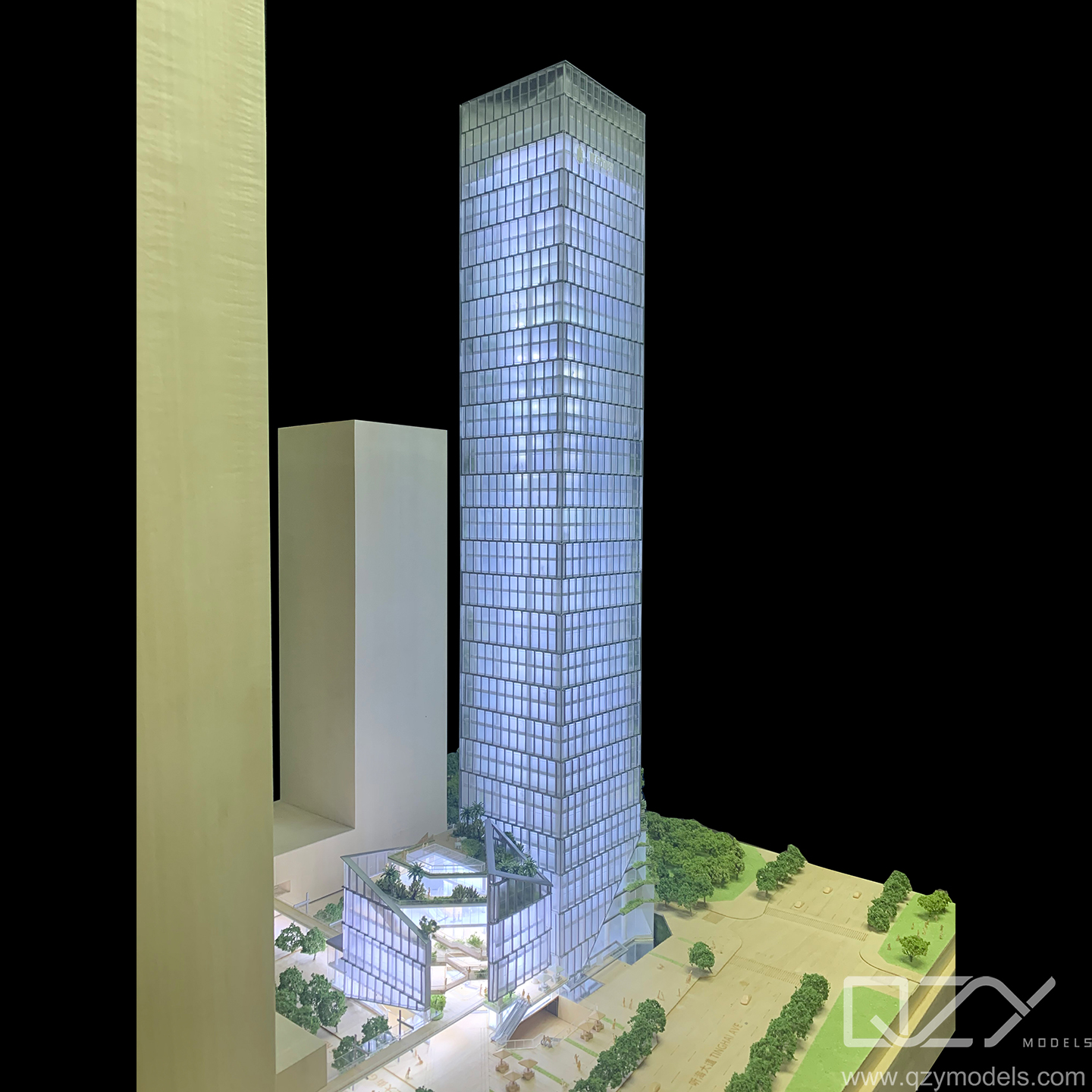
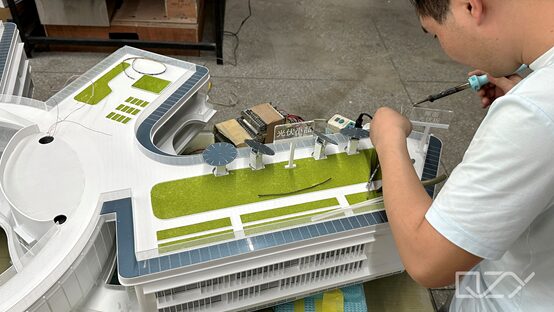
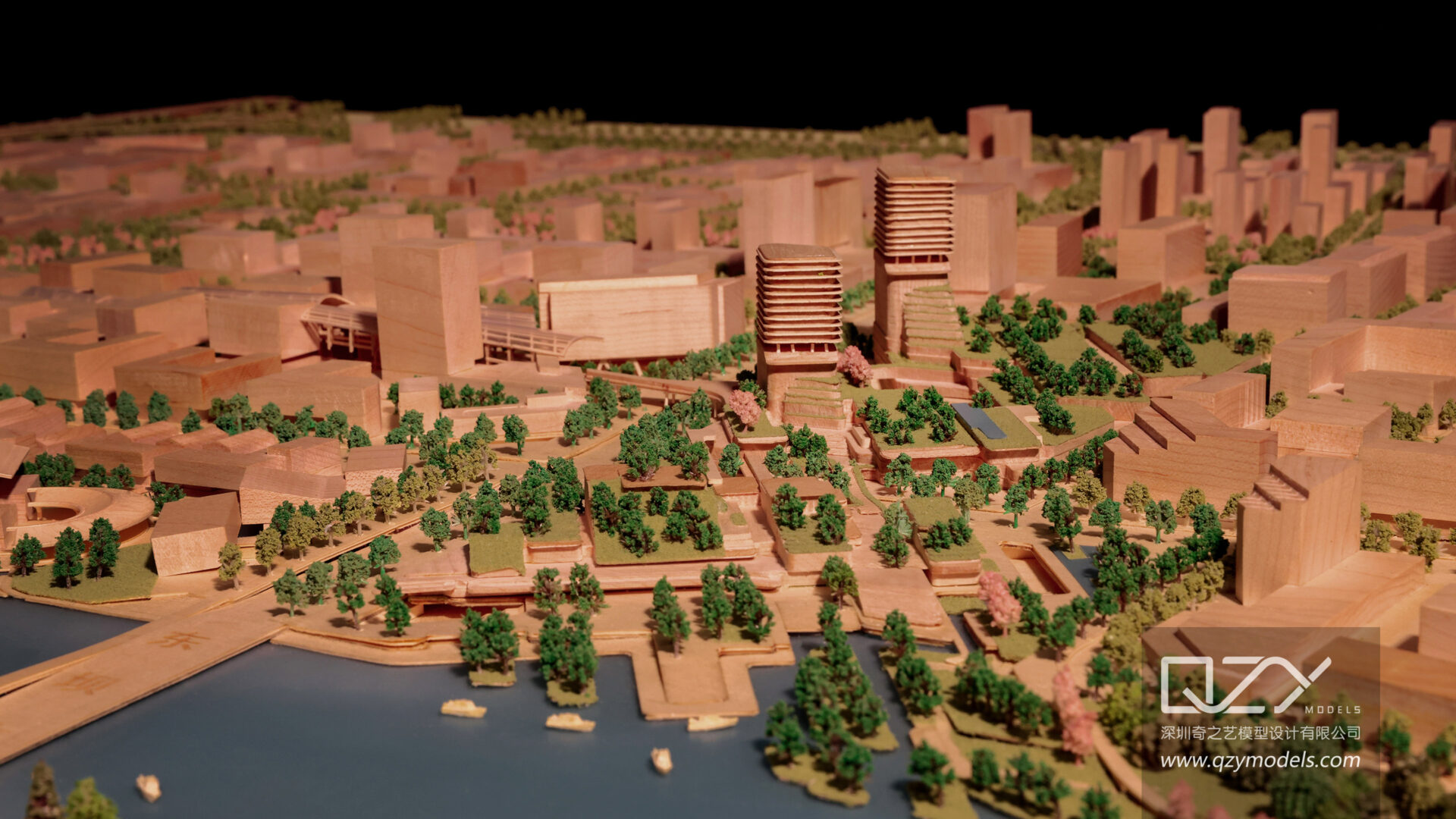
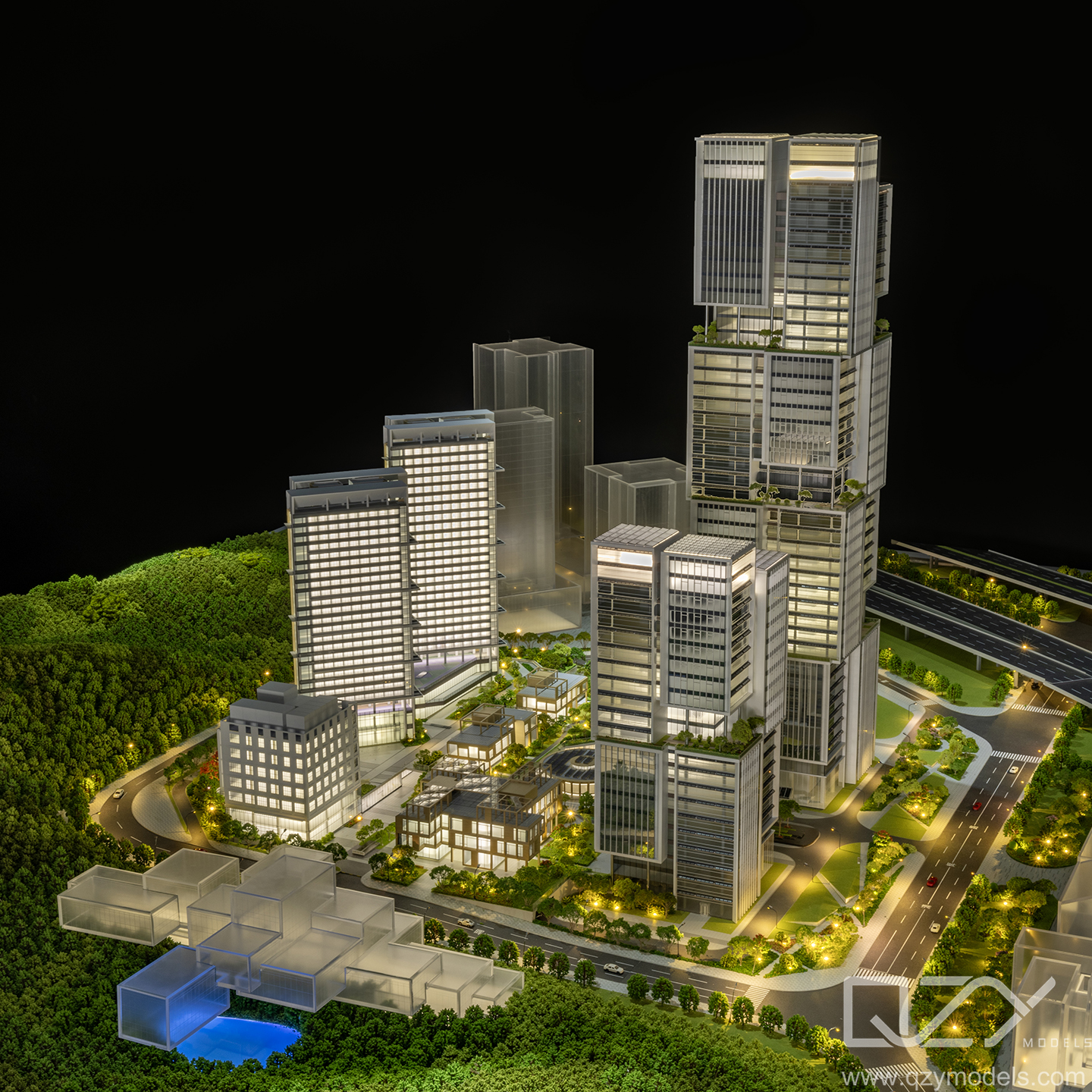
Home 3D printing of miniature models can achieve professional-quality results when you select the right printer, materials, and workflow. By preparing precise 3D files, optimizing slicing settings, and applying careful post-processing, hobbyists and professionals alike can produce detailed, durable, and visually striking miniatures. QZY Models emphasizes planning, layered finishing, and iterative testing to ensure each model meets high standards for display and client use.
How does 3D printing benefit miniature model creation?
3D printing allows for precise, scalable, and customizable miniature production. High-resolution printers replicate intricate details accurately, while rapid prototyping lets designers iterate designs without expensive tooling. Multiple materials—from flexible resins to rigid filaments—enable varied textures and structural properties. QZY Models uses these advantages to craft architectural and industrial miniatures with consistent detail and professional finishes.
Table: Comparison of FDM vs Resin for Miniatures
| Printer Type | Detail Level | Speed | Material Options | Best Use |
|---|---|---|---|---|
| FDM | Moderate | Fast | PLA, ABS, PETG | Larger components, prototypes |
| Resin/MSLA | High | Slower | Photopolymer | Intricate miniatures with fine detail |
FDM printers are cost-effective for larger pieces, while resin printers excel in capturing tiny features and smooth surfaces. For mixed-scale projects, QZY Models integrates both approaches to optimize cost and precision.
How do you select the right 3D printer for home miniatures?
Printer choice depends on resolution, material compatibility, and build volume. High XY resolution and small layer heights produce crisp details. Resin printers provide finer detail for small-scale miniatures, while FDM printers handle larger prints efficiently. Build volume should accommodate typical project sizes, with modular setups for occasional larger pieces. QZY Models recommends starting with a resin system for intricate models and gradually expanding to hybrid setups for versatility.
How should you prepare a miniature 3D model for printing?
Start with a watertight, accurately scaled 3D model. Refine geometry using CAD or sculpting software to ensure proper wall thickness, fillets, and smooth surfaces. Check for non-manifold edges or intersecting parts before slicing. Export files in printer-compatible formats (.STL or .3MF) and plan support placement strategically. QZY Models emphasizes that clean, well-prepared models significantly reduce print failures and post-processing effort.
How can slicing settings be optimized for miniature features?
Set fine layer heights—0.03–0.05 mm for resin and 0.12–0.16 mm for high-detail FDM—to capture intricate details. Calibrate exposure times or extrusion rates to prevent over- or under-curing. Design support structures that minimize surface contact while maintaining stability. QZY Models recommends iterative testing and careful observation during initial prints to refine settings and achieve reliable, high-quality miniatures.
How do you post-process miniatures for professional finishes?
After printing, clean residual material thoroughly. Resin prints should undergo proper UV curing. Sand rough areas using fine-grit papers, apply fillers for seam smoothing, then prime and paint according to material type. Seal with protective varnishes or coatings. QZY Models integrates layered finishing techniques, including subtle weathering and dry-brushing, to enhance realism and longevity.
How can you strengthen miniatures without losing detail?
Increase infill density or use adaptive patterns for structural components. For resin, post-cure and, if appropriate, anneal to improve rigidity. Design elements like chamfers, fillets, and smooth transitions reduce stress concentration. QZY Models balances reinforcement with delicate features, ensuring durability while preserving the miniature’s fine detail.
How should miniatures be displayed and protected?
Use modular or detachable assemblies for transport and flexible display setups. Protective coatings enhance longevity, while strategic lighting and framing highlight intricate features. QZY Models incorporates display planning early in production, ensuring models remain visually striking and physically safe during exhibitions, presentations, or tabletop use.
How can you save costs when printing at home?
Reuse support structures where feasible and optimize part orientation to reduce material waste. Print small test pieces before full-scale production to minimize failed prints. Consolidate multiple parts into single assemblies when possible. QZY Models emphasizes efficient planning and assembly design to reduce material costs, labor, and post-processing time.
QZY Models Expert Views
“Success in miniature 3D printing depends on careful planning, precise material selection, and disciplined finishing. Every model benefits from accurate scaling, thoughtful reinforcement, and structured post-processing. Attention to detail at each step—from slicing to paint—ensures high-quality, durable, and visually compelling results.” — QZY Models Expert Team
Conclusion
Home 3D printing can produce miniature models with remarkable precision and detail when approached with structured planning, careful printer selection, and skilled post-processing. Using tested workflows, hobbyists and professionals alike can achieve durable, display-ready miniatures. QZY Models provides guidance on material choice, finishing techniques, and display strategies to maximize quality, realism, and client satisfaction.
FAQs
-
Which printer is best for ultra-fine miniature details?
Resin printers provide the highest level of detail. FDM can complement resin for larger scenic components. QZY Models recommends hybrid approaches for mixed-scale projects. -
How long does printing a miniature usually take?
Time depends on size, layer height, and printer type. Resin prints are slower due to curing, whereas FDM prints larger components faster. Planning for print duration is critical. -
Are there safe finishing practices for home 3D printing?
Yes. Always work in well-ventilated areas, use protective gloves and masks, and follow manufacturer instructions for resins or filaments. QZY Models emphasizes safety as part of professional workflow. -
Can I reinforce miniatures without losing fine details?
Yes. Use adaptive infill, design features like fillets and chamfers, and post-cure or anneal resin prints. QZY Models balances reinforcement with maintaining intricate details. -
What are the best display methods for miniatures?
Modular, detachable assemblies with protective coatings work best. Consider lighting and framing to enhance visual impact. QZY Models plans display setups during production for optimal presentation.