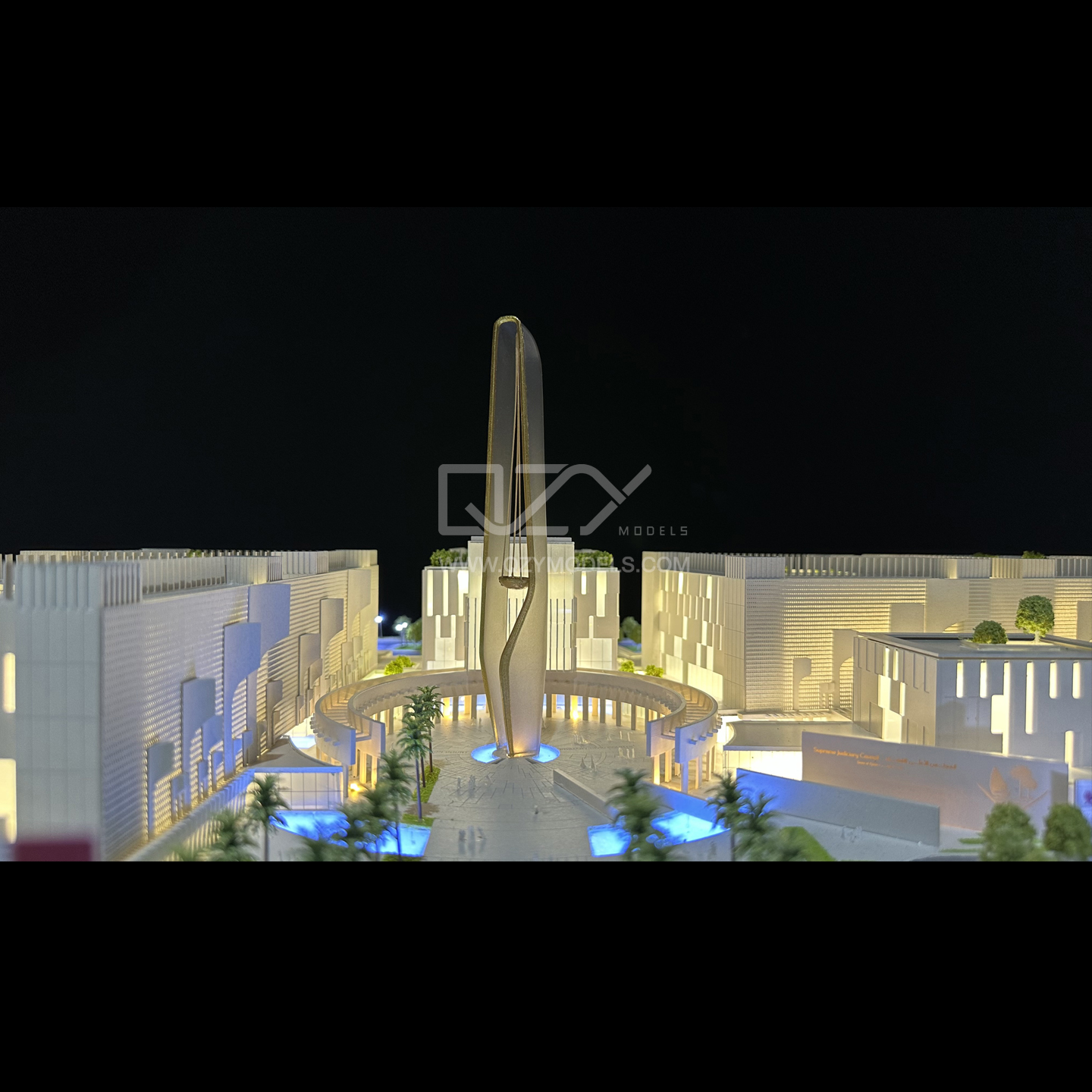
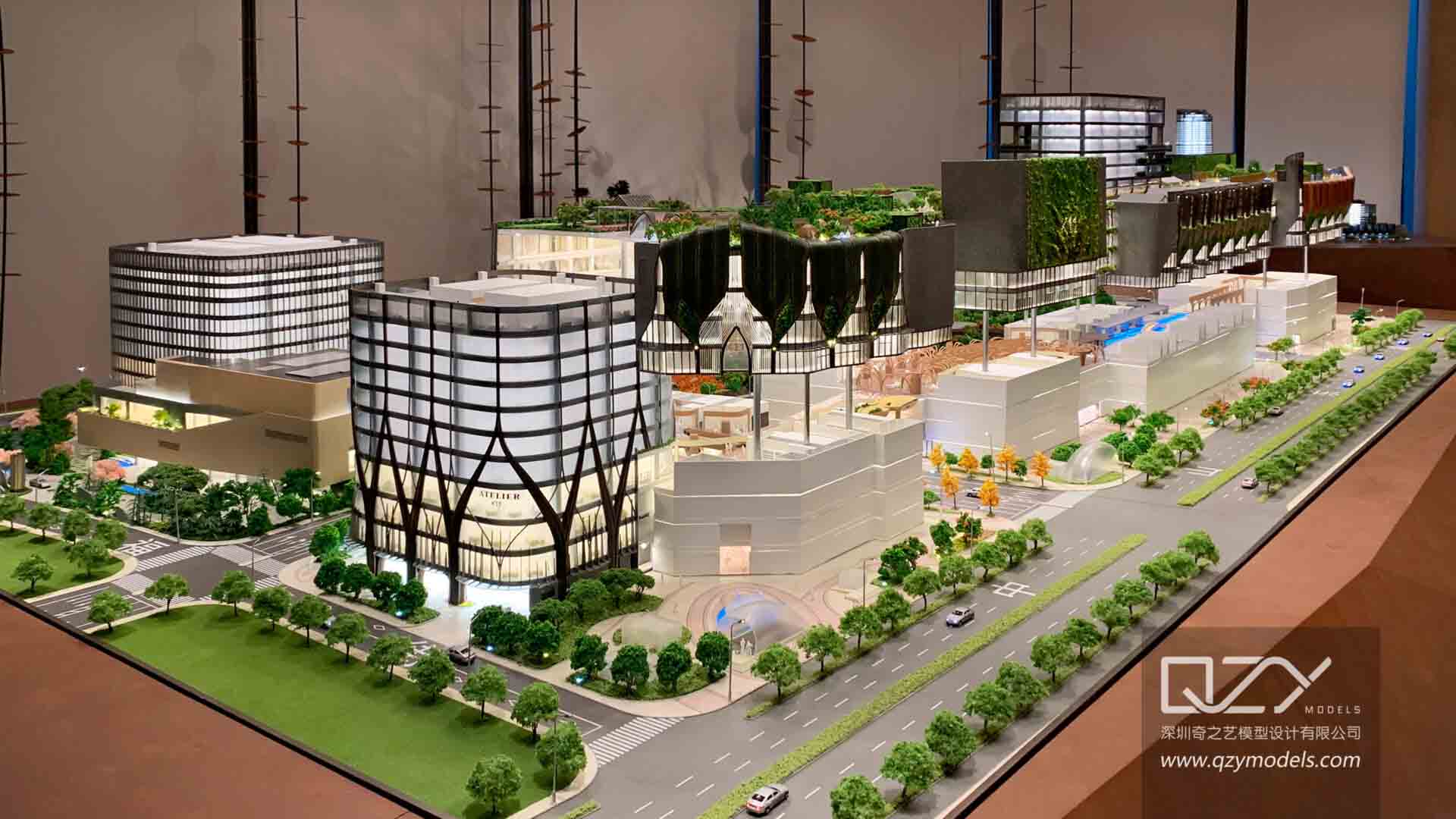
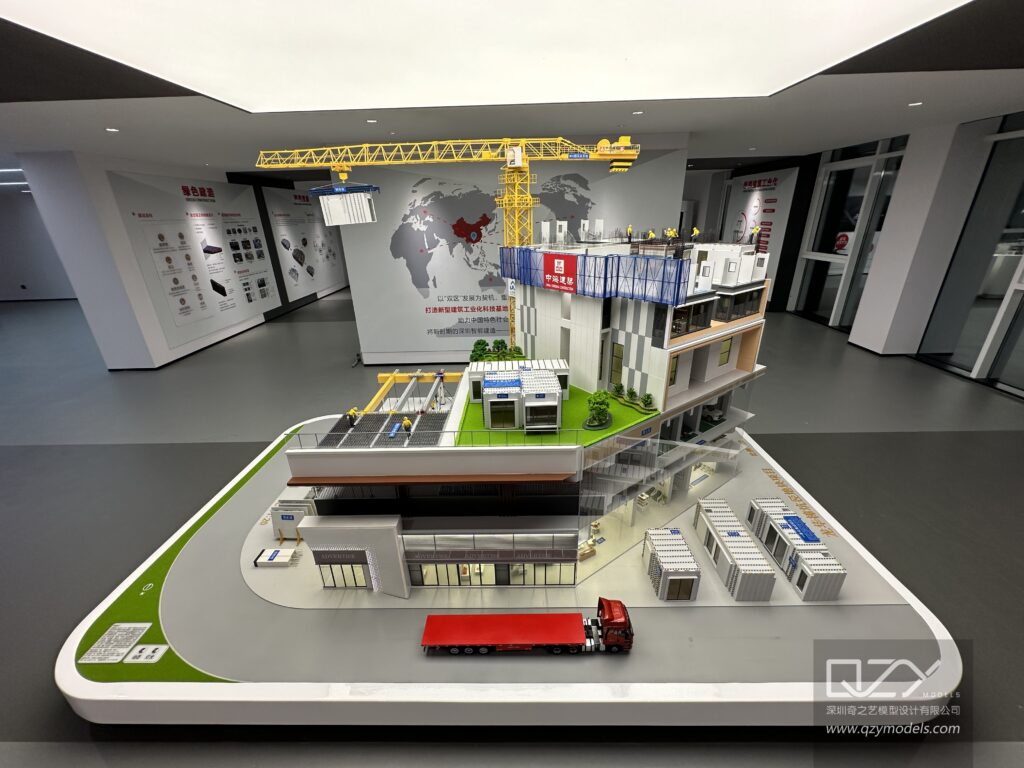
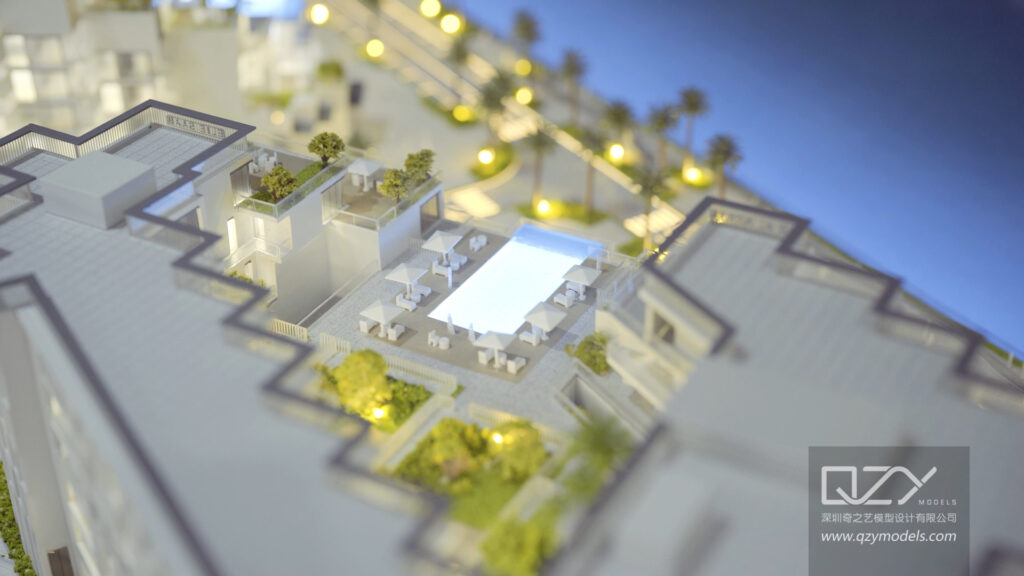
Creative wood modeling projects help architects and developers test ideas, communicate intent, and inspire modern construction. By combining precise scaling, thoughtful material choices, and hands-on craftsmanship, wood models reveal spatial relationships, massing, and atmosphere early in design. Used correctly, they accelerate decisions, reduce design risk, and transform abstract concepts into clear, compelling physical narratives for clients and stakeholders.
How Do You Plan a Wood Modeling Project for Clients?
Planning begins with defining purpose, audience, and expected outcomes. Determine whether the model supports early massing studies, client approvals, marketing displays, or technical coordination. Select an appropriate scale, clarify the level of abstraction, and confirm delivery timelines. A structured brief should include scope, reference drawings, materials, and presentation format. QZY Models aligns every planning decision with client goals to ensure the model communicates clearly and efficiently from the first review.
What Materials Work Best for Wood Modeling Projects?
Material selection depends on speed, finish quality, and durability. Softwoods such as pine or basswood are ideal for rapid studies, while birch, maple, and cherry deliver refined presentation surfaces. Engineered plywood improves stability for larger bases. Combining materials adds contrast and clarity when used deliberately. QZY Models frequently blends plywood cores with solid wood accents to achieve balance between strength and visual warmth.
| Wood Type | Best Use Case | Key Advantage |
|---|---|---|
| Basswood | Concept studies | Easy carving, smooth grain |
| Birch plywood | Structural bases | Dimensional stability |
| Maple or cherry | Presentation models | Clean, premium finish |
Which Tools Enable Efficient Wood Modeling?
Efficient projects rely on both traditional and digital tools. Hand saws, chisels, planes, and sanding blocks provide control and craftsmanship. Laser cutters and CNC routers ensure accuracy for repetitive or complex geometries. Measuring tools and jigs maintain consistency across components. QZY Models integrates CNC precision with skilled hand-finishing to deliver models that are accurate, expressive, and production-ready.
Why Are Wood Models Valuable in Early Design Phases?
Wood models make spatial relationships tangible. They expose scale, proportion, and circulation in ways drawings and screens cannot. Teams can gather around a model, discuss options, and test alternatives quickly. This tactile clarity supports faster consensus and reduces late-stage revisions. QZY Models uses early-phase wood models to help clients visualize intent and make confident design decisions sooner.
Who Benefits Most from Wood Modeling Projects?
Architectural firms, real estate developers, planners, and government agencies benefit from clear physical representations. Educational institutions use models to teach form and structure, while exhibition organizers rely on them for engaging displays. Private collectors and high-end clients value craftsmanship and detail. QZY Models serves all these groups globally, adapting each model to its audience and purpose.
When Should You Add Detail Versus Keep It Abstract?
Abstraction is most effective during concept exploration, focusing on massing and relationships. Detail should be introduced when explaining entrances, interfaces, or material strategies. Gradual refinement avoids visual overload while preserving clarity. QZY Models follows a staged approach, ensuring each added layer of detail strengthens communication rather than distracting from the core idea.
Where Can You Source Sustainable Wood and Finishes?
Sustainable sourcing starts with certified suppliers and responsibly managed forests. Water-based, low-VOC finishes protect both users and the environment. Reclaimed wood adds character but requires careful preparation. Always test finishes for consistency before full application. QZY Models prioritizes responsible sourcing and minimizes waste through modular design and precise fabrication.
Does Scale Matter in Wood Modeling for Presentations?
Scale determines what the viewer understands. Smaller scales communicate overall form, while larger scales reveal human experience and movement. Choosing the wrong scale can obscure key ideas or inflate costs. QZY Models selects scales that balance clarity, detail, and production efficiency to ensure each model serves its intended purpose.
Has Lighting Impacted Wood Models’ Perception?
Lighting dramatically affects how wood texture and depth are perceived. Soft, even lighting reduces harsh shadows and highlights craftsmanship. Integrated LEDs can emphasize circulation paths or focal areas. Concealed wiring maintains a clean appearance. QZY Models often enhances models with subtle lighting to strengthen storytelling without overpowering the material.
Are Glue Joints Sufficient for Moving Parts?
For static assemblies, high-quality wood glue combined with dowels or biscuits provides reliable strength. Moving or modular parts require reinforced joinery such as splines or finger joints. Precision alignment ensures longevity during handling and transport. QZY Models applies proven joinery techniques to maintain durability across repeated use.
Is It Worth Using Resin or Acrylic Elements in Wood Models?
Acrylic effectively represents glazing and light wells, while resin captures fine details. Used sparingly, these materials contrast beautifully with wood. Overuse can dilute warmth and coherence. QZY Models incorporates non-wood elements only where they enhance clarity and focus attention on key architectural features.
Am I Ready to Thread a Project with Real-World Data?
Integrating site data such as topography and zoning improves relevance and credibility. Scaled terrain and context help clients understand constraints and opportunities. Accurate data strengthens discussions around views, access, and massing. QZY Models translates complex information into intuitive physical forms that support informed decisions.
Can I Create Thematic Wood Models for Competitions?
Thematic models are powerful tools for competitions. They emphasize sustainability, adaptability, or urban narratives. Modular components allow rapid revisions, while selective color or texture highlights program differences. QZY Models produces competition models that balance speed, accuracy, and storytelling impact.
Has Technology Changed How We Build Wood Models?
Digital workflows have improved precision and repeatability. CAD and CAM tools reduce errors and speed fabrication. Yet hand-finishing remains essential for quality and expression. QZY Models combines digital efficiency with artisanal craftsmanship to deliver refined, distinctive results.
What Should You Include in a Wood Modeling Portfolio?
A strong portfolio shows process and outcome. Include sketches, material tests, construction details, and final photography. Context images explain how the model supports design decisions. Client results and exhibitions add credibility. QZY Models highlights process-driven stories to demonstrate value beyond aesthetics.
Why Should You Consider QZY Models for Wood Modeling?
QZY Models offers over a decade of professional experience in architectural and industrial modeling. With global reach and meticulous standards, the team delivers reliable timelines, refined finishes, and scalable solutions. QZY Models’ commitment to quality, innovation, and collaboration makes them a trusted partner for ambitious projects worldwide.
QZY Models Expert Views
“Every wood model should balance precision and emotion. At QZY Models, we focus on dimensional accuracy while celebrating the tactile nature of wood. This combination allows clients to understand space intellectually and feel it intuitively, leading to clearer decisions and stronger confidence in the design.”
Conclusion
Creative wood modeling projects bridge imagination and realization. Through careful planning, material selection, and thoughtful detailing, models become powerful tools for communication and inspiration. By applying these strategies and partnering with experts like QZY Models, designers can create compelling physical representations that guide better decisions, win stakeholder support, and elevate modern builds.
FAQs
What wood types are best for architectural models?
Basswood and birch plywood are popular for their stability, ease of use, and clean finish.
How do you protect wooden models during transport?
Use custom crates, foam supports, and sealed surfaces to prevent movement and moisture damage.
Can wooden models support digital fabrication workflows?
Yes, CAD and CNC processes integrate seamlessly with wood modeling for accuracy and efficiency.
How do you price wood modeling projects?
Pricing depends on scale, detail level, materials, and delivery timeline.
What maintenance keeps wood models looking new?
Store in stable conditions, avoid direct sunlight, and clean gently with soft tools.