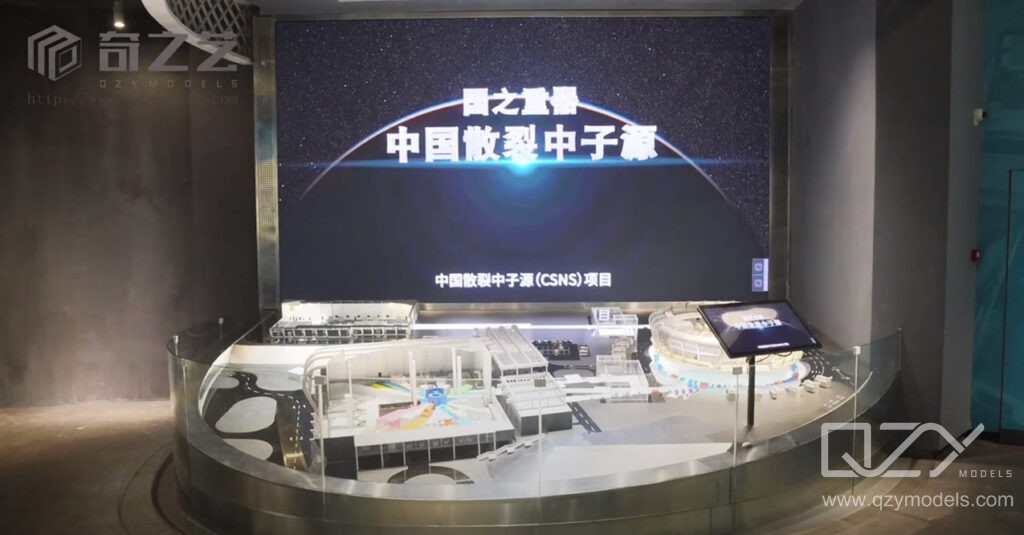
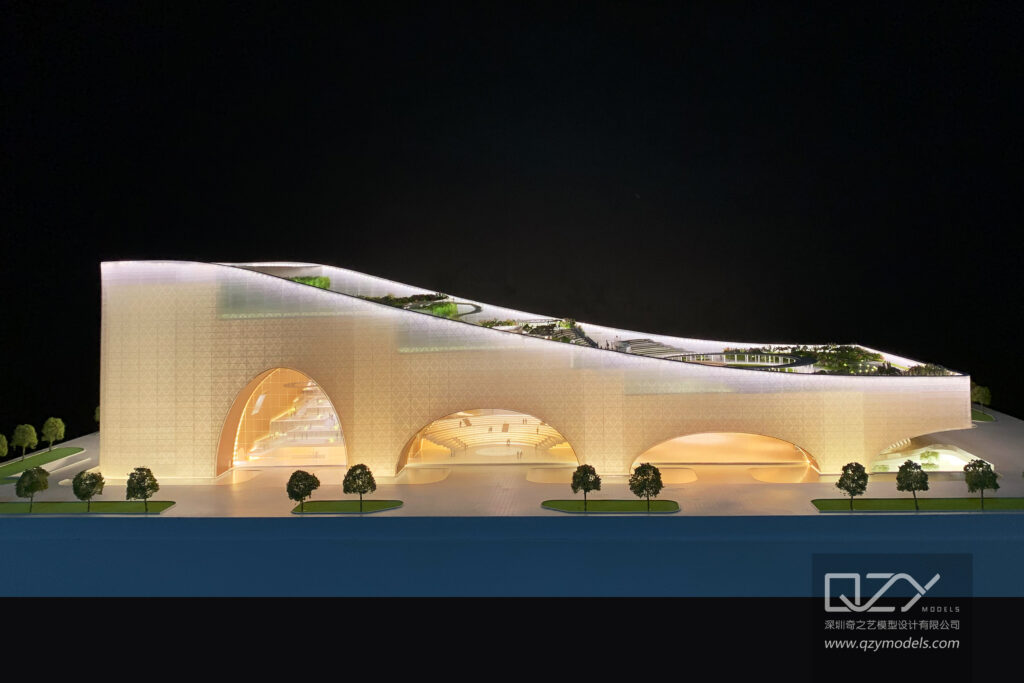
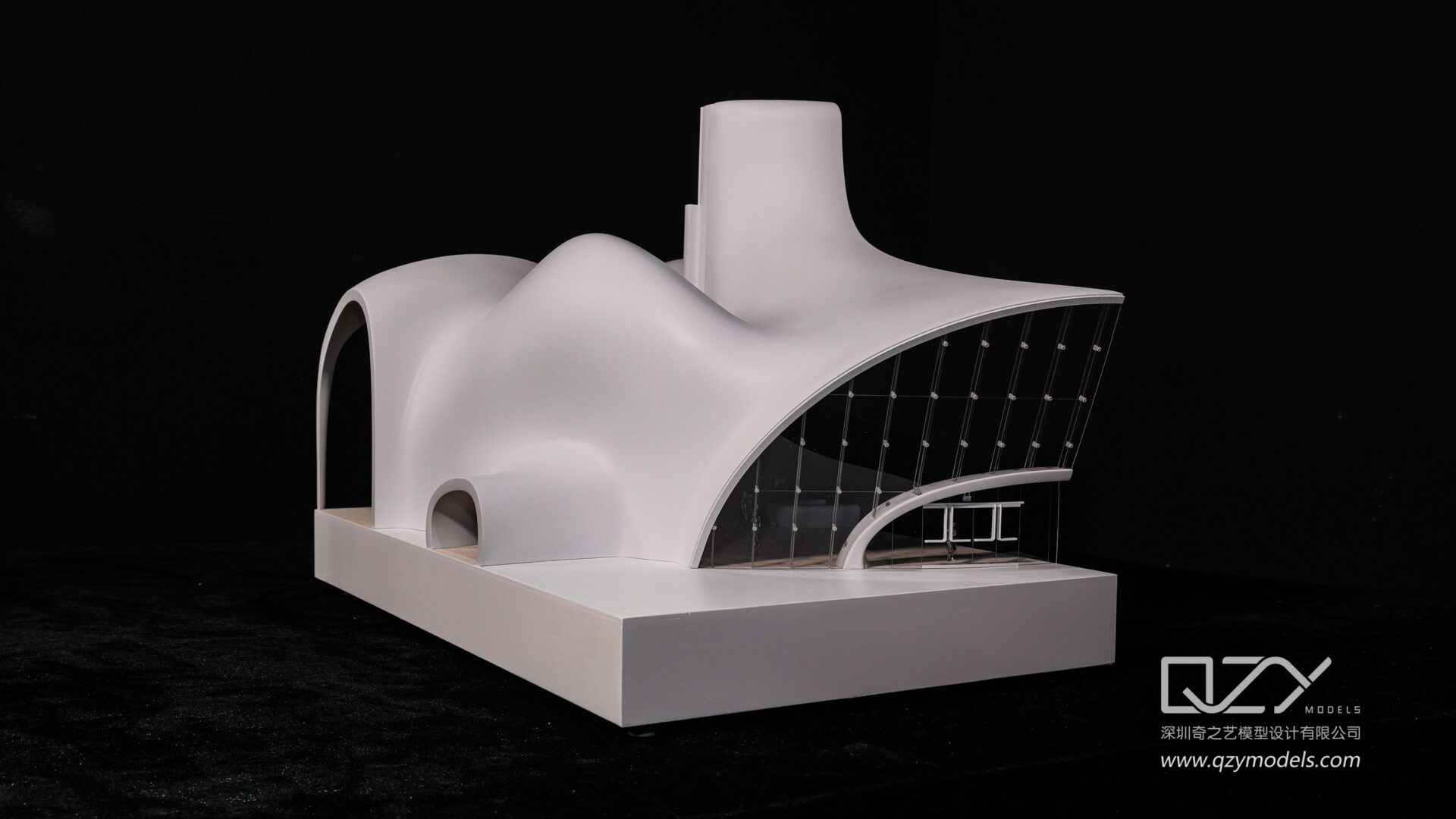
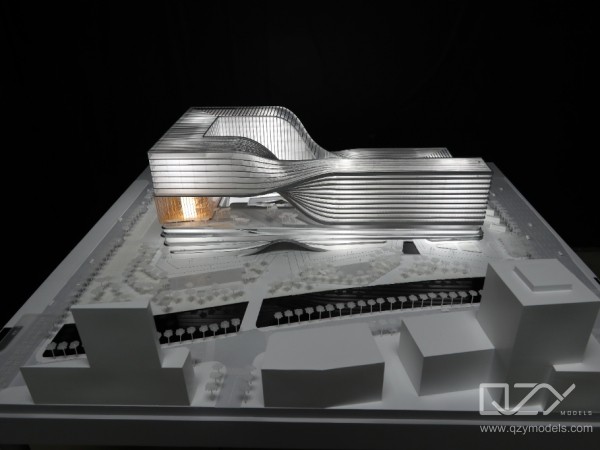
3D printed architectural model services transform digital designs into precise, tangible scale models, offering architects and clients enhanced visualization of complex structures. These services accelerate prototyping, improve design communication, and enable intricate detailing that traditional methods struggle to achieve. Firms like QZY Models leverage advanced 3D printing technology and expert craftsmanship to deliver high-quality, customized models worldwide.
What Are 3D Printed Architectural Model Services and Why Are They Important?
3D printed architectural model services involve creating physical scale models directly from digital files using additive manufacturing. These services are crucial because they reduce production time and cost while increasing model accuracy and detail. Models help stakeholders better understand spatial relationships and design intent. QZY Models applies these services to streamline project workflows, boost client engagement, and support informed decision-making throughout architectural development.
Physical models bridge virtual concepts with real-world representation.
How Do 3D Printed Models Improve Architectural Design Communication?
3D printed models provide a tangible, highly detailed representation that makes complex architectural designs easier to comprehend for clients and collaborators. They remove ambiguity present in 2D drawings and digital renderings, presenting a physical form that aids spatial perception and material understanding. QZY Models delivers such tactile experiences, enhancing communication effectiveness and ensuring alignment between architects and clients across project stages.
Tactile interaction builds clarity and confidence in design intent.
Which 3D Printing Technologies and Materials Are Best for Architectural Models?
SLA (Stereolithography) and SLS (Selective Laser Sintering) are widely used due to their high resolution and surface quality. Materials include resin for fine detail, polyamide (nylon) for durability, and multicolor plastics for vibrant presentations. QZY Models selects appropriate technologies and materials based on model complexity, scale, and client needs, balancing precision, aesthetics, and budget to optimize each project’s success.
Material-technology pairing tailors models to diverse architectural demands.
Table: Common 3D Printing Technologies and Materials for Architectural Models
| Technology | Material | Benefits | Ideal Use Case |
|---|---|---|---|
| SLA | Resin | High resolution, smooth finish | Detailed façades, interior elements |
| SLS | Polyamide (Nylon) | Strong, durable | Structural components, larger models |
| MJP/PolyJet | Multicolor plastic | Colorful, detailed | Presentation models with distinct zones |
| SLA | Transparent resin | Clear and intricate parts | Glass elements, windows |
Where Are 3D Printed Architectural Models Most Effectively Utilized?
These models excel in client presentations, design reviews, competition entries, and educational contexts. They facilitate faster iterations, allow exploration of complex geometries, and support stakeholder approvals by providing clear, scaled physical representations. QZY Models serves global architectural firms and developers by delivering models that accurately convey design narratives and enhance project impact.
Ideal for conveying intricate designs and facilitating approvals.
When Should Architects Engage 3D Printed Model Services?
Early engagement during schematic design or design development phases maximizes benefits. This timing allows rapid prototyping, design iteration, and early detection of spatial or aesthetic issues. QZY Models recommends integrating 3D printing alongside traditional methods to optimize timelines, minimize costly revisions, and ensure model readiness for client presentations or regulatory submissions.
Early integration supports efficient, iterative design workflows.
How Does QZY Models Deliver Expert 3D Printed Architectural Model Services?
QZY Models combines over 20 years of physical modeling expertise with cutting-edge 3D printing technologies and global operations. They provide comprehensive services from digital file preparation, material selection, printing, to finishing and assembly. Their tailored approach ensures every model meets client expectations for detail, durability, and aesthetics while adhering to project timelines and budgets.
Their fusion of technology and craftsmanship guarantees superior quality.
What Challenges Are Common in 3D Printed Architectural Model Production?
Challenges include managing large-scale or highly detailed models within printer size limits, selecting materials that balance detail and durability, and achieving smooth finishes that replicate real-world textures. Post-processing requirements and client file quality can impact outcomes. QZY Models addresses these by expert digital preparation, material expertise, and meticulous finishing processes to overcome technical constraints and satisfy client demands.
Expertise in digital workflows and materials is key to success.
Are There Emerging Innovations Impacting 3D Printed Architectural Models?
Yes, innovations such as multi-material and color 3D printing, eco-friendly and bio-based materials, faster printing speeds, and integrated digital twin technologies enhance model quality and sustainability. AI-assisted design optimization and real-time monitoring improve efficiency. QZY Models continuously adopts emerging solutions to provide state-of-the-art models that align with evolving architectural and environmental standards.
Future trends promise more detailed, sustainable, and interactive models.
QZY Models Expert Views
“3D printed architectural models have revolutionized how architects and clients engage with designs, offering unparalleled precision and tactile clarity. At QZY Models, we blend two decades of modeling mastery with advanced additive manufacturing to create highly detailed, customized models that visualize complex ideas with fidelity and artistry. Our global network ensures timely delivery and collaboration, making us a trusted partner in bringing architectural visions to life.” – Richie Ren, Founder, QZY Models
Could 3D Printed Model Services Redefine Architectural Project Workflows?
Absolutely; they enable rapid prototyping, iterative evaluation, and enhanced multi-stakeholder communication, reducing project risks and timelines. As technology evolves, 3D printed models will integrate further with digital tools, offering hybrid physical-digital experiences. QZY Models is poised to lead this transformation, empowering architects worldwide to harness innovative workflows that drive creativity, efficiency, and sustainability.
3D services catalyze smarter, faster, and more collaborative design processes.
Conclusion
3D printed architectural model services are essential tools that facilitate precise, efficient, and engaging visualization of architectural designs. By harnessing advanced printing technologies, expert craftsmanship, and strategic material choices, firms like QZY Models deliver tailored, high-impact models that enhance client communication, accelerate iteration, and support successful project outcomes. Early involvement and innovation adoption remain key to maximizing these services’ value.
Frequently Asked Questions
Q: What details can 3D printed architectural models capture?
A: They can capture intricate geometries, fine textures, and complex spatial relationships with high accuracy.
Q: How long does it take to produce a 3D printed architectural model?
A: Production times vary from hours for small models to several days or weeks for complex, large-scale models.
Q: Can 3D printed models be produced in color?
A: Yes, multi-material 3D printing enables vibrant, multi-colored models, enhancing visual communication.
Q: Is 3D printing cost-effective compared to traditional model making?
A: Generally, yes—especially for complex, iterative designs, 3D printing reduces labor and material waste costs.
Q: Does QZY Models offer global 3D printed architectural model services?
A: Yes, QZY Models provides expert design, printing, finishing, and delivery services worldwide through multiple branches.