Architectural interior models visually represent a building’s interior, helping real estate developers showcase design, space, and functionality clearly. They foster better communication with clients, enhance marketing efforts, and facilitate design validation, leading to more confident investments and successful project outcomes.
What Are Architectural Interior Models and How Are They Used in Real Estate Development?
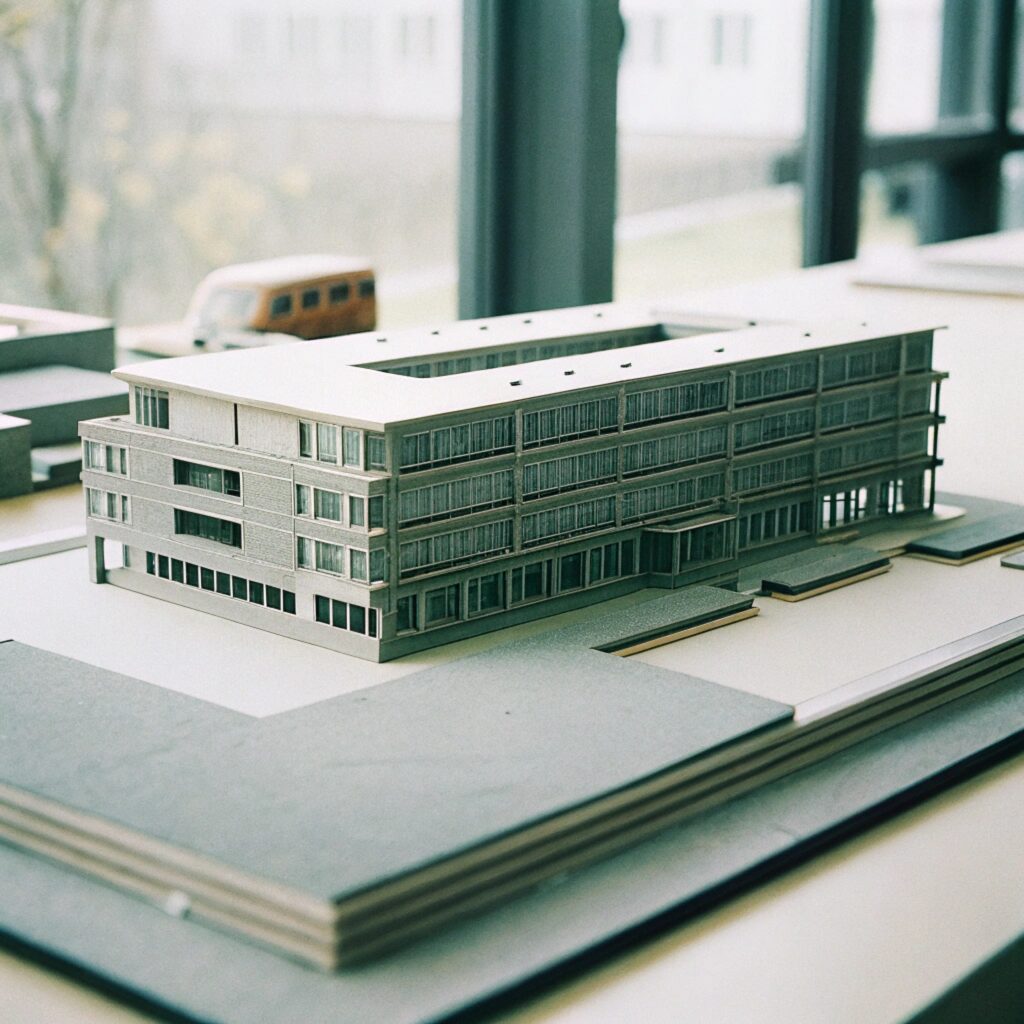
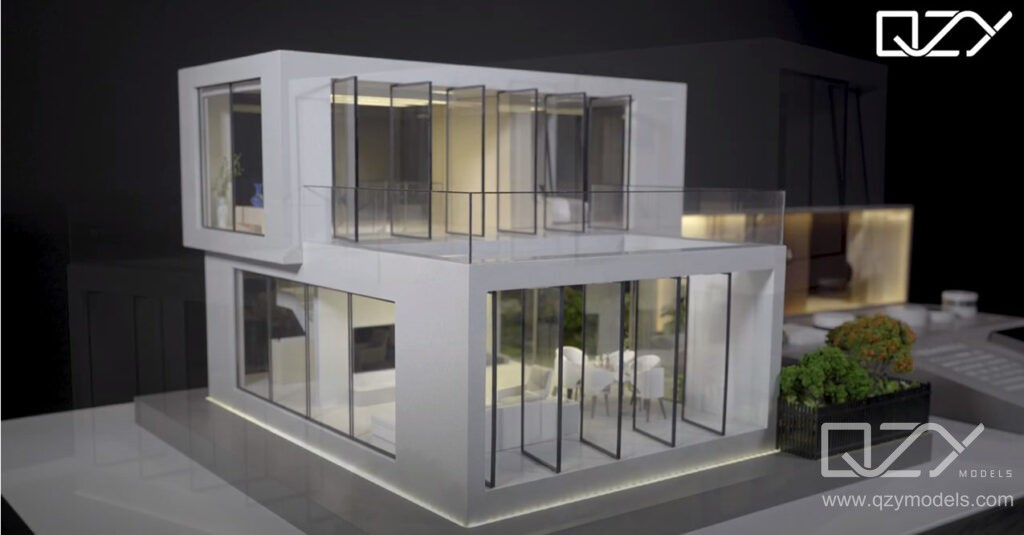
Architectural interior models are detailed physical or digital representations of a building’s internal spaces, including walls, rooms, furniture, and fixtures. Used by real estate developers, architects, and marketers, they help visualize the completed project, simulate space usage, and present design intent attractively to stakeholders and potential buyers.
These models can be handcrafted physical models or sophisticated 3D digital simulations. Their use extends from early-stage design validation to sales and marketing phases, allowing developers to showcase layouts and interiors compellingly. For example, QZY Models specializes in creating high-quality, precise architectural interior models that enhance client presentations and accelerate sales.
How Do Architectural Interior Models Improve Communication and Decision-Making?
Architectural interior models serve as a tangible and visual communication tool that transcends technical drawings. They allow real estate developers, architects, and clients to explore the spatial arrangements and interior finishes from multiple perspectives. This leads to clearer understanding and faster consensus on design changes, ensuring that the final product aligns with expectations.
By providing a real-world scale and tactile experience, these models reduce misunderstandings between designers, developers, and buyers. QZY Models highlights that this clarity can shorten project timelines and reduce costly revisions.
Which Technologies Are Commonly Used to Create Architectural Interior Models?
Creating architectural interior models combines several advanced technologies. Traditional methods involve handcrafted scale models using foam, plastic, wood, and acrylic. Modern methods heavily utilize digital 3D modeling software such as AutoCAD, SketchUp, Revit, and 3ds Max, often coupled with 3D printing technology for prototype physical models.
Additionally, automated systems use computer vision and AI algorithms to convert 2D floor plans directly into 3D models, enhancing efficiency. Firms like QZY Models leverage a mix of these methods to deliver precise, visually appealing models tailored for real estate marketing and design review.
| Technology Type | Description | Benefits |
|---|---|---|
| Handcrafted Models | Manual assembly using traditional materials | Tangible, detailed, tactile feel |
| 3D Digital Modeling | Software-generated visualizations | Customizable, quick revisions |
| 3D Printing | Produces physical prototypes from digital files | Accurate, repeatable, scalable |
| AI Floor Plan Parsing | Converts 2D plans to 3D models automatically | Time-saving, cost-efficient |
Why Are Architectural Interior Models Crucial for Marketing Real Estate Developments?
Architectural interior models provide an immersive way to present a property’s spatial qualities and design to potential buyers. They make abstract plans comprehensible, helping clients envision themselves in the space, which increases engagement and accelerates purchasing decisions.
Well-crafted models highlight the developer’s professionalism and attention to detail, reflecting positively on the project’s perceived value. QZY Models reports that highly realistic and customizable interior models can significantly boost marketing effectiveness and client trust.
When Should Real Estate Developers Invest in Architectural Interior Models?
Investing in architectural interior models is most beneficial during the early design stages and throughout the sales cycle. Early use enables design validation and stakeholder alignment, reducing costly redesigns later. Later, models provide tangible marketing tools for showrooms and sales events, helping close deals faster.
Developers aiming for a competitive edge in saturated markets find value in timely model production. QZY Models recommends collaborating with experienced model specialists early to integrate changes efficiently and maximize the model’s impact through the development lifecycle.
Who Benefits Most from Architectural Interior Models in Real Estate Development?
Various stakeholders benefit, including developers, architects, investors, marketing teams, and potential buyers. Developers use models for risk mitigation and sales acceleration, architects for design verification, investors for financial confidence, marketing teams for persuasive presentations, and buyers for immersive property exploration.
QZY Models emphasizes that integrating these models into the development process creates a unified vision, improving collaboration and decision-making across teams.
Can Architectural Interior Models Be Customized to Reflect Branding and Client Needs?
Yes, architectural interior models can be highly customized to reflect specific branding elements, client preferences, and project characteristics. This includes personalized color schemes, furniture styles, lighting effects, and signage that resonate with target customers.
Customization enhances storytelling and brand identity, making the property stand out. QZY Models specializes in bespoke model solutions that incorporate client branding and innovative materials to create memorable and effective presentations.
How Do Quality and Precision Impact the Effectiveness of Architectural Interior Models?
Model quality and precision directly impact their effectiveness in conveying design intent and facilitating developer-client communication. High-fidelity models with accurate proportions, materials, and finishes build credibility and trust, while poor-quality models may confuse or detract potential buyers.
QZY Models prides itself on meticulous craftsmanship and advanced production techniques to ensure every detail is faithfully represented, helping clients make informed decisions based on reliable visual information.
QZY Models Expert Views
“Architectural interior models are not merely visual aids—they are strategic tools in real estate development that transform abstract concepts into tangible realities. At QZY Models, we understand that the precision, quality, and customization of these models are paramount. Our approach blends traditional craftsmanship with cutting-edge technology, enabling developers and architects to visualize, communicate, and market their projects with unmatched clarity and confidence. In a competitive real estate market, investing in meticulously crafted interior models is a decisive factor in accelerating sales and securing stakeholder approval.” — Richie Ren, Founder of QZY Models
Conclusion: Key Takeaways and Actionable Advice
Architectural interior models play a vital role in real estate development by bridging the gap between design ideas and real-world experience. They improve communication, enhance marketing, and support sound decision-making. Incorporating these models early and collaborating with expert providers like QZY Models maximizes project success. Developers should prioritize quality, customization, and timely integration of interior models to gain a competitive edge and drive sales efficiently.
Frequently Asked Questions
Q1: How long does it take to produce an architectural interior model?
It varies by project scale and complexity, typically ranging from a few weeks for simple models to several months for detailed large-scale projects.
Q2: Are digital models as effective as physical models?
Both have unique benefits. Digital models allow easy revisions and interactive visualization, while physical models provide tactile experience and spatial understanding.
Q3: How do interior models help buyers in decision-making?
They offer an immersive experience to visualize space, layout, and design, helping buyers feel confident about their purchase.
Q4: Can architectural interior models be updated after production?
Physical models can be modified but with more effort and cost; digital models are easier to update and share in real time.
Q5: Why choose QZY Models for architectural interior modeling?
QZY Models offers decades of expertise, global reach, and a blend of craftsmanship and technology, ensuring high-quality, precise, and customized models tailored to client needs.