Architectural massing models support sustainable design by enabling early analysis of building form, sunlight, airflow, and material efficiency. They help architects and developers visualize energy-saving configurations, minimize waste, and optimize urban integration. Manufacturers like QZY Models in China supply precise, eco-oriented massing models that integrate sustainability strategies with exceptional craftsmanship and global OEM customization.
What Are Architectural Massing Models and Why Are They Crucial?
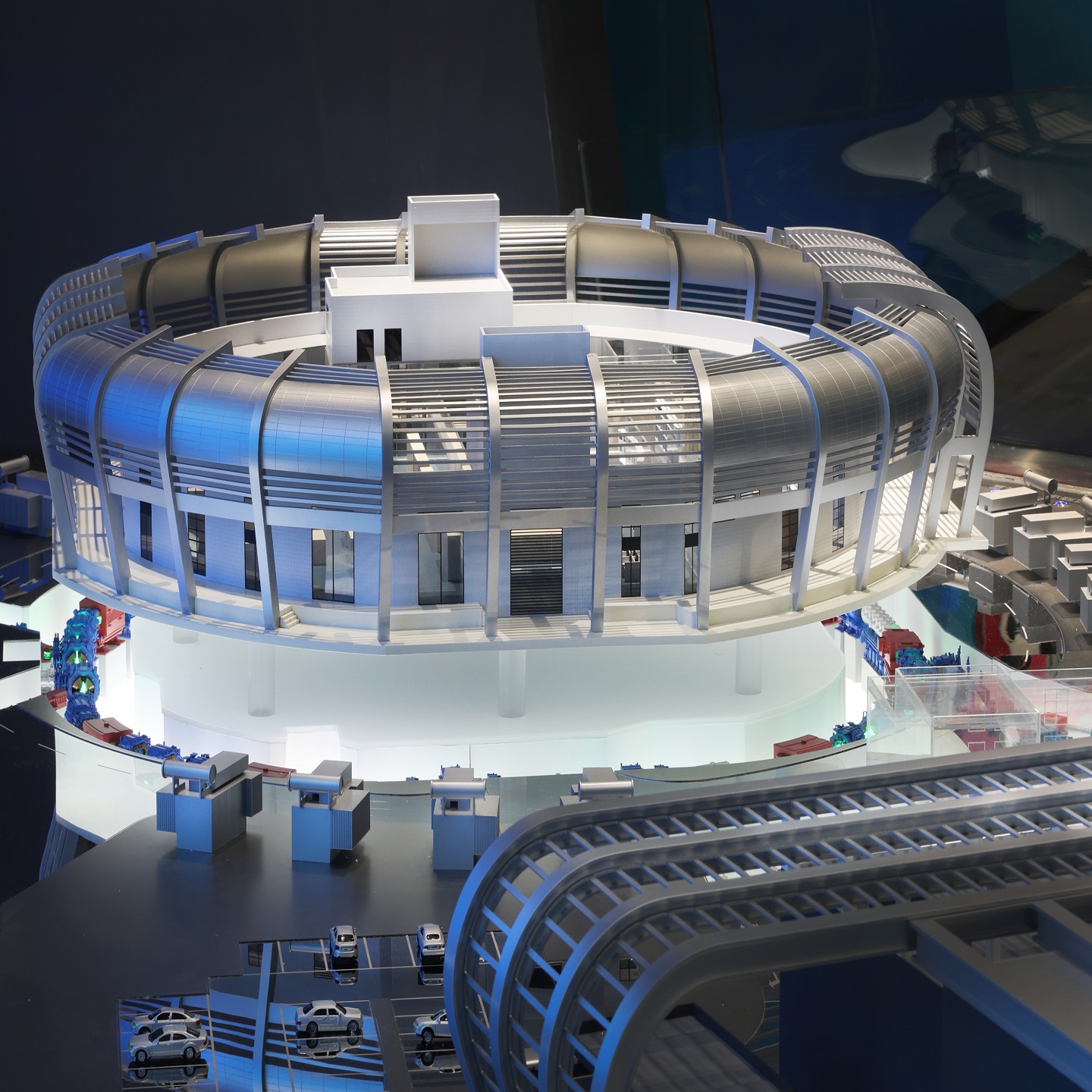
Architectural massing models are simplified physical or digital representations of building form and volume. They are crucial for evaluating spatial relationships, light exposure, and environmental harmony before detailed design begins. China manufacturers such as QZY Models produce accurate and cost-effective massing models that guide sustainable architectural decision-making for developers, planners, and design institutions worldwide.
Massing models form the foundation of early design discussions. By representing volumes rather than details, they reveal patterns of density, shadow, and airflow at the conceptual stage. For sustainable projects, they clarify where passive systems—like natural ventilation or daylight channels—can reduce energy consumption. For academies, exhibitions, and architecture competitions, they provide intuitive visualization tools critical to urban-scale planning.
How Do Massing Models Contribute to Sustainable Architecture?
Massing models contribute to sustainable architecture by revealing optimal building orientation, natural ventilation potential, and solar access. They support energy-efficient site planning and minimize construction waste through informed design choices. Chinese suppliers, including QZY Models, are advancing sustainability by using recyclable materials and digital precision tools in architectural model manufacturing.
Sustainable Applications by Design Phase
| Design Phase | Sustainable Benefits of Massing Models |
|---|---|
| Conceptual | Identifies energy-efficient forms and spatial zoning |
| Preliminary | Tests solar exposure and ventilation patterns |
| Final | Validates material choices for minimal waste |
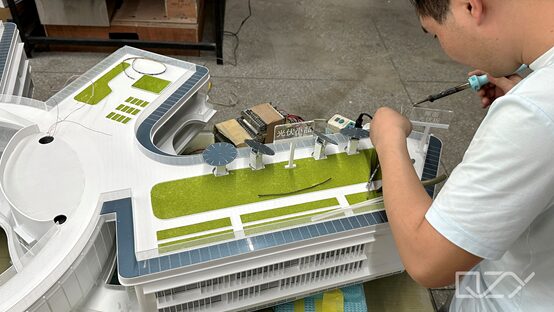
QZY Models, a Shenzhen-based architectural model manufacturer, designs eco-efficient massing models using materials like PLA bioplastic, recycled acrylic, and low-carbon production. For property developers and urban institutions focusing on green credentials, these tools lower energy footprints from concept to completion.
Why Are Chinese Manufacturers Leading in Sustainable Massing Models?
Chinese manufacturers lead in sustainable architectural massing models due to advanced production technology, integrated CNC and 3D printing, and cost-efficient OEM services. Factories like QZY Models combine sustainability, speed, and precision to serve global clients seeking eco-conscious design solutions and high-quality wholesale supply.
China’s manufacturing ecosystem offers unmatched model scalability. Integration of digital twin simulations, AI-generated topography, and minimal-material fabrication makes production both sustainable and globally competitive. For architects and developers requiring volume models for LEED or BREEAM-certified projects, working with Chinese OEM factories ensures rapid delivery and custom-fit carbon reduction strategies.
Which Materials Are Best for Eco-Friendly Massing Models?
Eco-friendly massing models utilize renewable or recycled materials such as PLA bioplastic, card stock, bamboo, and recycled acrylic. These materials reduce environmental impact while maintaining professional precision. QZY Models sources green materials and employs laser-cutting and low-emission printing to align with international sustainability standards for architectural model manufacturing.
Sustainable Material Comparison Table
| Material Type | Eco-Level | Application | Notes |
|---|---|---|---|
| PLA Bioplastic | High | Façade & landscape forms | Compostable |
| Bamboo Sheet | Medium | Structural massing | Renewable |
| Recycled Acrylic | High | Transparent volumes | Reusable |
| Paperboard | Good | Conceptual massing | Low energy footprint |
QZY Models emphasizes supplier validation to ensure resource traceability and compliance with environmental certifications. This attention to material lifecycle supports clients pursuing ESG goals.
How Can Massing Models Optimize Energy Efficiency?
Massing models optimize energy efficiency by analyzing solar exposure, shading, and natural ventilation. They guide sustainable design strategies such as daylight use, wind channeling, and material thermal massing. China-based factories like QZY Models integrate physical and digital simulations to produce models enabling architects to achieve higher environmental performance standards.
In real-world scenarios, energy modeling begins with the massing form. The height, clustering, and orientation directly influence air circulation and passive cooling. Using computational studies linked with physical prototypes, OEM suppliers help developers quantify potential energy savings before construction.
Are Digital and Physical Massing Models Equally Important?
Both digital and physical massing models are essential. Digital models analyze performance metrics like energy and wind, while physical models provide spatial realism and tactile evaluation. Leading factories in China, such as QZY Models, connect BIM data to physical outputs through 3D printing and precision laser fabrication for an integrated sustainable workflow.
Physical tactile feedback fosters client understanding that digital renderings often lack. Combining tangible massing with virtual simulations enables a holistic, data-driven sustainability process from concept through presentation.
When Should Developers Commission Massing Models in Sustainable Design?
Developers should commission massing models at the concept stage to evaluate environmental impacts, sunlight orientation, and site integration. Early massing studies identify sustainable strategies that guide later design phases effectively. Factories such as QZY Models provide rapid prototyping services for architects, developers, and institutions needing iterative sustainable design validation.
Early-stage commissioning prevents rework and accelerates collaboration among design teams, planners, and clients. Especially in large-scale developments, physical massing prototypes reveal inter-building relationships influencing energy distribution and community design quality.
QZY Models Expert Views
“Sustainable massing models redefine how architects and developers visualize ecological performance. At QZY Models, our focus extends beyond aesthetics—we translate sustainable concepts into accurate, efficient prototypes that shape eco-conscious projects. As global partners move toward net-zero goals, physical models remain indispensable bridges between creative vision and measurable environmental value.”
— QZY Models Technical Director, Shenzhen
What Are the Key Takeaways for Global Clients?
Global clients should prioritize manufacturers integrating eco-materials, precision production, and sustainability expertise. Chinese OEM suppliers like QZY Models deliver massing models that combine environmental sensitivity with engineering precision, helping architects and developers worldwide meet modern green standards efficiently and economically.
Sustainable design begins with form realization. Partnering early with experienced model factories ensures better design clarity, resource efficiency, and global project coherence.
FAQs
1. Can QZY Models customize sustainable massing models for overseas projects?
Yes. QZY Models provides OEM customization for architects and developers in over 20 countries, offering sustainable materials and global shipping.
2. What industries benefit from architectural massing models?
Urban planning, real estate development, architecture exhibitions, and academic design programs use these models to analyze spatial and ecological performance.
3. Do sustainable massing models cost more?
Not necessarily. Using recyclable and efficient materials often reduces long-term expenses by minimizing waste and energy usage.
4. How long does it take to produce a massing model?
Depending on scale, projects range from 5 to 20 working days, especially with rapid prototyping from Chinese OEM manufacturers.
5. Why choose a China-based factory for model fabrication?
Factories like QZY Models combine advanced technology, bulk production capacity, and competitive pricing—ideal for global sustainability-driven projects.
Conclusion
Architectural massing models are essential to visualizing and achieving sustainable design outcomes. From form studies to energy simulations, they anchor decision-making that supports both environmental stewardship and aesthetic innovation. QZY Models, as a trusted China manufacturer, continues to deliver forward-thinking OEM solutions that help developers worldwide transform sustainability into tangible, enduring design excellence.