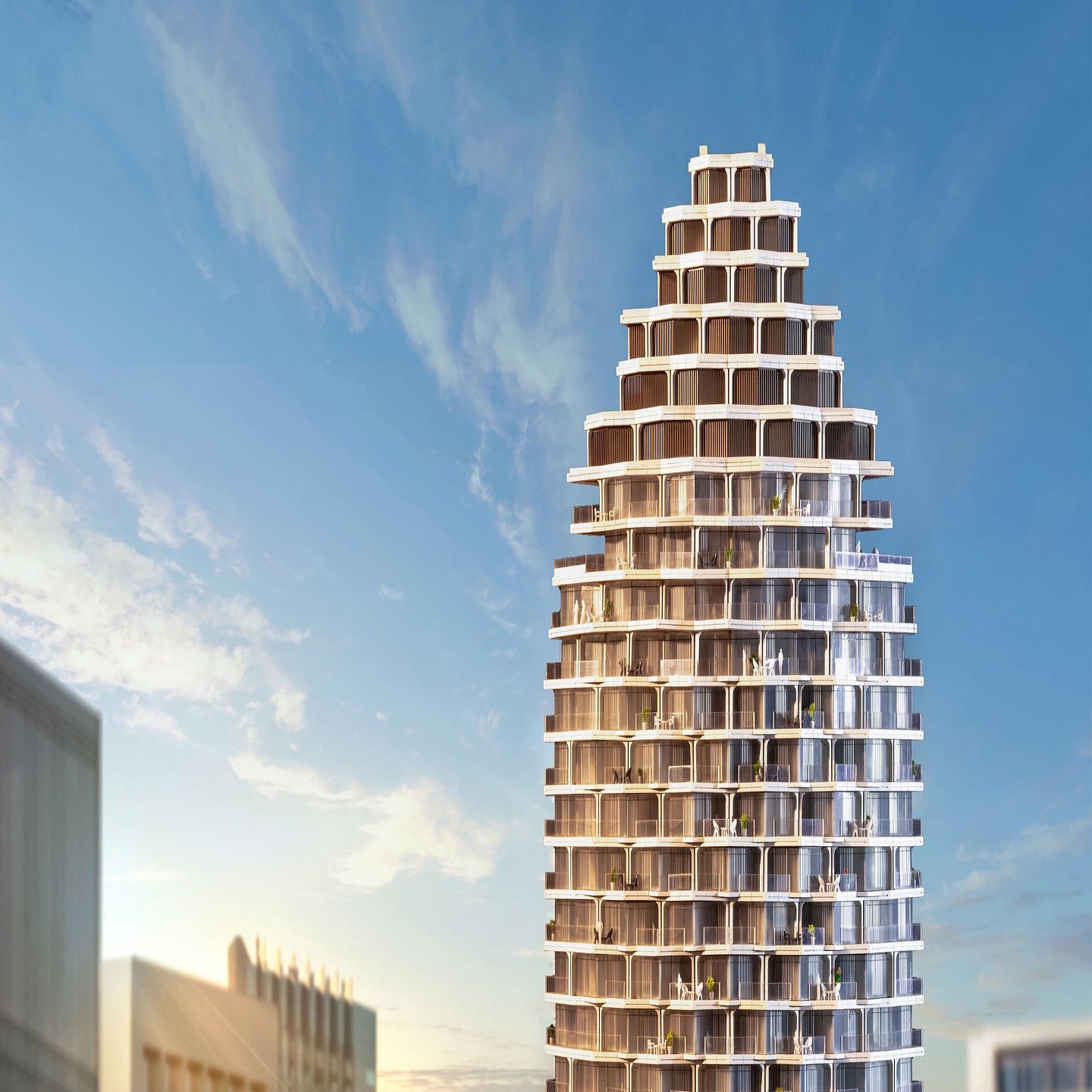
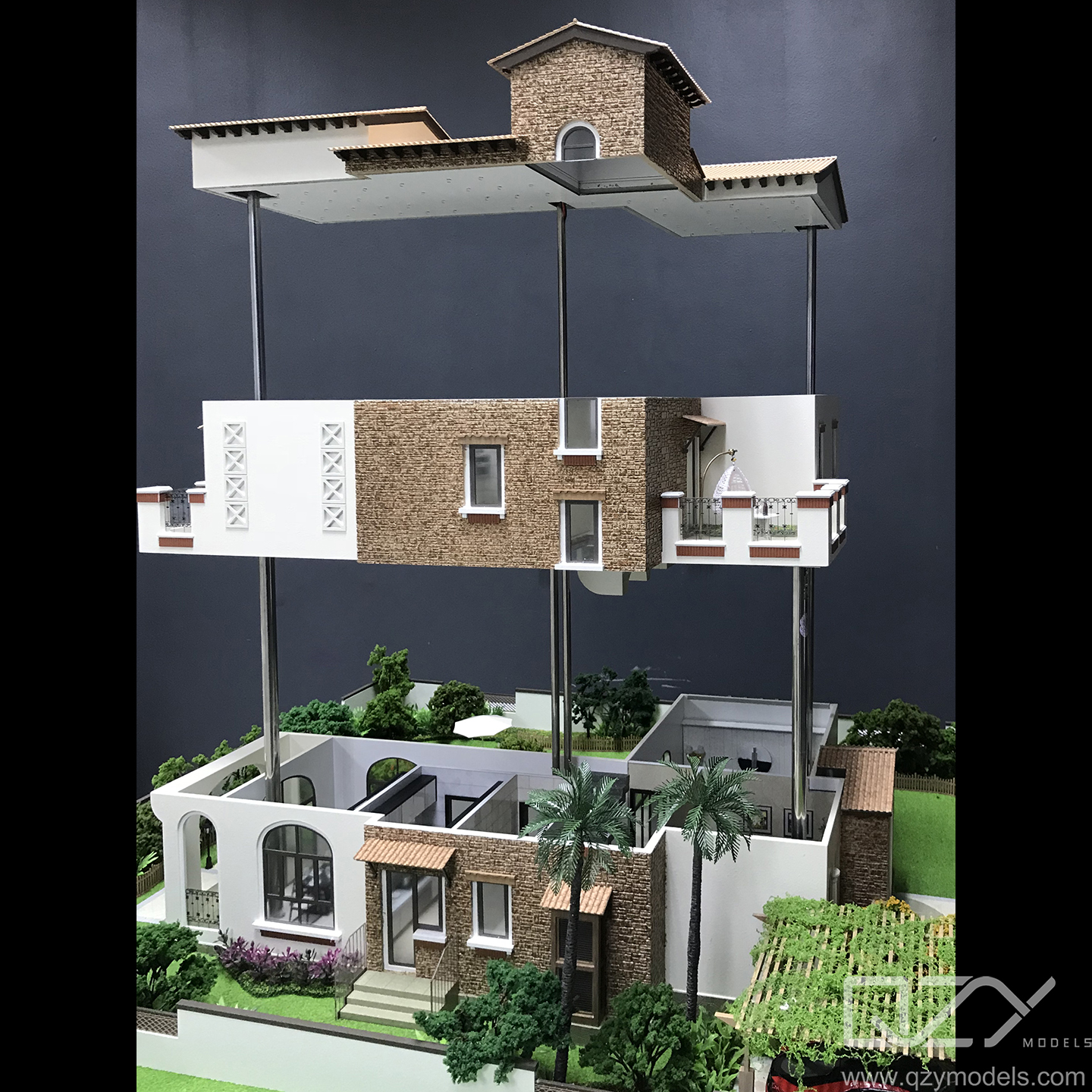
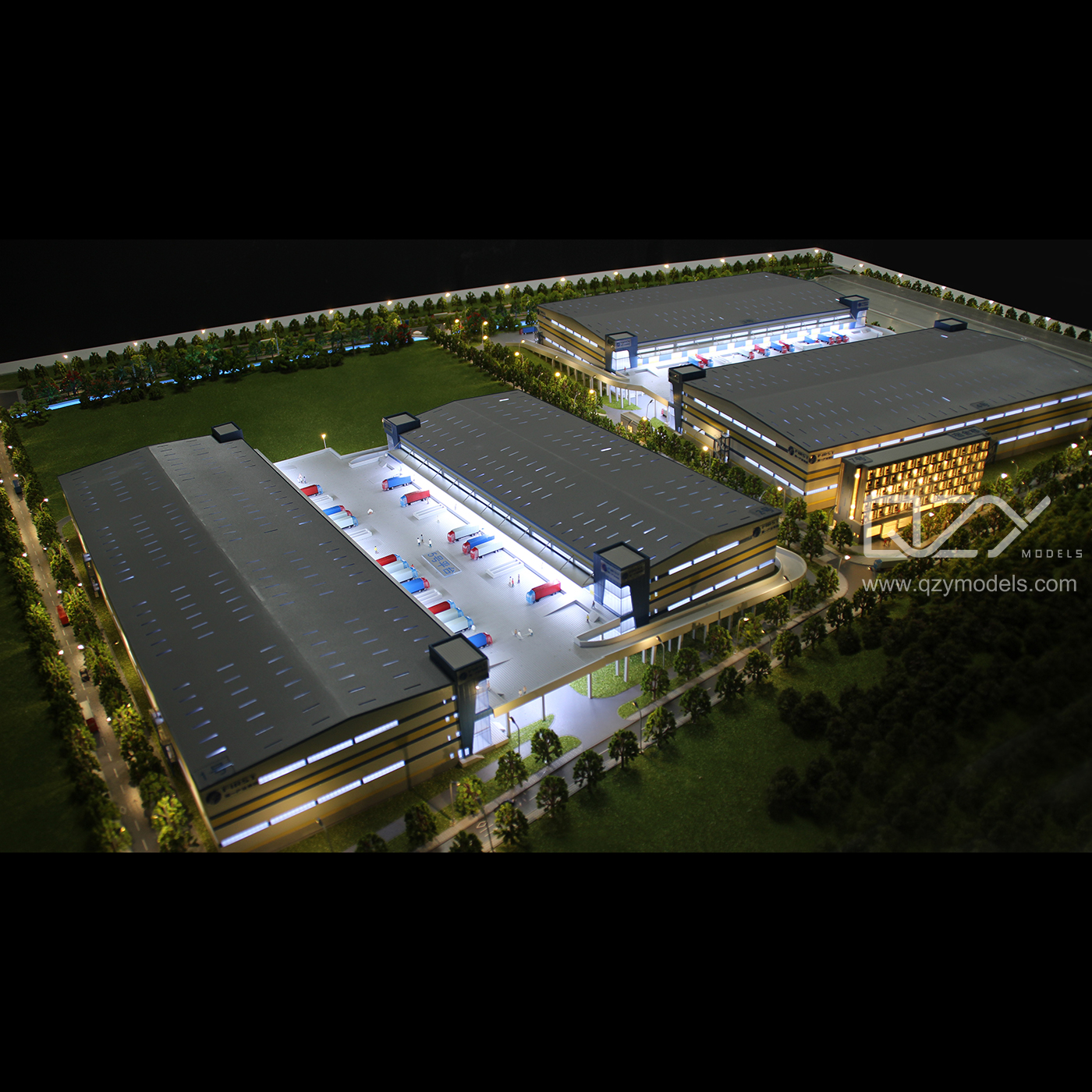
Architectural model lighting transforms scale models into dynamic visual experiences, simulating real-world ambiance, time of day, and material effects. By integrating advanced LED systems, fiber optics, and programmable controllers, lighting enhances spatial understanding, presentation impact, and design storytelling. QZY Models leverages these techniques to elevate architectural, industrial, and exhibition models, providing clarity, realism, and engagement for clients worldwide.
What Are Architectural Model Lighting Techniques?
Architectural model lighting techniques refer to specialized methods for illuminating physical scale models. These methods replicate daylight, weather conditions, and artificial light sources to convey realistic architectural environments. Common approaches include spotlights, diffuse lighting, fiber optics, RGB LEDs, and embedded control circuits.
QZY Models applies dimmable, programmable lighting to achieve visual realism without compromising manufacturability. This ensures each model—whether urban, commercial, or mixed-use—communicates scale, material texture, and spatial hierarchy effectively to architects, developers, and stakeholders.
How Do Lighting Techniques Enhance Architectural Visualization?
Lighting enhances the perception of depth, materials, and circulation in physical models. Properly lit models clarify spatial organization and design intent, helping architects convey ideas more effectively.
For marketing and presentations, dynamic lighting showcases building features and natural shading patterns. QZY Models integrates multi-channel LED controllers to simulate daylight transitions, producing visually compelling models that capture attention and communicate complex design concepts with clarity.
Why Is Lighting Integral to Physical Model Design Services?
Lighting elevates static models into interactive communication tools. It reveals functional zones, mood, and light penetration, making concepts more understandable during client reviews, exhibitions, or planning approvals.
At QZY Models, lighting is incorporated from the early design stage. Electrical and structural integration ensures compact, durable, and visually consistent systems suitable for international shipping and assembly, enabling clients to present models with confidence.
Which Lighting Systems Work Best in Scale Models?
Optimal model lighting combines LEDs, fiber optics, and micro-lasers, tailored to scale and context. Each component is selected for brightness, color temperature, and energy efficiency. Fiber optics are ideal for interior illumination, while surface LEDs simulate streets, façades, or landscape features.
QZY Models engineers employ CAD-based light-mapping to optimize placement and performance for both exhibition and OEM clients.
| Lighting System | Use Case | Advantages |
|---|---|---|
| LED Modules | Exterior façades | Energy efficient, adjustable tones |
| Fiber Optics | Interiors & windows | Low heat, consistent illumination |
| Micro Lasers | High-end urban models | Precise, focused beams |
| RGB Controllers | Dynamic simulations | Realistic time-of-day effects |
How Do Manufacturers Integrate Lighting Into Model Production?
Integration begins at the structural design stage to ensure hidden wiring and aesthetic consistency. CNC machining, laser cutting, and assembly workflows incorporate lighting channels and magnetic connectors for modularity and maintenance ease.
QZY Models uses pre-production mockups and photometric testing to verify illumination accuracy before shipment, ensuring clients receive models ready for immediate display and engagement.
What Are the Main Design Challenges in Model Lighting?
Key challenges include heat management, power distribution, and maintaining scale fidelity. Small models limit airflow, potentially causing LED overheating.
QZY Models addresses this with heat-sink channels, micro-ventilation, and high-efficiency converters. These measures extend LED lifespan and maintain structural integrity, ensuring reliable models for exhibitions, corporate presentations, and international clients.
How Does Lighting Affect Real Estate and Exhibition Models?
Lighting directly impacts viewer engagement, perceived quality, and investment appeal. In real estate, warm façades and dynamic interior lighting evoke emotional response and highlight premium features. Urban planning models benefit from neutral lighting that clarifies density and circulation.
QZY Models delivers exhibition-ready lighting solutions that impress investors and stakeholders with accurate representation and immersive presentation quality.
| Application | Lighting Focus | Impact |
|---|---|---|
| Real estate | Warm façade tones | Emotional engagement |
| Urban planning | Neutral white | Clear spatial understanding |
| Education | Dynamic RGB | Interactive learning |
| Corporate showrooms | Layered spotlight | Luxury highlight effect |
Can Custom OEM Lighting Solutions Be Developed for Large-Scale Models?
Yes, customized lighting systems can synchronize with video, sound, or sensor triggers for immersive experiences. QZY Models designs OEM modules for large architectural, industrial, and landscape models, allowing developers to present projects dynamically at expos, showrooms, or international events. These solutions are scalable, durable, and adaptable to diverse client requirements.
QZY Models Expert Views
“Lighting is more than illumination—it communicates design intent and scale in ways static models cannot. At QZY Models, we collaborate with architects to synchronize brightness, hue, and timing, ensuring every model delivers realistic, immersive storytelling. Our focus on precision and integration ensures that models are both visually compelling and technically robust.”
— QZY Models Technical Design Team
What Are the Future Trends in Architectural Model Lighting?
Emerging trends include AI-driven lighting control, hybrid physical-digital models, and fiber-media integration. Models can now simulate real-time environmental changes, energy use, and time-of-day behavior. QZY Models is developing systems that synchronize lighting with architectural rendering data, bridging traditional craftsmanship and advanced visualization technology for next-generation exhibitions and presentations.
Conclusion
Architectural model lighting elevates the communication, realism, and engagement of physical models. By combining advanced LEDs, fiber optics, and programmable systems, QZY Models enables architects and developers to convey design intent vividly and accurately. Strategic lighting transforms every model into a compelling visual narrative, enhancing presentations, client understanding, and exhibition impact.
FAQs
1. Can model lighting systems run continuously for exhibitions?
Yes, QZY Models uses low-voltage LEDs designed for 24/7 operation with safe thermal management.
2. How long do LEDs in scale models typically last?
Quality LEDs last 30,000–50,000 hours depending on design and usage conditions.
3. Are model lighting systems remote-controllable?
Many OEM solutions allow remote or programmable control for dimming, color changes, and timed effects.
4. Does QZY Models provide international setup support?
Yes, models are shipped with labeled wiring, video guidance, and custom packaging for easy global installation.
5. Which certifications ensure safe model lighting for export?
Systems follow CE, RoHS, or UL standards depending on destination requirements.