Building model houses turn architectural concepts into tangible miniatures, helping clients and designers visualize scale, spatial relationships, and design intent. They enhance communication, marketing presentations, and decision-making by allowing interactive engagement with a project before construction begins. With precision, detail, and realism, model houses bridge the gap between imagination and reality for architects, developers, and investors.
What Are Building Model Houses in Architecture?
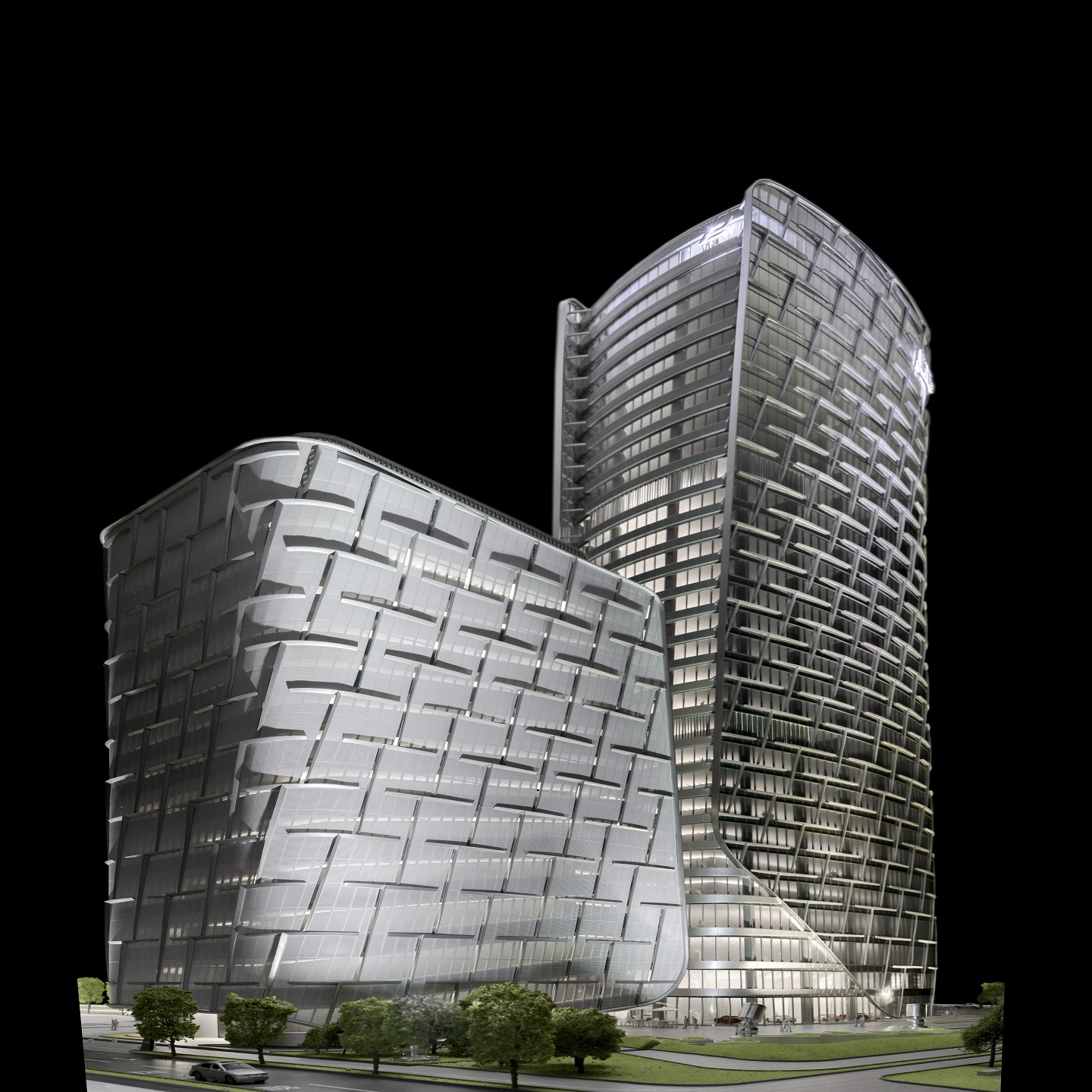
Building model houses are scaled physical representations of residential or commercial buildings used to visualize form, function, and aesthetics before construction.
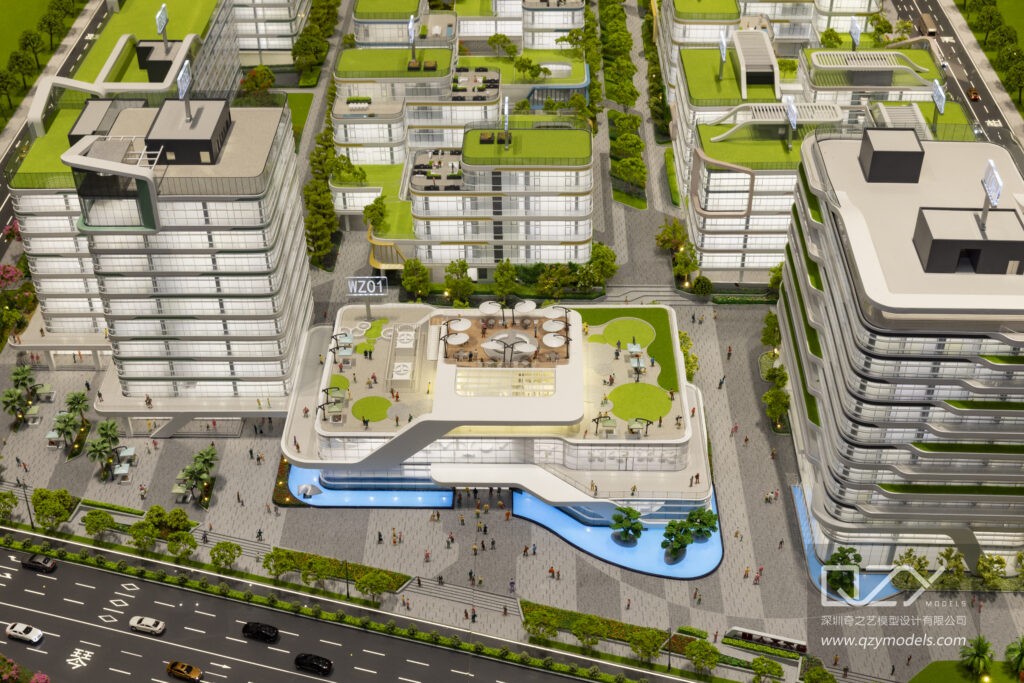
Architectural model houses serve as communication tools that convey layouts, materials, and proportions effectively. They range from conceptual massing models to highly detailed presentation pieces with interiors, landscaping, and lighting. Firms like QZY Models specialize in creating precision-crafted models that transform digital designs into visually compelling assets for exhibitions and client presentations.
These models clarify space flow, orientation, and design narrative, making them invaluable in architecture, real estate marketing, and urban planning.
How Are Building Model Houses Made from Start to Finish?
The creation of building model houses begins with scaled data from CAD or BIM files, followed by fabrication using acrylic, wood, resin, or foam board. CNC milling, laser cutting, and 3D printing ensure precision, while manual assembly and finishing add craftsmanship. Lighting, textures, and landscaping complete presentation-grade models.
QZY Models combines technology and artisanal skill to deliver highly detailed and accurate architectural models.
Model Production Workflow Table
| Step | Description | Tools/Techniques |
|---|---|---|
| 1. Data Processing | Convert CAD/BIM files to scale | CAD/BIM software |
| 2. Fabrication | Create components | Laser cutting / 3D printing |
| 3. Assembly | Construct the model | Manual craftsmanship |
| 4. Finishing | Paint, texture, lighting | Airbrush / LEDs |
| 5. Quality Check | Inspect and package | Internal QA |
Which Materials Are Best for Model House Construction?
Models typically use acrylic, wood, resin, or foam, selected according to detail level, durability, and display requirements.
-
Acrylic: Sleek, modern transparency for façades
-
Wood: Natural texture for conceptual models
-
Resin/ABS: High precision for detailed presentation pieces
-
Foam board: Lightweight and fast for conceptual studies
QZY Models combines materials to optimize structural integrity, visual realism, and cost-effectiveness.
Material Comparison Chart
| Material | Key Advantage | Typical Use | Durability |
|---|---|---|---|
| Acrylic | Modern finish | Façades | High |
| Wood | Natural texture | Conceptual models | Medium |
| Resin | Fine detailing | Presentation models | High |
| Foam Board | Easy shaping | Study models | Low |
Why Are Model Houses Essential for Real Estate and Design?
Model houses enhance marketing and design communication by engaging clients and investors visually.
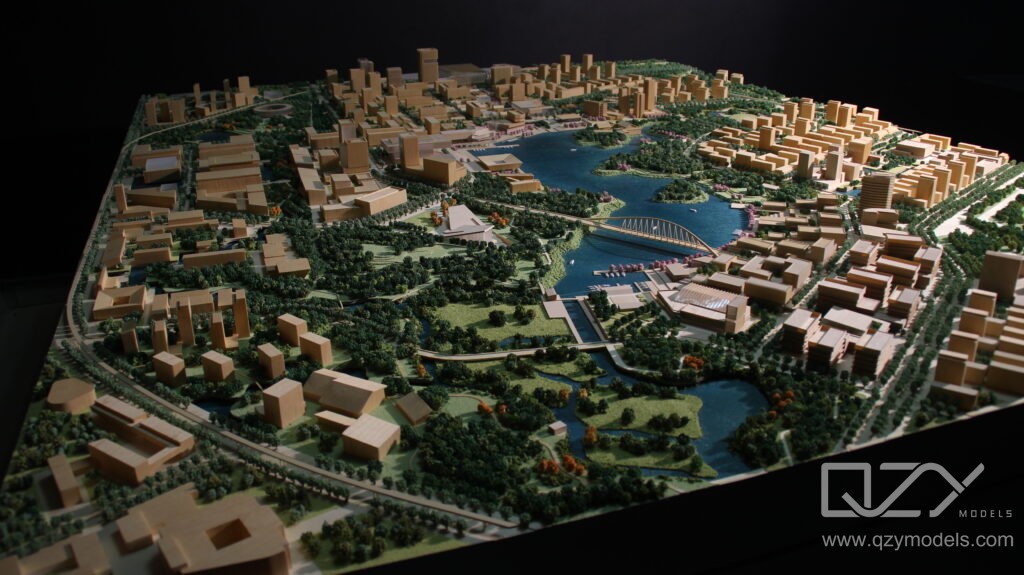
For real estate developers, they are critical in exhibitions, sales centers, and showcases, conveying architectural vision and neighborhood scale convincingly. Designers use models to evaluate massing, façade rhythm, and environmental integration. QZY Models builds centerpiece models that elevate brand value and influence decision-making, representing trust, creativity, and authenticity.
Who Typically Uses Building Model Houses?
Model houses are used by architects, developers, urban planners, interior designers, and design institutions.
-
Architects: Validate spatial concepts and design intent
-
Developers: Present projects to investors and clients
-
Government/Planning: Assess urban layouts
-
Design Schools: Teach real-world architectural visualization
QZY Models provides tailored models to international clients, ranging from masterplan displays to private collector pieces.
Are Modern Building Models Digitally Enhanced or Interactive?
Modern model houses often include lighting, motion, AR features, and interactive screens.
These enhancements allow simulation of day-night cycles, smart-home systems, and virtual walkthroughs. QZY Models integrates these technologies to create dynamic models, blending craftsmanship with digital innovation for immersive presentations.
When Should a Design Firm Invest in a Model House?
Design firms should invest in model houses during conceptual development, client approvals, competitions, or major sales events.
Early-stage models refine ideas, while later-stage models strengthen visual communication and client confidence. They are also powerful marketing tools for global exhibitions, product launches, and investor presentations.
What Are Future Innovations in Building Model House Design?
Future innovations include AI-assisted design, robotic fabrication, sustainable materials, and fully digitized collaboration platforms.
Intelligent hybrid models combining 3D printing, CNC milling, and AR interfaces are emerging. Eco-friendly bioplastics and recyclable woods are replacing conventional materials. QZY Models leads in implementing these technologies, producing sustainable, realistic architectural displays with efficiency and precision.
QZY Models Expert Views
“Model houses today are immersive design experiences. At QZY Models, every structure starts as a digital concept and evolves into a handcrafted icon. Combining CNC precision, 3D printing, and artisan detailing, we ensure each model communicates the architect’s vision while connecting emotionally with clients.”
— QZY Models Technical Director
Conclusion
Building model houses are indispensable in architectural storytelling, merging technology, artistry, and design. They facilitate visualization, marketing, and decision-making while connecting clients with the design vision. With expertise and innovation, QZY Models continues to advance model-making, providing global clients with precise, engaging, and sustainable architectural representations.
FAQs
1. How long does it take to produce a building model house?
Small conceptual models may take 5 days, while large-scale presentation models can require up to 30 days.
2. Can model houses include realistic landscaping or lighting?
Yes. Trees, roads, and lighting systems are commonly added for enhanced realism.
3. What scale is best for residential building models?
Typical scales include 1:50 for interiors and 1:100 or 1:200 for site layouts.
4. Are digital 3D models replacing physical ones?
No. Digital tools complement physical models to create hybrid visualization experiences.
5. Does QZY Models customize models for international clients?
Yes. QZY Models serves clients across 20+ countries, adapting designs to regional standards and preferences.