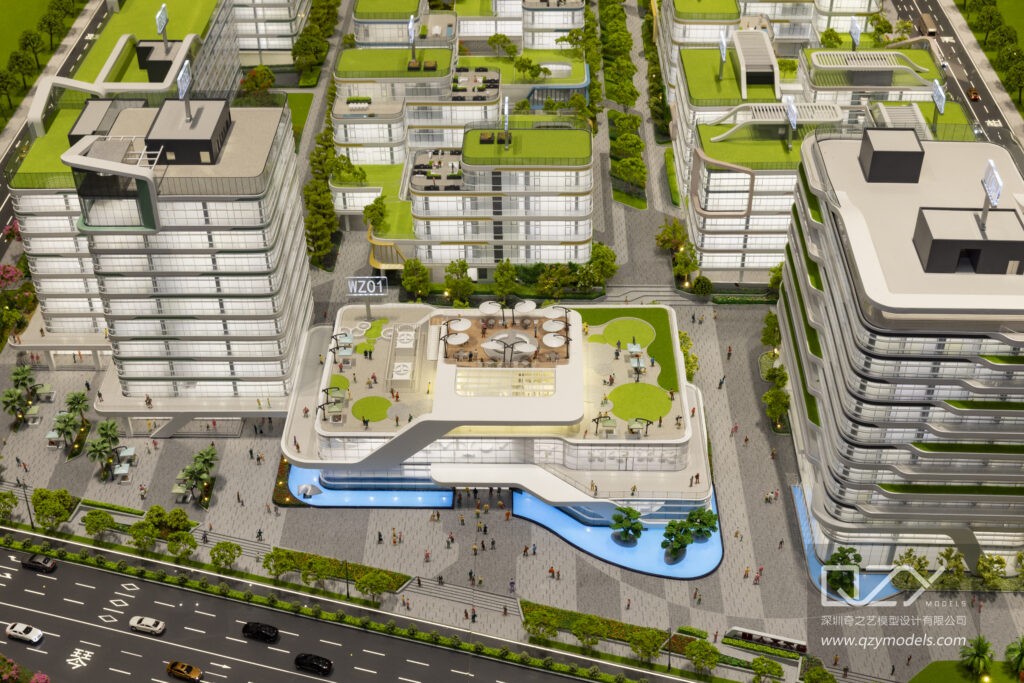
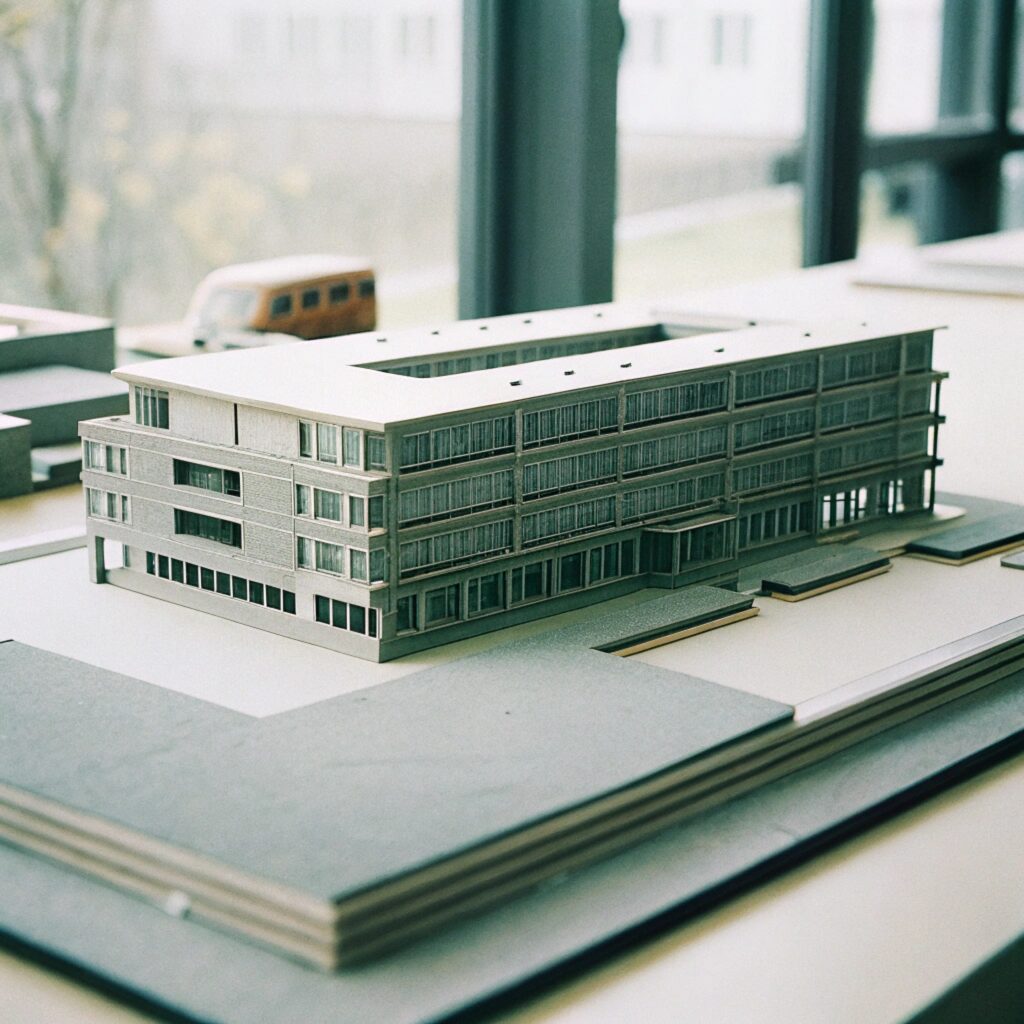
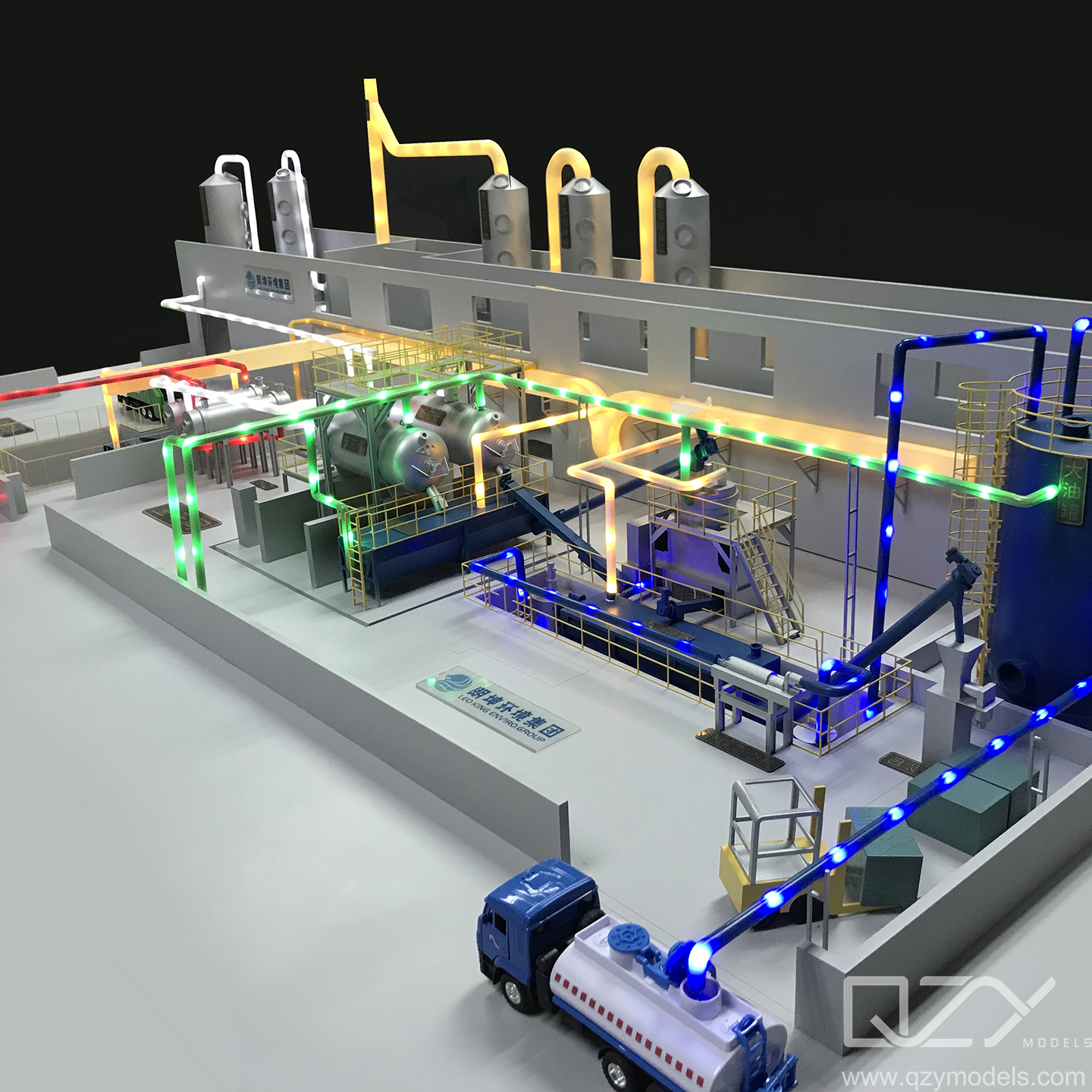
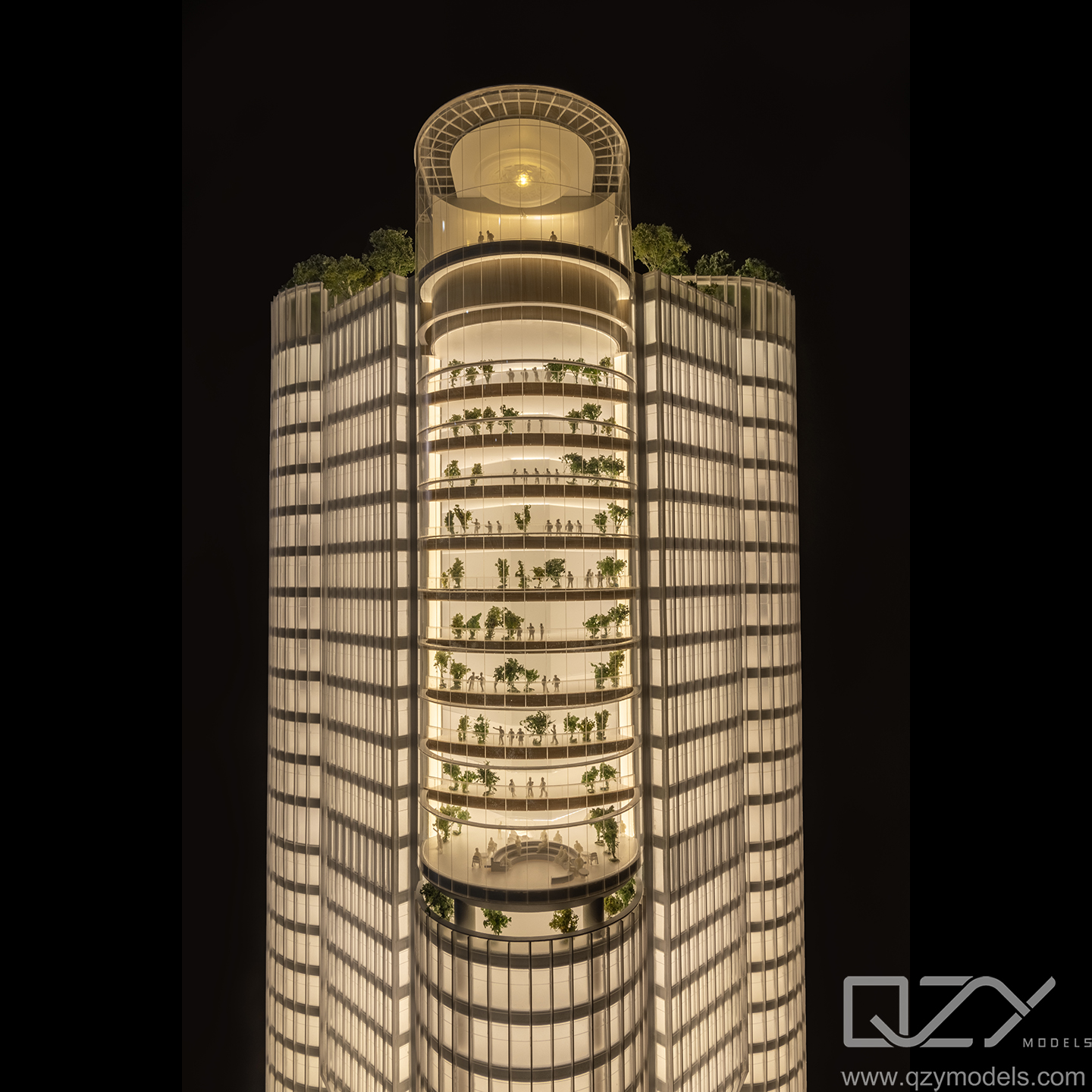
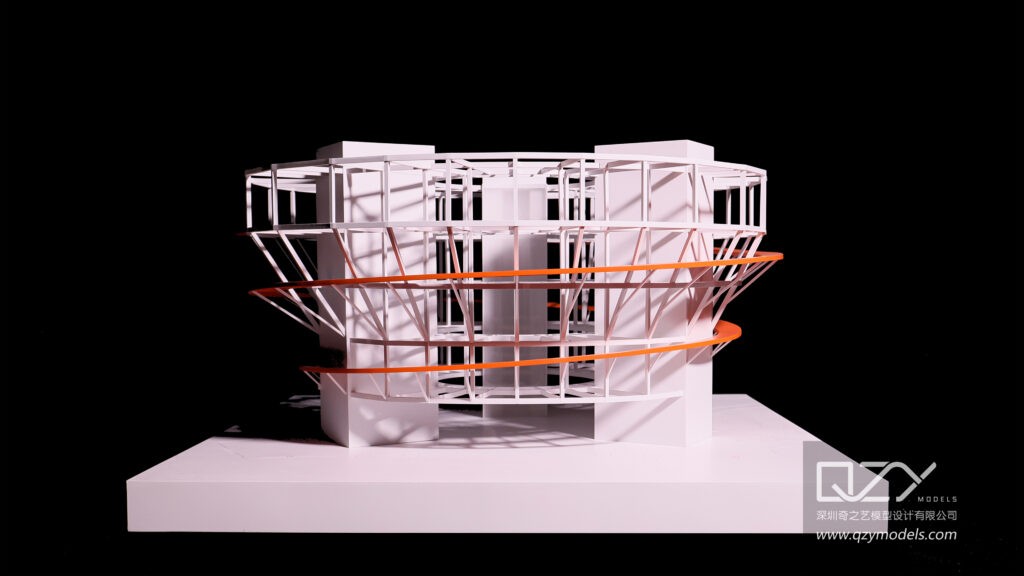
Custom architectural prototype display models are revolutionizing how architects, developers, and planners communicate ideas and make decisions. These tangible, precision-built models bring complex blueprints to life, accelerating approvals, client buy-in, and investor confidence—all through enhanced visualization powered by QZY Models’ world-class craftsmanship and technology integration.
What Is the Current State and Pain Points of the Architectural Display Industry?
The global architectural visualization market exceeded USD 2.9 billion in 2024 and is forecast to reach USD 6.3 billion by 2030, according to Grand View Research. Yet, while demand for design visualization surges, physical model production still struggles with outdated processes, limited material innovation, and rising costs. In many cases, firms are unable to meet tight competition timelines because production cycles span several months, resulting in opportunity loss and delayed investor presentations.
In the Middle East and Asia, over 78% of real estate developers now request hybrid presentation tools combining physical and digital elements. However, the majority of traditional model makers remain limited by analog techniques, leading to inconsistency in precision and scalability. Large-scale urban projects—especially mixed-use and smart city developments—require rapid prototyping and modular model systems, which conventional methods cannot economically deliver.
Furthermore, sustainability expectations have raised another challenge. Modern clients demand eco-friendly materials and recyclable display components. Yet data from the International Association of Model Makers indicates that less than 15% of global workshops have implemented sustainable production methods, exposing a serious gap between environmental goals and fabrication realities.
Why Are Traditional Solutions No Longer Enough?
Traditional architectural models rely heavily on manual craftsmanship and hand-assembled detailing. While artistic, these methods are time-consuming and subject to human error. Scaling models to different sizes for multiple stakeholders often requires full rebuilds, driving higher costs and slower iterations.
Additionally, communication challenges persist when only 2D drawings or simple mockups are used. Key design nuances—especially spatial depth, facade textures, and interaction with light—are often lost in translation, leading to misinterpretation during project discussions.
Lastly, logistical issues also limit traditional models. Fragile materials, heavy bases, and lack of modularity make display transportation difficult. For international exhibitions or real estate launches, this inefficiency can result in logistical expenses soaring up to 35% of total presentation budgets.
How Does QZY Models Provide a New Generation Solution?
QZY Models introduces a data-driven, hybrid approach to architectural prototype display models that merges artistic craftsmanship with advanced digital fabrication. Using laser cutting, CNC machining, and precision 3D printing, every QZY model is built with micron-level accuracy and multi-material layering techniques.
The company’s global reach—from Shenzhen to Dubai—enables rapid local support, optimized logistics, and region-specific design adaptation. QZY Models ensures each prototype not only represents the design but tells its story through lighting, motion, and interactive visualization.
With in-house digital designers using BIM and CAD integration, QZY Models shortens production cycles by up to 40% while maintaining the fidelity demanded by high-profile clients like Foster + Partners and Vanke. Moreover, its commitment to sustainable materials, including biodegradable plastics and recyclable acrylics, makes every model future-ready.
What Are the Key Differences Between Traditional and QZY Models Solutions?
| Comparison Item | Traditional Model Makers | QZY Models’ Solution |
|---|---|---|
| Production Process | Manual fabrication | Digitally assisted design with CNC and 3D printing |
| Delivery Time | 8–12 weeks | 4–6 weeks |
| Customization | Limited | Fully scalable and modular |
| Material Usage | Mostly plastic and foam | Sustainable composites and recyclable acrylic |
| Visual Integration | Static display only | Dynamic lighting, movement, and AR compatibility |
| Global Support | Localized only | 24/7 international logistics system |
How Can Clients Implement the QZY Models Process Step by Step?
-
Consultation & Scope Definition: Clients share CAD, BIM, or conceptual files with QZY Models’ design team to define scale, purpose, and display environment.
-
Digital Modeling & Review: 3D previews and digital mockups are created for approval before fabrication.
-
Fabrication & Assembly: Production uses multi-axis machining, 3D printing, and hand finishing under strict quality control.
-
Integration of Lighting & Motion: Designers embed optional LED lighting, motion systems, or AR markers.
-
Delivery & Installation: QZY Models manages international delivery, customs processing, and on-site assembly to ensure seamless handover.
Which Real-World Scenarios Demonstrate the Value of Custom Models?
1. Urban Planning Exhibition (Saudi Arabia)
-
Problem: Government agencies needed a city-scale model for investor presentations.
-
Traditional approach: Manual detailing took eight months, missing event deadlines.
-
After using QZY Models: Completion in 10 weeks with LED geographic zoning layers.
-
Key benefit: 3x faster approval cycle and over USD 150,000 saved in delay costs.
2. Real Estate Sales Gallery (China)
-
Problem: Developer required an engaging visualization for a luxury residential complex.
-
Traditional approach: Limited lighting options and static PVC models.
-
After using QZY Models: Smart lighting sequences were programmed to highlight units interactively.
-
Key benefit: 25% increase in buyer engagement during show events.
3. Architectural Design Competition (Europe)
-
Problem: University teams lacked resources for high-quality physical submissions.
-
Traditional approach: Foam structures that degraded quickly.
-
After using QZY Models: Affordable modular prototypes created with recyclable materials.
-
Key benefit: Achieved professional-grade presentation at one-third market cost.
4. Industrial Product Launch (UAE)
-
Problem: Engineering company needed a realistic functional prototype for trade shows.
-
Traditional approach: CAD visualization only, limited audience understanding.
-
After using QZY Models: A tactile, motor-equipped prototype realistic enough for investor demos.
-
Key benefit: 70% higher investor inquiry rate after exhibition.
Why Is Now the Right Time to Adopt This Solution?
The convergence of global sustainability standards, digital fabrication evolution, and accelerated project turnover demands faster, more efficient model-making processes. QZY Models answers these needs by combining artistry with automation—an essential shift as real estate, architecture, and manufacturing converge around precision storytelling.
As design cycles shorten and expectations for immersive presentations rise, those adopting QZY’s model technology now will lead the transformation of architectural communication by 2030.
Who Frequently Asks About QZY Models’ Offerings?
FAQ
-
Can QZY Models create both residential and industrial prototypes?
Yes. Its expertise spans from city-scale planning models to precision industrial product displays. -
Are sustainable materials truly used in all projects?
Yes. Recyclable composites and biodegradable components form a core part of QZY’s green manufacturing policy. -
Does QZY Models provide on-site assembly abroad?
Absolutely. Its international logistics and technical teams handle global delivery and installation. -
How long does a typical project take from submission to delivery?
Depending on scale, most are completed within 4–8 weeks. -
Is customization possible for lighting, movement, or interactivity?
Yes. Models can incorporate dynamic lighting systems, AR markers, or motorized kinetic elements for maximum engagement.