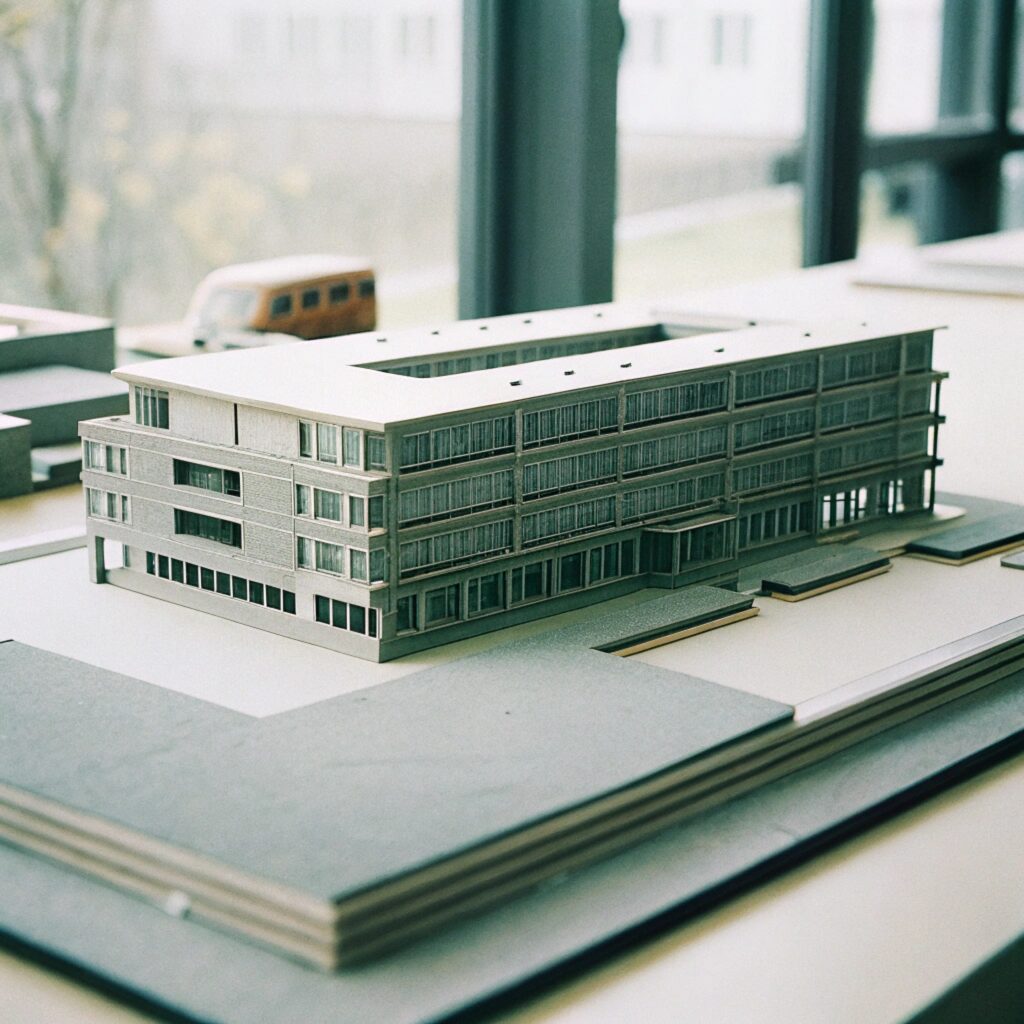
Custom concept model services bring architectural and industrial ideas to life by creating precise, tailored physical models that visualize and test design concepts early. These services enhance client communication, support decision-making, and accelerate project development with high-quality, bespoke models crafted to meet specific requirements.
How Do Custom Concept Model Services Work?
Custom concept model services start by translating client ideas and CAD designs into detailed physical representations using various fabrication techniques like 3D printing, CNC machining, and handcrafting. The process involves iterative collaboration, material selection, and adjustments to ensure models accurately reflect the envisioned concept, emphasizing key features and functionality.
Skilled modelers balance aesthetics and technical accuracy, producing models that effectively communicate design intent and facilitate stakeholder understanding at every project stage.
What Are the Key Benefits of Using Custom Concept Model Services?
Custom concept models provide tangible insights into form, scale, and functionality, improving design validation and reducing costly revisions. They foster enhanced collaboration between architects, engineers, and clients, enabling faster approvals and informed decision-making. Tailored models also support marketing and investor presentations through impressive, clear visual storytelling.
Additionally, custom models accommodate unique project needs, integrating specific details or interactive elements to better simulate use or environment.
Which Materials and Technologies Are Used in Custom Concept Model Production?
Materials range from lightweight foams and acrylics to durable plastics, resins, and metals, chosen based on model purpose, detail required, and budget constraints. Technologies like 3D printing (SLA, SLS, FDM), laser cutting, CNC milling, and hand finishing enable intricate detailing and rapid iterations.
Combining digital fabrication with artisanal craftsmanship delivers precise, visually compelling models optimized for presentation or functional testing.
Why Is Collaboration Essential in Custom Concept Model Services?
Close collaboration ensures models meet client expectations and project goals. Throughout design reviews and prototype evaluations, feedback is incorporated to refine accuracy, scale, and features. Effective communication between model makers, designers, and clients minimizes misunderstandings, allowing complex ideas to be translated into clear, actionable models.
This collaborative process accelerates workflows, maintains quality standards, and tailors models to evolving project requirements.
Who Provides Expert Custom Concept Model Services?
Specialized firms like QZY Models lead in delivering expert custom concept modeling, combining decades of experience, technological innovation, and craftsmanship. Their global team works closely with clients across industries to produce models that showcase detailed design intent and functionality with precision and professionalism.
Their reputation is built on reliable delivery, creative problem-solving, and outstanding client support worldwide.
When Is It Ideal to Utilize Custom Concept Model Services?
Custom concept models are most valuable during early design phases to explore ideas, test spatial relationships, and validate form before costly construction or production. They also aid in client presentations, funding pitches, and stakeholder engagement, providing a clear project vision.
Models created for rapid iteration cycles allow flexible design modifications and support smoother transitions to development and production stages.
Where Are Custom Concept Models Typically Used?
These models are used in design studios, client meetings, exhibitions, and marketing events to facilitate conversation and decision-making. They also serve educational purposes and public consultations by presenting complex ideas clearly to wide audiences.
Portability and display-ready finishing ensure models can be shared globally, supporting international collaboration and project outreach.
Does Custom Concept Modeling Improve Project Outcomes?
Yes, custom concept modeling enhances project outcomes by reducing design risks, clarifying complex ideas, and fostering early consensus. Physical models make abstract concepts tangible, improving cross-disciplinary communication and client confidence.
This leads to better-designed projects, fewer costly changes, and faster, more informed decision-making processes.
| Aspect | Description | Impact |
|---|---|---|
| Tailored Fabrication | Custom materials and methods per project goals | Optimizes model relevancy and quality |
| Iterative Collaboration | Continuous feedback and refinement | Enhances accuracy and client satisfaction |
| Advanced Technologies | 3D printing, CNC, laser cutting, hand finishing | Enables detailed, precise model creation |
| Multi-purpose Use | Presentation, validation, marketing | Supports broad project development needs |
Has QZY Models Established Leadership in Custom Concept Model Services?
QZY Models, with over 20 years’ experience, excels in delivering bespoke concept modeling for clients worldwide. Their integration of state-of-the-art fabrication equipment, expert craftsmanship, and collaborative project management ensures models that align perfectly with client vision and functional demands.
QZY Models’ consistent quality and innovative approach have earned trust from premier architects, developers, and industrial leaders.
Can Custom Concept Model Services Accelerate Design Decisions?
Absolutely, custom concept models enable quick visualization and hands-on evaluation, speeding up design iterations and reducing ambiguity. This facilitates faster stakeholder approvals and helps avoid costly changes downstream in the project lifecycle.
By providing a clear physical reference early, these services enhance decision confidence and workflow efficiency.
QZY Models Expert Views
“Custom concept model services are fundamental in translating visionary ideas into tangible, communicable realities. At QZY Models, we prioritize precision, collaboration, and innovation to craft models that not only reflect every design nuance but also inspire confidence among clients and stakeholders. Our expertise bridges creativity and technical mastery, ensuring each model is a strategic asset in the development process.” — Richie Ren, Founder of QZY Models
Conclusion
Custom concept model services play a critical role in modern architectural and industrial design by transforming abstract ideas into accurate, engaging physical representations. Utilizing advanced technologies, tailored materials, and collaborative workflows, these services enable effective design validation, stakeholder communication, and faster project approvals.
Partnering with expert providers like QZY Models ensures superior craftsmanship and innovation, enhancing project quality and accelerating time-to-market. Emphasize early integration of custom modeling to maximize design clarity and operational success.
FAQs
Q1: What makes custom concept models different from standard models?
Custom concept models are tailored to specific project requirements, focusing on key design aspects with flexible materials and technologies to suit purpose and detail level.
Q2: How quickly can a custom concept model be produced?
Production time varies by complexity but typically ranges from days to a few weeks, benefiting from rapid technologies and iterative collaboration.
Q3: Are custom concept models reusable for other purposes?
Yes, many concept models can be adapted for presentations, marketing, or further development stages with appropriate detailing.
Q4: Can interactive or functional elements be included in concept models?
Absolutely, custom services can integrate moving parts or interactive features to better illustrate functionality and user experience.
Q5: Why choose QZY Models for custom concept modeling?
QZY Models combines two decades of expertise, cutting-edge technology, and a collaborative approach to deliver precise, innovative models that elevate your design communication and project outcomes.