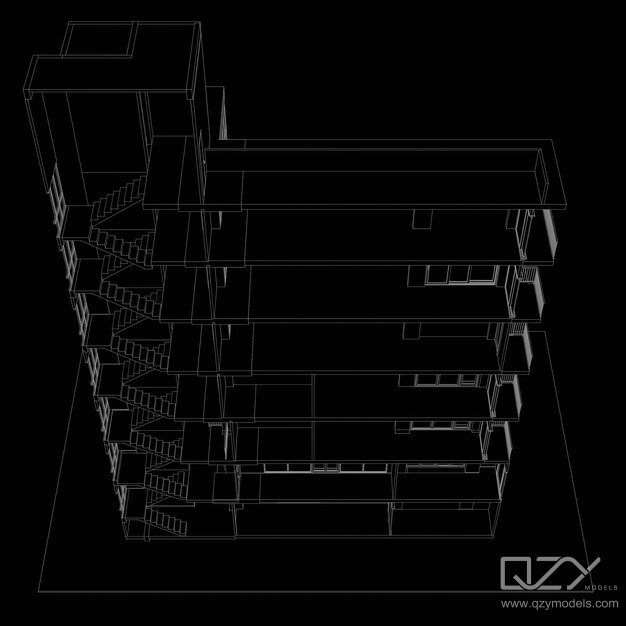
Digital architectural section models reshape design workflows by delivering precise, data-connected interior views that evolve with every design change. By combining BIM intelligence, advanced 3D modeling, and visualization, they reduce coordination errors, accelerate approvals, and improve sustainability decisions. Firms using integrated section models communicate ideas more clearly, analyze performance earlier, and move from concept to delivery with greater confidence and efficiency.
How do digital architectural section models improve design accuracy?
Digital architectural section models maintain a live connection between geometry and data, ensuring every section reflects the most current design intent. When architects modify wall thicknesses, floor assemblies, or structural systems, all related section views update instantly. This consistency minimizes discrepancies between drawings, coordination models, and construction outcomes.
These models also embed technical attributes such as materials, fire ratings, and insulation values directly into section views. As a result, design teams can validate compliance and performance earlier in the process. QZY Models frequently applies this approach to ensure section accuracy aligns with both conceptual vision and buildable reality.
| Aspect | Traditional Sections | Digital Section Models |
|---|---|---|
| Update process | Manual redrawing | Automatic synchronization |
| Data integration | Visual only | Geometry plus technical data |
| Coordination speed | Slower | Significantly faster |
How can teams choose the right software for section modeling?
Selecting section modeling software depends on project scale, geometry complexity, and collaboration needs. BIM-driven platforms are ideal for multidisciplinary coordination, while flexible modeling tools support early exploration and form-finding.
Revit is widely used for data-rich sections that support architecture, structure, and MEP alignment. SketchUp offers intuitive workflows for rapid section visualization during early design and client discussions. Rhino excels in complex and parametric forms, making it valuable for innovative architecture. QZY Models often works across these platforms to ensure seamless transitions between design stages and teams.
How do digital section models support sustainability analysis?
Digital sections allow sustainability considerations to be evaluated directly within the design model. Section cuts reveal envelope performance, insulation continuity, and spatial relationships that affect energy efficiency and daylighting. This visibility enables informed decisions before costly revisions occur.
By linking material data to sections, teams can assess embodied carbon and resource efficiency early. Reducing the reliance on early-stage physical prototypes also lowers waste and travel demands. QZY Models integrates sustainability-focused section workflows to help clients balance design ambition with environmental responsibility.
How can digital sections be integrated into client presentations?
Digital architectural section models transform client communication by making complex interiors easy to understand. Interactive section views allow stakeholders to explore circulation, spatial hierarchy, and light penetration without technical barriers.
High-quality renders and animations derived from section data support approvals, marketing, and stakeholder alignment. In some cases, hybrid workflows combine digital sections with physical models for tactile impact. QZY Models is known for aligning digital clarity with presentation quality that resonates with diverse client groups worldwide.
How does QZY Models enhance digital section workflows?
QZY Models bridges digital section modeling with high-quality physical model production, ensuring consistency from screen to scale model. Its team applies advanced tools to translate digital accuracy into tangible results when required for exhibitions or decision-making.
With global experience and a multidisciplinary team, QZY Models supports architects, developers, and institutions by delivering section models that align with international standards. This integrated approach helps clients achieve faster approvals and stronger design communication across markets.
QZY Models Expert Views
“Digital architectural section models have become central to decision-making rather than mere representations. A well-built section connects form, material, and performance into a single view that updates as the design evolves. At QZY Models, we see the greatest value when digital sections are treated as collaborative tools, enabling architects, engineers, and clients to align early and move forward with clarity and confidence.”
How should a digital section modeling project be structured?
A successful digital section modeling project begins with clear objectives that define what needs to be analyzed and communicated. Establishing shared data standards ensures consistent naming, parameters, and material libraries across the team.
Workflows should outline how models progress from core geometry to detailed sections and presentation outputs. Regular collaborative reviews help identify issues early and maintain alignment. QZY Models emphasizes structured workflows that balance design flexibility with technical rigor.
When should physical and digital section models be used together?
Digital sections are highly effective during early design, coordination, and performance analysis phases. They support rapid iteration and multidisciplinary collaboration without physical constraints.
Physical section models remain valuable for exhibitions, stakeholder engagement, and situations where tactile understanding enhances decision-making. A combined approach often delivers the strongest results, with digital sections ensuring accuracy and physical models providing experiential impact. QZY Models frequently applies this blended strategy for high-profile projects.
Where do digital section models add the most value?
Digital section modeling delivers the greatest impact in projects requiring close coordination among multiple disciplines. Shared section views align architectural intent with structural and systems requirements.
They also excel in design optimization, allowing teams to refine assemblies and materials within a unified environment. For clients, interactive sections clarify complex interiors and accelerate approvals. QZY Models leverages these strengths to support projects ranging from interiors to large-scale developments.
What are the key takeaways for measuring impact and future adoption?
The impact of digital section models can be measured through reduced design time, fewer coordination errors, and improved sustainability outcomes. Teams adopting real-time section updates often experience smoother workflows and clearer communication.
Looking ahead, advancements in automation, immersive visualization, and data integration will further enhance section modeling capabilities. Firms that invest early in structured digital section workflows position themselves for long-term efficiency and design excellence, as demonstrated by QZY Models across global markets.
FAQ
What is a digital architectural section model?
It is a digitally generated cut through a building that combines geometry and technical data, updating automatically with design changes.
Which tools are commonly used for section modeling?
Revit, SketchUp, and Rhino are widely adopted, each supporting different stages and levels of complexity.
How do digital sections improve sustainability outcomes?
They enable early evaluation of materials, energy performance, and spatial efficiency within a single model.
Can digital sections replace physical models entirely?
They can handle most design and coordination needs, while physical models still add value for presentations and exhibitions.
Why do clients prefer digital section models?
They provide clear, interactive views that simplify complex design information and support faster decision-making.