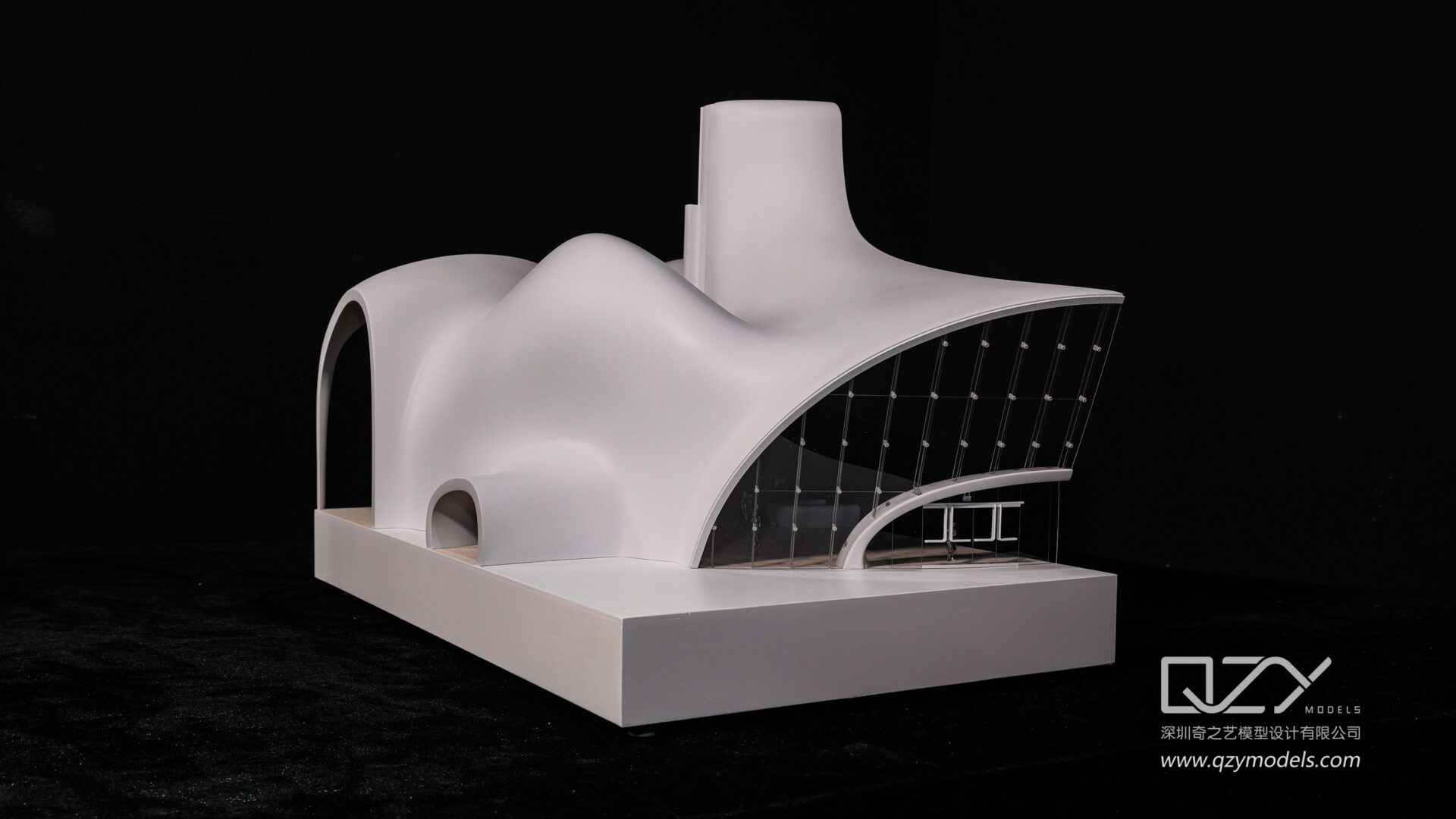
Architectural model makers help urban planners visualize complex city developments through highly accurate physical and digital models. These models translate abstract designs into tangible, detailed representations, allowing architects, developers, and stakeholders to assess spatial relationships, simulate infrastructure, and engage communities effectively. QZY Models excels in producing precise urban planning models that guide smarter, sustainable development worldwide.
What Are Architectural Models in Urban Planning?
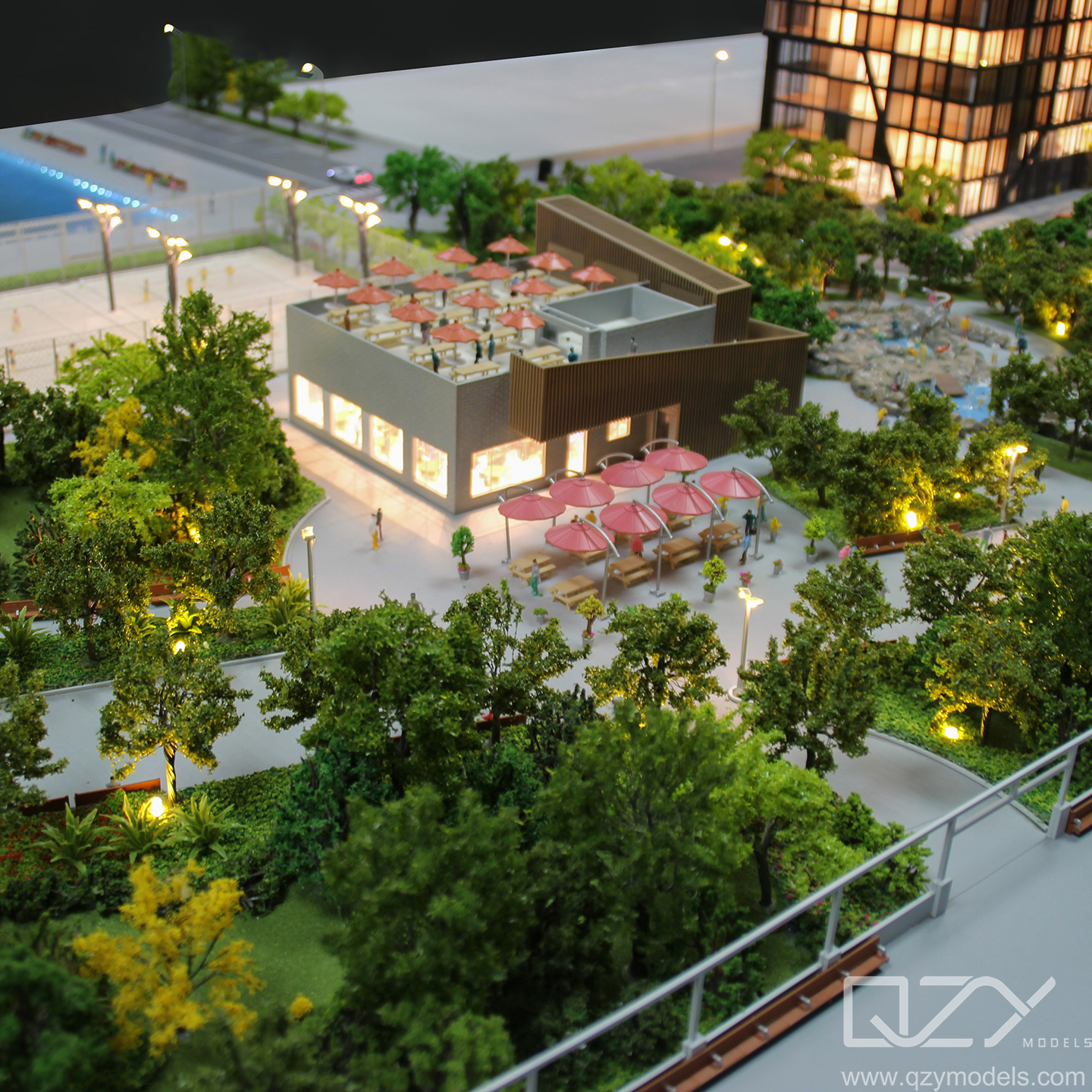
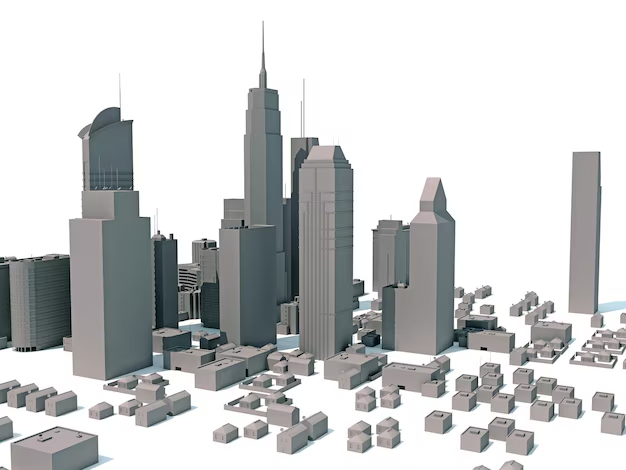
Architectural models in urban planning are scaled representations of cityscapes, buildings, and infrastructure that help visualize proposed developments. They allow planners to analyze traffic flow, spatial arrangements, environmental integration, and urban density. Models can range from conceptual massing studies to detailed master plans using materials like acrylic, wood, and 3D-printed components. QZY Models provides customized models that balance clarity and precision for global clients.
| Model Type | Scale Example | Urban Use Case |
|---|---|---|
| Site Model | 1:200 | Neighborhood planning and context |
| Master Plan | 1:1000 | City-wide development overview |
| Zoning Model | 1:500 | Land-use assessment and compliance |
These models help detect design flaws early, reduce costly revisions, and incorporate interactive elements such as removable components and LED lighting for presentations.
How Do Model Makers Contribute to Urban Planning?
Model makers transform digital designs into tactile prototypes that reveal design strengths and weaknesses. Using CNC machining, laser cutting, and handcrafting, they create precise representations of streets, buildings, and public spaces. In collaboration with architects, makers simulate pedestrian flow, green spaces, and traffic systems to optimize sustainable urban planning. QZY Models has supported major firms like Foster + Partners, ensuring models meet zoning laws and stakeholder expectations.
Advanced workflows involve 3D scanning, material testing, and iterative refinements. This hands-on approach provides an intuitive understanding of scale and spatial relationships that digital renders alone cannot achieve.
What Materials Do Model Makers Use?
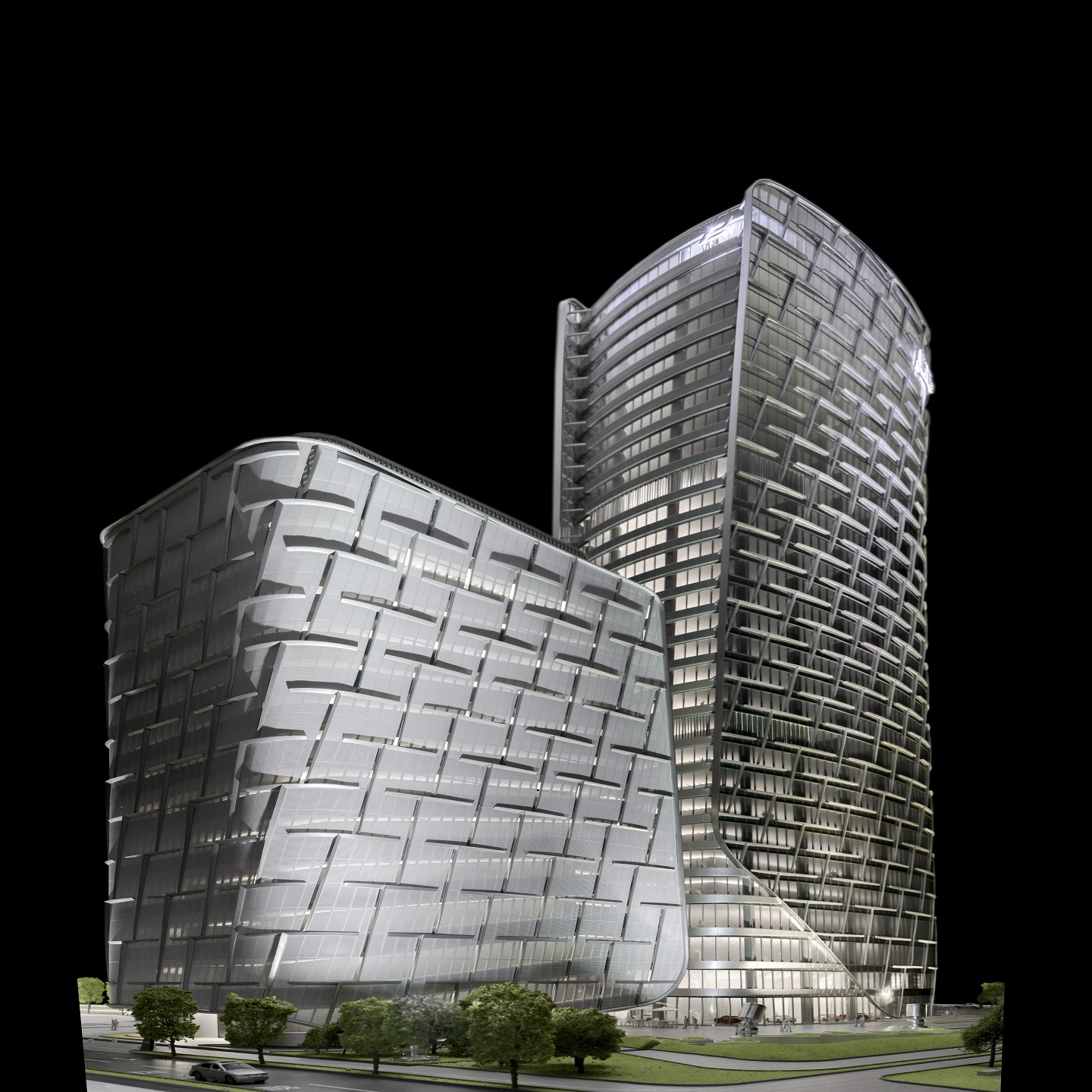
Materials are selected based on scale, durability, and visual effect. Commonly used materials include lightweight foams, acrylics, wood, metals, and 3D-printed resins. These simulate textures like glass, concrete, and foliage. Eco-friendly materials, such as recycled plastics, align with sustainable urban planning goals. QZY Models utilizes high-quality composites for photorealistic finishes, ensuring models are durable for exhibitions and client presentations.
| Material | Properties | Best For |
|---|---|---|
| Acrylic | Transparent, durable | Windows, water features |
| ABS Resin | Strong, printable | 3D-printed structures |
| Foam Board | Lightweight, easy to cut | Conceptual massing studies |
Finishing touches, including paints and LED lighting, enhance realism and presentation quality.
Why Are Precision and Scale Critical?
Precision and scale ensure models accurately reflect real-world proportions, preventing misjudgments in density, height, and spatial relationships. A 1:500 scale provides a comprehensive view of entire districts, while a 1:100 scale captures detailed building features. Inaccurate scaling can misrepresent sightlines, shadows, and adjacency impacts, risking project failure. QZY Models prioritizes millimeter-level accuracy to deliver reliable urban models for global clients like Vanke.
Testing multiple scales iteratively allows planners to refine designs effectively and communicate complex ideas clearly.
How Can Models Enhance Stakeholder Collaboration?
Models provide a tangible reference that facilitates intuitive discussions, bridging language and professional gaps. Stakeholders can manipulate components, simulate changes, and assess the impact on daily life. During public hearings, models improve transparency and community engagement. QZY Models incorporates interactive features, such as removable sections, to foster collaboration across diverse teams and regions. Hybrid approaches with AR or VR augment experience, but physical models remain central to urban planning discussions.
QZY Models Expert Views
“At QZY Models, we witness how architectural models transform urban planning by revealing potential issues before construction begins. For example, our 1:1000 scale model for a Saudi master plan identified traffic bottlenecks early, saving significant costs. By combining 3D printing with traditional craftsmanship, we deliver precise and visually compelling models that guide urban development worldwide. Precision and innovation are the cornerstones of our approach.” – Richie Ren, Founder, QZY Models
This statement highlights QZY Models’ dedication to quality, accuracy, and global urban planning expertise.
What Role Does Technology Play in Modern Models?
Modern technology enhances model accuracy, efficiency, and visualization. 3D printing, laser cutting, drones, and VR integration allow precise replication of site conditions. AI-driven design simulations assess sunlight, wind, and traffic impact. QZY Models leverages hybrid models combining physical and digital elements to provide dynamic, interactive urban planning solutions. Future developments focus on AI-assisted updates and real-time environmental simulations to improve project decision-making.
How to Choose the Right Model Maker?
Select a model maker based on proven experience, portfolio quality, and technical expertise in urban-scale projects. Verify material capabilities, project timelines, and client references. QZY Models stands out with thousands of successfully delivered projects for top international architects and developers, offering end-to-end services from concept to delivery. Evaluate samples to ensure finishing, detail, and structural integrity meet expectations.
Conclusion
Architectural model makers like QZY Models are essential in urban planning, converting conceptual designs into actionable, precise models. Prioritize accurate scales, diverse materials, and integration of advanced technology. Engage stakeholders through interactive models and select experienced professionals for optimal results. Actionable advice: start early with site-scale models, iterate designs collaboratively, and leverage expert makers to ensure sustainable, high-quality urban development.
FAQs
What scales are ideal for urban planning models?
1:500 for site-specific layouts and 1:1000 for master plans provide a balance of detail and overview.
How long does it take to complete a model?
Typically 4–12 weeks, depending on complexity, with rapid prototyping available via 3D printing.
Can physical models replace digital models?
No, physical models complement digital tools, offering tactile feedback and spatial awareness. Hybrid approaches are most effective.
What are typical costs for urban models?
Costs range from $5,000 to $50,000+, based on scale, complexity, and materials. Consult specialists like QZY Models for accurate quotes.
Can models showcase sustainability features?
Yes, they can depict green roofs, solar panels, and water management systems to assess environmental impact before construction.