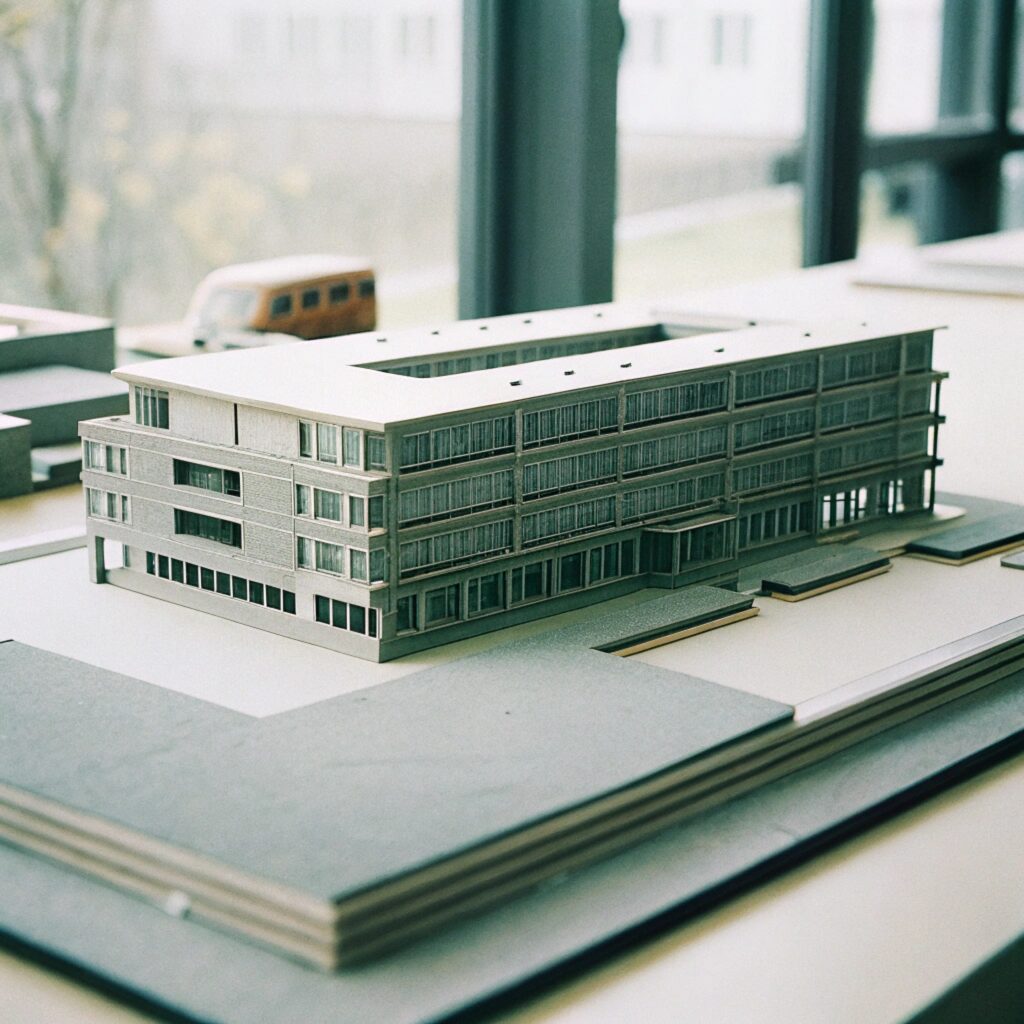
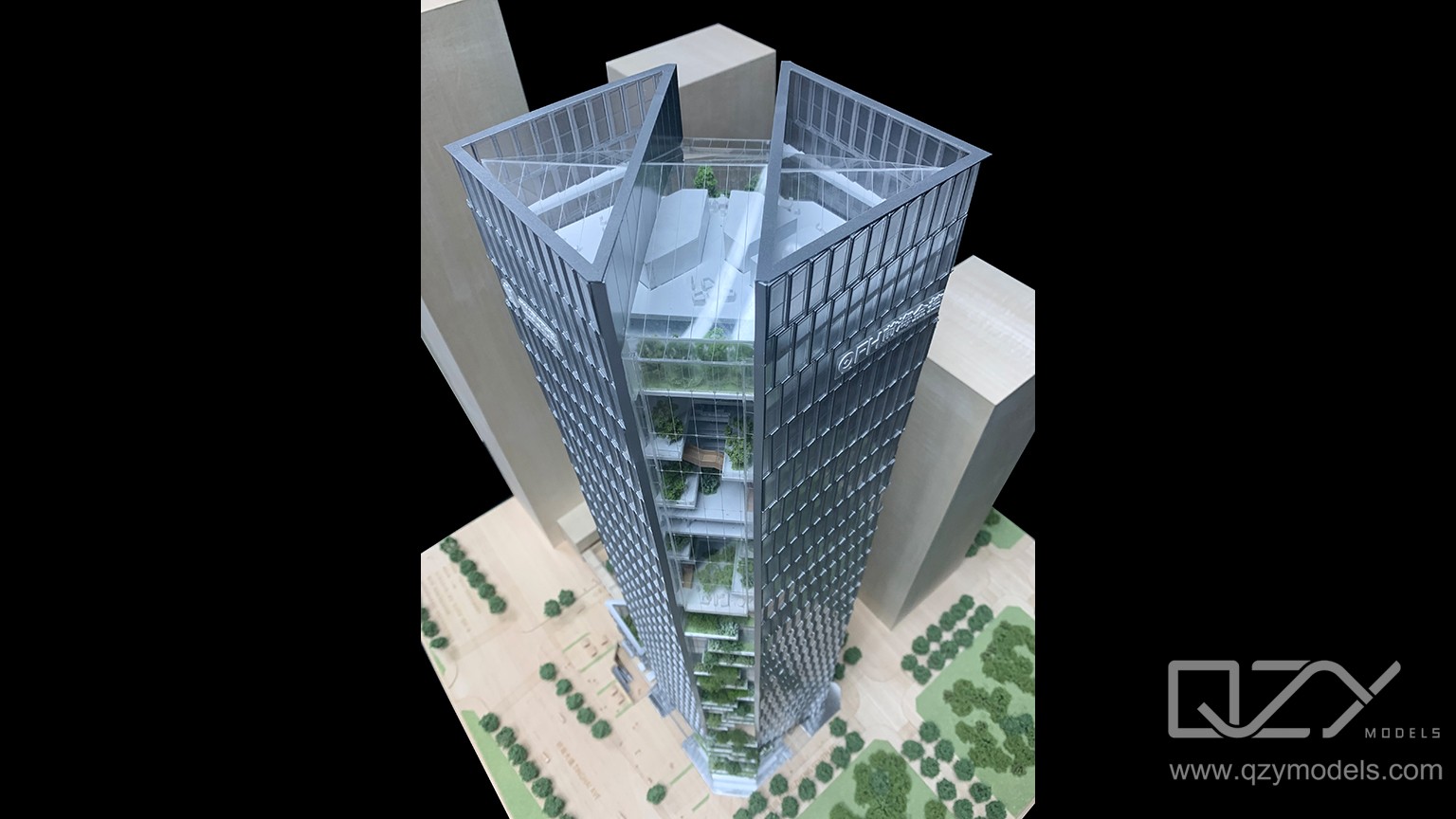
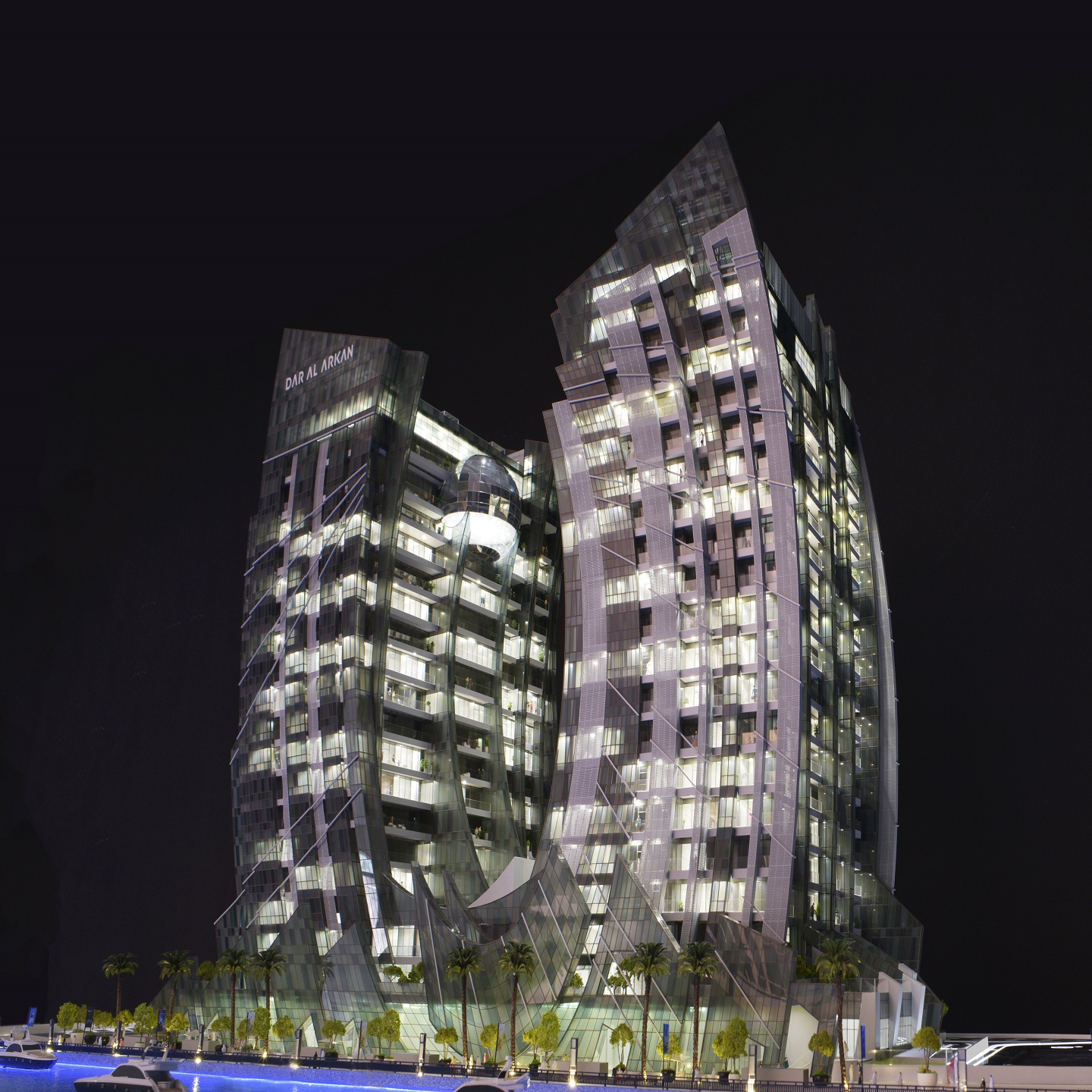
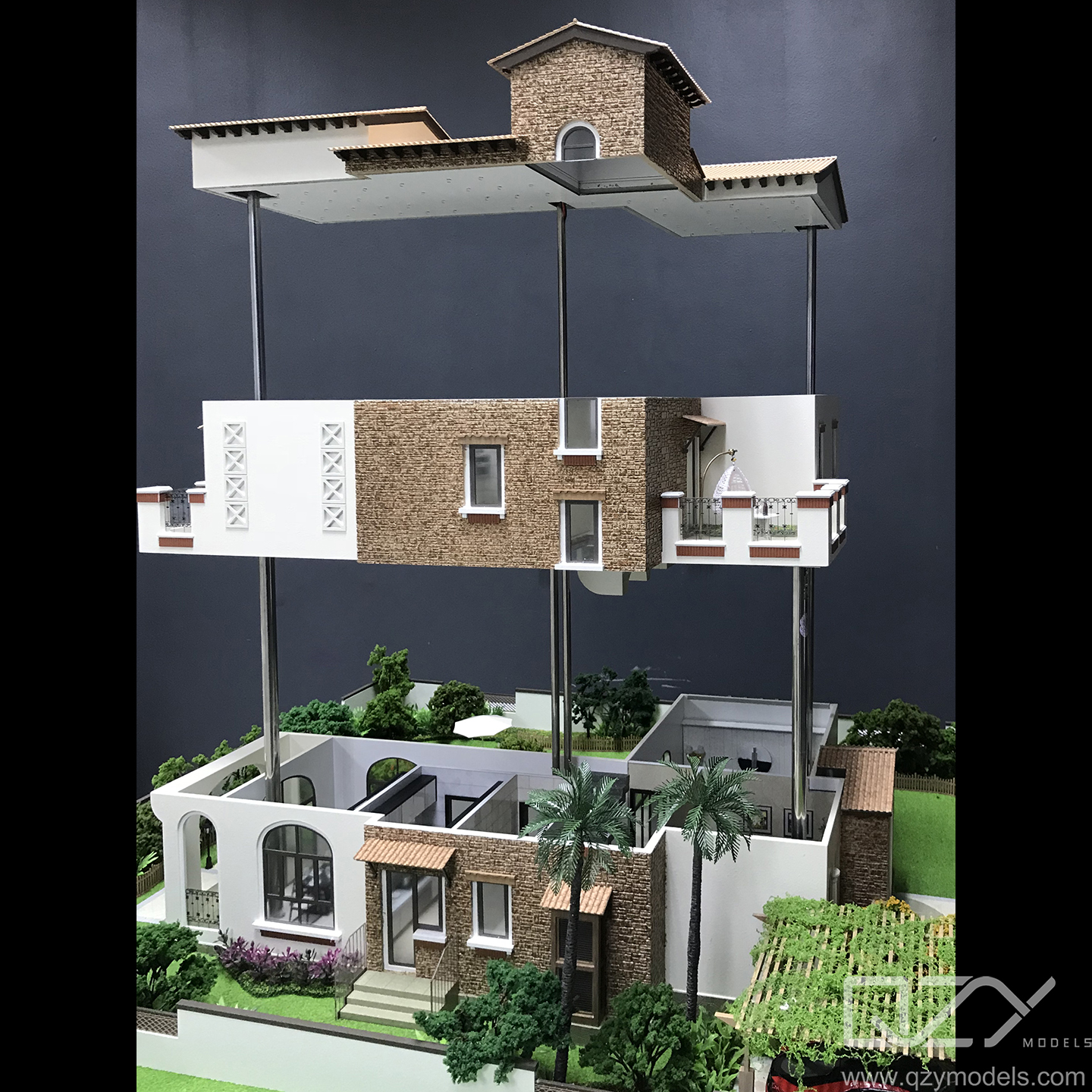
Real estate development models enhance project success by providing precise, tangible visualizations of proposed developments. These models facilitate better design validation, stakeholder communication, marketing, and decision-making, reducing costly errors and accelerating approvals while improving investor confidence and buyer engagement.
How Do Real Estate Development Models Benefit Project Planning and Communication?
Real estate development models allow developers, architects, and investors to visualize spatial relationships, scale, and design concepts clearly. They serve as a shared communication tool that aligns all stakeholders, helping to identify design flaws early and enabling informed decisions. This reduces misunderstandings, fosters collaboration, and streamlines project execution.
By making complex designs accessible and understandable, models enhance transparency throughout the development lifecycle.
What Types of Models Are Commonly Used in Real Estate Development?
Common models include physical scale models, detailed 3D digital renderings, and immersive virtual reality experiences. Physical models provide tactile, spatial awareness and are impactful for client presentations and sales. Digital models offer flexibility for quick revisions and interactive walkthroughs. VR enables immersive exploration, facilitating stakeholder engagement and design validation.
QZY Models specializes in blending these formats to deliver tailored solutions for diverse real estate projects.
Which Features Make Real Estate Development Models Effective?
Effective models accurately represent building massing, site layout, landscaping, and context. They embed realistic textures, lighting, and surrounding infrastructures. Flexibility for changes and integration with BIM or GIS data enhances precision. Models that include phased development or infrastructure elements assist in comprehensive planning.
Incorporating sustainability elements like green spaces and energy-efficient design aspects adds value to the presentation.
Why Is Expertise Crucial When Creating Real Estate Development Models?
Professional expertise guarantees architectural accuracy, proportionality, and refined craftsmanship. Experts like QZY Models understand local building codes, development processes, and market preferences, ensuring models are both visually compelling and functionally relevant.
Their ability to interpret architectural plans into detailed models allows developers to foresee challenges and appeal better to investors and buyers.
How Can Technology Improve Real Estate Development Models?
Technology such as AI-driven design tools, BIM integration, and high-resolution 3D visualization software enhances model accuracy and interactivity. Rapid prototyping and 3D printing accelerate physical model production. Cloud collaboration platforms enable real-time feedback among global stakeholders.
Advanced visualization techniques including drone footage integration and augmented reality further enrich presentations and marketing efforts.
What Challenges Are Common in Developing Real Estate Models?
Challenges include capturing complex site data accurately, balancing design aesthetics with functional feasibility, and managing costs. Achieving stakeholder consensus can be difficult if models are not clear or detailed enough.
Additionally, integrating environmental and regulatory compliance requirements into models demands specialized knowledge and precision.
Where Are Real Estate Development Models Most Valuable in the Project Timeline?
Models are most impactful from the conceptual and schematic design phases for exploring options and refining concepts. They play a significant role in investor pitches, marketing campaigns, and public consultations.
During construction, models guide contractors in visualizing design intent. Post-development, models assist in facility management and future expansion planning.
Does Using Real Estate Development Models Lead to Cost Savings?
Yes, models identify design and spatial issues early, preventing expensive on-site changes. They improve budgeting accuracy and scheduling by visualizing complex project elements in advance.
Models also boost marketing effectiveness, speeding up sales and lease cycles, thereby increasing project profitability.
Which Stakeholders Benefit Most from Real Estate Development Models?
Developers, investors, architects, planners, and marketing teams gain tangible benefits. Investors gain confidence from clear project representations; architects and planners improve design accuracy; marketing teams use compelling visuals to attract buyers.
QZY Models has worked globally providing models tailored to each stakeholder’s needs to maximize project success.
How Do Real Estate Models Influence Buyer and Investor Decisions?
By offering a realistic, engaging preview of the completed project, models help buyers and investors understand scale, aesthetics, and amenities. This emotional and cognitive connection increases trust and commitment, facilitating faster decision-making and higher investment or purchase rates.
Models can physically showcase how a development fits within its environment, enhancing buyer experience.
What Innovations Are Emerging in Real Estate Development Modeling?
Integrating AI to predict market and design trends, using parametric design for adaptable model variations, and adopting digital twins for live monitoring are transforming modeling. Virtual and augmented reality bring immersive marketing and planning capabilities.
QZY Models incorporates these innovations, ensuring clients receive cutting-edge, practical modeling services.
Can Sustainability Goals Be Supported Through Real Estate Development Models?
Absolutely. Models visualize sustainable site planning, energy efficiency, green infrastructure, and material choices. They help stakeholders assess environmental impacts and optimize designs for certifications like LEED or WELL.
These models promote transparency in sustainability commitments, appealing to environmentally conscious investors and buyers.
QZY Models Expert Views
“Real estate development models are essential tools that translate complex architectural concepts into tangible experiences. At QZY Models, we combine years of expertise with innovative technology to craft models that not only represent designs accurately but also drive decision-making and investor confidence. These models bridge the gap between vision and reality, making them invaluable in every stage of development—from planning to marketing and beyond.” — Richie Ren, Founder of QZY Models
| Model Type | Key Benefits | Ideal Applications |
|---|---|---|
| Physical Scale Models | Tangible, detailed, enhances engagement | Investor presentations, sales centers |
| 3D Digital Models | Flexible, modifiable, supports collaboration | Design refinement, virtual tours |
| VR/AR Models | Immersive, realistic, persuasive | Client walkthroughs, marketing events |
| Model Evaluation Factors | Description |
|---|---|
| Accuracy | Precise reflection of designs and site elements |
| Flexibility | Ease of modification and iteration |
| Realism | Incorporation of textures, lighting, and context |
| Stakeholder Usability | Accessibility and clarity for various audiences |
| Sustainability Integration | Visualizing environmental features and impacts |
Conclusion
Real estate development models are indispensable in modern projects, enhancing visualization, communication, marketing, and decision-making. Combining physical craftsmanship with advanced digital technologies, and employing expert teams like QZY Models, ensures accurate, compelling models that speed approvals, reduce costs, and improve stakeholder confidence. Embracing innovations while embedding sustainability presents the best path to successful developments in a competitive market.
Frequently Asked Questions
What distinguishes physical models from digital models in real estate development?
Physical models offer tactile, three-dimensional representations useful for spatial understanding and presentations, while digital models provide flexible, interactive visualizations that allow rapid adjustments and remote collaboration.
At what phase should real estate development models be introduced?
They are most valuable from the conceptual design phase through marketing and construction planning to optimize design and stakeholder engagement.
How do real estate models support investor confidence?
Models provide a tangible or immersive preview of the project, making concepts easier to understand and trust, which facilitates investment decisions.
Can models help with regulatory compliance?
Yes, detailed models can incorporate zoning, building codes, and environmental features to help ensure compliance early in the project.
What makes QZY Models stand out in this field?
With over 20 years of experience, global reach, and a commitment to quality and innovation, QZY Models produces precise, client-focused development models that improve project outcomes.