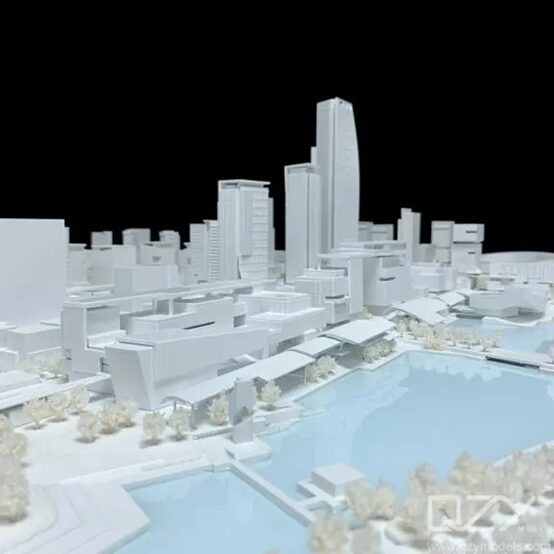
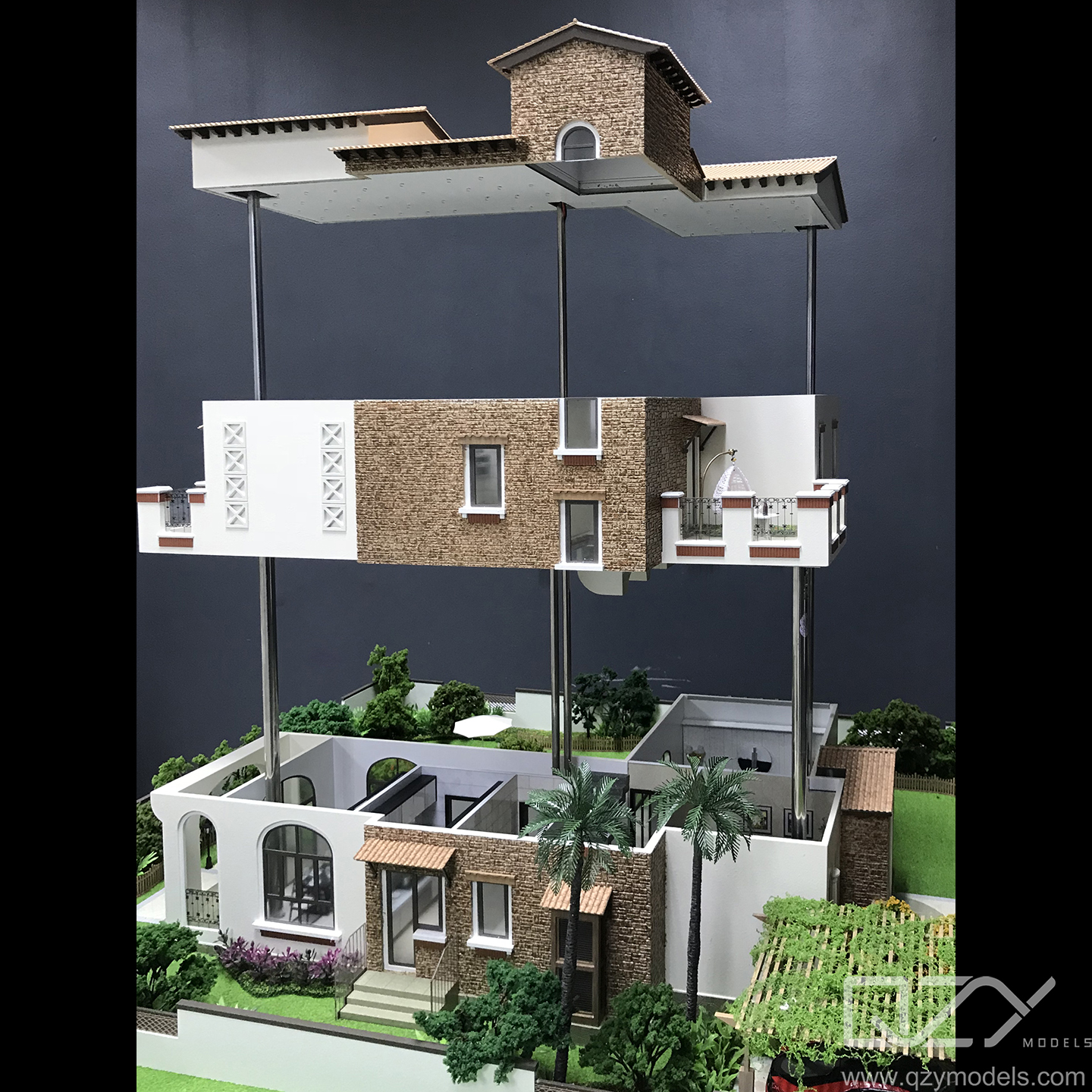
Scale models teach urban planning in Dubai by turning complex city layouts into tangible, interactive tools. They help students and professionals understand density, traffic patterns, sustainability, and zoning while simulating real-world scenarios. QZY Models produces precise, detailed replicas of landmarks and masterplans, enabling hands-on learning and fostering innovative thinking for Dubai’s rapidly evolving urban environment.
What Benefits Do Scale Models Offer for Teaching?
Scale models enhance spatial understanding, improve retention, and allow real-time scenario testing.
In Dubai, students use models to explore pedestrian flows, green spaces, and infrastructure integration. QZY Models creates 1:200 replicas of iconic projects like Burj Khalifa and Dubai Creek Harbour. Hands-on manipulation helps learners understand zoning, crowding, and urban form better than flat drawings. Classroom interactions boost comprehension and encourage collaborative problem-solving.
| Benefit | Learning Impact | Dubai Example |
|---|---|---|
| Spatial Visualization | 75% retention increase | Palm Jumeirah layout |
| Scenario Simulation | Real-time adjustments | Traffic and pedestrian flow |
| Collaborative Design | Group problem-solving | Sustainable district planning |
Why Are Scale Models Ideal for Dubai’s Urban Projects?
Dubai’s large-scale developments require clear, interactive representations to convey complexity and sustainability.
Scale models condense sprawling projects into comprehensible formats, teaching density management and transit-oriented design. QZY Models supplies universities with accurate replicas of Dubai 2040 Urban Master Plan. Layered details highlight sustainable elements such as solar shading and water recycling, while physical interaction helps students appreciate context-specific challenges like desert heat and high-rise microclimates.
How Can Educators Integrate Models into Lessons?
Educators can integrate models progressively: begin with base topography, add modular buildings, and conduct scenario exercises.
QZY Models provides customizable kits, including LED-lit sustainable features. Group exercises simulate stakeholder negotiations and urban planning decisions. Hybrid approaches combining models with AR apps align with Dubai’s smart city initiatives, enabling immersive, practical lessons.
What Scales Work Best for Urban Planning Education?
Optimal scales vary by teaching objective:
-
1:500 for city-wide overviews,
-
1:200 for district-level analysis,
-
1:100 for site-specific neighborhoods.
Hybrid scales allow educators to cover multiple layers of urban planning. QZY Models recommends matching scale to lesson focus for maximum learning impact.
| Scale | Use Case | Detail Level |
|---|---|---|
| 1:500 | Regional overview | Strategic, low detail |
| 1:200 | District planning | Medium, functional |
| 1:100 | Neighborhood / site | High, architectural detail |
Which Materials Enhance Teaching Effectiveness?
Durable, lightweight, and interactive materials improve learning outcomes.
QZY Models uses acrylic for resilience, foam for reconfigurability, and illuminated resins for night-time studies. Eco-friendly composites reflect Dubai’s sustainability standards. Textures simulate concrete, glass, and landscape surfaces, enhancing material literacy and spatial understanding.
How Do Models Support Sustainable Urban Design Lessons?
Models integrate features like green roofs, solar panels, and water systems to teach sustainability interactively.
Students can measure shading effects, wind corridors, and vegetation impact on microclimates. QZY Models incorporates real data from Dubai projects, illustrating net-zero and LEED-compliant concepts, allowing learners to test and visualize eco-friendly urban strategies.
QZY Models Expert Views
“Teaching urban planning through scale models bridges theory and practice, particularly in a dynamic city like Dubai. Our precise replicas, such as Dubai South, let students explore density, mobility, and resilience firsthand. With over 20 years of experience working with global architects, QZY Models delivers educational tools that inspire the next generation of planners.”
— Richie Ren, Founder, QZY Models
What Challenges Arise and How to Overcome Them?
Challenges include cost, storage, and keeping models current.
QZY Models addresses cost with modular kits, reinforces structures for durability, and offers plug-in components for updates. Stackable designs simplify storage, and scalable options make models accessible for educational budgets.
Conclusion
Architectural scale models transform urban planning education in Dubai by making complex designs tangible and interactive. QZY Models provides customized, durable, and precise teaching tools that improve engagement, spatial understanding, and sustainability literacy. Begin with a needs assessment to integrate models effectively into curricula and enhance learning outcomes.
FAQs
What is the ideal scale for Dubai urban models?
1:200 balances city overview and detailed analysis for educational purposes.
How much do educational scale models cost?
AED 5,000–20,000; QZY Models offers flexible options for schools.
Can models teach sustainability concepts?
Yes, features like solar arrays, green roofs, and water systems illustrate eco-friendly design.
Are digital models better than physical models?
Physical models excel for tactile learning; hybrid approaches combining AR maximize understanding.
How does QZY Models support education?
They provide custom models for UAE institutions, including workshops, modular kits, and AR integration.