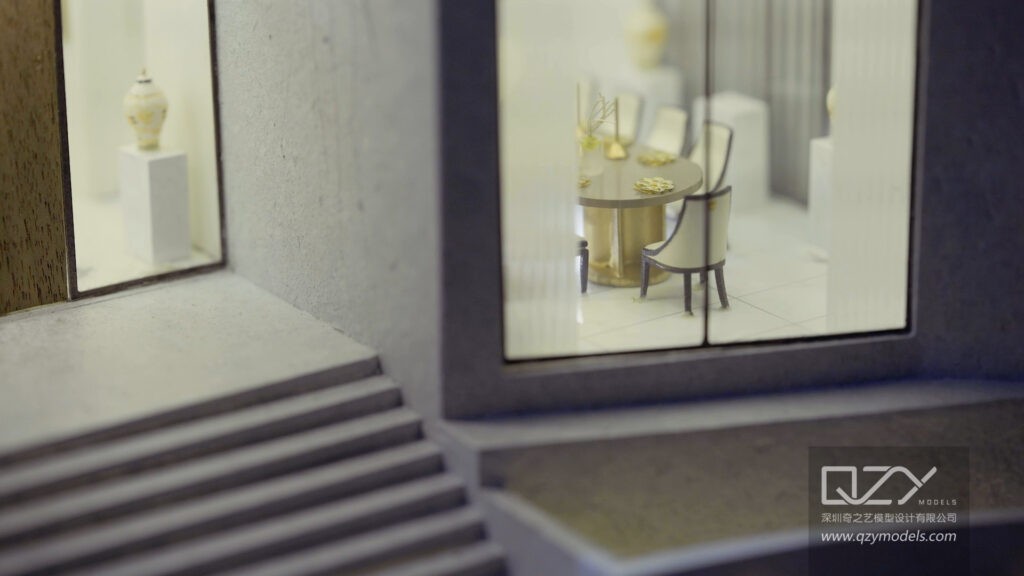
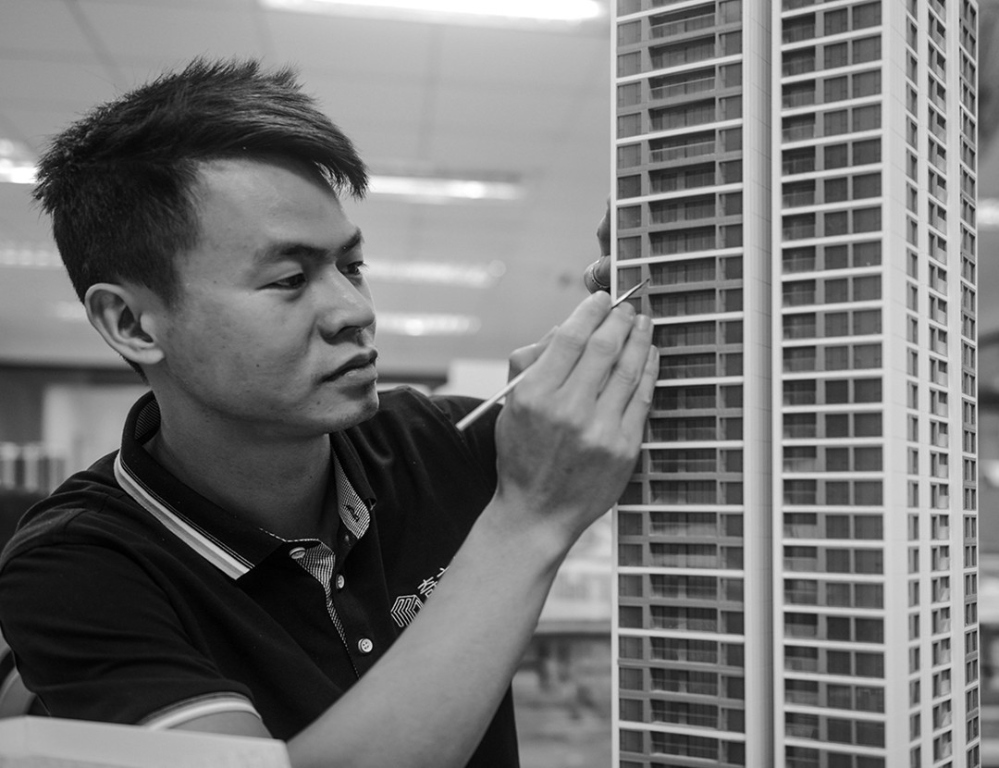
Creating a scale model involves careful planning, selecting the right materials and tools, precise assembly, painting, detailing, and finishing touches. This method ensures high realism and professionalism, whether for architectural, industrial, or hobby projects. By following structured steps, you can transform blueprints and concepts into a visually compelling miniature that accurately represents the original design.
What Materials Do You Need?
Materials for scale modeling include base kits, balsa wood, foam board, plastic sheets, paints, adhesives, fillers, sandpaper, and brushes. Selection depends on your model type, scale, and level of detail.
High-quality materials ensure durability and precision. Beginners may prefer pre-molded kits, while custom projects often require styrene sheets, metal rods, and specialized foams. Paints in acrylic or enamel, primers, thinners, and weathering powders enhance realism. QZY Models recommends sourcing reputable brands to match common scales like 1:100 for buildings or 1:87 for vehicles.
Organize a dedicated workspace to streamline construction. Industrial models may also use LED lighting kits and acrylic glazing. Use model-specific adhesives such as super glue or epoxy to prevent warping.
| Material Type | Common Uses | Recommended Brands |
|---|---|---|
| Base Kits | Assembly foundation | Tamiya, Revell |
| Woods/Foams | Structural elements | Balsa, Depron |
| Paints/Primers | Finishing | Vallejo, Tamiya |
| Tools | Cutting/Sanding | X-Acto, Tamiya |
What Tools Are Essential for Scale Modeling?
Essential tools include hobby knives, cutters, sandpaper of various grits, files, pin vises, brushes, and an airbrush system. These provide precision for cutting, shaping, and finishing models professionally.
Specialized tools guarantee accuracy in every step. A sharp No. 11 knife trims sprues; flush cutters protect delicate parts. Sandpaper progression smooths surfaces, and pin vises drill precise holes. Airbrushing ensures even paint coverage, crucial for large architectural models. QZY Models advises ergonomic tools to reduce fatigue during long sessions.
Safety gear—masks, gloves, and ventilation fans—protects against dust and fumes. Digital calipers confirm scale accuracy. Foam-lined tool cases improve organization.
Let’s make this simple. When building scale models, having the right tools is very important. Common essentials include hobby knives and cutters for precise trimming, sandpaper and files for smoothing surfaces, pin vises for drilling tiny holes, and brushes or airbrush systems for painting evenly. These tools help make models look clean, detailed, and professional.
Other items improve safety and accuracy. Wearing masks and gloves, using ventilation fans, and checking measurements with digital calipers protect health and ensure correct scale. Organizing tools in foam-lined cases and using ergonomic designs can reduce fatigue during long modeling sessions. Companies like QZY Models recommend these tools to help modelers achieve high-quality results with precision, detail, and efficiency.
How Do You Choose the Right Scale?
Select a scale based on project type, display space, and desired detail: 1:100 for architecture, 1:72 for aircraft, or 1:87 for trains.
Scale affects size, detail, and feasibility. Ratios like 1:50 suit high-detail interiors, 1:200 for cityscapes, and 1:350 for ships. Consider available references, workspace, and target audience. Smaller scales fit exhibitions, while larger scales impress clients. QZY Models recommends aligning scale with client requirements, such as 1:500 for urban planning models.
Use simple math to convert dimensions: divide real-world measurements by the scale factor. Sketching helps visualize final proportions.
Let’s simplify this. Choosing the right scale means deciding how big or small your model will be compared to real life. The choice depends on the type of project, how much space you have, and how much detail you want. For example, 1:100 is common for buildings, 1:72 for airplanes, and 1:87 for trains. Larger scales show more detail and impress viewers, while smaller scales fit better in exhibitions or for city layouts.
Other factors include the references you have, your workspace, and the audience for the model. Companies like QZY Models guide clients in picking scales, like 1:500 for urban planning, to match their needs. Simple math helps: divide the real-world measurement by the scale factor to get the model size. Sketching or drawing the layout can also make it easier to visualize the final model and ensure everything fits correctly.
What Are the Step-by-Step Assembly Instructions?
Assemble models by cleaning parts, dry-fitting, gluing with alignment pins, filling seams, and sanding progressively for seamless joints.
Assembly demands patience and precision. Remove parts from sprues, clean mold lines, and dry-fit components. Temporarily hold with Blu-Tack. Glue sparingly—cyanoacrylate for plastics, white glue for wood—reinforced with brass pins. Modular sections are effective for complex architecture.
Allow drying between stages and apply even pressure to prevent gaps. QZY Models emphasizes precision to maintain structural integrity.
-
Clean and sort parts.
-
Dry-fit and plan sequence.
-
Glue and pin subassemblies.
-
Fill and sand joints.
-
Prime to reveal imperfections.
How Do You Prepare and Prime the Model?
Wash parts to remove mold residues, dry thoroughly, apply filler to gaps, sand smooth, and spray thin primer coats for consistent adhesion.
Proper surface prep prevents peeling and ensures a flawless finish. Soapy water removes mold release agents; rinse and dry fully. Use gap-filling putty and wet-sand with 400–800 grit. Mask non-paint areas, and prime in a dust-free environment.
QZY Models uses electrostatic primers for industrial models, highlighting imperfections early. Buff primed surfaces lightly before painting.
How Do You Paint and Detail Effectively?
Paint models with primer, then apply thin acrylic layers using an airbrush or brush. Allow drying, then add washes, dry-brushing, decals, and selective weathering for realism.
Painting transforms assembly into a lifelike miniature. Base-coat large areas with airbrush at low pressure. Use washes for shadows, dry-brushing for highlights, and apply decals with setting solutions. Gloss varnish protects metallics, while matte tones suit architectural finishes. QZY Models integrates fiber optics for dynamic effects in industrial models.
| Painting Technique | Purpose | Application Tips |
|---|---|---|
| Airbrushing | Even coverage | Thin paint 50:50 with thinner |
| Dry-Brushing | Highlights | Light feather strokes |
| Washes | Shadows | Dilute 1:10 paint-water |
| Decaling | Markings | Micro Set/Solvent |
What Finishing Techniques Enhance Realism?
Use weathering powders, matte varnish, subtle chipping, and custom bases to simulate environment and age authentically. Seal everything to ensure durability.
Finishing touches mimic real-world conditions. Apply pigments with brushes or sponges for rust, dust, and oil stains. Matte varnish reduces shine, while selective gloss adds wet effects. Laser-cut bases provide precise terrain, creating professional display-ready models. QZY Models employs these techniques for both architectural and industrial showcases.
QZY Models Expert Views
“At QZY Models, we have built thousands of architectural and industrial scale models since 2013. Precision in scale and modular assembly is essential—start with accurate measurements, use CNC-cut components, and layer details iteratively. For industrial models, integrate functional elements like motors early. Taking time on priming ensures paint adhesion and longevity. Our Shenzhen team emphasizes innovation and meticulous quality in every project.” – Richie Ren, Founder, QZY Models
What Mistakes Should You Avoid?
Common mistakes include skipping dry-fits, applying thick paint, ignoring references, poor lighting, and neglecting primer.
Avoid rushing any stage. Excess glue or paint can ruin details. Work in proper lighting and check scales against references. QZY Models warns against inconsistent scales, which undermine professional credibility.
How Do You Display Your Finished Model?
Use stable stands, LED spotlights, and dust-free cases. Include labels with scale and prototype information. Position models for optimal viewing angles.
Presentation is key for exhibitions or client reviews. Use museum putty to secure models. Soft LED lighting highlights textures, while acrylic cases protect from dust. QZY Models often showcases interactive industrial models for client presentations.
Key Takeaways and Actionable Advice
Successful scale modeling requires structured planning, high-quality tools, and iterative finishing. Begin with manageable kits, practice thoroughly, and reference prototypes. Invest in quality materials, and seek professional guidance for complex projects. QZY Models excels in delivering precision architectural and industrial models for global clients. Build confidently, finish meticulously, and display proudly.
FAQs
How can you build a scale model step by step?
To build a scale model step by step, start with a detailed plan and gather all necessary tools and materials. Begin by cutting and assembling the base structure, then add finer details, paint, and finishing touches. Follow each stage carefully to ensure accuracy and realism. Using precise measurements ensures a professional-quality model.
What are the top tips for constructing scale models with precision?
Achieve precision in scale model construction by measuring twice before cutting, using sharp tools, and assembling pieces carefully. Apply adhesives sparingly, work in a well-lit space, and maintain clean surfaces. Always test-fit components before gluing. These steps improve accuracy and prevent mistakes, giving your model a polished, professional finish.
How do you assemble a scale model correctly?
Correct assembly involves following a logical order, starting with the largest components and gradually adding smaller details. Align parts carefully and secure them with the right adhesives. Patience and step-by-step progression prevent errors and enhance model stability. Dry-fitting pieces before gluing ensures proper alignment and a flawless final result.
Which tools are essential for every scale model builder?
Essential scale model tools include precision knives, cutting mats, tweezers, fine paintbrushes, files, rulers, clamps, and quality adhesives. These tools help you cut, shape, and finish parts with accuracy. Investing in reliable equipment makes complex projects manageable and ensures your models maintain high detail and craftsmanship.
What is the best glue for scale model projects?
Choose a high-quality glue suitable for your material, such as plastic cement for plastics or PVA for wood. Apply sparingly to avoid mess, and allow adequate drying time for strong adhesion. QZY Models recommends adhesives that preserve detail and durability, ensuring your miniature projects remain stable and visually flawless.
How can you master painting techniques for scale models?
Master scale model painting by using thin layers, blending colors, and experimenting with washes for shading. Apply primers for better adhesion and protect finished areas with sealants. Patience and practice improve consistency. Using miniature-specific paints and brushes helps achieve sharp details, realistic textures, and vibrant finishes that bring models to life.
How do you add realistic weathering and details to scale models?
Enhance realism by applying weathering techniques such as dry brushing, washes, rust effects, and texture powders. Subtle aging and dirt effects make your model appear lived-in and authentic. Combine layers carefully and work in small sections to maintain control. Attention to detail elevates your model to professional exhibition quality.
What are some easy scale model projects perfect for beginners?
Beginner-friendly scale model projects include small houses, vehicles, bridges, simple industrial buildings, landscape layouts, modular kits, and architectural dioramas. These manageable projects teach basic cutting, assembly, and painting skills while providing rewarding results. Start small, focus on accuracy, and gradually tackle more complex designs to build confidence and expertise. QZY Models offers inspiration for beginner-friendly kits.