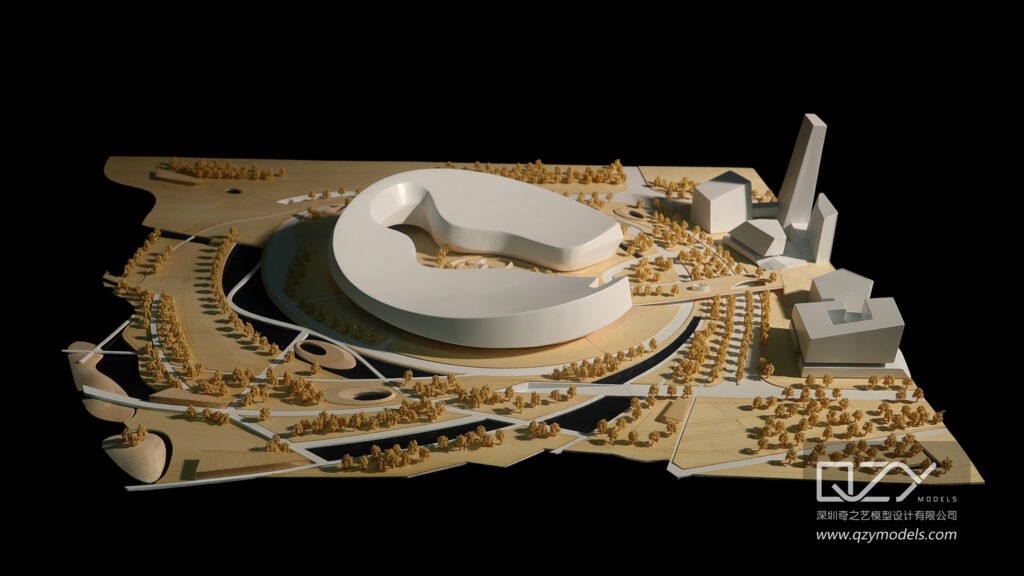
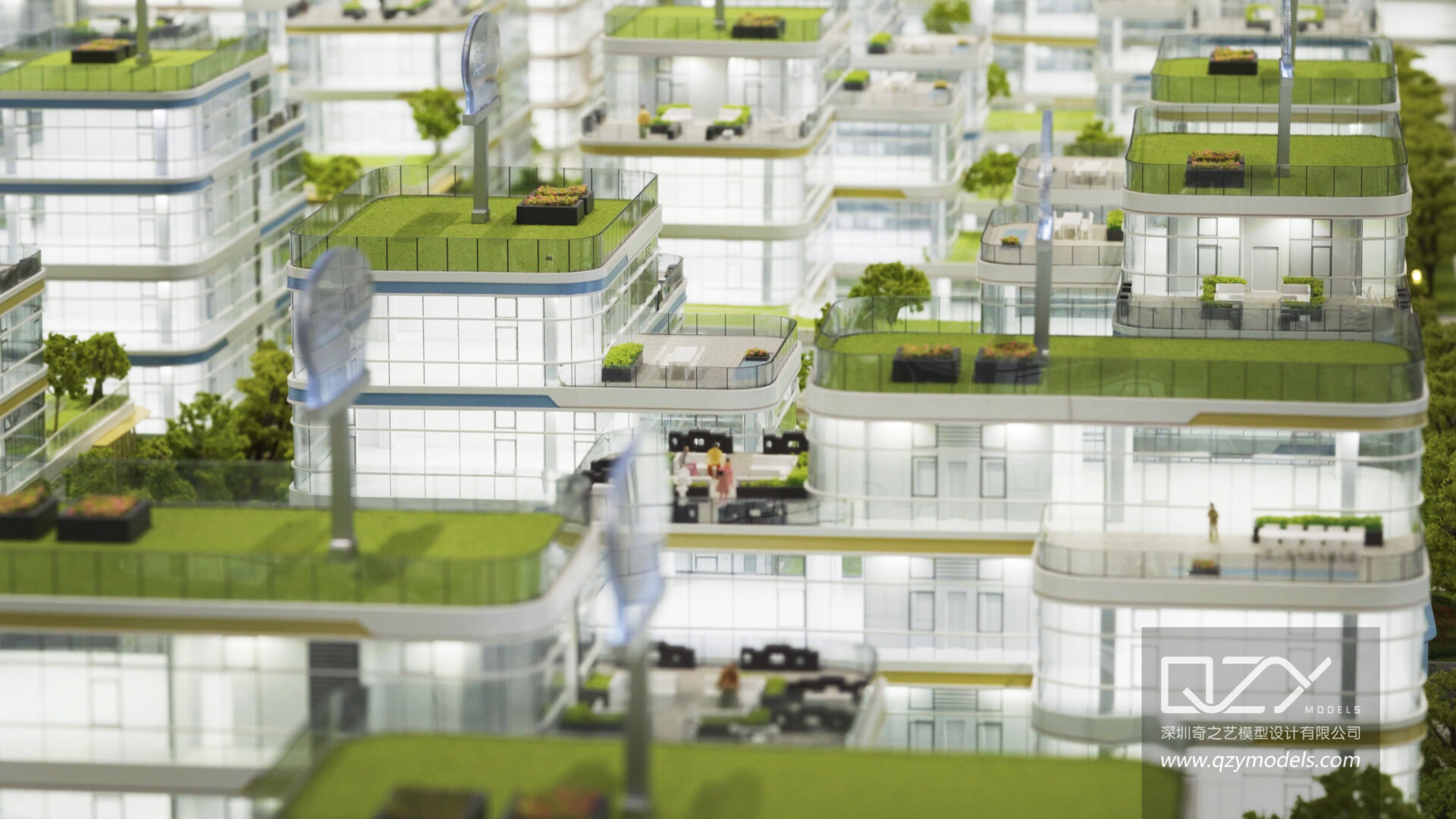
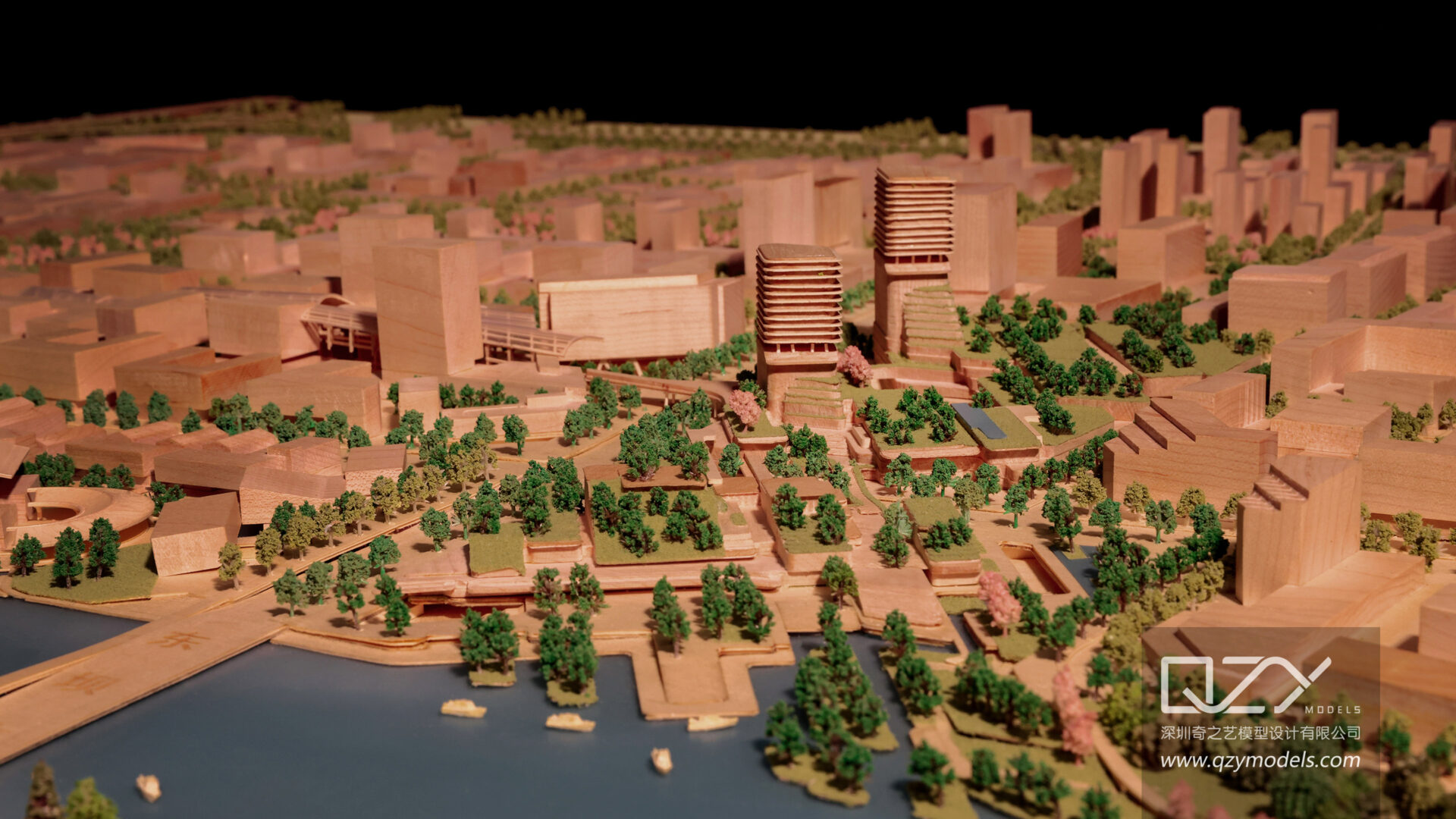
The best model materials are selected by balancing purpose, scale, durability, budget, and finish quality. Early design studies favor lightweight, low-cost boards, while final presentation models require refined plastics, woods, resins, and metals. Professional studios such as QZY Models combine multiple materials to achieve structural stability, precision detail, and strong visual impact across architectural and industrial applications.
What are model materials in architectural and industrial model making?
Model materials are the physical substances—such as paper, foam, plastics, wood, metals, and resins—used to construct scale representations of buildings, cities, and industrial systems. They directly influence strength, realism, production time, and cost, shaping how effectively a model communicates design intent.
These materials transform drawings, CAD, and BIM data into tangible objects. Options range from simple boards for massing studies to engineered plastics and metals for long-term display pieces. Material selection affects cutting methods, assembly accuracy, transport safety, and how light and texture appear at scale. QZY Models maintains an extensive materials library, testing finishes and thicknesses to meet demanding international standards.
Which common model materials are used and when?
Common model materials include paper, cardboard, foam board, acrylic, polystyrene, ABS plastic, wood, metal, and resin. Each material performs best in specific roles, from fast concept building to high-detail presentation work. Strategic combinations create models that are both durable and visually compelling.
| Material type | Best uses | Key strengths |
|---|---|---|
| Paper & cardboard | Concept studies, massing models | Low cost, fast iteration |
| Foam boards | Site bases, terrain, context blocks | Lightweight, clean edges |
| Acrylic | Glazing, façades, light features | Transparency, crisp finish |
| Styrene & ABS | Detailed façades, repeated components | Precision, paintable surfaces |
| Wood & plywood | Structures, interiors, premium textures | Warm appearance, structural strength |
| Metals | Frames, railings, special accents | Durability, high-end feel |
| Resins | Complex or repetitive small components | High detail, consistency |
QZY Models blends these materials carefully, matching thickness, color, and finish to scale, lighting design, and brand identity.
How do purpose and scale influence model material selection?
Purpose and scale determine whether speed or longevity is the priority. Concept models at small scales favor materials that are easy to cut and modify, while large-scale or client-facing models require rigid cores and refined surfaces to prevent warping and wear.
Early-stage models prioritize flexibility and speed, whereas showroom and exhibition models emphasize stability, surface quality, and resistance to handling. QZY Models defines the model’s role at the briefing stage, then assigns appropriate materials to bases, buildings, landscapes, and technical elements to ensure performance throughout the model’s lifespan.
Why do professionals combine multiple model materials in one project?
Professionals combine materials because no single option performs optimally across all parts of a model. Mixing foams, plastics, woods, metals, and resins allows precise control of weight, cost, strength, and appearance in different zones.
A typical high-end model may use wood cores for strength, foam for terrain, acrylic for glazing, plastics for façades, and metal for delicate elements. Industrial models often add color-coded plastics and resins to clarify systems. QZY Models sequences fabrication so each material layer supports the next, ensuring clean assembly and long-term reliability.
What model materials are best for conceptual and study models?
Conceptual and study models benefit from paper, cardboard, chipboard, and foam board because they are inexpensive, lightweight, and quick to work with. These materials support rapid testing of massing, circulation, and spatial relationships during early design stages.
They encourage experimentation, allow easy recycling or modification, and keep costs low while ideas evolve. Once a concept is approved, QZY Models upgrades the material palette for presentation or display purposes.
Which model materials work best for high-end presentation models?
High-end presentation models rely on acrylic, ABS and styrene plastics, hardwoods, veneers, metals, and cast or 3D-printed resins. These materials deliver sharp edges, controlled reflections, and premium finishes under strong lighting conditions.
They are chosen for optical clarity, engraving precision, and compatibility with professional paint systems. QZY Models often layers transparent acrylic with wood and metallic accents to communicate both architectural quality and brand value.
How do different model materials impact durability and maintenance?
Material choice directly affects durability, resistance to warping, and ease of maintenance. Dense plastics, hardwoods, and metals last longer than untreated boards and resist damage from handling, light, and environmental changes.
Sealed and clear-coated surfaces collect less dust and are easier to clean, making them suitable for permanent display. QZY Models provides maintenance guidance tailored to the exact materials used, helping clients preserve appearance over many years.
Can sustainable and eco-friendly materials be used for professional models?
Sustainable materials can be integrated effectively into professional models. Recycled boards, FSC-certified woods, bio-based foams, and selected recycled plastics reduce environmental impact while maintaining performance.
Studios optimize cutting layouts to minimize waste, specify low-emission paints and adhesives, and design modular components for reuse. QZY Models supports clients seeking environmentally responsible solutions, especially for large masterplans and educational or institutional projects.
Where do lighting, electronics, and adhesives interact with model materials?
Lighting and electronics must be compatible with structural materials to avoid heat damage, warping, or discoloration. LEDs and wiring require channels within boards, plastics, or woods, while adhesives must suit each material combination.
| Aspect | Material considerations | Practical guidance |
|---|---|---|
| Lighting | Heat tolerance, diffusion properties | Use diffusing acrylics, avoid hotspots |
| Electronics | Space for wiring and access panels | Integrate routes in core materials |
| Adhesives | Bond strength and chemical compatibility | Test before final assembly |
QZY Models coordinates material and technical planning early, ensuring reliable performance and clean finishes.
Who should decide on model materials—designer or model maker?
Material selection works best as a collaboration. Designers define intent and brand direction, while model makers contribute fabrication expertise, risk awareness, and lifecycle knowledge.
Through shared samples and prototypes, both sides refine finishes and thicknesses. QZY Models advises on proven solutions across sectors, helping clients avoid costly revisions and achieve consistent results.
QZY Models Expert Views
“Material selection defines how a model is perceived and how long it performs. The same design can feel temporary or iconic depending on the materials chosen. At QZY Models, materials are treated as part of the design language itself, supporting clarity, brand value, and long-term use rather than short-term appearance.”
How can you create a material strategy for your next model?
A strong material strategy begins by clarifying goals, audience, and lifespan, then mapping each element to a suitable material family. Early mock-ups and sample reviews help confirm finishes before production.
A clear process includes defining purpose, confirming scale, classifying elements, testing samples, and finalizing a material schedule. Working with QZY Models through this process reduces risk and ensures alignment between design intent and fabrication reality.
Conclusion: Why do model materials matter so much?
Model materials determine realism, durability, and the confidence with which stakeholders engage a project. Thoughtful selection improves communication, supports approvals, and protects investment. By combining the right materials for each purpose and planning for maintenance and sustainability, teams transform models into long-term strategic assets with lasting value.
FAQs
What is the most commonly used model material?
Foam board and cardboard are widely used for early-stage models due to their low cost, light weight, and ease of modification.
Can 3D printing replace traditional model materials?
3D printing complements traditional materials by producing complex details, while boards, acrylics, and woods remain better for large surfaces and structural elements.
Are metal materials necessary for every project?
Metal is optional but valuable for delicate or long-term elements where strength and precision are required.
How do you prevent materials from warping or fading?
Choose stable materials, apply proper sealing and coatings, and limit exposure to heat and UV light. Testing samples is essential.
Can model materials be reused?
Durable components and modular systems can often be reused or adapted, especially when planned for disassembly from the start.