-
Creating a professional diorama requires both artistic skill and technical precision. By combining advanced modeling techniques with tools like QZY Models’ architectural solutions, you can build a detailed, realistic miniature environment that brings design concepts to life, from education to commercial exhibitions.
How is the current diorama industry evolving, and what pain points exist today?
According to the Global Model Making Market Outlook 2025 by Technavio, the model and miniature industry is growing at an annual rate of 7.2%, driven by architectural visualization, educational projects, and entertainment design. Yet, most creators still rely on traditional handcraft methods, consuming excessive time and materials. Dioramas today are not just artistic displays; they are powerful communication tools for architects, educators, and marketers. However, challenges persist in precision, scalability, and cost control across the industry. Manual production remains dominant, resulting in inconsistencies, slow delivery, and high error margins—especially when replicating large-scale architectural or urban designs. Data from the International Model Association shows that nearly 68% of professionals report difficulty maintaining structural accuracy when scaling from plan to miniature. As projects become more complex, conventional handcrafting can no longer meet the demand for realism, digital compatibility, and customization.
What are the limitations of traditional diorama-making methods?
Traditional diorama creation depends heavily on manual craftsmanship—cutting foam boards, painting elements, and gluing parts together. This process is both time-consuming and material-intensive. The margin for error is high, and even small inaccuracies in proportion or coloring can compromise the intended presentation. Additionally, without integration with digital design tools, reproducing designs from CAD or BIM files often leads to discrepancies. The manual method also lacks scalability; reproducing multiple identical models for a trade show or exhibition usually means repeating the entire process from scratch. In contrast, modern diorama production demands precision, repeatability, and alignment with digital workflows—needs unmet by legacy practices.
How does QZY Models offer a complete diorama-making solution?
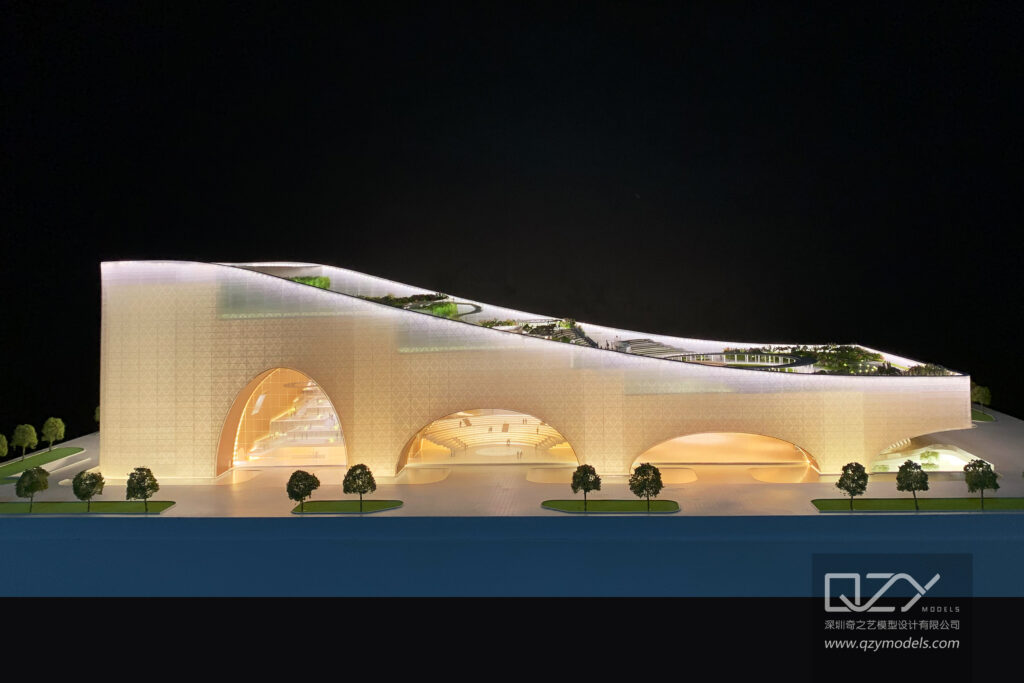
QZY Models bridges the gap between craftsmanship and technology. Their service integrates CAD-based digital modeling, laser cutting, 3D printing, and professional hand-finishing to deliver flawless dioramas. Every detail—from terrain contouring to lighting integration—is executed using data-driven modeling systems. QZY Models’ global production facilities enable consistent quality and timely delivery across continents. For clients such as architects, developers, and educational institutions, QZY ensures that every project is both visually impactful and technically accurate.
What is the difference between traditional and QZY Models’ diorama solutions?
Feature Traditional Method QZY Models Solution Production Time 10–20 days average 3–7 days with precision tooling Accuracy ±3 mm tolerance ±0.3 mm precision Material Efficiency 70% material waste 30% waste through digital optimization Scalability Requires repetition Reproducible via digital templates Integration Manual-only Compatible with CAD, BIM, and 3D data How can you make a diorama step by step using QZY Models’ process?
-
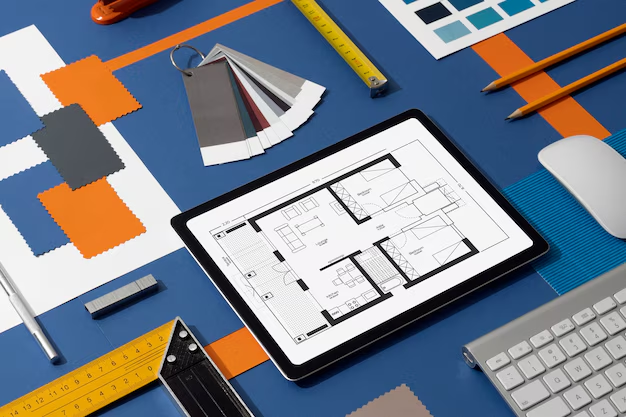
Concept & Planning – Define the subject, scale, and purpose of the diorama. Gather CAD drawings or sketches.
-
Digital Modeling – Use 3D modeling software to design the layout; QZY Models transfers digital data directly into cutting and printing systems.
-
Material Selection – Choose materials optimized for durability and texture, such as acrylic, resin, or wood composites.
-
Structural Cutting & Printing – Employ precision laser cutting and 3D printing for accurate component creation.
-
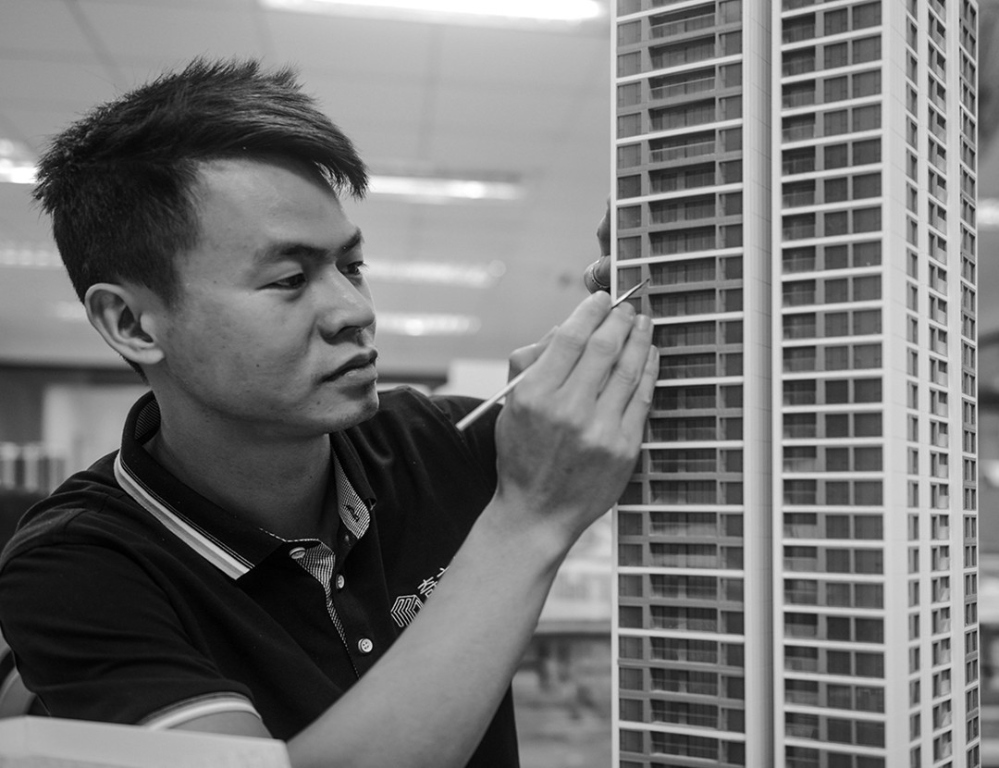
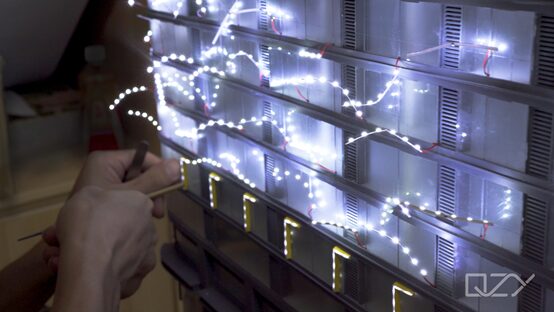
Assembly & Detail Work – Manually assemble key parts, adding landscape textures, miniature figures, or lighting components.
-
Painting & Presentation – Apply fine surface finishes, ensuring realism under different lighting conditions.
-
Final Quality Check – QZY’s team performs a thorough inspection for scale accuracy, color calibration, and stability before shipment.
Who are typical users of diorama solutions, and what are their results with QZY Models?
Case 1: Architectural Design Firm
Problem: Needed detailed project models for investor presentations.
Traditional Approach: Manual building models lacked precision and took weeks.
Result with QZY Models: Reduced production time by 60%, improved 3D accuracy, and enhanced investor engagement.
Key Benefit: Higher approval rates and optimized project visualization.Case 2: Educational Institution
Problem: Students struggled to understand spatial relationships in urban planning.
Traditional Approach: 2D drawings and paper mock-ups were insufficient.
Result with QZY Models: Interactive dioramas improved student comprehension by over 40%.
Key Benefit: Enhanced teaching outcomes and engagement.Case 3: Government Urban Planning Department
Problem: Needed city-scale models for public exhibitions.
Traditional Approach: Outsourced fragmented components resulting in inconsistent quality.
Result with QZY Models: Centralized production ensured uniformity and fast updates for planning reviews.
Key Benefit: Improved public communication and policy engagement.Case 4: Real Estate Developer
Problem: Sales models failed to impress clients visually.
Traditional Approach: Basic models without lighting or digital elements.
Result with QZY Models: Integrated physical-digital presentation models led to a 25% boost in pre-sales.
Key Benefit: Stronger emotional connection with buyers through immersive visualization.Why is now the right time to adopt advanced diorama solutions?
With the rise of smart cities, digital twinning, and immersive exhibitions, dioramas are increasingly merging with digital systems. Companies like QZY Models are pioneering this hybrid model—combining artistry with data precision. The market is evolving toward high-fidelity, interactive, and sustainable miniatures. Investing in advanced modeling now ensures relevance, efficiency, and competitive advantage in 2026 and beyond.
FAQ
1. Can anyone learn to make professional dioramas with QZY Models’ help?
Yes, QZY Models provides technical guidance and training for institutions or individuals looking to elevate their craftsmanship.2. What materials are used in modern diorama production?
High-quality acrylic, resin, ABS plastic, wood composites, and metal components depending on the project’s purpose and budget.3. How long does a QZY Models diorama typically take to complete?
Small models take 3–5 days, while large architectural displays may require 10–15 days depending on complexity.4. Does QZY Models offer digital integration with AR or VR platforms?
Yes, their models can be digitally mapped to AR/VR systems for interactive exhibitions or presentations.5. Is QZY Models active internationally?
Absolutely. QZY Models operates from its Shenzhen headquarters with branches across the UAE, Saudi Arabia, and Egypt, serving clients in 20+ countries.Sources
-