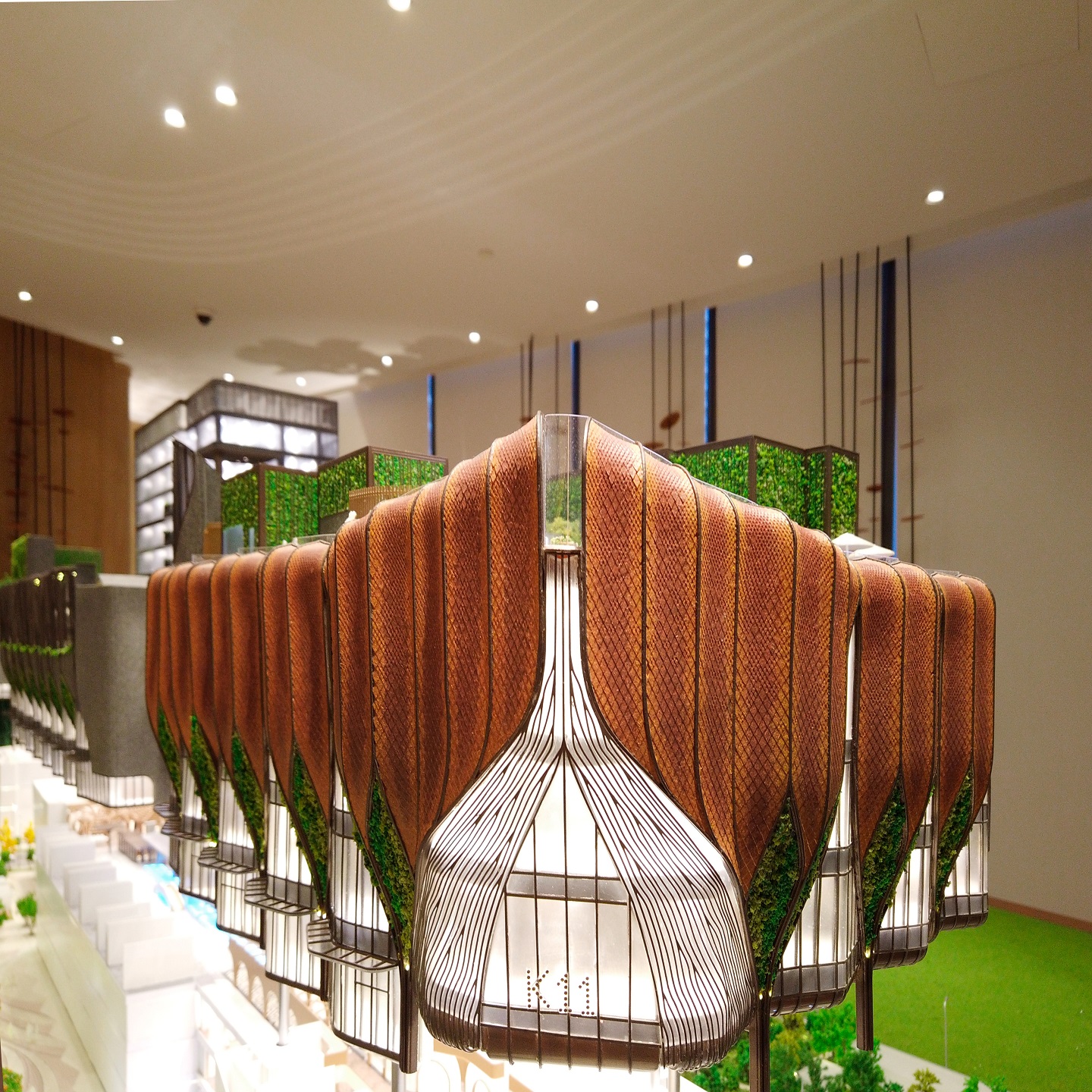
Making a model house in Vancouver involves combining careful planning, precise scale selection, quality materials, and both traditional craftsmanship and modern technologies like 3D printing and laser cutting. This approach produces accurate, visually engaging physical models that clearly communicate architectural intent while reflecting Vancouver’s diverse building styles and environmentally conscious design culture.
What Are the Essential Steps to Make a Model House?
The essential steps include planning the design, choosing the appropriate scale, selecting suitable materials, preparing templates or digital files, cutting components, assembling the parts, and adding finishing touches such as textures, landscaping, and details. Each step ensures accuracy and coherence. In Vancouver, model makers adapt these steps to align with local architecture, climate, and client specifications, serving both conceptual exploration and presentation purposes.
How Do You Choose the Right Scale for a Model House?
Scale selection depends on the purpose of the model and the available display space. Typical scales include 1:50, 1:100, and 1:200. Smaller scales, like 1:200, are suitable for site planning, while 1:50 allows detailed interior views for client presentations. In Vancouver, selecting the right scale balances size, detail, and functionality to ensure the model effectively conveys design and contextual elements.
Which Materials Are Best for Building a Model House?
Material choice is guided by detail requirements, durability, and budget. Cardboard and foam board are ideal for conceptual models due to their affordability and flexibility, while basswood, acrylic, and 3D printing resin suit detailed, presentation-quality models. Vancouver’s model makers often incorporate sustainable and recycled materials to reflect the city’s eco-conscious architectural culture, ensuring the model is both visually accurate and environmentally responsible.
Why Is Technology Important in Model House Making?
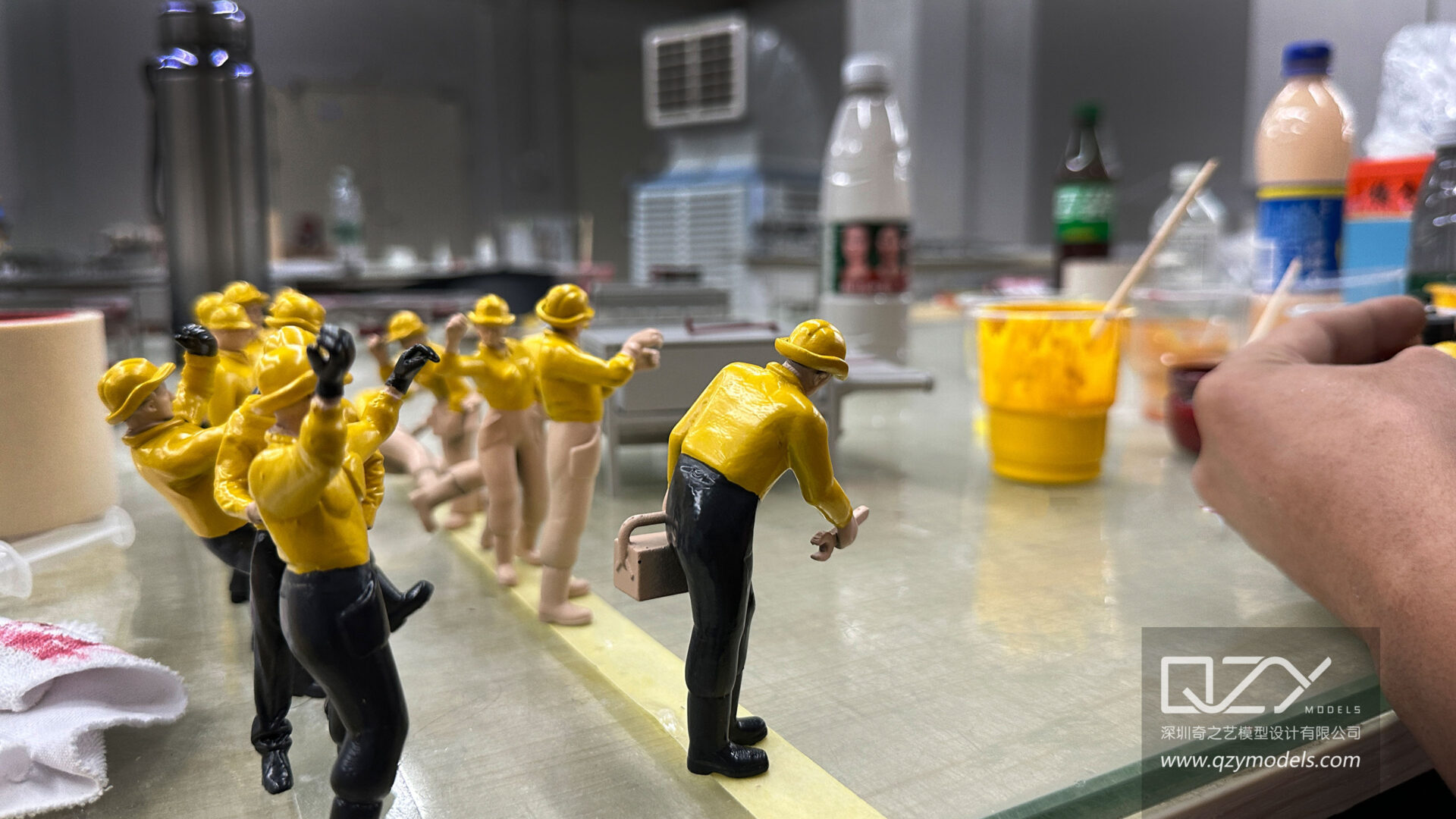
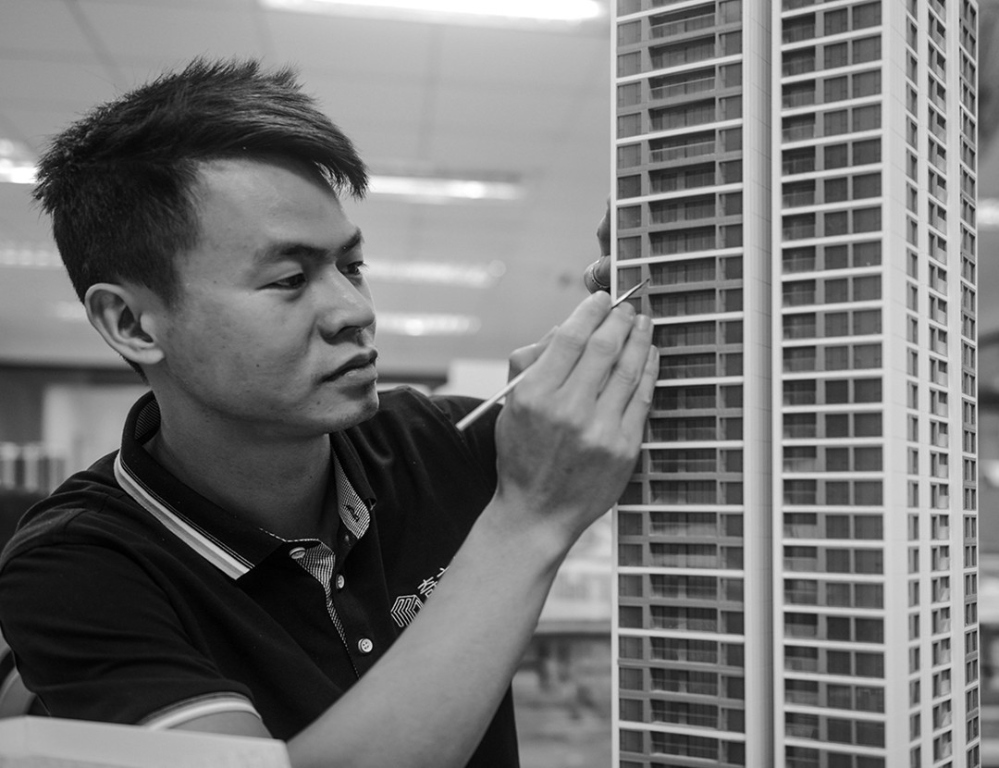
Technologies such as laser cutting and 3D printing enhance precision, reduce fabrication time, and allow complex geometries to be realized efficiently. Digital design files can be directly converted into physical components, improving both accuracy and workflow efficiency. In Vancouver, these technologies support sustainable practices and help create models that meet the demands of innovative architectural projects while complementing traditional hand-finishing techniques.
Who Typically Builds Model Houses in Vancouver?
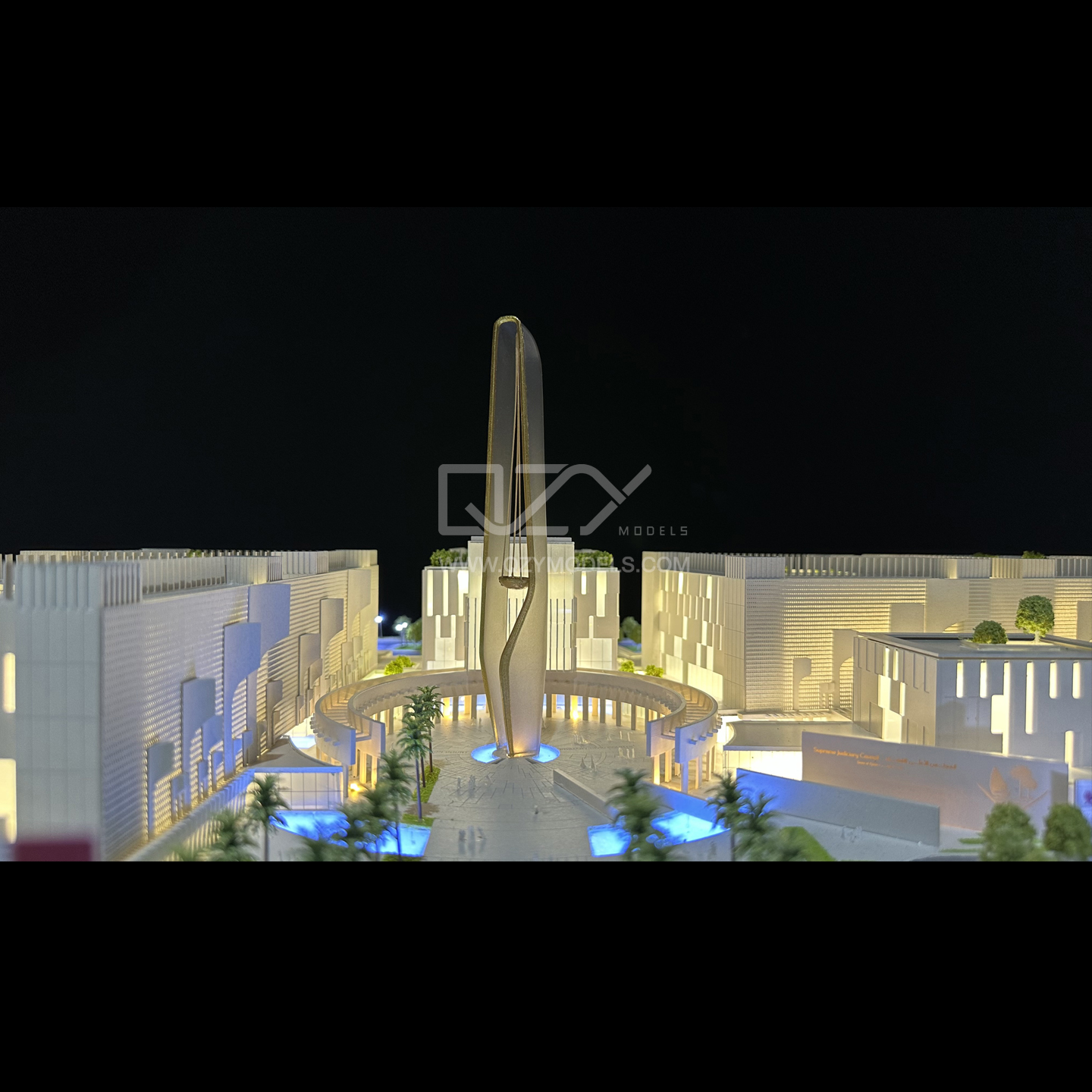
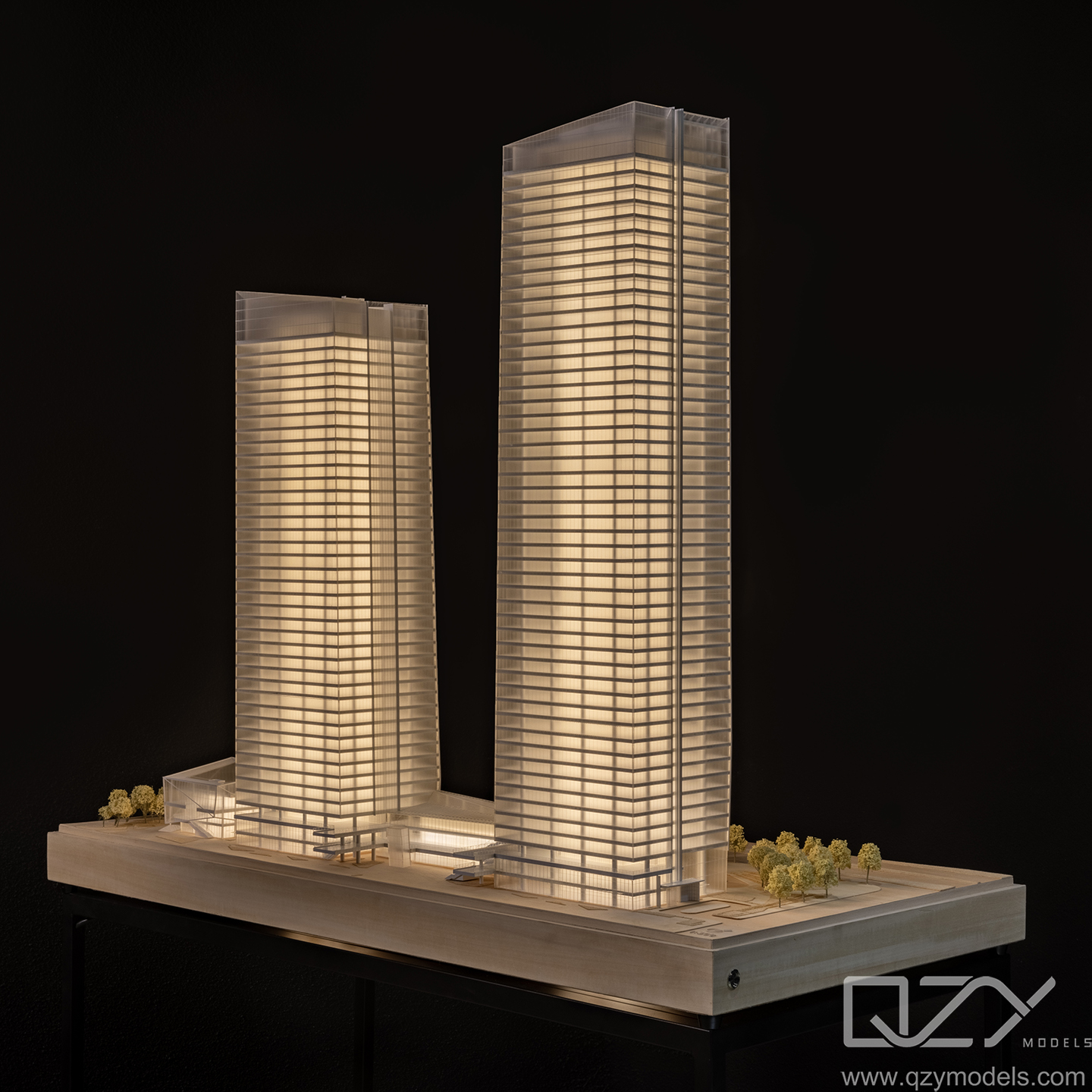
Model houses in Vancouver are constructed by architectural firms, specialized model-making studios like QZY Models, design schools, and independent professionals. These experts collaborate with clients to produce models that meet design, marketing, and regulatory requirements. QZY Models integrates traditional craftsmanship with advanced technology to deliver accurate, compelling, and sustainable house models tailored to Vancouver’s architectural landscape.
When Should You Start Building a Model House?
Model house construction should begin in the conceptual or schematic design phase to support design exploration, iterative development, and stakeholder communication. Early models help visualize massing and form, while detailed models later support presentations, approvals, and marketing. In Vancouver, timely model production allows integration with BIM workflows and digital design tools, enhancing project efficiency and client engagement.
How Does QZY Models Support Model House Making in Vancouver?
QZY Models provides expert guidance in material selection, fabrication, and project management. Their process combines traditional techniques with advanced digital tools, ensuring models are visually striking, precise, and contextually accurate. With experience in Vancouver and international projects, QZY Models produces models that facilitate design understanding, stakeholder engagement, and informed decision-making.
Could Model Houses Enhance Real Estate Marketing in Vancouver?
Yes, physical model houses provide tangible, immersive representations that enhance real estate marketing in Vancouver. They help developers, architects, and realtors communicate design intent, showcase amenities, and demonstrate spatial relationships. Models produced by QZY Models are designed to captivate audiences, support project visibility, and build client confidence in a competitive market.
What Are Common Challenges in Making Model Houses in Vancouver?
Challenges include achieving the right balance between scale and detail, integrating manual and digital fabrication, sourcing sustainable materials, and meeting tight deadlines. Vancouver’s climate and local building regulations also require context-aware modeling. Expert firms like QZY Models overcome these challenges through innovative workflows, skilled craftsmanship, and advanced technologies, ensuring high-quality, reliable outcomes.
QZY Models Expert Views
“Creating model houses in Vancouver demands precision, innovation, and sensitivity to local architectural values. At QZY Models, we combine traditional craftsmanship with modern technologies to bring designs to life. Our models communicate the narrative and sustainability principles inherent in each project, allowing clients and stakeholders to visualize and engage with the architecture effectively.” — Richie Ren, Founder of QZY Models
Conclusion
Making a model house in Vancouver requires detailed planning, accurate scale selection, thoughtful material choice, and the integration of traditional and modern fabrication techniques. These models support design exploration, stakeholder communication, and marketing while reflecting the city’s architectural diversity and sustainable practices. Partnering with expert firms like QZY Models ensures the creation of precise, visually compelling, and environmentally conscious models that elevate project outcomes.
FAQs
What scale is best for a detailed model house?
1:50 is ideal for presenting both interior and exterior details clearly.
Can QZY Models create customized model houses for Vancouver clients?
Yes, QZY Models specializes in bespoke models tailored to client specifications and project needs.
How long does it take to build a model house?
Depending on complexity, construction can range from several days to multiple weeks.
Are sustainable materials commonly used in model house making?
Yes, especially in Vancouver, sustainable and recycled materials are preferred to align with green building trends.
Does technology replace manual model making?
Technology complements traditional craftsmanship but does not replace it; both are essential for high-quality models.