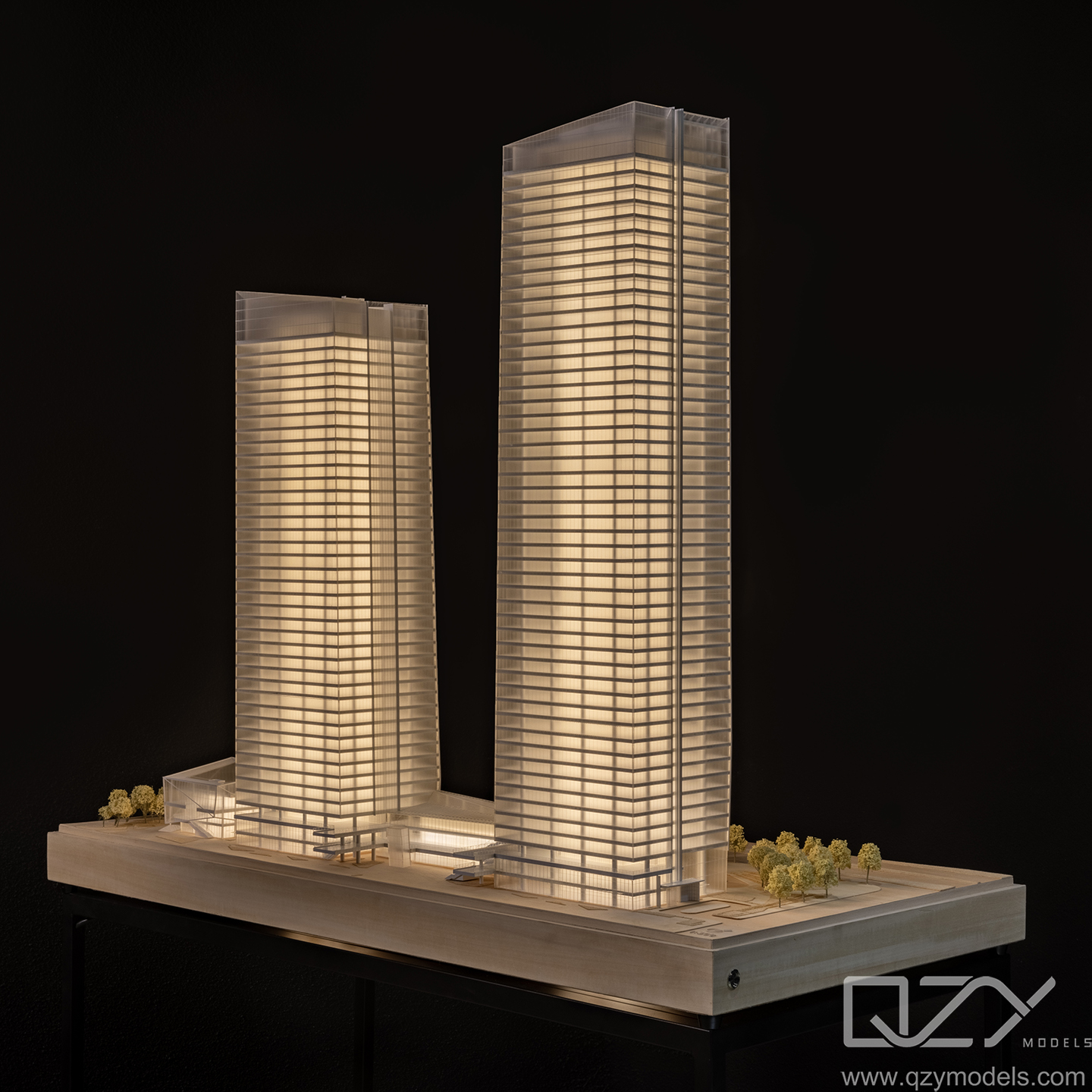
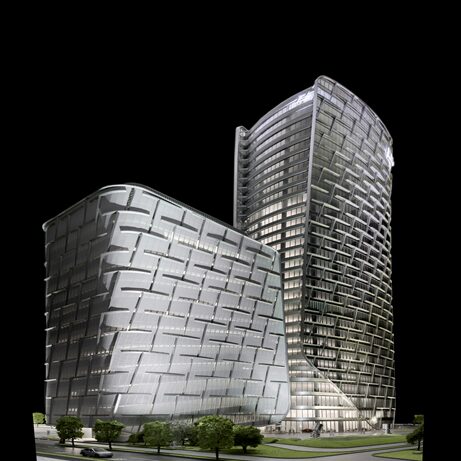
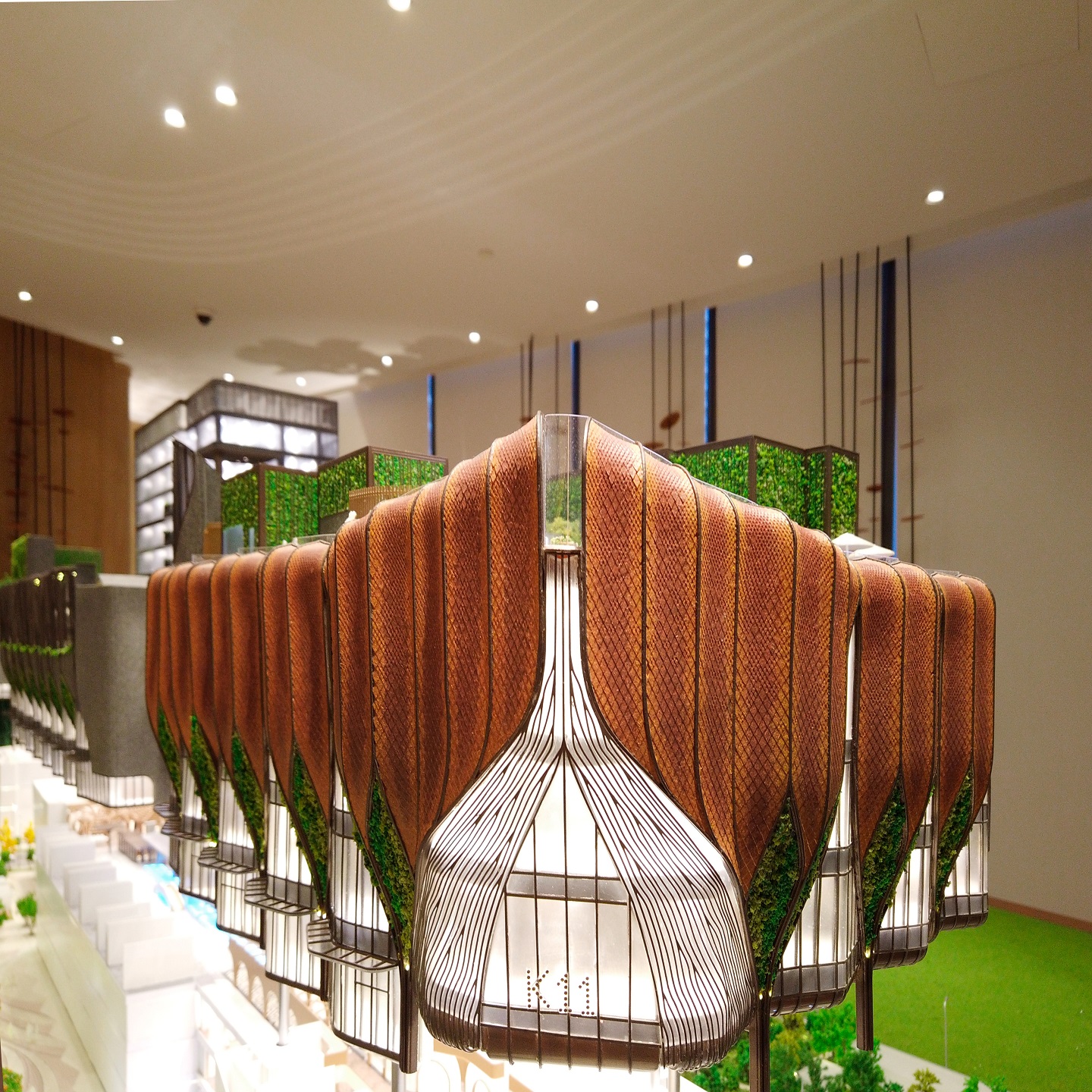
Making a model in Seattle involves selecting appropriate materials, defining scale, and combining traditional craftsmanship with modern technologies such as 3D printing and laser cutting. This process allows architects and designers to produce precise physical representations that communicate design intent effectively while reflecting Seattle’s environmental context and urban landscape.
What Are the Key Steps to Making an Architectural Model?
The key steps include planning the design, selecting an appropriate scale, choosing materials, and fabricating components through cutting, assembly, and layering. The process starts with detailed drawings or digital files, followed by cutting base structures, assembling components, and adding textures and details. In Seattle, models often integrate local environmental features, such as natural topography and sustainable materials, to ensure contextual accuracy.
How Do You Choose Materials for Model Making?
Material selection depends on the model’s purpose and level of detail. Common options include cardboard, chipboard, basswood, acrylic, foam board, and 3D printing resin. Early-stage conceptual models often use cardboard or chipboard for affordability and flexibility, while basswood and acrylic provide durability and precision for presentation models. Sustainable and recycled materials are emphasized in Seattle to align with green building practices.
Which Tools and Techniques Are Used in Making Models?
Model making combines manual tools such as scalpels, rulers, cutting mats, and adhesives with advanced technologies like laser cutters, CNC machines, and 3D printers. Techniques include scoring, layering, folding, and precise assembly to achieve realistic textures and forms. These methods ensure sub-millimeter accuracy, which is essential for complex designs and intricate facades in Seattle’s architectural projects.
Why Is Scale Important in Model Making?
Scale defines the proportional size of the model relative to the actual structure, influencing the level of detail, material costs, and portability. Selecting the right scale ensures that models communicate architectural elements clearly without becoming too large or losing significance. In Seattle, 1:100 or 1:200 scales are commonly used to balance detail and manageability for presentations, client meetings, and planning reviews.
Who Typically Makes Architectural Models in Seattle?
Architectural firms, model-making specialists, design studios, and educational institutions produce models in Seattle. Expert teams like QZY Models collaborate with architects and developers to deliver precise, high-quality models that meet design validation, regulatory, and marketing requirements. Demand is increasing in Seattle due to the city’s emphasis on sustainable, innovative design and urban development.
When Should You Start Making a Model?
Models are ideally started during schematic design, once initial concepts are established but still adaptable. Early models support design exploration, stakeholder communication, and testing of spatial relationships. Detailed models follow for presentations, approvals, and marketing. Beginning early ensures informed decision-making and minimizes costly revisions later in the project.
How Does QZY Models Enhance the Model-Making Process in Seattle?
QZY Models integrates traditional craftsmanship with advanced fabrication technologies, delivering models that are both visually striking and technically accurate. They customize scales and materials to suit Seattle projects, considering context, complexity, and stakeholder needs. Their expertise ensures precise representation, aesthetic quality, and effective communication of architectural vision.
Can Technology Improve Architectural Model Making?
Yes, technologies such as 3D printing, laser cutting, and CAD design significantly enhance speed, precision, and complexity. They allow creation of intricate details and complex geometries that would be challenging manually. In Seattle’s innovative architectural environment, combining digital methods with handcrafting results in high-quality, sustainable models that meet modern design standards.
What Are Common Challenges in Model Making in Seattle?
Challenges include achieving precision while maintaining creativity, handling complex geometries, adhering to sustainability standards, and meeting tight timelines. Seattle’s variable climate and regulatory codes also require careful material selection and contextual considerations. Firms like QZY Models overcome these challenges with expertise, efficient workflows, and adaptive fabrication strategies.
QZY Models Expert Views
“In Seattle’s architectural landscape, creating models requires combining artistic skill with technological precision. At QZY Models, we focus on capturing both the physical form and the essence of the design, reflecting Seattle’s environmental and innovative values. Our models bridge the gap between conceptual design and real-world understanding, fostering collaboration, informed decision-making, and project success.” — Richie Ren, Founder of QZY Models
Conclusion
Making a model in Seattle entails careful material selection, scale planning, and the integration of traditional craftsmanship with advanced technology. Precision, sustainability, and clear communication are critical for successful models. Collaborating with experts like QZY Models ensures high-quality, contextually accurate architectural models that enhance design development, stakeholder engagement, and project delivery in Seattle’s unique urban and environmental context.
FAQs
What materials are best for making architectural models in Seattle?
Cardboard, chipboard, basswood, acrylic, foam board, and 3D printing resin are commonly used, balancing cost, detail, and sustainability.
How long does it take to make a typical architectural model?
Depending on complexity, models can take from a few days to several weeks to complete.
Can QZY Models produce models from digital files?
Yes, QZY Models specializes in transforming CAD and BIM files into precise physical models.
Is technology like laser cutting essential for model making?
While not strictly essential, laser cutting and 3D printing improve accuracy and enable complex designs.
When is the best time to start making a model during a project?
Starting in the schematic design phase allows for early concept validation and informed design decisions.