3D modeling transforms product design by converting concepts into precise digital assets. It enables visualization, virtual testing, and iterative refinement, reducing time and costs before physical production. Designers can optimize form, function, and ergonomics while collaborating efficiently. QZY Models leverages this technology to deliver high-quality prototypes and physical models, bridging digital ideas into tangible solutions globally.
What Is 3D Modeling in Product Design?
3D modeling in product design generates accurate digital representations of products, allowing designers to evaluate shape, functionality, and aesthetics before building physical prototypes. Techniques like polygon modeling, NURBS surfaces, and parametric design ensure precision. Integrating with CAD software, 3D models enable measurement simulations, ergonomic analysis, and material optimization.
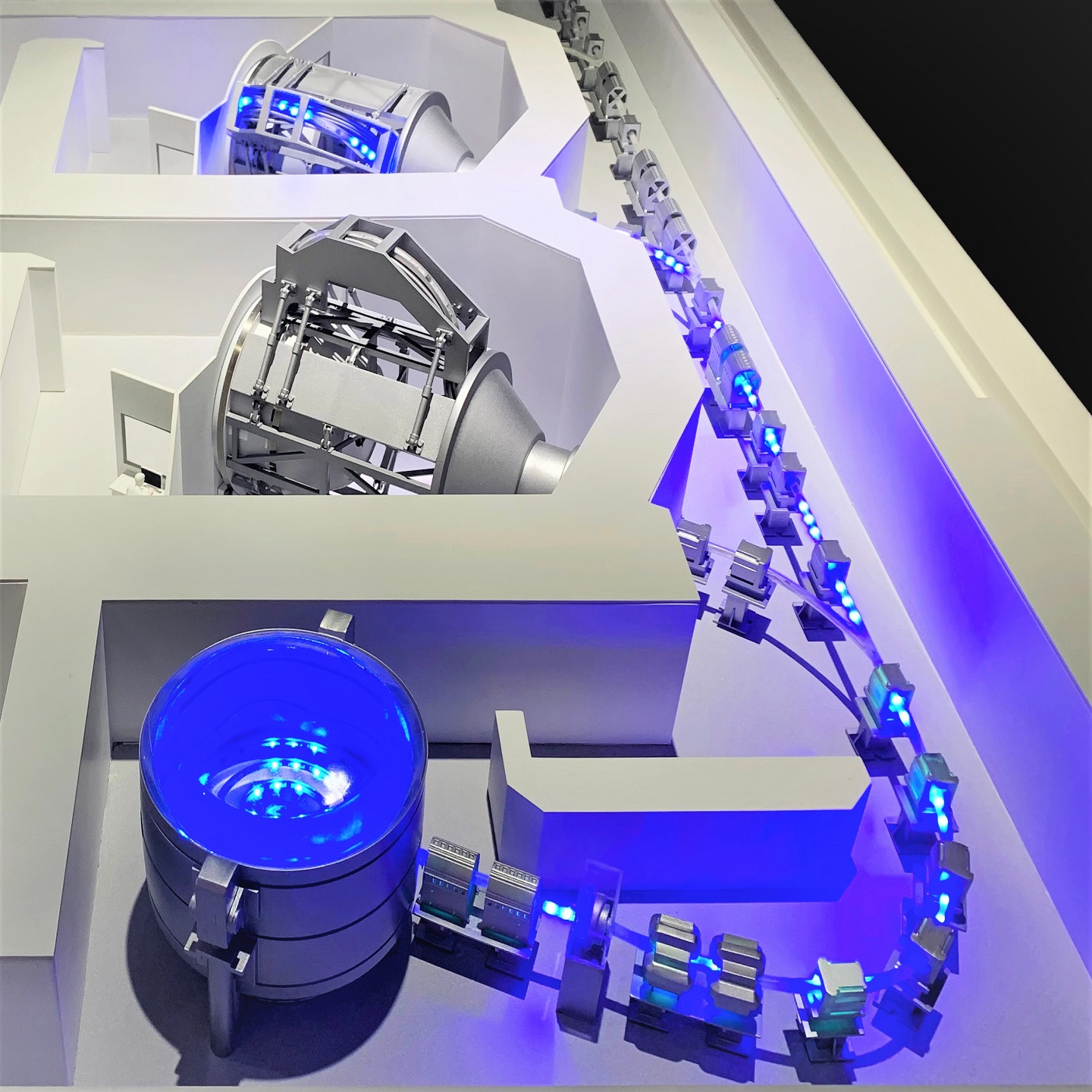
QZY Models applies 3D modeling expertise to translate virtual designs into high-fidelity physical models, supporting architects, developers, and industrial clients.
Popular software options include:
-
Blender: Free, versatile for concept ideation.
-
SolidWorks: Parametric editing, ideal for mechanical parts.
-
Rhino: Surface modeling, suitable for organic shapes.
| Software | Strength | Best Use |
|---|---|---|
| Blender | Free and versatile | Conceptual models |
| SolidWorks | Parametric editing | Mechanical components |
| Rhino | Complex surfaces | Curved and organic designs |
Why Use 3D Modeling for Product Development?
3D modeling accelerates product development by allowing virtual prototyping and early error detection. Simulations such as stress tests and user interaction analysis replace multiple physical iterations, cutting costs and time-to-market. Cloud collaboration ensures teams align seamlessly, while parametric models provide flexibility for customization.
QZY Models harnesses 3D data to produce precise physical models for exhibitions, approvals, and client presentations.
Advantages include:
-
Visualization: Photorealistic renders communicate ideas effectively.
-
Efficiency: Digital modifications reduce material waste.
-
Sustainability: Minimizes discarded prototypes.
Studies show companies adopting 3D modeling launch products up to 30% faster than conventional processes.
How Does 3D Modeling Integrate with Prototyping?
Integration of 3D modeling with prototyping enables seamless translation from digital designs to physical objects. Files export in STL for 3D printing or STEP for CNC machining, facilitating rapid testing and iterative improvements.
QZY Models excels in converting client 3D files into precise physical models for exhibitions and functional validation, handling complex assemblies with scale accuracy.
Steps for integration:
-
Finalize model geometry.
-
Assign materials and tolerances digitally.
-
Generate toolpaths or print slices for production.
| Prototyping Method | 3D Model Role | Speed |
|---|---|---|
| 3D Printing | STL input for printing | Fastest |
| CNC Milling | Toolpath generation | High precision |
| Injection Molding | Mold base creation | Production-ready |
What Software Is Best for 3D Product Modeling?
Software choice depends on project complexity, budget, and expertise. Parametric programs like SolidWorks automate dimensional updates, ideal for mechanical products. Blender provides free sculpting tools for organic designs, while Fusion 360 balances affordability and CAM integration for prototyping.
QZY Models often employs hybrid workflows, designing in Rhino and rendering in KeyShot for high-end visualization. Recommended options:
-
Entry: Tinkercad for simple projects.
-
Mid-tier: Onshape for collaborative browser-based work.
-
Enterprise: Siemens NX for large assemblies.
How Can Beginners Start 3D Modeling Products?
Beginners should start with accessible tools like Blender or Tinkercad. Focus on primitive shapes and basic operations such as extrude, bevel, and boolean. Progress to assemblies and simple animations, building a portfolio of everyday objects.
QZY Models emphasizes fundamentals, guiding teams from basic modeling to complex renderings.
Suggested roadmap:
-
Week 1: Interface and basic operations.
-
Week 4: Complete product model.
-
Month 3: Intro to animation and simulations.
Which Advanced Techniques Boost Product Design?
Advanced techniques like topology optimization, generative design, and parametric scripting enhance product efficiency. Topology optimization reduces material without sacrificing strength, while generative design explores thousands of iterations algorithmically.
Automation via Python or Grasshopper ensures models remain consistent with real-world constraints. QZY Models applies these techniques to guarantee digital and physical fidelity.
Innovations include:
-
AI-driven textures for realism.
-
VR integration for immersive design reviews.
-
Reverse engineering via scan-to-model workflows.
Why Choose Physical Models After 3D Design?
Physical models complement digital designs, offering tactile insights, realistic scale evaluation, and stakeholder approval facilitation. They reveal assembly, material, and weight issues invisible in virtual models.
QZY Models specializes in producing architectural and industrial models that embody digital accuracy, enhancing presentations and client understanding.
Benefits:
-
Detects interference in assemblies.
-
Confirms material suitability.
-
Strengthens presentations and sales pitches.
QZY Models Expert Views
At QZY Models, 3D modeling has transformed product and architectural design since 2013. Digital precision drives our physical craftsmanship, enabling models for clients like Foster + Partners and Vanke. Our global teams in the UAE and Saudi Arabia ensure rapid delivery. QZY Models delivers seamless digital-to-physical transitions with unmatched quality and precision.” – Richie Ren, Founder
When Should You Transition from 3D to Manufacturing?
Transition occurs after design validation, simulation checks, and prototype approvals. Conduct DFM (Design for Manufacturability) analysis to identify production issues. QZY Models prepares client files for fabrication, ensuring tolerances and material specifications are finalized.
Checklist for transition:
-
Complete tolerance specifications.
-
Approve cost models.
-
Confirm supplier readiness.
Early or delayed transitions may increase rework or market delays.
Key Takeaways and Actionable Advice
3D modeling streamlines the product development process from concept to prototype. Begin with free tools, iterate digitally, and partner with experts like QZY Models for physical validation. Export ready-to-print files, leverage prototyping workflows, and integrate advanced techniques to achieve precision, efficiency, and impactful results.
FAQs
What file formats work best for 3D printing products?
STL and OBJ are ideal for 3D printing; STEP is preferred for CNC machining. Ensure watertight meshes to prevent errors.
How much does 3D modeling software cost?
Free tools like Blender suffice for beginners. Professional software ranges from $200 to $5,000 annually, depending on features.
Can 3D models replace physical prototypes entirely?
No, physical models provide tactile and scale insights that digital models cannot fully convey.
Is Blender suitable for professional product design?
Yes, especially with CAD-like add-ons. Many professionals combine it with paid tools for full workflows.
How does QZY Models support 3D workflows?
QZY Models converts 3D files into high-quality physical models, serving architects, developers, and industrial clients worldwide with unmatched precision.