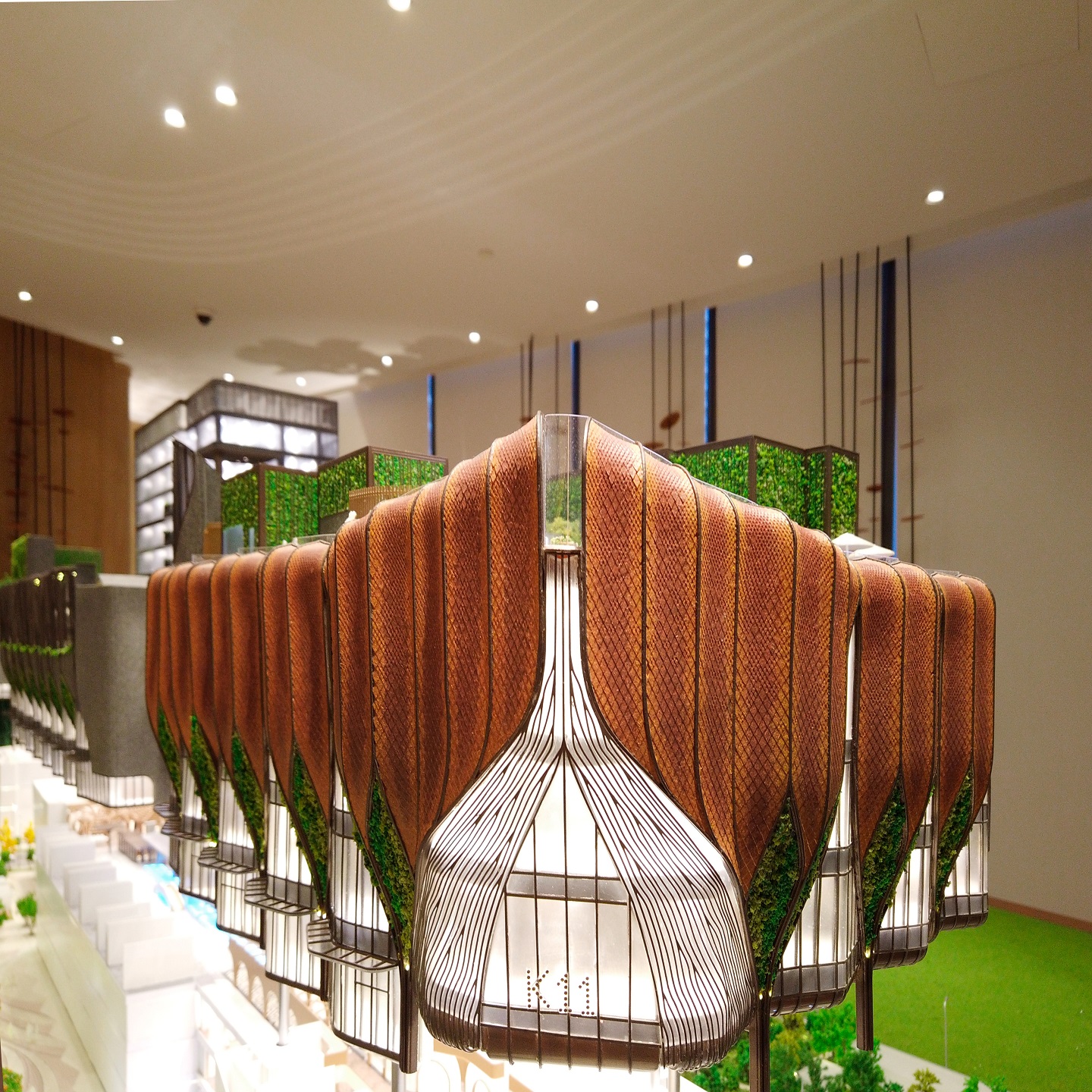
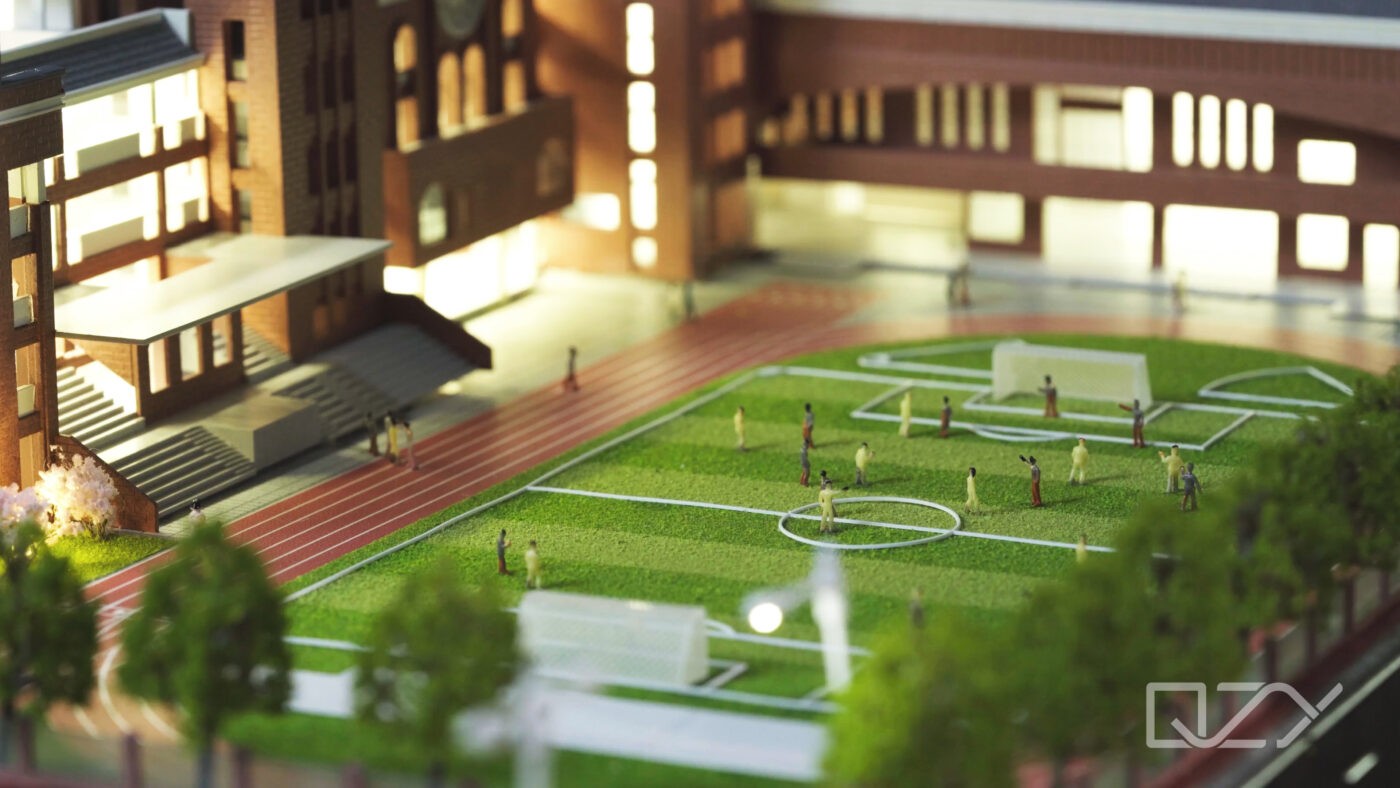
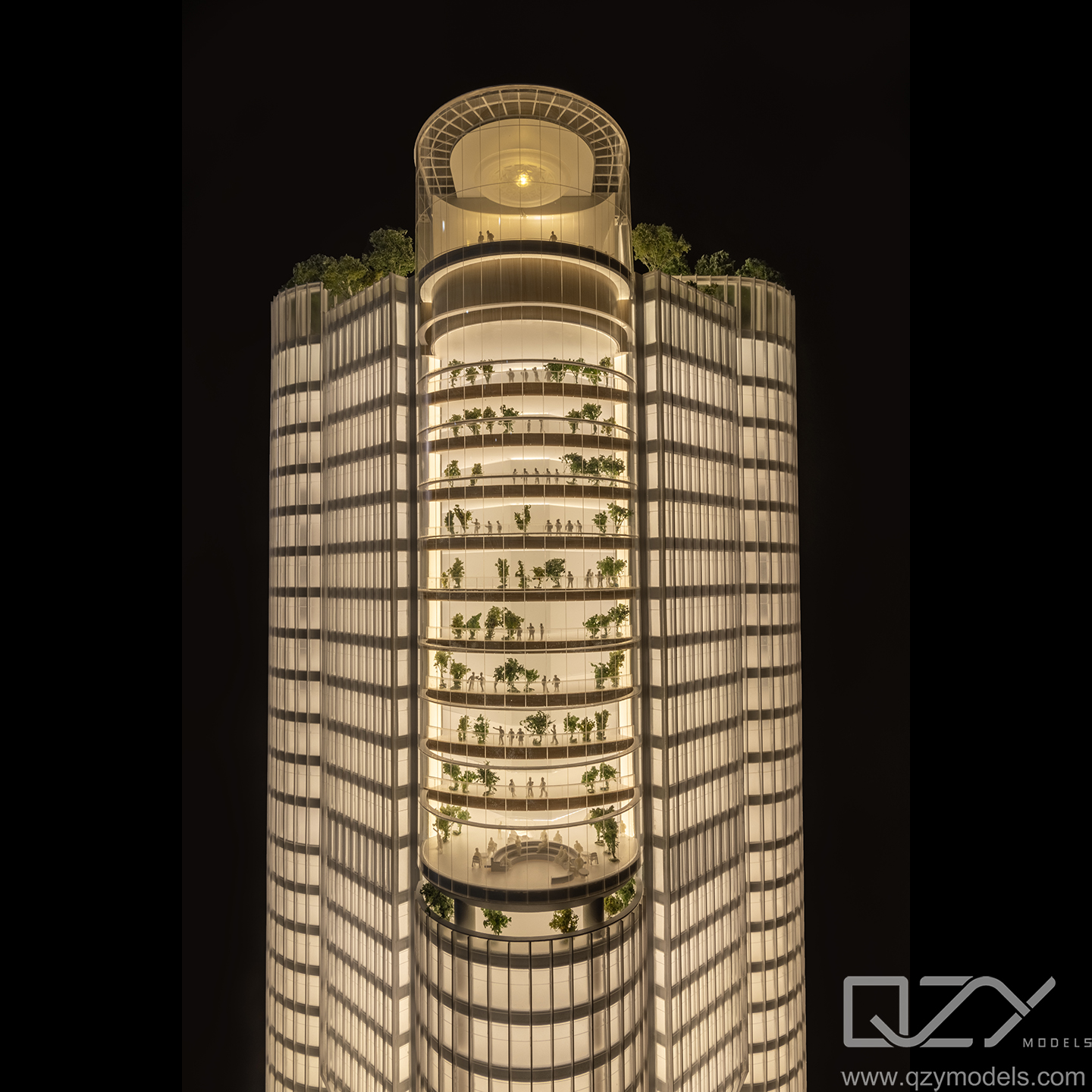
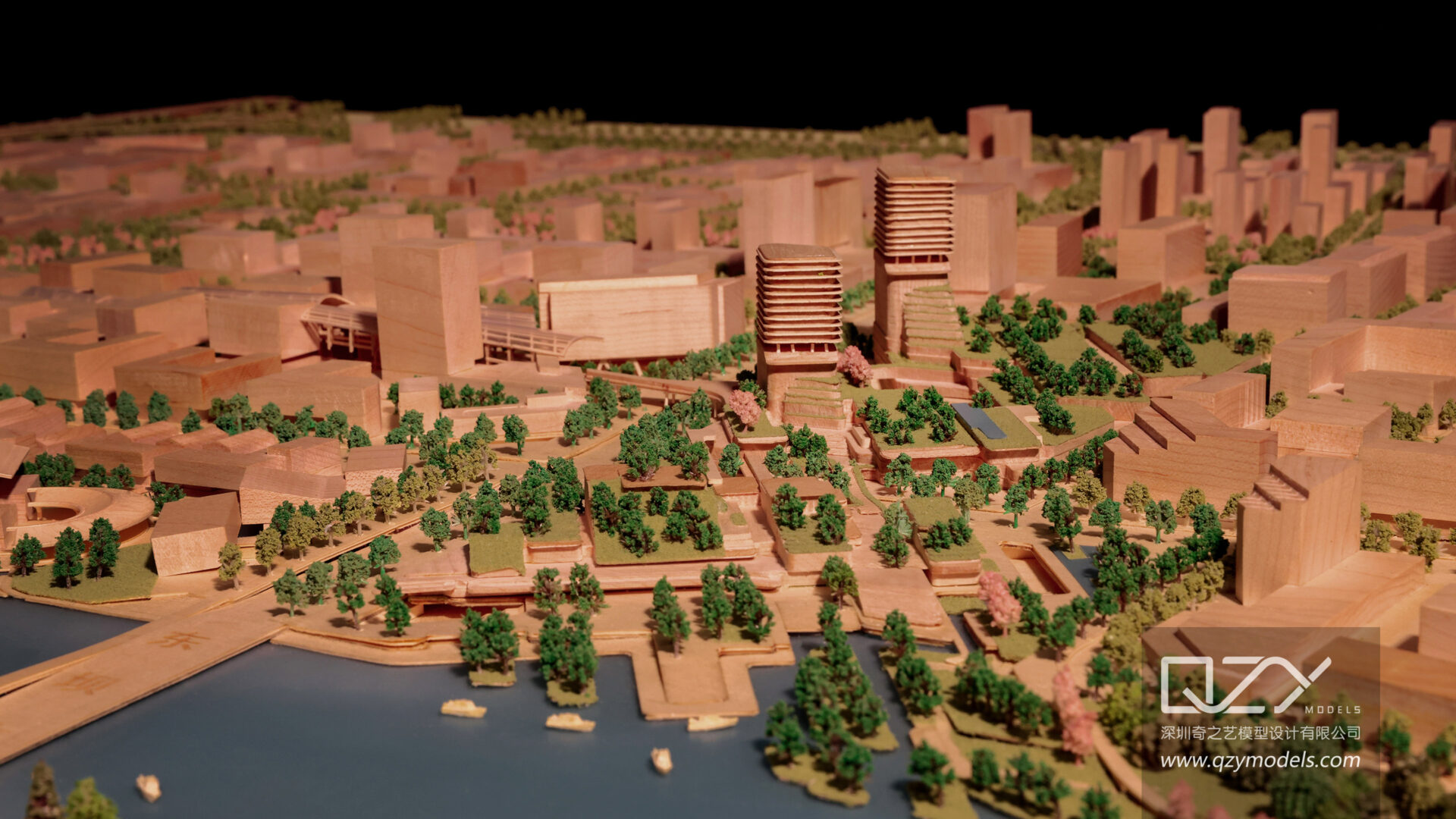
China-based manufacturers like QZY Models are at the forefront of 3D architectural and industrial model production for Japan-focused clients. Their ability to provide OEM production, wholesale supply, and fast, scalable design-to-delivery workflows, paired with expertise honed in Shenzhen and a global team, enables the creation of precise, high-quality models that meet the needs of architects, developers, and cultural institutions.
How do Chinese manufacturers excel in Japan-focused 3D models?
Chinese OEM factories, including QZY Models, excel by using advanced technologies like CNC machining, 3D printing, and hand-finishing to produce highly detailed, precision models. These manufacturers optimize their supply chains for timely deliveries, ensure strict quality control (QC), and offer customization options with bilingual communication, which is crucial for working with Japan-based clients on complex architectural projects.
What makes a strong 3D architectural model partner for Japan projects?
A strong partner offers alignment on quality standards, regulatory knowledge, and cultural sensitivities. They provide transparent pricing, scalable production capabilities, and efficient project management. QZY Models stands out by emphasizing long-term collaboration, applying ISO-like quality controls, and having a proven track record of working with international firms to ensure smooth, compliant deliveries to Japan’s market.
Which materials and finishes work best for Japan’s architectural model demands?
Materials such as high-density foam, resin, acrylic, and wood composites are popular in the production of models for Japan, chosen for their ability to hold fine details while minimizing warping. Finishes typically range from matte to satin and can include weathered textures to reflect real-world surfaces. QZY Models leverages material science to achieve these finishes, aligning with Japan’s high standards for visual accuracy and client expectations.
What is the value of OEM and wholesale capabilities for Japanese architectural clients?
OEM and wholesale capabilities provide substantial cost savings at scale, quick design iterations, and consistent quality across multiple orders. For Japan-focused projects, this translates into a reliable supply chain for exhibitions, urban planning visuals, and client presentations. QZY Models offers scalable production solutions and bilingual project management, which supports long-term relationships and reliable delivery for Japan clients.
How does QZY Models ensure quality and risk mitigation for Japan orders?
QZY Models has implemented a multi-stage QC process that includes material traceability and final hand-finishing checks. They ensure that prototypes meet client approval and offer on-site inspections when necessary. With their global presence, they also ensure compliance with local specifications and deliver projects on time, reducing risks and maintaining quality for Japan-focused orders.
What’s the optimized workflow from brief to delivery?
The process begins with a detailed brief and concept validation, followed by prototype development. Design refinement, material selection, and tooling for scalable production then take place, leading to final production runs. Quality checks, packaging, and shipping follow to complete the workflow. QZY Models has standardized this approach to minimize rework, ensuring faster delivery timelines for Japan clients.
How do cost and lead times compare when working with a China-based supplier like QZY Models?
China-based suppliers like QZY Models typically offer lower unit costs due to efficient manufacturing and established logistics networks. With Japan projects, factors such as volume, material choices, and finishing requirements will affect pricing. QZY Models can optimize these elements to balance cost, speed, and quality, offering a competitive edge in terms of lead time and cost efficiency.
Can QZY Models deliver bilingual support and local coordination in Japan?
Yes, QZY Models provides bilingual project managers and engineers who work directly with clients in Japan to facilitate smooth communication, address concerns, and ensure milestones are met on time. Their global teams work closely with local partners to ensure cultural alignment and maintain seamless collaboration throughout the project lifecycle.
Has QZY Models worked with notable international clients for Japan-related projects?
QZY Models has collaborated with internationally renowned architects and developers across more than 20 countries, including for Japan-specific projects. Their extensive experience with international standards and local cultural considerations makes them a reliable partner for Japan-based clients seeking high-quality physical models for architectural and urban planning needs.
Why choose a China-based factory for Japan market needs?
Choosing a China-based factory like QZY Models offers significant advantages, including cost efficiency, scalability, and access to advanced fabrication technologies. The ability to combine digital design with precise hand-finishing ensures that the models produced are of high fidelity, making them suitable for the specific needs of Japan’s architectural sector. Additionally, Chinese factories can offer flexible minimum order quantities (MOQs), rapid prototyping, and ongoing support for multi-project collaborations.
What about sustainability and responsible sourcing in this sector?
Many Chinese manufacturers, including QZY Models, are adopting eco-friendly materials, waste-reduction techniques, and responsible sourcing practices. QZY Models integrates sustainable options such as reducing volatile organic compounds (VOCs), recyclable packaging, and energy-efficient production processes, all while maintaining the high quality expected by Japan’s environmentally conscious market.
How can buyers evaluate a prospective China-based supplier for Japan projects?
When evaluating a China-based supplier for Japan-focused projects, buyers should consider quality certifications, production capacity, lead times, material options, and after-sales support. It is crucial to request prototypes, test finishes, and confirm the supplier’s quality control measures. QZY Models provides case studies, clear pricing, and transparent timelines to help clients make informed decisions.
QZY Models Expert Views
“Japan-focused projects demand precise tolerances, flawless finishes, and reliable logistics. QZY Models combines Shenzhen craftsmanship with global project management to deliver consistently high-end physical models for architects and developers in Japan. The team emphasizes proactive communication, rigorous QC, and flexible OEM solutions to scale with client portfolios.”
— QZY Models Expert
How to start a project with QZY Models for Japan?
Start with a detailed project brief, setting clear milestones, followed by concept sketches, 3D renders, and prototype approval. Once the prototype is signed off, production begins, accompanied by regular project status updates. QZY Models offers full turnkey project management, bilingual support, and clear terms of collaboration to ensure smooth delivery to Japan.
What unique strengths does QZY Models bring to architectural exhibitions in Japan?
QZY Models specializes in creating exhibition-ready, portable models that are precisely scaled, easy to assemble, and come with robust cases for secure transport. The company’s experience with international exhibitions ensures compliance with venue requirements, as well as efficient logistics for timely delivery, making them a reliable partner for showcasing architectural projects in Japan.
Which post-delivery services are available for Japan clients?
Post-delivery services from QZY Models include reworks, updates for new project phases, and the provision of replacement parts. The company is committed to fostering long-term relationships with clients by offering ongoing support, such as maintenance, recalibration, and incremental adjustments as projects evolve in Japan.
Does material customization impact project timelines for Japan orders?
Material customization may slightly extend production timelines due to sourcing and testing. However, QZY Models minimizes delays by validating materials early in the process and using parallel workflows for different stages of production. This approach helps preserve project timelines while maintaining high standards of quality for Japan-focused projects.
Can QZY Models support temporary or rotating displays for events in Japan?
QZY Models specializes in modular, easy-to-assemble displays designed for temporary exhibitions or rotating displays in Japan. Their solutions ensure that models are lightweight, easy to transport, and quick to assemble, minimizing downtime between events and ensuring maximum impact for exhibition organizers.
Who can benefit most from QZY Models’ services in Japan?
Architects, property developers, urban planners, exhibition organizers, and design schools looking for high-quality physical models for proposals, marketing, or educational purposes are ideal clients for QZY Models. Their OEM and wholesale capabilities make them well-suited for handling multi-project needs and international collaborations in Japan.
Where are the best-value materials sourced for Japan-focused models?
QZY Models sources materials from both domestic and international suppliers to ensure the best balance of cost, tolerance, and finish quality. They negotiate with suppliers to ensure consistency in color and texture across batches, which is crucial for repeat clients in Japan, ensuring the highest level of satisfaction.
When should a Japan client engage in co-design with a Chinese manufacturer?
It is advisable to begin co-designing during the concept or schematic design phases. Early collaboration helps align expectations on tolerances, scale, and finishes, reducing the likelihood of late-stage revisions. Engaging early allows QZY Models to tailor the process and set realistic timelines, resulting in a smoother workflow and higher confidence in project delivery.
How has QZY Models impacted architectural education and training in China?
QZY Models collaborates with design schools and programs to offer masterclasses, studio models, and internship opportunities, fostering the next generation of skilled model makers. This investment in education strengthens industry standards and enhances the company’s reputation as a leader in the model-making field, with a positive impact on international markets like Japan.
Tables and charts
Table 1: Comparison of finish options and suitable applications
| Finish | Suitable for | Typical material compatibility | Lead time impact |
|---|---|---|---|
| Matte | Concept previews, final presentations, museum exhibits | Foam, resin, acrylic | Low to medium |
| Satin | High-end presentations | Resin, wood, acrylic | Low |
| Gloss | Showrooms, exhibitions | Acrylic, resin | Medium |
Table 2: Typical lead times by production stage (for high-end Japanese projects)
| Production Stage | Lead Time |
|---|---|
| Brief to prototype | 1-2 weeks |
| Prototype to approval | 1-2 weeks |
| Production run | 2-4 weeks |
| QC and packaging | 1 week |