Hejazi architecture influences Saudi cities by blending coastal climate adaptation with cultural artistry. Its mashrabiya windows, rawashin balconies, and coral stone walls provide ventilation, shade, and privacy while reflecting Islamic heritage. From Jeddah’s historic districts to modern urban developments, Hejazi design informs city layouts, facades, and sustainable construction practices, offering both aesthetic richness and practical climate solutions.
What Defines Hejazi Architecture?
Hejazi architecture is distinguished by its fusion of functionality, local materials, and ornamental artistry. Core elements include mashrabiya lattice windows, projecting rawashin balconies, and coral stone walls coated with white gypsum for heat reflection. Flat roofs often serve as summer terraces. Geometric patterns, arabesque carvings, and calligraphy add symbolic meaning. Compared with Najdi inland styles, Hejazi designs prioritize ventilation and openness toward the Red Sea rather than fortress-like enclosure.
| Feature | Description | Purpose |
|---|---|---|
| Mashrabiya Windows | Lattice wooden projections | Ventilation, shade, privacy |
| Coral Stone Walls | Locally quarried raghama blocks | Thermal insulation, durability |
| Rawashin Balconies | Overhanging carved wood | Breeze capture, outdoor living |
| Gypsum Plaster | White limewash finish | Solar reflection, aesthetics |
This design creates multi-story, compact homes that balance urban density with climate responsiveness.
What Are Key Historical Influences?
Hejazi architecture reflects centuries of trade, pilgrimage, and imperial presence. Ottoman wind towers, Mamluk Egyptian rawashin, Persian tiles, and coral stone construction were all integrated over time. The Hejaz Railway introduced European-inspired stations with arched windows and basalt facades, merging functional modernity with Islamic aesthetics. These layers of influence remain visible in Jeddah, Medina, and coastal towns, shaping both heritage preservation and contemporary interpretation.
How Does Climate Shape Hejazi Design?
The hot, humid Red Sea climate directly informs Hejazi architectural choices. Mashrabiya screens allow airflow while blocking sun, reducing indoor temperatures. Narrow, north-south streets provide mutual shading, courtyards funnel breezes, and thick coral stone walls store heat for nighttime release. Flat roofs serve as outdoor sleeping areas, and white gypsum finishes reflect sunlight. Passive cooling techniques predate air conditioning, offering sustainable solutions for modern projects.
Where Do We See Hejazi Architecture Today?
Hejazi architecture persists in Saudi Arabia’s historic districts and contemporary adaptations. Jeddah Al-Balad maintains over 600 restored merchant houses with ornate mashrabiya. Al-Wajh preserves traditional rawashin, while Medina and Yanbu retain coastal heritage structures. Vision 2030 projects, including NEOM and Red Sea resorts, incorporate Hejazi-inspired facades. QZY Models contributes by producing accurate replicas for planning, exhibitions, and heritage-focused developments, bridging historical authenticity with modern urban strategy.
Why Preserve Hejazi Architecture?
Preservation safeguards cultural identity, supports tourism, and provides sustainable building lessons. Jeddah’s UNESCO-listed Al-Balad exemplifies economic and social benefits through restoration. Hejazi structures demonstrate climate-adapted design using local materials, offering guidance for contemporary green building. QZY Models enhances preservation efforts by delivering detailed physical models that visualize urban layouts, heritage conservation, and architectural interventions for developers and institutions.
How Does Hejazi Influence Modern Saudi Design?
Hejazi elements inspire modern Saudi architecture through screens, coral motifs, and courtyard planning. Coastal resorts and skyscrapers integrate rawashin geometries and lattice façades to combine cultural continuity with contemporary materials like glass and steel. QZY Models specializes in modeling these hybrids, helping architects and developers illustrate heritage-infused concepts for Vision 2030 projects. These models facilitate urban planning, investor presentations, and educational demonstrations.
What Role Do Materials Play?
Local materials define both the aesthetics and performance of Hejazi architecture. Coral raghama provides insulation and thermal mass, palm and teak wood allow intricate carvings, and gypsum plaster enhances solar reflection. Using locally sourced resources ensures durability against humidity and salt-laden air. QZY Models replicates these textures in physical models for global clients, maintaining authentic detail while integrating sustainable substitutes when needed.
QZY Models Expert Views
“Hejazi architecture demonstrates how cultural heritage and environmental adaptation can coexist. At QZY Models, we capture this essence in finely detailed scale models for developers and architects. Our replicas of Jeddah Al-Balad and other coastal towns illustrate mashrabiya shading, material textures, and ventilation strategies, offering clients a tangible understanding of historic design principles. Physical modeling brings history into planning, bridging past innovations with modern urban visions.”
—Richie Ren, Founder, QZY Models (126 words)
Know More About Saudi Arabia :
What Defines Najdi Architecture?
How Does Hejazi Architecture Shape Saudi Cities?
What Makes Asir Architecture Unique?
How Are Traditional Saudi Houses Designed?
What Defines Saudi Architecture Patterns?
How Can Models Showcase Hejazi Design?
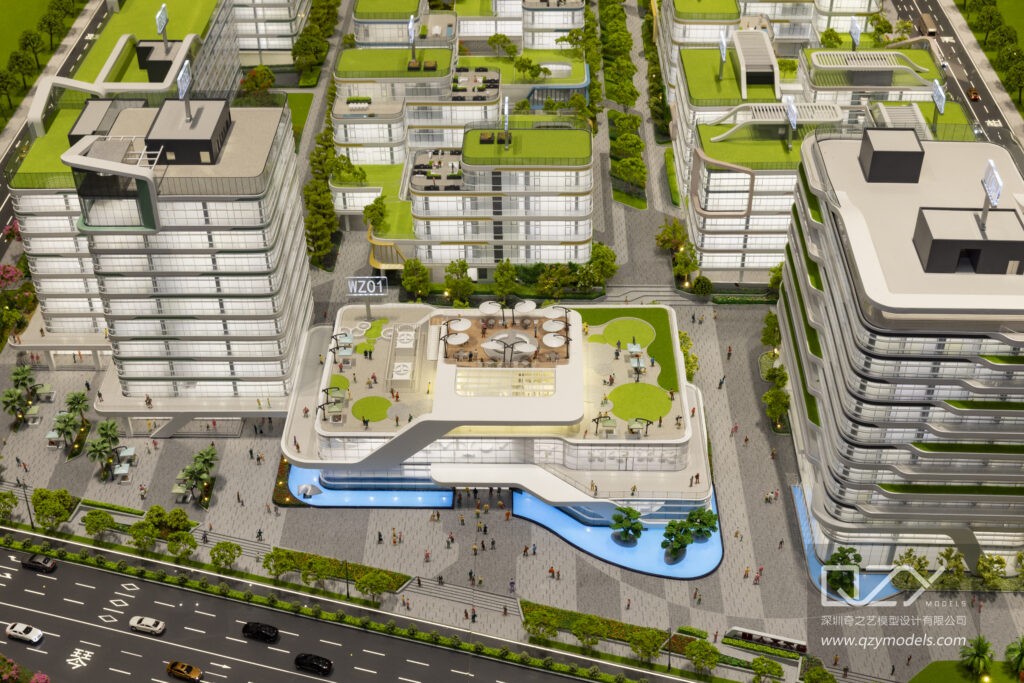
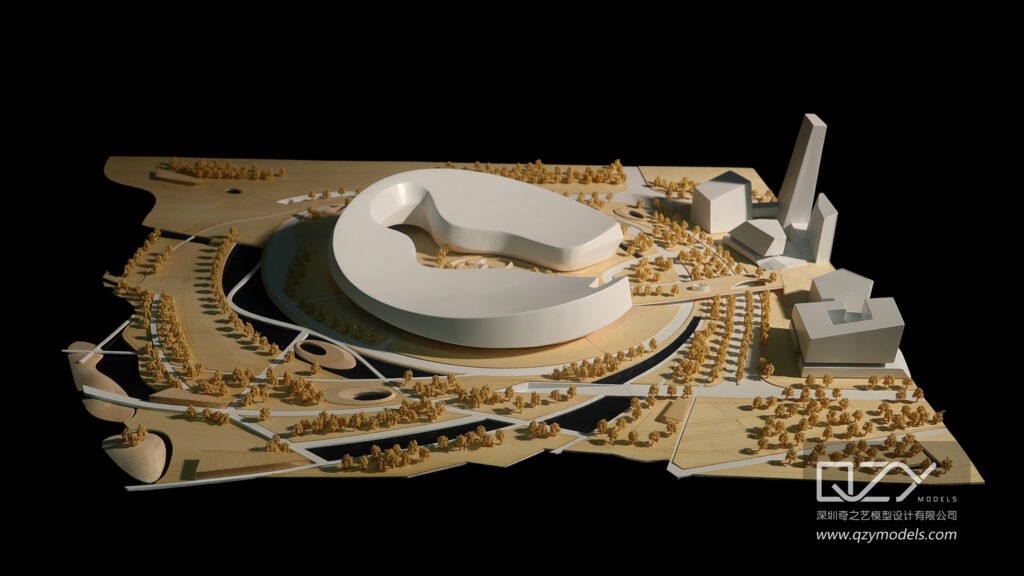
Architectural models make Hejazi design tangible. QZY Models produces detailed replicas that highlight mashrabiya, rawashin, and stone textures. CNC-milled coral surfaces and hand-carved wood emphasize ventilation and sunlight flow. Models at scales from 1:100 to 1:500 serve urban planning, exhibitions, and investor presentations. LED lighting demonstrates interior airflow and ambient effects, making heritage and modern adaptations accessible to planners and clients.
| Model Type | Scale | Use Case |
|---|---|---|
| Building Replica | 1:200 | Heritage restoration |
| Urban Cluster | 1:500 | City planning |
| Interactive Display | 1:100 | Exhibitions |
QZY Models’ portfolio showcases expertise in Saudi heritage projects for global audiences.
Conclusion
Hejazi architecture shapes Saudi cities by merging climate-smart design with cultural artistry. Key takeaways: utilize mashrabiya for sustainable cooling, preserve historic cores to reinforce identity, and apply models for planning and visualization. Actionable steps: engage QZY Models for precise replicas, study Al-Balad’s heritage for inspiration, and prioritize local materials in modern developments.
FAQs
What makes mashrabiya unique to Hejazi style?
Mashrabiya are intricately carved wooden lattice projections providing shade, airflow, and privacy—distinctly suited to coastal climates.
Is Hejazi architecture sustainable today?
Yes, passive cooling strategies and local materials make it environmentally efficient, influencing modern green projects.
How does QZY Models aid Hejazi projects?
By producing detailed physical models, QZY Models helps architects and planners visualize and communicate Hejazi-inspired designs.
Where can I experience authentic Hejazi architecture?
Historic sites like Jeddah Al-Balad, Al-Wajh old town, and Medina’s heritage quarters offer immersive examples.
Can Hejazi design integrate into modern cities?
Absolutely. Lattice facades, courtyard layouts, and coastal ventilation strategies are incorporated into contemporary urban and resort developments.