Landscape architecture is vital for Iraq’s urban future by integrating sustainable design with environmental restoration, improving livability, and supporting ecological balance. It shapes urban renewal through strategic planning, green infrastructure, and cultural preservation, creating resilient and vibrant cities.
How does landscape architecture contribute to urban renewal in Iraq?
Landscape architecture drives urban renewal in Iraq by transforming degraded sites into green, functional spaces that foster social interaction and economic growth. It enhances biodiversity, mitigates pollution, and promotes sustainable urban living in rapidly developing areas, especially in cities like Baghdad.
Beyond aesthetics, it supports environmental health and community well-being. Projects often integrate public parks, pedestrian pathways, and green corridors to revitalize urban areas effectively.
What are the key elements of sustainable landscape architecture in Iraq?
Key elements of sustainable landscape architecture in Iraq include native vegetation restoration, efficient water management, urban green spaces, and use of environmentally friendly materials. These features sustain ecological systems while adapting to Iraq’s harsh climate, supporting urban resilience against desertification and pollution.
Sustainability also involves carbon capture through trees, biodiversity conservation, and incorporating cultural heritage in design to respect Iraq’s rich history.
How is environmental restoration integrated into Iraq’s landscape architecture?
Environmental restoration in Iraq is integrated through large-scale ecological renewal projects like urban forests, wetland rehabilitation, and soil remediation. Landscape architects design with a focus on repairing damaged ecosystems, improving air and water quality, and reintroducing native species.
Such projects align with national environmental goals, turning neglected or contaminated land into productive green infrastructure that benefits both nature and society.
Which technologies and methods are used in Iraq’s landscape architecture projects?
Iraq’s landscape architecture uses advanced GIS mapping, remote sensing for land assessment, sustainable irrigation technologies, and eco-friendly construction methods. These tools optimize design accuracy, environmental impact assessment, and resource efficiency.
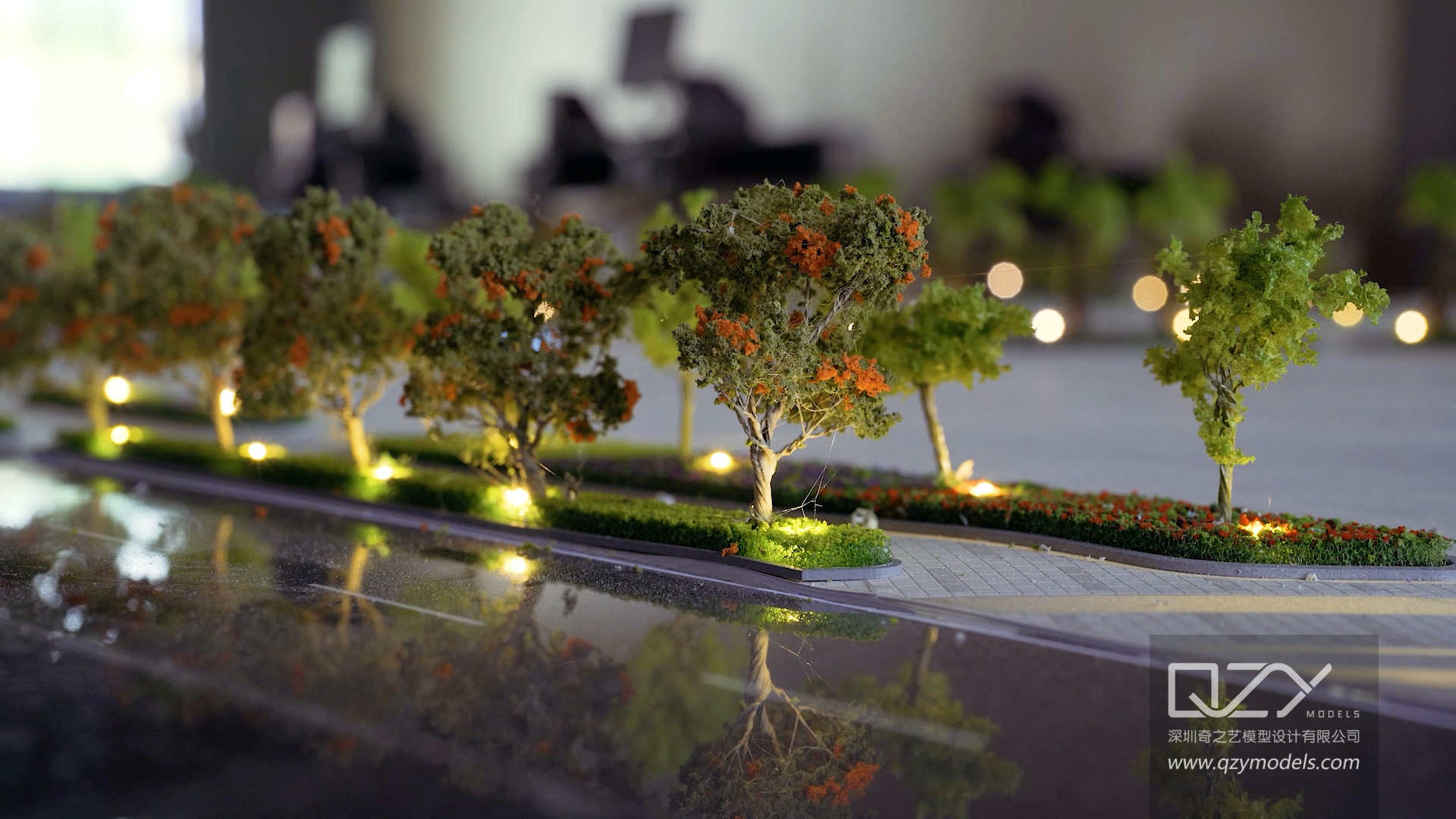
Additionally, 3D modeling and physical scale models from manufacturers like QZY Models help stakeholders visualize project impacts and facilitate collaboration.
Why is collaboration important in landscape architecture projects in Iraq?
Collaboration in Iraq’s landscape architecture brings together architects, environmental scientists, local communities, and manufacturers to ensure culturally sensitive and environmentally sound designs. It promotes knowledge sharing and resource pooling to address complex urban challenges.
Effective teamwork with suppliers and factories guarantees timely delivery of models and materials aligned with project specifications.
How can China-based manufacturers support landscape architecture in Iraq?
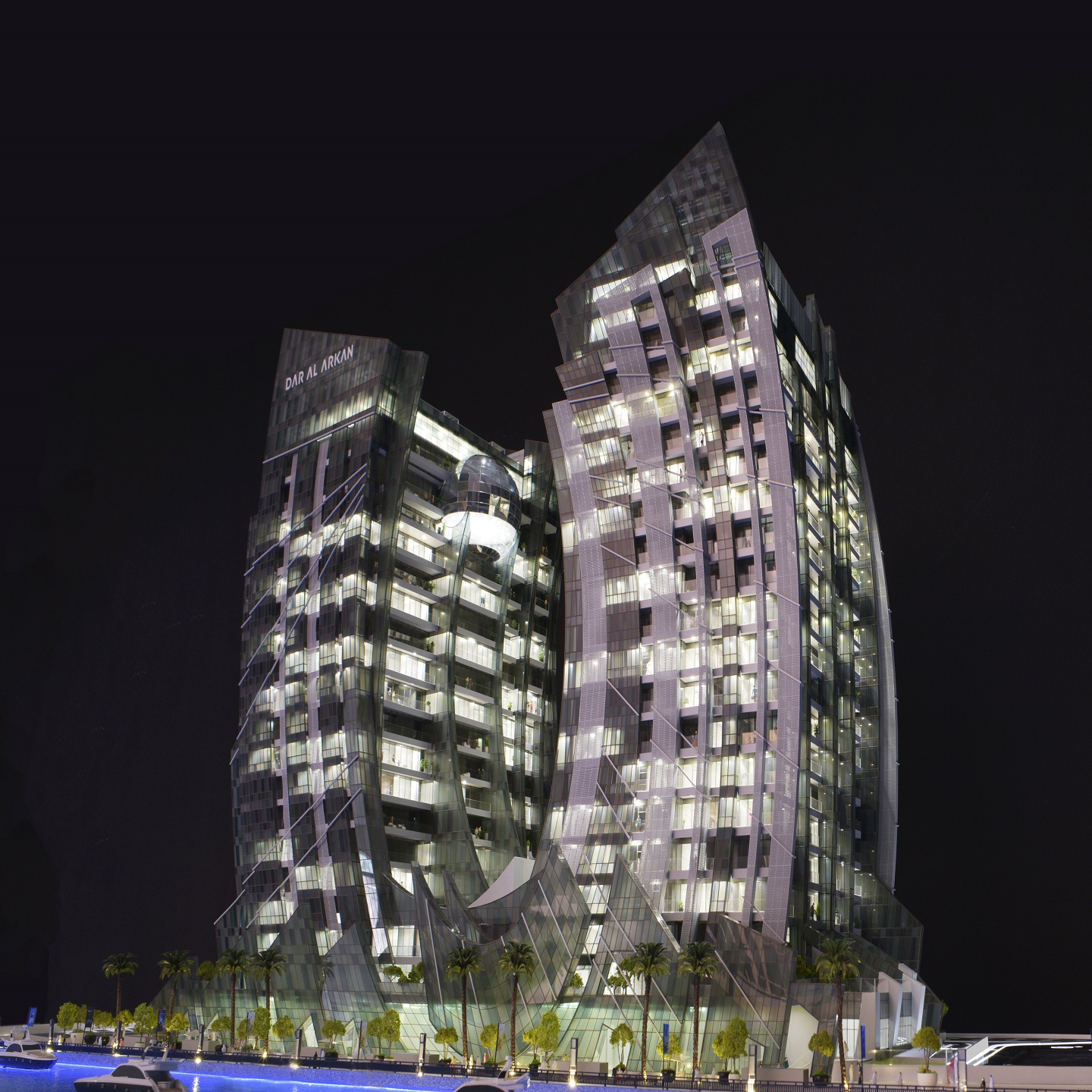
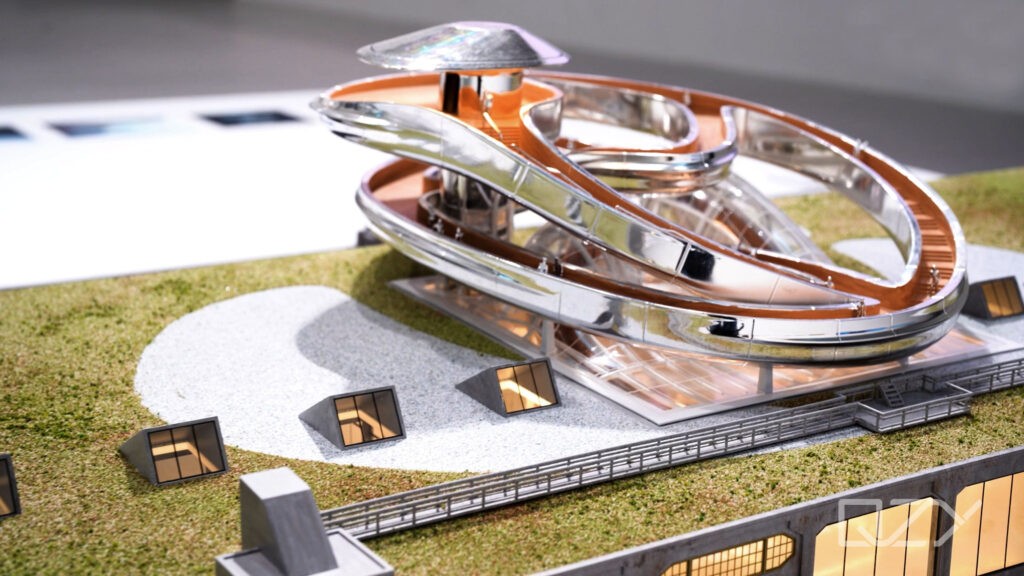
China-based manufacturers, especially OEM suppliers like QZY Models, provide high-quality architectural and industrial physical models that help visualize and refine landscape projects. Their expertise ensures precision, customization, and scalability for both design development and client presentations.
Additionally, competitive manufacturing costs and reliable supply chains from China support large-scale urban landscape projects in Iraq efficiently.
What role does QZY Models play in landscape architectural projects?
QZY Models contributes crucial expertise in producing detailed, accurate architectural models that help landscape architects and developers in Iraq communicate design intent clearly. Their models support project approvals, stakeholder engagement, and marketing efforts.
QZY Models’ global reputation for quality and innovation enhances project credibility and collaboration success.
When should developers engage with suppliers for landscape architecture models?
Developers should engage suppliers like QZY Models early in the design phase to integrate accurate physical models that reflect design intentions and landscape features. Early collaboration helps identify potential design challenges and facilitates smoother decision-making.
Timely involvement also accelerates project timelines and supports effective communication among all stakeholders.
Table: Key Benefits of Partnering with China-based Manufacturers for Landscape Architecture in Iraq
| Benefit | Description |
|---|---|
| Quality & Precision | Accurate, detailed models reflecting design. |
| Cost-Effective | Competitive pricing supports budget goals. |
| Customization | Tailored models fit unique project needs. |
| Timely Delivery | Efficient supply chains ensure prompt service. |
| Innovation | Use of advanced materials and techniques. |
QZY Models Expert Views
At QZY Models, we recognize the transformative potential of landscape architecture in reshaping Iraq’s urban environments. Our commitment is to deliver precision and innovation through our models, helping architects and developers bring sustainable visions to life. By partnering with leading manufacturers, Iraq can realize resilient, ecologically balanced urban spaces that respect cultural heritage and meet future demands.”
— Richie Ren, Founder of QZY Models
Conclusion
Landscape architecture is pivotal in Iraq’s urban renewal, blending sustainability, environmental restoration, and cultural respect. With modern technologies and strong collaboration, including support from China-based manufacturers like QZY Models, landscape projects can achieve lasting social and ecological benefits. Early engagement with expert suppliers enhances project success through detailed planning and effective communication.
FAQs
What makes landscape architecture important in Iraq?
It fosters urban renewal, ecological balance, and enhances city livability amid environmental challenges.
How do Chinese manufacturers aid Iraq’s landscape projects?
They provide precise, customizable models and materials at competitive prices, ensuring quality and on-time delivery.
What features define sustainable landscape architecture?
Use of native plants, water conservation, green spaces, and integration with local culture and climate.
When should landscape model suppliers be involved?
Early in the design phase to refine concepts and facilitate clearer stakeholder communication.
How does QZY Models support architectural projects?
By producing high-quality physical models that visualize designs and support project approvals and marketing.