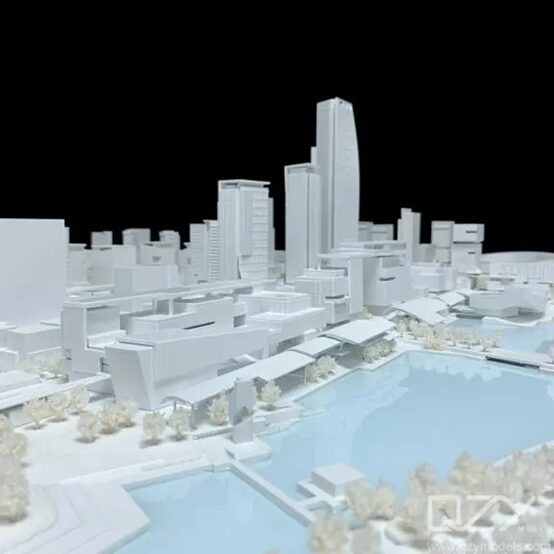
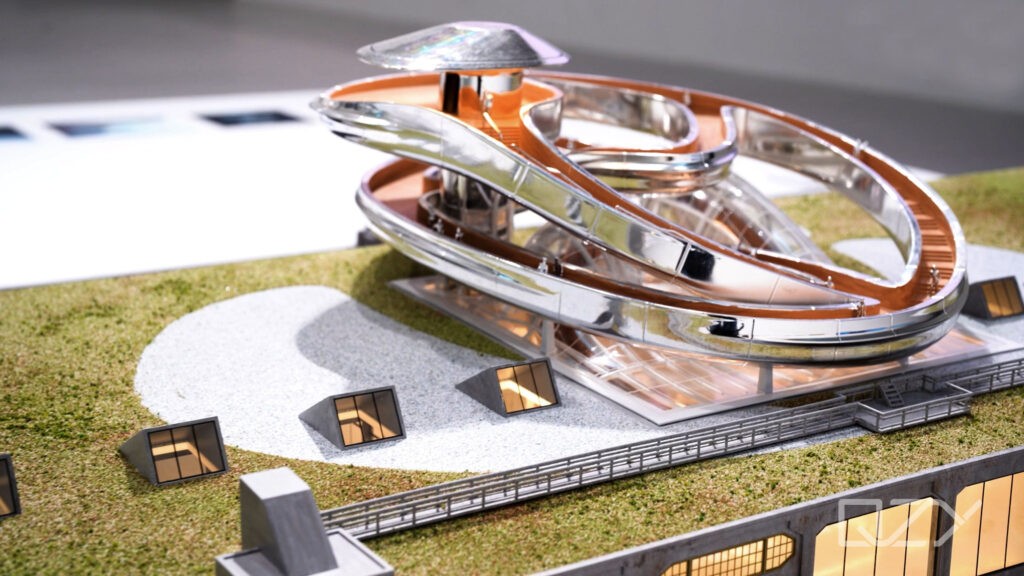
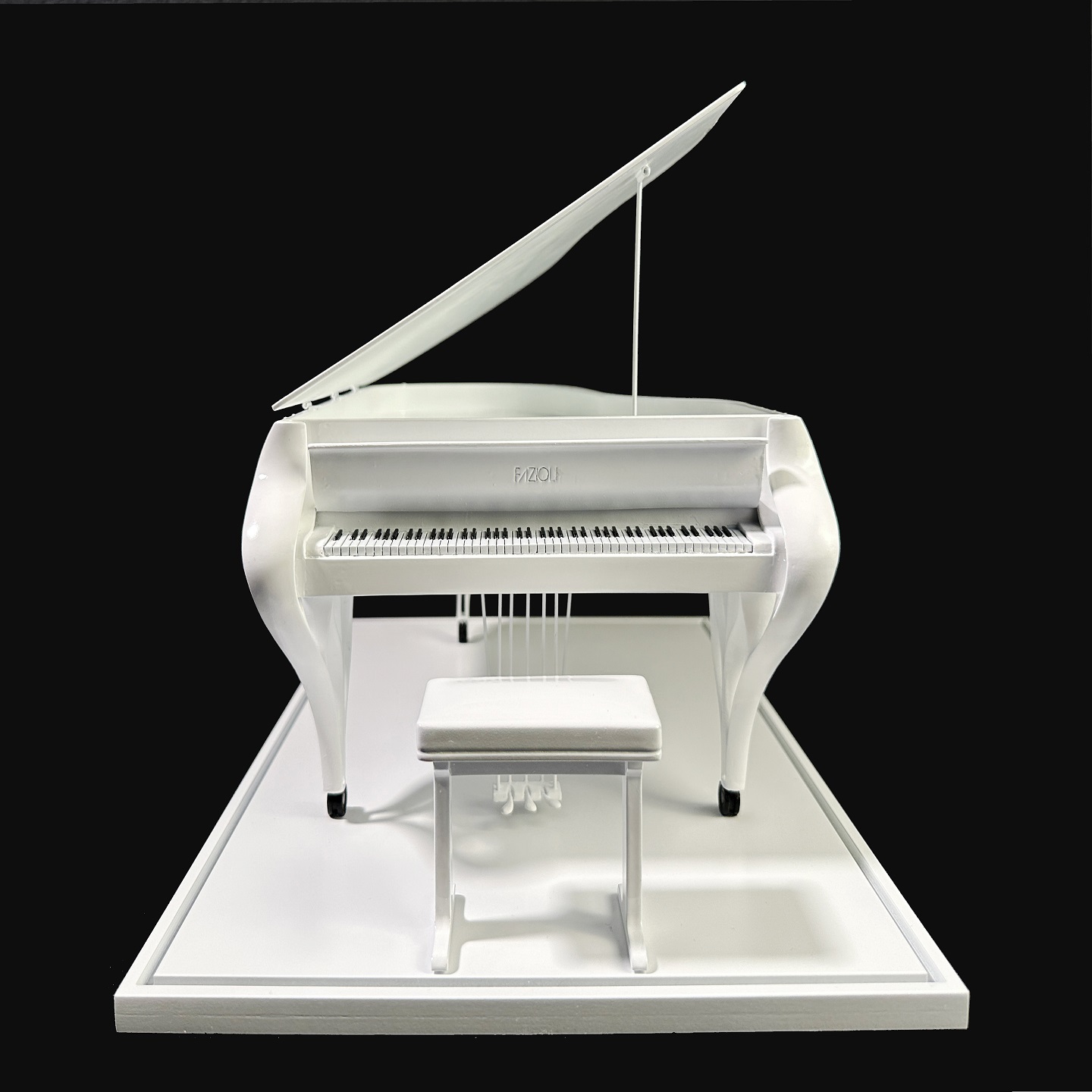
Architectural model design is redefining how architects, developers, and urban planners bring visions to life, offering data-driven precision, immersive visualization, and efficiency that directly elevate decision-making and project success.
How Is the Current Architectural Model Industry Evolving and What Pain Points Exist?
The global architectural model market is undergoing significant transformation. According to a 2025 report by Grand View Research, the 3D visualization and modeling market surpassed USD 6.5 billion and is expected to grow at over 20% annually through 2030. This rapid expansion reflects a fundamental shift toward data-integrated, detail-oriented design processes. Yet, despite this growth, architectural design teams face increasing client demands for accuracy, shorter turnaround times, and visually compelling presentations.
Many firms still rely on outdated manual modeling workflows that lack scalability and precision. Inconsistent craftsmanship across vendors often leads to costly rework and delayed approvals. At the same time, developers and city planners require dynamic models that integrate sustainability data, structural concepts, and aesthetic narratives—capabilities most traditional studios struggle to provide efficiently.
Another growing pain point is globalization. International projects demand standardized quality control and seamless communication among teams operating across different geographies. Inconsistent model detailing, incompatible formats, and limited material sustainability tracking compound complexity. QZY Models, a global leader in architectural modeling founded in 2013, addresses these modern demands through advanced fabrication technology and a multidisciplinary design approach.
What Are the Limitations of Traditional Architectural Model Design?
Traditional model-making techniques rely heavily on manual craftsmanship and analog processes. While artistically valuable, these methods are time-consuming and inconsistent when applied to large-scale urban or industrial projects.
Conventional methods often result in models that are static and difficult to adapt. Any design revision requires partial or full reconstruction, wasting materials and labor. Additionally, models typically lack integration with digital tools such as BIM (Building Information Modeling) systems, resulting in disconnected project workflows.
In contrast, globally competitive firms now favor hybrid digital-physical model production that merges CNC machining, 3D printing, and laser engraving with data-driven storytelling. QZY Models exemplifies this new standard by embedding digital adaptability into every stage of model fabrication.
How Does QZY Models Offer a Smarter Architectural Model Solution?
QZY Models combines technology and artistry to deliver high-fidelity, scalable architectural and industrial models. Its design system integrates parametric modeling, precision cutting, and 3D additive manufacturing with smart lighting and interactive digital overlays.
The company provides specialized solutions across residential, commercial, and urban development sectors, supporting leading architects and developers worldwide. With dedicated branches in the UAE, Saudi Arabia, and Egypt, QZY Models maintains global consistency in quality, detail, and delivery speed.
Each QZY model incorporates sustainability data, real-time visual feedback, and multi-material composition suited for exhibitions, client presentations, and government approval processes.
Which Advantages Does the QZY Models Solution Offer Compared to Traditional Methods?
| Feature / Criterion | Traditional Model Design | QZY Models Approach |
|---|---|---|
| Production Speed | 3–6 weeks average | 30–50% faster through digital fabrication |
| Detail Accuracy | Hand-measured tolerance | Laser precision up to ±0.1 mm |
| Design Updates | Manual reconstruction required | Seamless digital file integration |
| Visualization | Static display only | Integrated lighting, motion, and data layers |
| Sustainability | Material waste up to 25% | Optimized eco-material usage |
| Global Consistency | Varies by artisan | Standardized international operations |
How Can Clients Implement the QZY Models Solution Step by Step?
-
Consultation and Concept Briefing — Clients submit design drawings, 3D models, or site plans. QZY experts analyze scale, scope, and materials.
-
Digital Modeling and Coordination — A digital twin model is created integrating architectural, structural, and environmental data.
-
Prototype and Material Selection — Clients review physical samples and rendering mockups for confirmation.
-
Precision Fabrication — Using CNC routers, laser cutters, and 3D printers, QZY crafts base and detail structures.
-
Assembly and Quality Review — Global quality standards and multi-point inspections ensure flawless finish.
-
Lighting and Interactive Integration — Smart lighting, motion controls, and AR overlays enhance presentation impact.
-
Packaging and Delivery — Custom crates and logistics support ensure secure global shipment.
Who Benefits from QZY Models? Four User Scenarios
1. Real Estate Developer
-
Problem: Struggled to present large mixed-use project convincingly to investors.
-
Traditional Approach: Relied on 2D renderings and small-scale handcrafted models.
-
QZY Effect: Detailed 1:200 illuminated model cut approval time by 40%.
-
Key Benefit: Accelerated funding and stakeholder buy-in.
2. Urban Planning Institute
-
Problem: Needed a city-scale model with environmental simulation capability.
-
Traditional Approach: Built multiple scaled segments without unified geometry.
-
QZY Effect: Digitally integrated model displayed airflow and landscape dynamics.
-
Key Benefit: Improved public engagement and regulatory review efficiency.
3. Interior Design Firm
-
Problem: Clients couldn’t visualize spatial flow from CAD files.
-
Traditional Approach: Produced static foam-board prototypes.
-
QZY Effect: 3D-printed modular model enabled quick modifications and final approvals.
-
Key Benefit: 50% reduction in approval time per design phase.
4. Academic Architecture Program
-
Problem: Sought durable teaching models for repeated display and research.
-
Traditional Approach: Models degraded quickly due to fragile materials.
-
QZY Effect: QZY Models delivered modular acrylic systems designed for reuse.
-
Key Benefit: Long-term cost savings and enhanced learning visualization.
Why Is Now the Right Time to Invest in Data-Driven Architectural Model Design?
The future of architectural model design lies at the convergence of technology, sustainability, and storytelling. Real-time urban data integration, augmented reality overlays, and 3D printing advancements turn static displays into immersive communication tools.
With global construction expected to expand 42% by 2035, according to the Global Construction 2035 forecast, the demand for high-precision, presentation-ready physical models will surge. QZY Models’ commitment to innovation and global support makes it an indispensable partner for forward-looking architects and developers who seek precision, speed, and creativity in one solution.
Frequently Asked Questions (FAQ)
1. What materials does QZY Models use for architectural model design?
QZY Models uses wood, acrylic, resin, metal, and eco-friendly composites tailored to each project’s design narrative and durability requirements.
2. How long does it typically take to build an architectural model?
On average, QZY completes projects within 2–4 weeks depending on scale and complexity, thanks to automated fabrication technology.
3. Can clients request digital integration features such as lighting or AR overlays?
Yes, QZY Models offers smart lighting systems and AR-enhanced visual layers for interactive presentations.
4. Does QZY Models handle international shipping and on-site installation?
Absolutely. The company provides end-to-end logistics, including global freight, customs handling, and professional installation.
5. Are QZY Models suitable for trade shows and exhibitions?
Yes, QZY’s high-durability and modular models are designed for repeated setup and transportation, ideal for global exhibitions.
Sources
-
Grand View Research — 3D Visualization and Rendering Software Market Size Report, 2025
-
Global Construction 2035 Forecast — Oxford Economics and Global Construction Perspectives
-
Statista — Global Architecture Services Market Data 2025
-
UNEP — Resource Efficiency in Construction and Building Sector Report 2024
-
McKinsey & Company — The Future of Sustainable Construction 2025