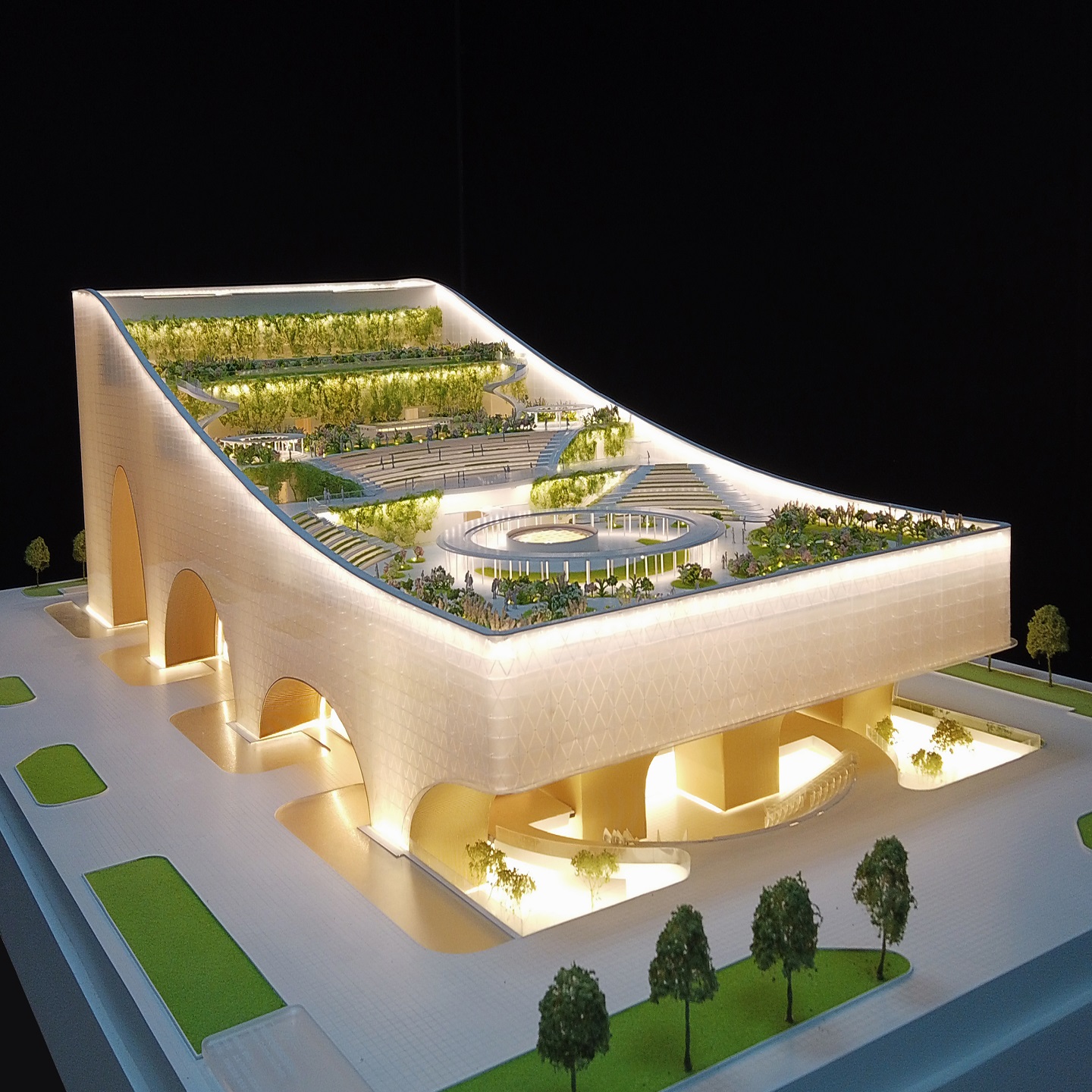
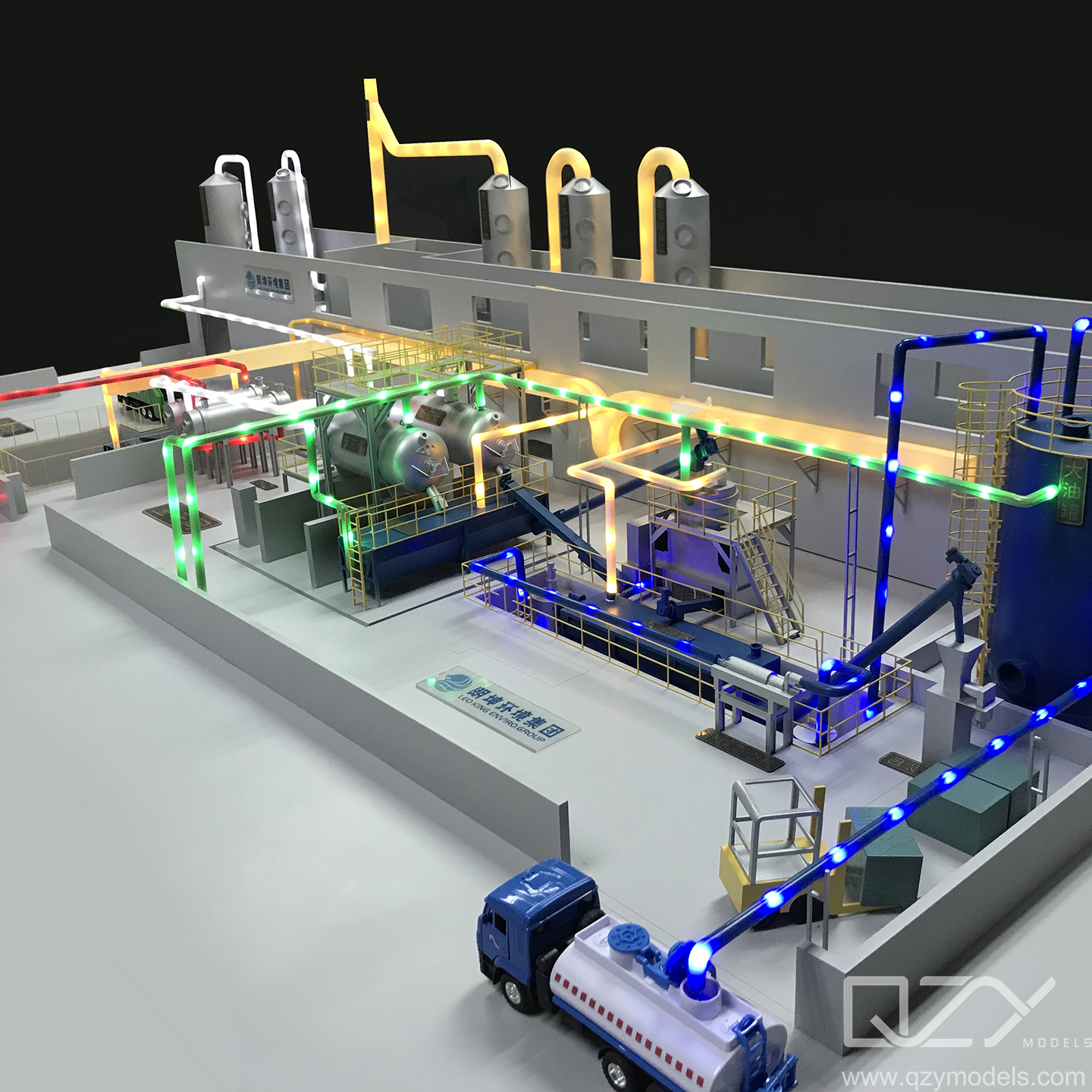
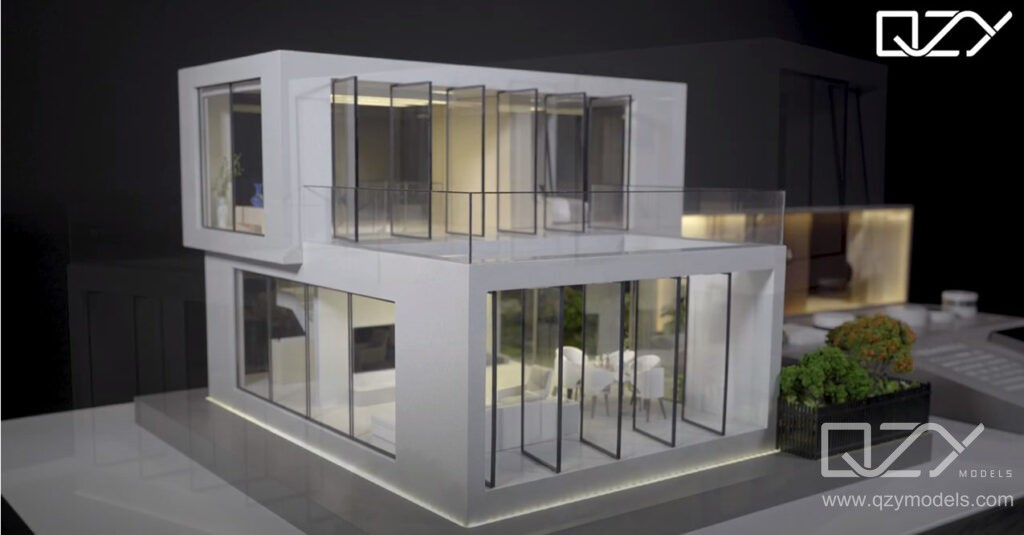
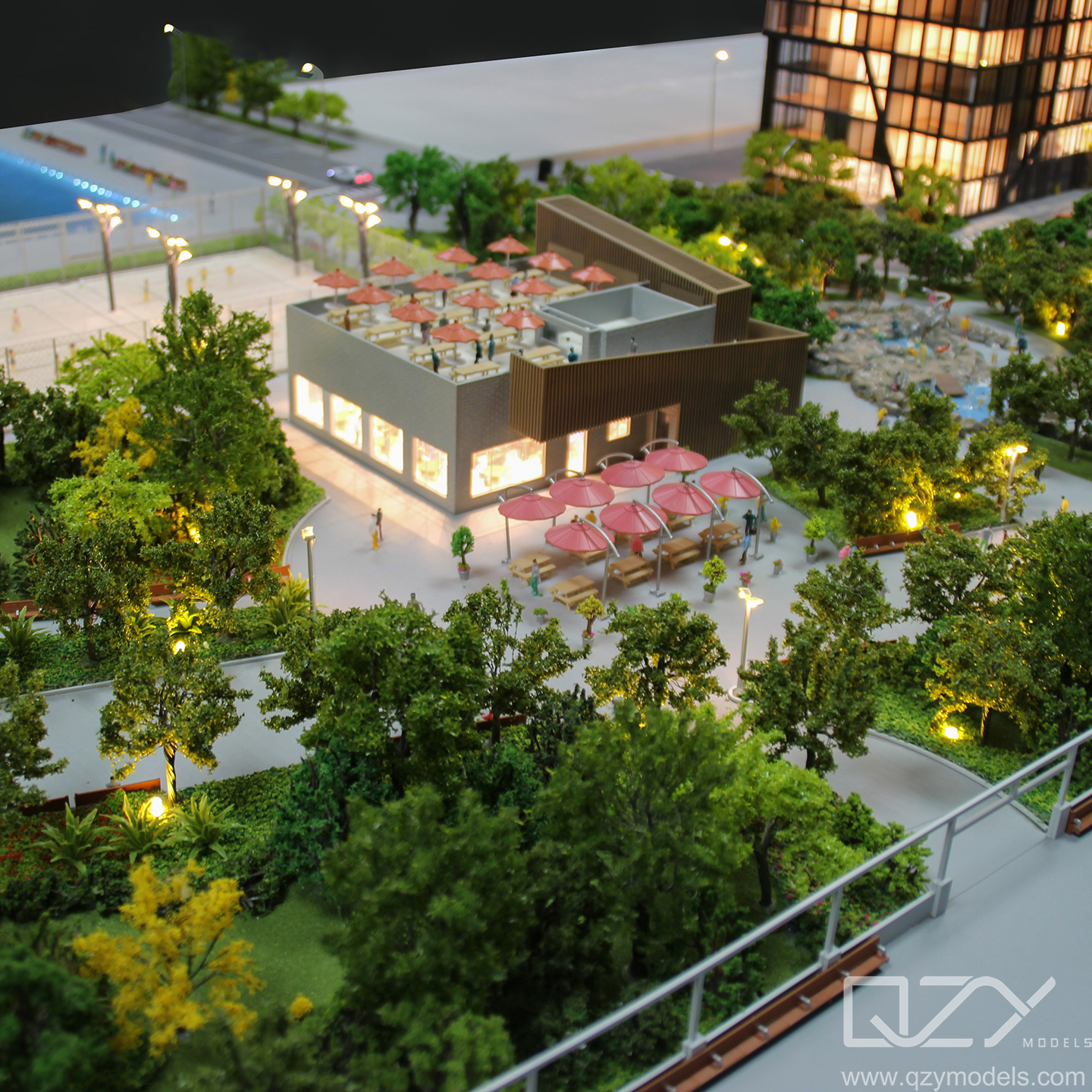
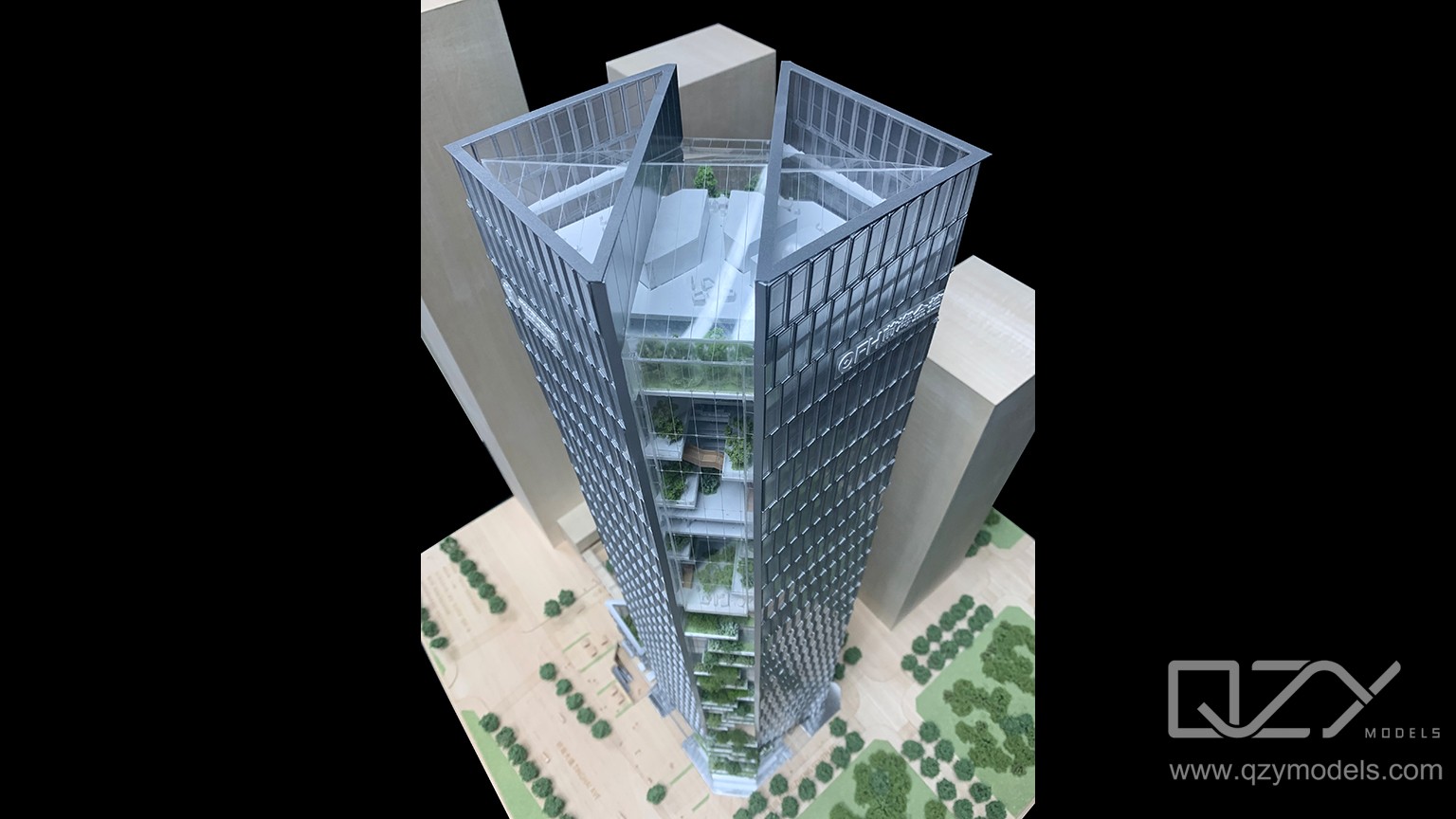
Integrating digital 3D design with precision architectural model making transforms how developers, architects, and planners communicate ideas. By combining advanced 3D technology with expert craftsmanship, China-based manufacturers like QZY Models deliver highly accurate, visually compelling models faster, enhancing investor presentations, accelerating design validation, and ensuring every detail aligns with project intent.
What Is the Connection Between 3D Design and Model Making?
Digital 3D design provides the blueprint for physical models, guaranteeing scale accuracy, geometric fidelity, and detail consistency. Architectural model factories convert software data directly into CNC or 3D-printed outputs. This reduces manual errors, speeds production, and ensures models reflect architectural concepts precisely. QZY Models uses this digital-to-physical workflow to deliver professional, presentation-ready models for global clients.
How Do Digital Files Improve Production Efficiency?
Digital 3D files streamline communication and manufacturing from initial concept to finished model. Using CAD, Revit, or Rhino files, technicians at QZY Models minimize reinterpretation errors. Automated slicing and CNC or 3D printing techniques cut production time by over 30% while maintaining OEM-level quality assurance.
| Step | Traditional Workflow | Digital Workflow |
|---|---|---|
| Design Transfer | Hand sketches | CAD/BIM import |
| Fabrication | Manual cutting | CNC/3D printing |
| Revision | Physical adjustments | Instant digital updates |
| Quality Control | Visual inspection | 3D accuracy verification |
Why Do Architects and Developers Prefer Digital Integration?
Digital integration ensures precision, consistency, and easy revisions. Architects can modify designs instantly, while developers gain early visualization for investor meetings. QZY Models leverages digital workflows to shorten project timelines and maintain high-quality standards during iterative planning phases.
Which Technologies Support Precision in Model Manufacturing?
Key technologies include:
-
CNC milling for large-scale accurate cuts
-
High-resolution 3D printing for intricate details
-
Laser engraving and UV printing for textures and colors
-
LED systems synchronized with digital control modules
QZY Models combines technology with skilled hand-finishing to achieve realism, durability, and aesthetic precision.
How Does 3D Printing Contribute to Architectural Model Detail?
3D printing transforms digital designs into miniature realities, capturing subtle curves, textures, and complex geometries. QZY Models uses high-resolution resin printers to replicate façades, interiors, and mechanical components with millimeter-level accuracy, enhancing visual impact and design fidelity.
What Are the Advantages of Working with a China-Based Model Manufacturer?
Manufacturers like QZY Models offer cost-effective solutions without compromising quality. They handle both small custom orders and large OEM projects, integrating digital prototyping, rapid fabrication, and export-optimized packaging. Clients benefit from reliable delivery, advanced production technology, and professional project support.
Why Is Hybrid (Digital + Handcrafted) Production Still Critical?
Handcrafted detailing adds realism and emotional resonance that digital tools alone cannot achieve. After CNC cutting and 3D printing, artisans at QZY Models assemble, paint, and landscape models meticulously, ensuring models are visually striking, tactile, and fully aligned with design intent.
How Does QZY Models Manage Digital-to-Physical Integration?
QZY Models employs a streamlined workflow combining digital design and physical production:
-
Model file preparation and optimization
-
Digital slicing for machine execution
-
CNC cutting and 3D printing
-
LED and lighting integration
-
Assembly, finishing, and landscaping
-
Quality assurance testing
This ensures every model accurately reflects the original digital design while maintaining presentation quality.
When Should a Developer Transition from 3D Visualization to Physical Modeling?
Physical models are best commissioned once designs reach 80–90% approval. At this stage, digital accuracy reduces costly revisions. QZY Models recommends integrating model production at key milestones such as investor meetings, exhibitions, or urban planning reviews.
QZY Models Expert Views
“Digital precision amplifies craftsmanship rather than replacing it. At QZY Models, we combine advanced software with artisanal expertise to produce physical models that are both technically accurate and emotionally engaging. This approach allows architects and developers to communicate their vision clearly, convincingly, and globally.”
— Richie Ren, Founder of QZY Models
Which Software Tools Are Most Commonly Used in Architectural Model Making?
Design-to-fabrication workflows typically include:
-
AutoCAD, Revit, Rhino for base modeling
-
SketchUp and 3ds Max for visualization
-
SolidWorks for industrial components
-
CAM software for CNC and 3D printer integration
QZY Models supports cross-platform file compatibility, ensuring seamless project execution.
Could AI and AR Further Enhance the Model-Making Process?
Yes. AI optimizes fabrication paths and predicts tolerances, while AR overlays digital data on physical models for interactive presentations. QZY Models is developing AR-enabled urban and building models, allowing stakeholders to virtually explore projects over real-world model bases.
| Technology | Application | Potential |
|---|---|---|
| AI Algorithms | Error prediction and accuracy calibration | Automated workflow |
| AR Projection | Interactive planning models | Enhanced stakeholder engagement |
| Smart Lighting | Dynamic scene switching | Realistic visualization |
Are Physical Models Still Necessary in the 3D Era?
Physical models remain vital for scale perception, tactile engagement, and trust-building. Even with advanced CGI, tangible models are unmatched for exhibitions, investor presentations, and planning approvals. QZY Models delivers hybrid solutions combining tactile models with digital interactivity for maximum impact.
Conclusion
Integrating digital 3D design with precision model making enhances visualization, accuracy, and communication for architecture, real estate, and urban planning. QZY Models exemplifies how China-based manufacturers leverage technology and craftsmanship to produce detailed, realistic, and interactive models, offering clients a strategic advantage in design presentation and stakeholder engagement.
FAQs
1. Can QZY Models work directly from BIM or Revit files?
Yes, full BIM integration is supported for seamless translation to physical models.
2. How long does a digital-to-physical model take?
Typically 3–10 weeks, depending on size and complexity.
3. Do digital models reduce production costs?
Yes, they minimize manual rework and accelerate fabrication.
4. Can lighting and AR features be integrated?
Yes, QZY Models offers LED lighting, AR projection, and interactive display features.
5. Does QZY Models provide OEM or white-label manufacturing?
Yes, the company provides OEM services for international model firms and design studios.